
Terraria NPC Guide: Calamity Mod Town NPCs, Spawn Conditions & What They Sell
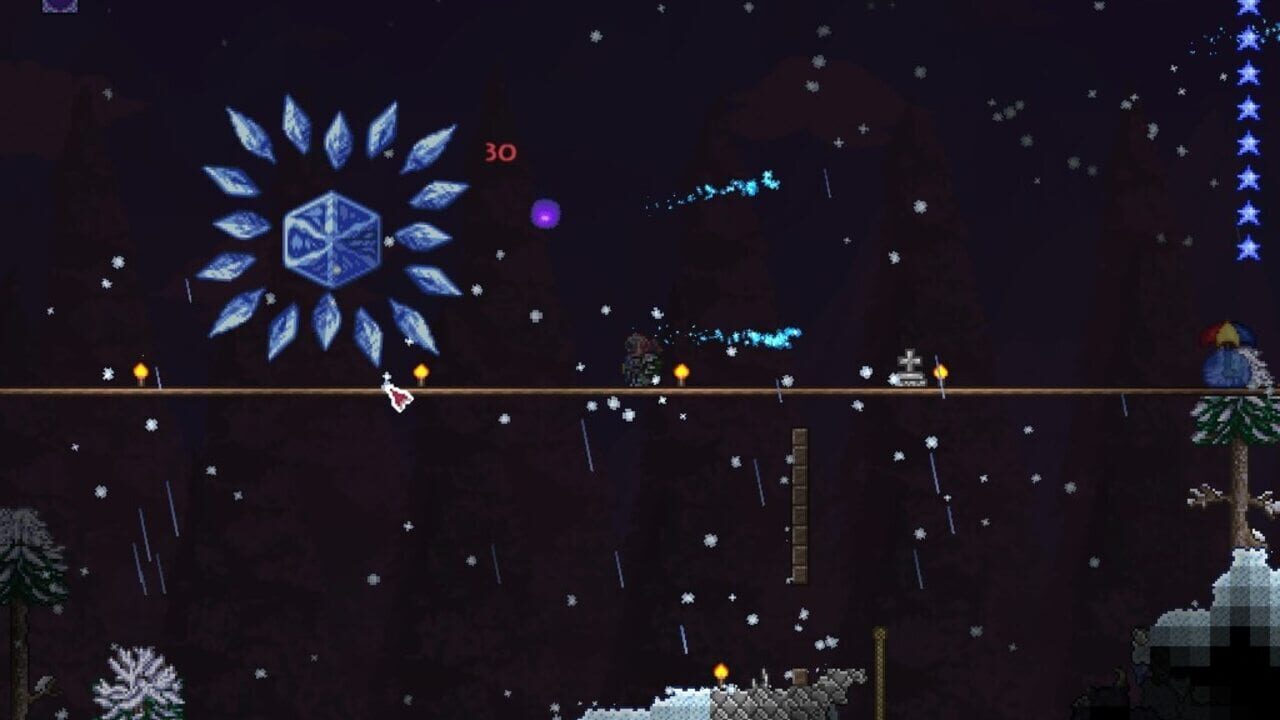
Complete guide to Calamity Mod Terraria NPCs: spawn locations, boss requirements, housing setup, and what each NPC sells for all progression stages.

Terraria NPC Guide: Calamity Mod Town NPCs, Spawn Conditions & What They Sell
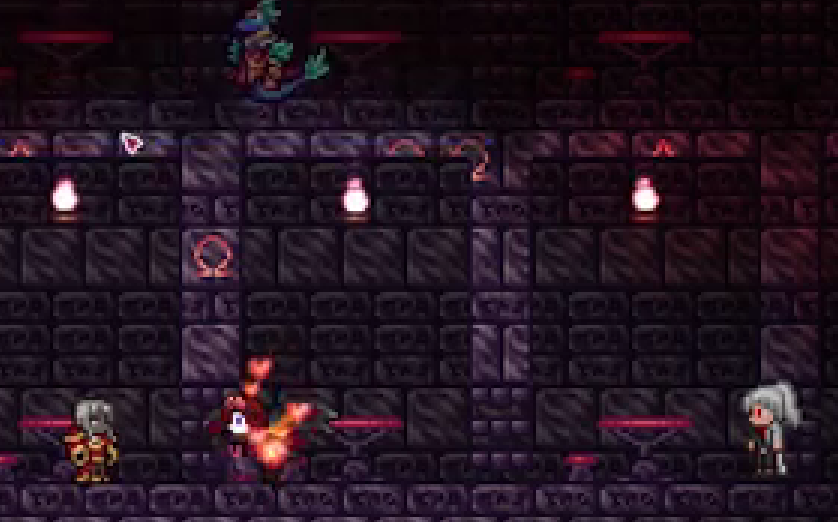
The Calamity Mod transforms Terraria into something genuinely different. Not just harder bosses or more content—the mod fundamentally reshapes progression with new NPCs that unlock powerful items and services. But here's the thing: these NPCs don't just appear. You need to meet specific conditions, build them proper housing, and know what each one actually sells. This guide covers everything you need to know about terraria NPC spawning in Calamity, their locations, requirements, and inventories. Whether you're setting up your first modded playthrough or optimizing an endgame base, understanding NPC mechanics is essential to staying on top of your gear progression.
Understanding Terraria NPC Spawn Mechanics in Calamity
Vanilla Terraria has a straightforward NPC system. Build a house, meet a condition (usually defeat a boss), and the NPC moves in. Calamity respects that foundation but adds layers. The mod introduces its own town NPCs alongside changes to how vanilla NPCs behave. Every terraria npc in Calamity requires three things: an empty house with proper dimensions, the right conditions met (typically boss defeats), and enough space for them to settle.
Here's what makes Calamity different. Some NPCs have staggered unlock timelines tied to specific bosses. Others gain new items for sale after you defeat certain post-Moon Lord bosses. The terraria calamity wiki is your friend for exact details, but the core principle remains: progression matters. You can't just farm coins and buy everything early. The mod gates access to powerful items behind actual gameplay milestones.
One critical detail: housing requirements are identical to vanilla. Your house needs a light source, a flat surface item (table or platform), and a comfort item (chair). The room must be at least 6 blocks wide and 9 blocks tall. Calamity doesn't change this, though it does add configuration options for NPC spawn rates and behavior. Some servers or playthroughs might have modified settings that affect when NPCs actually move in.
The Main Calamity Town NPCs: Who They Are and When They Spawn
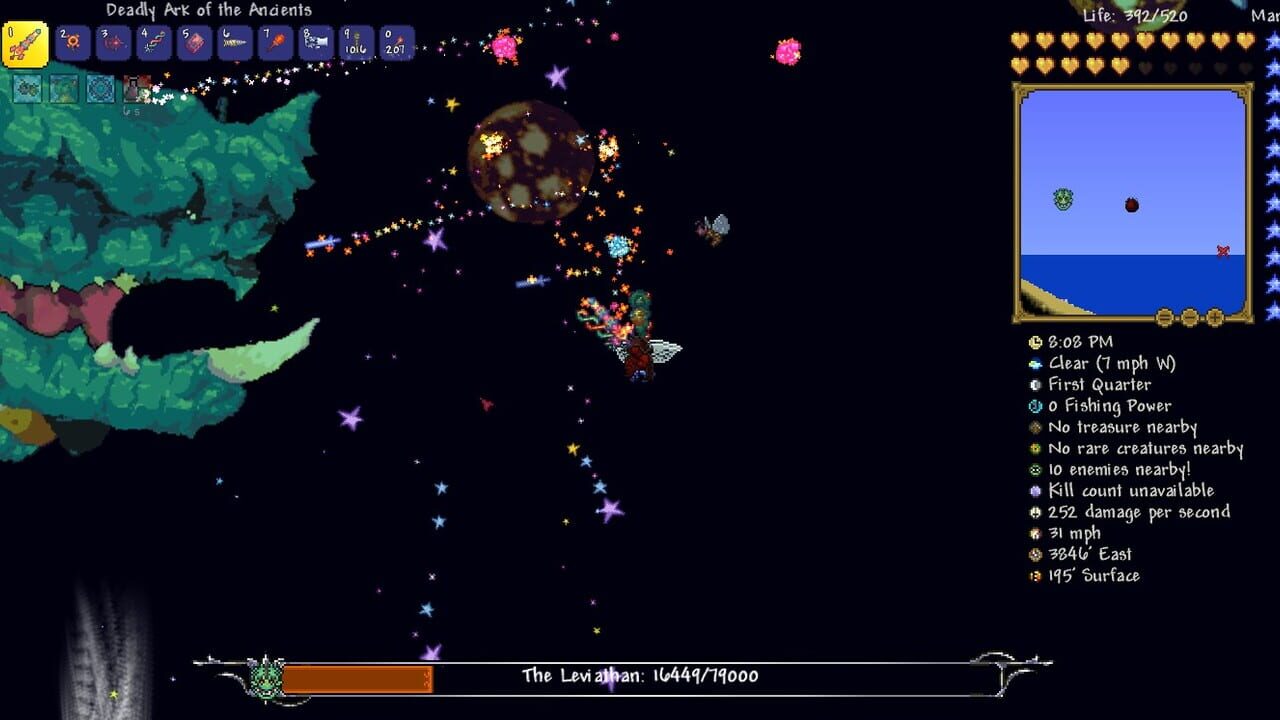

Calamity adds several exclusive town NPCs that fundamentally support your progression. Unlike vanilla NPCs who are essentially utilities, Calamity's NPCs are progression gates—they sell items that define entire playstyles.
The Plague Bringer (Post-Golem)
The Plague Bringer is one of the first calamity terraria NPCs you'll meet. This NPC spawns after you defeat Golem and have an empty house available. The Plague Bringer sells Hardmode progression items, including potions and materials tied to the Plague biome content Calamity introduces. This NPC is critical for players pushing into Calamity's mid-Hardmode bosses, as the items sold unlock crafting recipes and buff combinations.
Tarragon (Post-Plantera)
Tarragon spawns once Plantera is defeated and you have housing ready. This NPC becomes available during your transition into late-Hardmode and sells items that support builds across all classes. The exact inventory expands as you defeat more bosses, particularly post-Mechanical Boss bosses. Tarragon's role is substantial—many players find themselves returning to this NPC repeatedly as they unlock new items.
The Brimstone Witch (Post-Supreme Calamitas)
The Brimstone Witch is the ultimate Calamity NPC. She doesn't spawn until you defeat Supreme Calamitas—the final boss of the mod. Once she moves in, she offers enchantment services and sells endgame gear. She's named Calamitas by default and serves as the last major vendor in your progression. The Brimstone Witch is unique in that she actively defends herself with Brimstone Hellblasts if enemies approach, making her one of the few NPCs with combat capability.
Vanilla NPCs and Calamity Changes
Calamity modifies what vanilla NPCs sell. The Merchant, Dryad, Arms Dealer, and others gain new items under specific conditions. For example, the Merchant sells additional potions and items once you defeat certain Calamity bosses. The Dryad gains access to expert-mode exclusive items after defeating Calamity's early bosses. These changes are documented on the terraria calamity wiki, but they're worth noting—your favorite vanilla vendors become even more useful in Calamity runs.
Spawn Conditions: The Boss Requirements You Need to Know
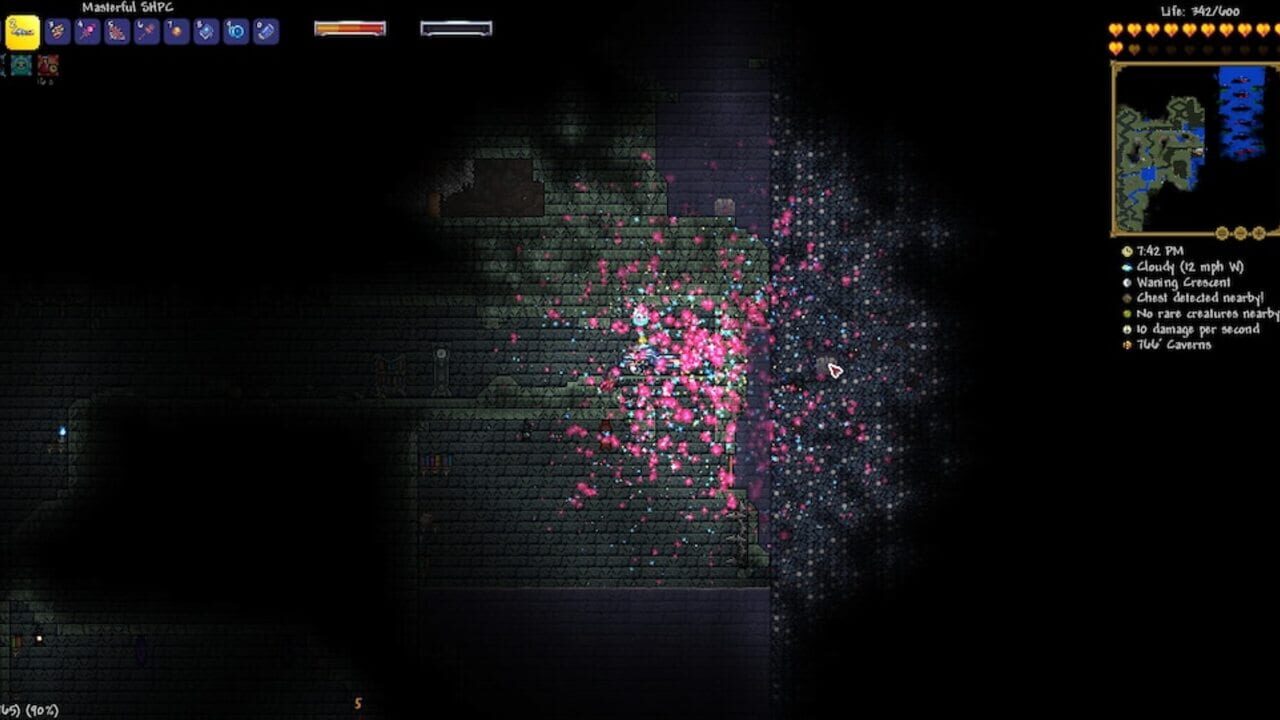
Progression in Calamity is boss-gated. Every new NPC ties to defeating a specific boss or reaching a certain game state. Here's the breakdown of what you need to do:
Early-Hardmode NPCs
Some Calamity NPCs spawn relatively early. The Plague Bringer requires Golem's defeat—a boss you'll face mid-Hardmode. At this point, you've already dealt with the Mechanical Bosses and have decent gear. Golem is the gate, and once he falls, the Plague Bringer moves in to support your push toward Calamity's mid-Hardmode bosses like The Hive Mind and The Perforators.
Mid-to-Late Hardmode NPCs
Tarragon and similar NPCs unlock after Plantera. This is where progression really opens up. Plantera marks the shift from early-Hardmode to late-Hardmode in vanilla Terraria, and Calamity respects that boundary. Once Plantera falls, you unlock access to NPC vendors that support the jump toward post-Plantera bosses. The items they sell assume you have late-Hardmode gear and are preparing for the Lunar Events or Calamity's equivalent challenges.
Endgame and Post-Moon Lord
The Brimstone Witch requires Supreme Calamitas—the absolute final boss. This is the gate for true endgame content. Before you even encounter Supreme Calamitas, you'll have defeated Devourer of Gods, Yharon, and countless other Calamity bosses. The Brimstone Witch's appearance signals you've reached the end of the mod's progression. Her enchantment services and endgame items represent the final tier of power scaling.
Configuration and Difficulty Modes
Calamity has configuration options that affect NPC spawning. Some servers or playthroughs disable certain features, change spawn rates, or modify difficulty scaling. If NPCs aren't spawning when you expect, check your world's Calamity settings. Revengeance Mode and Godseeker Mode both affect item availability and NPC behavior, particularly around pricing and exclusive item sales.
Housing and NPC Happiness: Setting Up Your Terraria Base
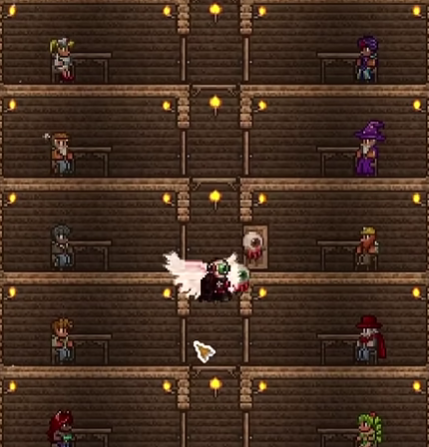
Building proper housing is non-negotiable. Every terraria npc in Calamity needs a suitable house before they spawn. The basic requirements are simple: 60 tiles of space (roughly 6 blocks wide, 9 blocks tall), a light source, a flat surface item, and a comfort item. But housing quality affects NPC happiness, which influences prices and pylon availability.
In Calamity, NPCs have biome preferences and NPC neighbor preferences. Some NPCs like being near specific other NPCs, while others prefer isolation. The Dryad, for example, prefers the Jungle biome and dislikes certain NPCs. If you want to maximize pylon coverage or minimize prices, you'll need to pay attention to happiness mechanics. This isn't just flavor—it directly impacts your quality of life during gameplay.
Pro tip: don't cluster all NPCs in one town. Spread them across multiple biomes. A Dryad in the Jungle, the Merchant in the Forest, and the Arms Dealer in a custom sky base all stay happier than if they're crammed together. Happier NPCs sell pylons, which unlock fast travel. In a long Calamity playthrough, pylon access is genuinely valuable.
What Each NPC Sells: The Item Breakdown
Understanding what each calamity terraria NPC sells is essential for planning your progression. You can't just wander in and buy everything—items unlock as you defeat bosses and meet conditions.
General-Purpose Vendors
The Merchant remains your baseline vendor. In Calamity, the Merchant gains new items after defeating specific bosses. Early on, they sell basic potions and supplies. As you progress, they unlock Archery Potions (after Eye of Cthulhu), Titan Potions (after Skeletron), and higher-tier potions as you push deeper into progression. The Merchant's inventory essentially tracks your progression through the game.
The Dryad sells buffs and expert-mode exclusive items. In Calamity, the Dryad's inventory expands significantly. You'll buy Regeneration Potions, Swiftness Potions, and various accessories from the Dryad. Some items only appear in Revengeance Mode or after defeating specific Calamity bosses. The Dryad is your go-to for buff potions throughout the entire game.
Class-Specific and Specialized Vendors
The Arms Dealer sells ammunition and ranged weapons. In Calamity, this NPC becomes even more important because ranged weapons are viable throughout endgame. After defeating Golem, the Arms Dealer unlocks Tactical Shotguns, Sniper Rifles, and other late-Hardmode weapons. If you're running a ranged build, you'll be visiting this NPC constantly.
The Witch Doctor sells summoner buffs and supplies. Summoning Potions, Rage Potions, Wrath Potions—these are the summoner's lifeblood. In Calamity, the Witch Doctor gains additional items after defeating Mechanical Bosses. The Momentum Capacitor, for example, is a post-Mechanical Boss item that boosts summoner damage significantly. If you're playing summoner, this NPC is essential.
Calamity-Exclusive Vendors
The Plague Bringer sells items tied to Calamity's unique biomes and bosses. These aren't generic potions—they're specialized supplies for Calamity's unique challenges. The exact inventory depends on which Calamity bosses you've defeated, making this NPC's shop dynamic throughout your playthrough.
Tarragon's inventory is extensive. This NPC sells items supporting all classes and progression stages. Expect potions, accessories, crafting materials, and weapons. Tarragon's shop is where you'll find items that bridge the gap between mid-Hardmode and endgame. As you defeat more Calamity bosses, Tarragon's inventory expands—they're essentially a progression checkpoint vendor.
The Brimstone Witch offers enchantment services and endgame items. This isn't a simple vendor—she's a service provider. For a price, she enchants your items, granting new power with drawbacks. She also "exhumes" certain items, transforming them into entirely new forms. This is the ultimate vendor for fine-tuning your endgame builds.
NPC Dialogues and Interactions: Easter Eggs and Mechanics
Calamity NPCs have personality. They're not just vendors—they have dialogue trees, preferences, and quirks. The Brimstone Witch has a 1 in 4444 chance to replace her dialogue with "Mrrp is cringe," a reference to lore within the mod community. These details add flavor to your playthrough.
NPCs also gain stat boosts after you defeat certain bosses. This isn't just flavor—it affects their combat effectiveness if enemies breach your defenses. An NPC that spawned early in your playthrough becomes stronger as you progress, making them slightly more capable of defending themselves. It's a small detail, but it shows Calamity's attention to progression scaling.
All NPCs in Calamity gain an exclamation mark icon when new items are sold. This is a quality-of-life feature—you don't have to guess whether an NPC has new stock. The icon appears automatically and only disappears when you interact with the NPC. It's a small touch, but it significantly improves usability.
Pricing and Economy: How Calamity Affects NPC Costs
NPC prices scale in Calamity. In Revengeance Mode, the Nurse's healing costs scale with progression. Potions cost more as you advance, reflecting the increased difficulty and your greater wealth. The Tax Collector's taxes scale throughout progression as well, meaning your NPC economy changes as you play.
Some items have conditional pricing. Archery Potions, for example, cost 2 gold in Pre-Hardmode, 4 gold in Hardmode, and 8 gold post-Moon Lord. This scaling ensures that early-game purchases don't trivialize late-game content—you can't just stockpile cheap potions and coast through endgame. The economy adapts to your progression.
Boss multipliers affect prices too. If any bosses are alive in your world, certain NPCs' prices multiply. This encourages you to actually fight bosses rather than endlessly farming. The Nurse's healing cost multiplies by 5 if bosses are alive, making boss fights genuinely costly if you're relying on healing services. It's a subtle pressure to progress rather than stall.
Configuration Options: Customizing Your NPC Experience
Calamity offers extensive configuration options for NPC behavior. You can modify spawn rates, toggle whether NPCs spawn at night, adjust NPC spawn rate multipliers, and even disable potion selling entirely. These options are server-side in multiplayer, meaning the host controls them.
If you're running a custom difficulty or trying a specific challenge, configuration options let you tailor the NPC system to your needs. Want NPCs to spawn faster? Increase the multiplier. Want them to never spawn at night? Toggle it off. The flexibility is there if you need it, but defaults work fine for standard playthroughs.
Common Issues: Why NPCs Aren't Spawning
NPCs not spawning is the most common issue players encounter. Here are the usual culprits:
- Housing doesn't meet requirements (too small, missing light source, missing comfort item)
- The required boss hasn't been defeated yet
- Corruption or Crimson is too close to the house (NPCs avoid corrupted areas)
- A goblin invasion is active (NPCs won't spawn during events)
- The house is occupied (you need an empty house for a new NPC)
- Configuration options have been modified (check your world settings)
If an NPC still won't spawn after checking these, verify your Calamity version is up-to-date. The mod receives frequent updates, and older versions sometimes have spawn bugs. Updating to the latest version usually fixes mysterious NPC issues.
Progression Checklist: NPC Unlocks by Game Stage
Here's a quick reference for when you'll unlock Calamity NPCs:
- Pre-Hardmode: Vanilla NPCs only. Calamity adds no Pre-Hardmode town NPCs.
- Early Hardmode (Post-Wall of Flesh): Vanilla NPCs gain expanded inventories. Calamity NPCs haven't unlocked yet.
- Mid-Hardmode (Post-Golem): Plague Bringer spawns. This is your first Calamity-exclusive vendor.
- Late Hardmode (Post-Plantera): Tarragon spawns. Vanilla NPCs gain more items. This is where Calamity content really opens up.
- Endgame (Post-Devourer of Gods/Yharon): You're approaching Supreme Calamitas. Prepare for the Brimstone Witch.
- Post-Game (Post-Supreme Calamitas): Brimstone Witch spawns. You've reached the end of progression.
Final Thoughts: Mastering the Calamity NPC System
The terraria npc system in Calamity is more sophisticated than vanilla Terraria, but it's also more rewarding. Every NPC unlock feels like a genuine progression milestone. You're not just building houses—you're unlocking vendors that fundamentally enable your next challenge tier. Understanding when NPCs spawn, what they sell, and how to keep them happy transforms your Calamity playthrough from frustrating to flowing.
The terraria calamity wiki is an invaluable resource for exact item lists and spawn conditions, but the fundamentals are straightforward: defeat bosses, build houses, and keep your NPCs happy. Do that, and you'll have access to everything Calamity has to offer. The mod respects progression—you can't skip ahead or trivialize challenges through vendor shopping. That's what makes the calamity terraria NPC system work so well. It's a progression gate that feels natural, not artificial.
Start your Calamity playthrough with these NPC mechanics in mind. Plan your housing. Prepare for boss defeats. And when those new vendors move in, you'll feel the genuine sense of progression that makes modded Terraria so compelling. The NPC system might seem complex at first, but it's just another layer of the carefully designed progression that makes Calamity one of the best Terraria mods available.
Câu hỏi thường gặp về Terraria: Calamity Mod
- Ngày phát hành Terraria: Calamity Mod là khi nào?
- Terraria: Calamity Mod dự kiến phát hành vào ngày 1/6/2016.
- Terraria: Calamity Mod chơi được trên nền tảng nào?
- Terraria: Calamity Mod hỗ trợ: PC (Microsoft Windows).
- Terraria: Calamity Mod thuộc thể loại gì?
- Terraria: Calamity Mod thuộc thể loại: Platform, Role-playing (RPG), Simulator, Strategy, Adventure, Indie.
- Có trailer chính thức của Terraria: Calamity Mod không?
- Có. Bạn có thể xem trailer của Terraria: Calamity Mod ngay trên trang này ở phần video.
Khám phá thêm
All Calamity Bosses Ranked: Difficulty, Loot Drops & Strategy Tips for Each Fight
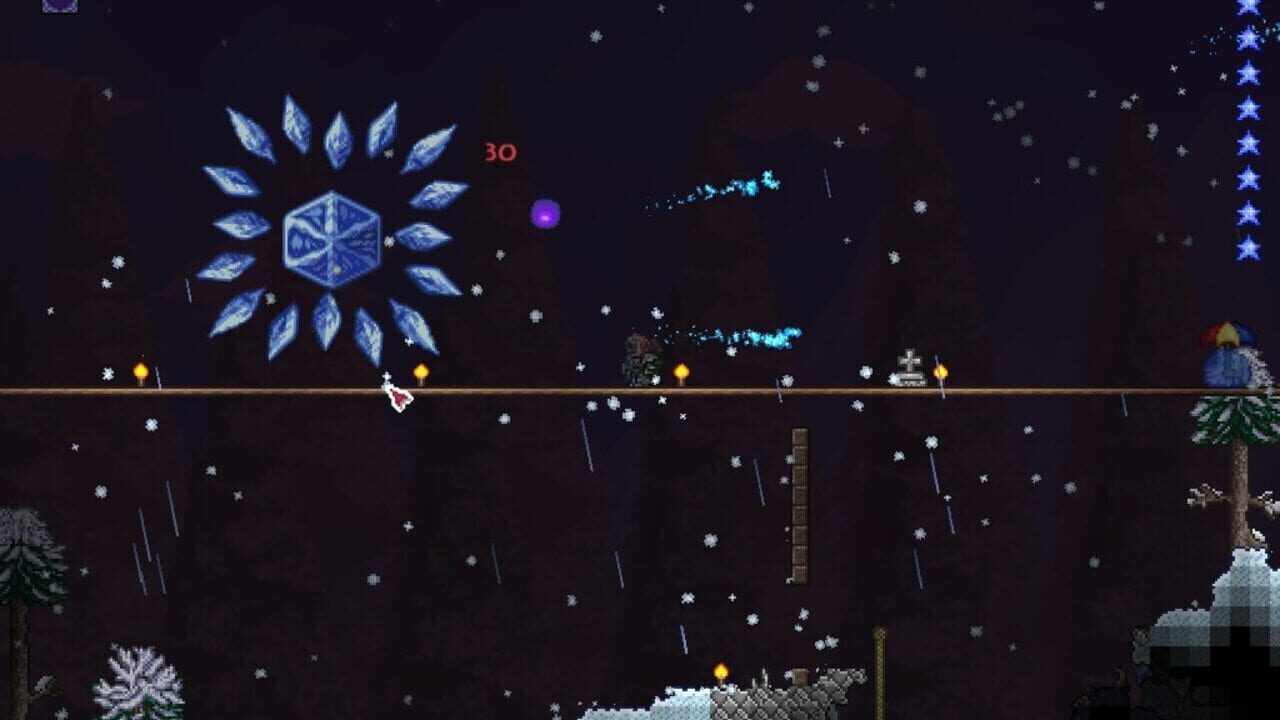
The Calamity Mod transforms Terraria into a relentless endurance test. This comprehensive guide ranks all major calamity bosses by difficulty, breaks down their mechanics, explains loot progression, and provides strategy tips for beating each encounter.
Calamity Progression: Complete Boss Order & Milestone Checklist
The Calamity Mod adds 24+ bosses to Terraria's progression. This guide maps the complete calamity progression path, from the Desert Scourge through post-Moon Lord endgame and Supreme Witch Calamitas.