
Calamity Progression: Complete Boss Order & Milestone Checklist
The Calamity Mod adds 24+ bosses to Terraria's progression. This guide maps the complete calamity progression path, from the Desert Scourge through post-Moon Lord endgame and Supreme Witch Calamitas.

Calamity Progression: Complete Boss Order & Milestone Checklist
The Calamity Mod transforms Terraria from a straightforward action game into a towering endurance test. With roughly 24–26 boss encounters spread across early-game deserts, mid-hardmode mechanical gauntlets, and post-Moon Lord endgame sequences that dwarf vanilla Terraria's entire roster, getting the calamity progression order right is essential. This guide maps every boss, every checkpoint, and every world event that defines the mod's intended path — from the Desert Scourge through Supreme Witch Calamitas.
Understanding Calamity Progression Structure
Calamity doesn't replace vanilla bosses. It adds new ones around them. You still fight Wall of Flesh to unlock Hardmode. You still need Moon Lord to access the true endgame. The mod's genius is in its surgical placement: seven Calamity bosses slot precisely into the gaps between mechanical bosses, Plantera, and Golem, each dropping gear that prepares you for the next encounter. This is calamity progression at its core — a carefully orchestrated difficulty curve that respects your gear progression.
The full run breaks into four phases: pre-Hardmode (4 Calamity bosses), early Hardmode (7–8 bosses), late Hardmode through Golem (5–6 bosses), and post-Moon Lord endgame (9 bosses including the final fight). Completing all of them demands 40–60 hours of focused play on Revengeance difficulty — longer on Death Mode.
Pre-Hardmode: Your First Calamity Encounters
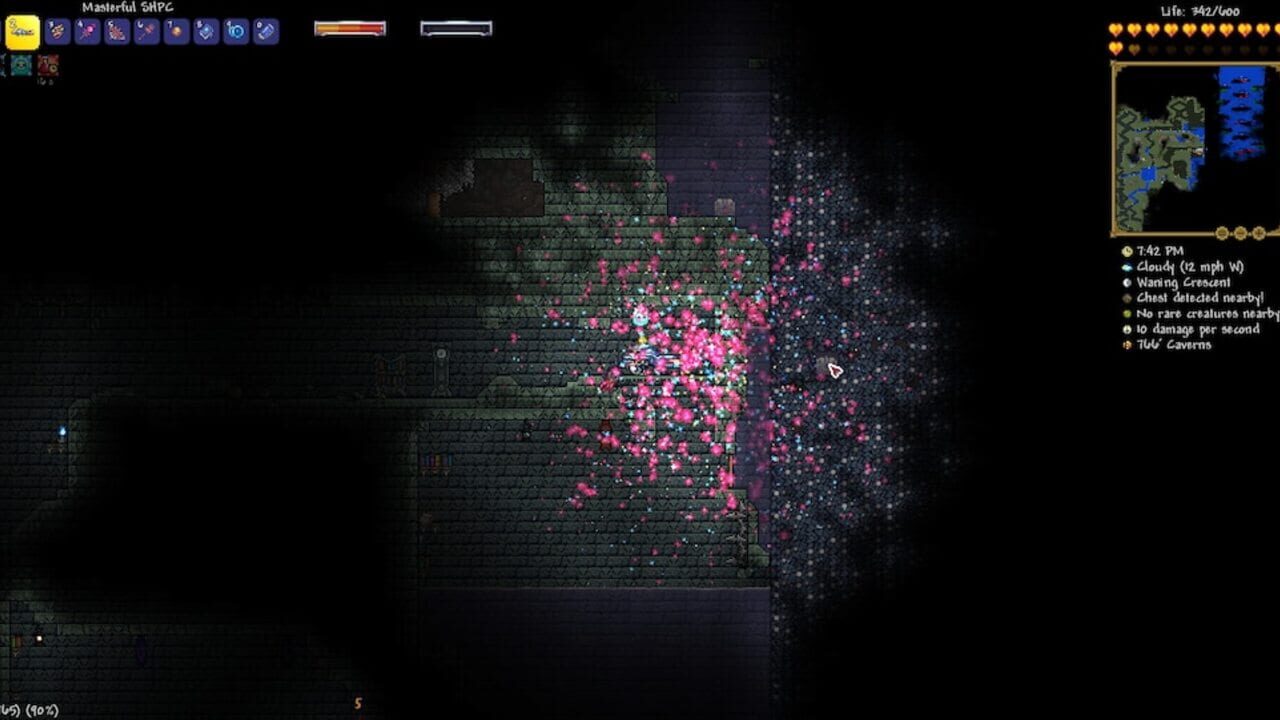
The calamity first boss is Desert Scourge, a segmented worm summoned with a Desert Medallion in the Desert biome. It's not trivial — the Scourge is faster and more aggressive than the Eater of Worlds — but it's approachable for players fresh off Eye of Cthulhu. The key lesson: Calamity bosses punish standing still. Constant movement, arena preparation, and defensive accessories matter more than raw damage.
After defeating Desert Scourge, you flow back into vanilla progression. King Slime and Eye of Cthulhu remain unchanged. Then comes Crabulon, summoned in the Glowing Mushroom biome with a Decapodita Sprout. This fight is mechanically interesting — Crabulon charges, spawns homing Mushroom Spores, and slams with shockwaves. It's one of pre-Hardmode's best gear checks and drops excellent magic and ranged weapons. Plan your arena with platforms and consider a water candle + battle potion setup.
The vanilla evil bosses (Brain of Cthulhu or Eater of Worlds, depending on your world) come next. Calamity rebalances them subtly but doesn't replace them. Queen Bee and Skeletron follow in normal order. With Calamity gear from Desert Scourge and Crabulon, both are manageable. The Slime God, a three-phase boss summoned in the Corruption or Crimson, arrives last. It's a significant spike — this fight separates players who've been coasting from those who've genuinely learned Calamity's combat philosophy.
Wall of Flesh remains your gate to Hardmode. Defeat it to unlock the mechanical bosses and the second phase of calamity progression.
Early Hardmode: The Mechanical Gauntlet
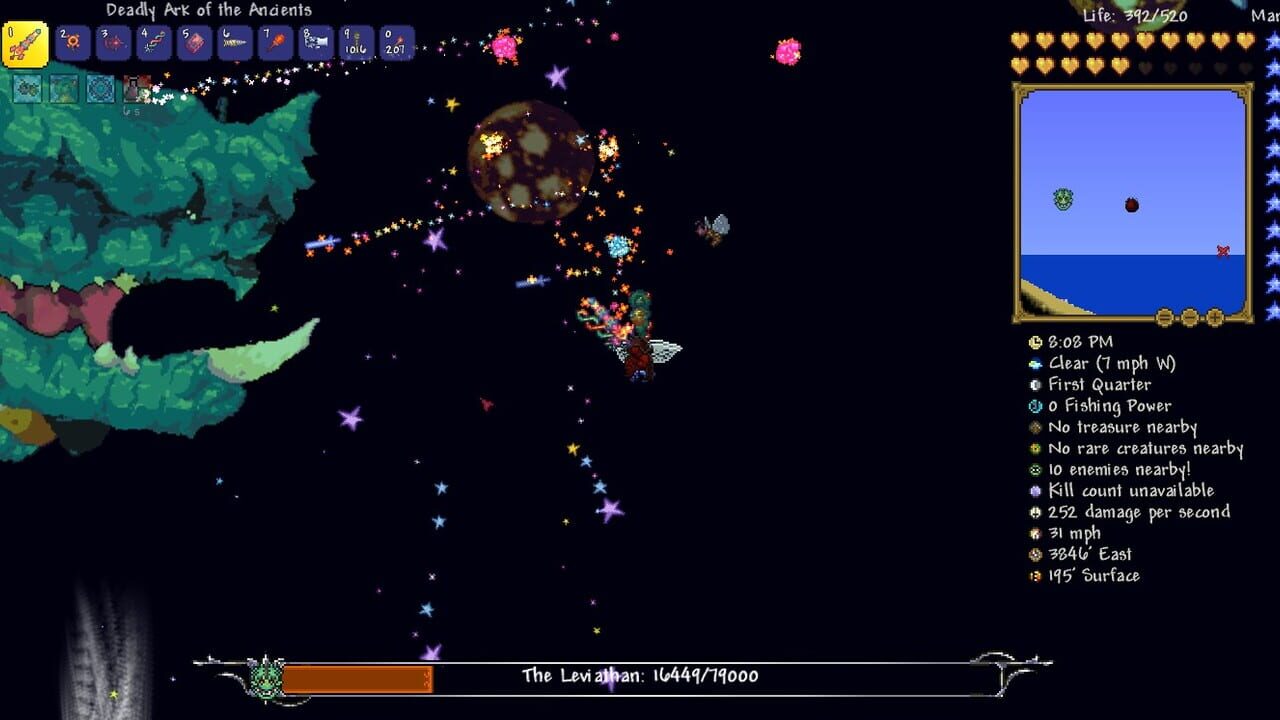
Hardmode is where Calamity's design becomes brilliant. You can fight the three vanilla mechanical bosses (Destroyer, Twin Spazmatism, Skeletron Prime) in any order — Calamity doesn't change their summon items or difficulty. But between them and after them, seven Calamity bosses weave in seamlessly.
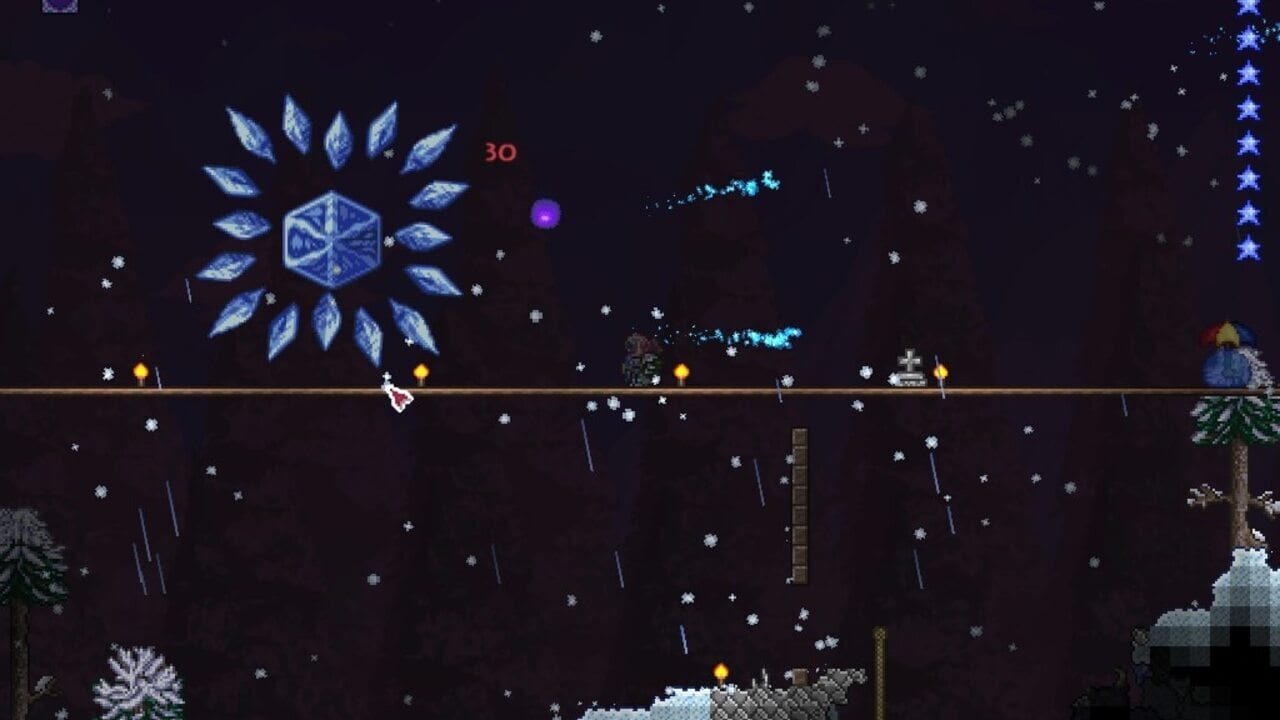
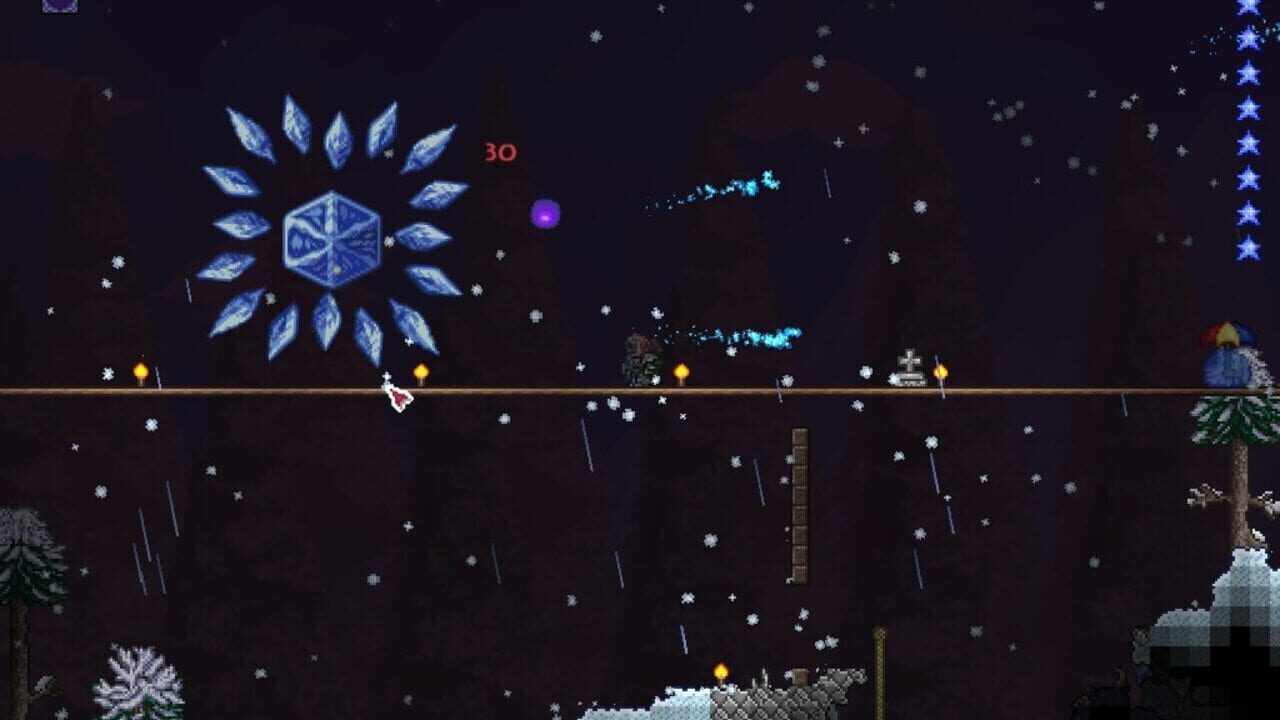
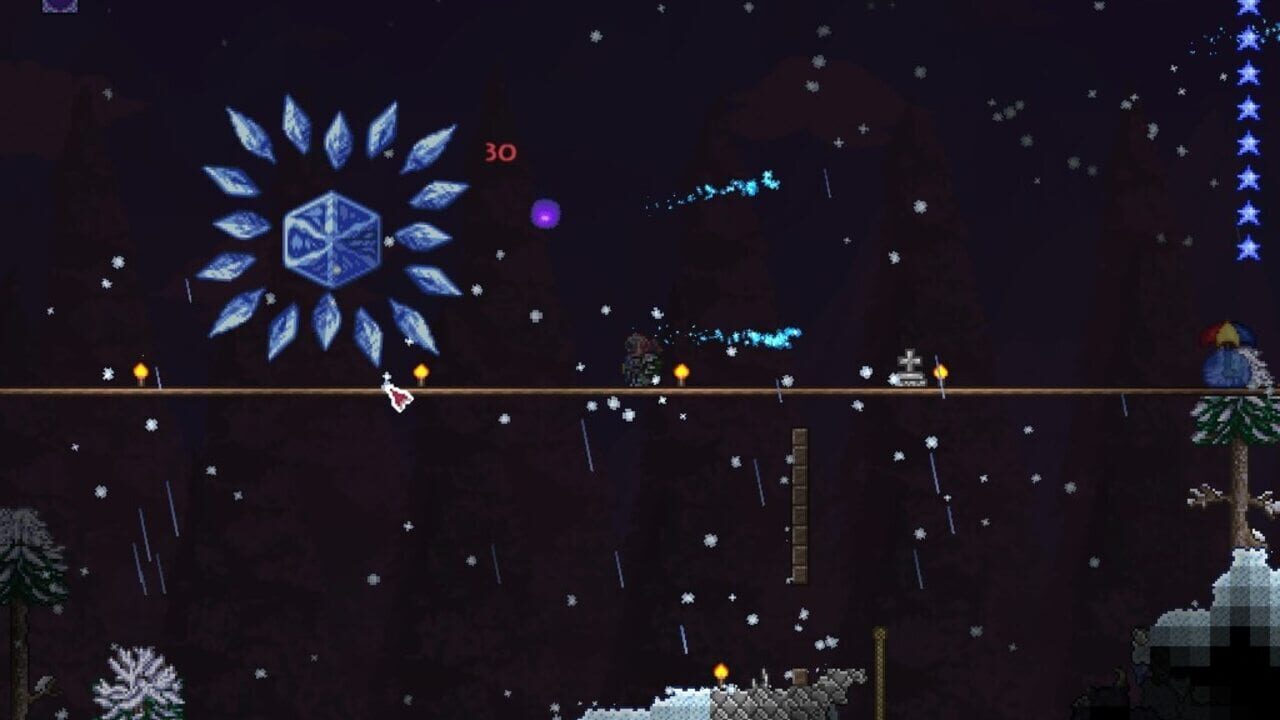
After the first mechanical boss, Cryogen arrives in the Snow biome. It's a crystalline construct that cycles through phases, spawning projectiles and charging. Cryogen drops Cryonic Bars and weapons that push you toward the next mechanical boss. The second mech can be any of the three vanillas. Then Aquatic Scourge, a worm boss fought in the Ocean, introduces water-based combat challenges.
The third mechanical boss follows, then Brimstone Elemental — a floating, fire-spewing construct summoned in the Brimstone Crag. This is a turning point. Brimstone Elemental hits hard, has multiple attack phases, and requires both defensive positioning and aggressive weapon swaps. Its drops are crucial for late-Hardmode viability. After Brimstone, you've essentially passed Calamity's mid-game filter.
Plantera comes next (vanilla boss, unchanged). Then the Calamitas Clone, a mid-Hardmode version of the mod's final boss. She's a bullet-hell encounter with laser attacks, projectile barrages, and spawned minions. Defeating her is psychologically important — you're fighting the final boss's weaker form, learning her patterns before the true Supreme Witch Calamitas awaits in post-Moon Lord.
Golem (vanilla) follows Plantera. Then the Plaguebringer Goliath, a mechanical bumblebee-drone hybrid that fires plague rockets and charges erratically. It's significantly harder than Golem and represents the last major Hardmode calamity boss order checkpoint before endgame gates. Both Duke Fishron and Empress of Light (vanilla optional bosses) are worth fighting here for weapons that remain competitive through early post-Moon Lord.
Late Hardmode: The Astral Infection and Astrum Deus
Before Moon Lord, a new biome generates: the Astral Infection, filled with powerful enemies and a meteor composed of Astral Ore. You can summon Astrum Deus here using a Titan Heart at the Astral Beacon — this is optional but highly recommended. Astrum Deus is a two-phase worm boss that drops Astral Bars and Astral-themed weapons. Defeating it unlocks mining Astral Ore, which crafts into weapons and the Ethereal Core (mana +50).
Lunatic Cultist and Moon Lord follow in vanilla order. Moon Lord is still the gate to post-endgame. Defeating him generates new Planetoids, drops a Celestial Onion (accessory slot +1), and unlocks Luminite crafting. This is where calamity world events begin in earnest — Profaned enemies spawn in the Hallow and Underworld. Phantom Spirits appear in the Dungeon, dropping materials for boss summoning items.
Post-Moon Lord: The True Endgame Begins
Defeating Moon Lord is not the end. It's the beginning of Calamity's true story. The calamity post-moon lord progression is where the mod's reputation for difficulty is earned.
Your first post-Moon Lord boss is Profaned Guardians, summoned with a Profaned Shard in the Hallow or Underworld. They're a three-phase fight with charging attacks, projectile barrages, and coordinated strikes. Many players describe this as their "wall" — the fight that forces them back to the wiki and YouTube. Defeating Profaned Guardians drops the Profaned Core, used to summon Providence, the Profaned Goddess.
Providence is the true first post-Moon Lord boss and the mod's first major endgame gate. She's significantly harder than Moon Lord, with laser attacks, projectile hell phases, and a second form. Her loot unlocks Profaned equipment and materials for the next tier of crafting. This is where many playthroughs pause — Providence is a skill check, not a gear check.
After Providence, three optional-but-recommended bosses unlock: The Dragonfolly (drops Effulgent Feathers), The Old Duke (Abyss boss, optional), and the three Sentinels of the Devourer — Storm Weaver, Ceaseless Void, and Signus, Envoy of the Devourer. These are fought in sequence or as a group, depending on your world setup. They're mechanically demanding and drop materials for the Cosmic Anvil.
Polterghast, summoned in the Dungeon with Necroplasm, is a ghostly construct with phase transitions and projectile attacks. It's recommended post-Providence but can be delayed. Its drops unlock access to deeper Abyss content.
The Final Gauntlet: Devourer Through Yharon
The Devourer of Gods is the gate between mid-endgame and true endgame. This worm boss is summoned with a Cosmic Worm and is best fought after Polterghast. It's a multi-phase encounter with laser attacks, projectile barrages, and segments that split into smaller worms. Defeating Devourer of Gods unlocks the Cosmic Anvil and materials for the highest-tier equipment.
Jungle Dragon, Yharon follows. This is where the mod's difficulty peaks for many players. Yharon is a four-phase dragon with fire attacks, charging, and projectile hell phases. The fight demands perfect positioning and weapon swaps. Yharon drops the Jungle Dragon Egg and materials needed for the Exo Mechs — the final multi-boss encounter before Supreme Witch Calamitas.
The Exo Mechs are three mechanical bosses fought simultaneously: Thanatos (worm), Ares (gunship), and Apollo and Artemis (twin eyes). Unlike vanilla mechanical bosses, all three must be defeated in a single encounter. This is a true endurance test — managing three independent attack patterns while positioning against their combined firepower. Exo Mech drops are the highest-tier crafting materials in the game.
Supreme Witch Calamitas: The Final Boss
Supreme Witch Calamitas is the true final boss of Calamity and, by a significant margin, the hardest boss in the game. She's a full transformation of the Calamitas Clone fought in mid-Hardmode — the same character at full power, wielding every attack pattern you've learned across the entire playthrough.
The fight features her Brothers returning as a permanent mechanic, signature Brimstone lasers that require specific movement patterns to avoid, hellfire barrages that fill the arena, and a final phase where she abandons all patterns and fires at maximum density. Her health pool and damage values exceed Moon Lord by factors of five or more. On Death Mode, she's considered one of the hardest encounters in any Terraria mod.
Defeating Supreme Witch Calamitas marks the completion of Calamity's intended storyline. The fight is a culmination — every weapon type has viable endgame options, every class has learned its role, and every player has spent 50+ hours understanding the mod's combat philosophy. It's one of the most satisfying boss kills in any action game.
Calamity Progression Checklist: Milestone Summary
Here's a quick reference for your calamity progression checklist:
- Pre-Hardmode: Desert Scourge → Crabulon → Vanilla bosses → Slime God → Wall of Flesh
- Early Hardmode: Cryogen → Mechanical Boss 1 → Aquatic Scourge → Mechanical Boss 2 → Brimstone Elemental → Mechanical Boss 3
- Mid-Hardmode: Calamitas Clone → Plantera → Golem → Plaguebringer Goliath
- Late Hardmode: Astrum Deus (optional, pre-Moon Lord) → Lunatic Cultist → Moon Lord
- Post-Moon Lord Phase 1: Profaned Guardians → Providence, the Profaned Goddess
- Post-Moon Lord Phase 2: Dragonfolly (optional) → Sentinels of the Devourer (Storm Weaver, Ceaseless Void, Signus) → Polterghast (optional but recommended)
- Post-Moon Lord Phase 3: Devourer of Gods → Yharon, Dragon of Rebirth → Exo Mechs
- Final Boss: Supreme Witch Calamitas
World Events and Crafting Gates
Calamity's progression is gated not just by bosses but by calamity world events and crafting requirements. After Moon Lord, Profaned enemies spawn in the Hallow and Underworld, dropping Unholy Essences. After Devourer of Gods, the Frost Moon, Pumpkin Moon, and Solar Eclipse are buffed with new enemy drops. After Yharon, Planetoids generate with Cosmilite Slag, unlocking the Cosmic Anvil and the highest-tier equipment.
These gates ensure you can't skip ahead — you need the gear from each boss to survive the next. It's a tightly balanced progression that respects your time investment.
Difficulty Modes and Flexibility
This guide assumes Revengeance difficulty, the intended Calamity experience. Normal Mode is significantly easier. Revengeance adds boss phases, increased damage, and new attack patterns. Death Mode adds a third difficulty layer: Rage and Adrenaline mechanics that reward aggressive play but punish mistakes with instant death.
The calamity boss order remains consistent across all difficulties, but the gear checks become much harder. On Death Mode, even "optional" bosses like the Sentinels become mandatory to progress safely.
Pro Tips for Smooth Progression
Use the Boss Checklist Mod to track your progress. It's not required, but it saves constant wiki checking. Build arenas for every major boss — platforms, campfires, heart statues, and water candles make enormous differences. Craft class-specific gear at each tier. Calamity's equipment is tightly balanced per class; mixing tiers creates dead weight in your inventory.
Learn boss patterns before learning DPS rotations. Calamity rewards positioning and defensive play over raw damage. A mediocre build with perfect dodging beats a perfect build with sloppy movement every time.
Finally, don't rush. The calamity progression is designed to be enjoyed. Each boss teaches something. Each world event changes how you explore. The mod's story unfolds gradually — from a desert worm you summon with a crafted item, to the Supreme Witch Calamitas, a bullet-hell final boss that demands everything you've learned. That arc is the entire point.
Câu hỏi thường gặp về Terraria: Calamity Mod
- Ngày phát hành Terraria: Calamity Mod là khi nào?
- Terraria: Calamity Mod dự kiến phát hành vào ngày 1/6/2016.
- Terraria: Calamity Mod chơi được trên nền tảng nào?
- Terraria: Calamity Mod hỗ trợ: PC (Microsoft Windows).
- Terraria: Calamity Mod thuộc thể loại gì?
- Terraria: Calamity Mod thuộc thể loại: Platform, Role-playing (RPG), Simulator, Strategy, Adventure, Indie.
- Có trailer chính thức của Terraria: Calamity Mod không?
- Có. Bạn có thể xem trailer của Terraria: Calamity Mod ngay trên trang này ở phần video.
Khám phá thêm
All Calamity Bosses Ranked: Difficulty, Loot Drops & Strategy Tips for Each Fight
The Calamity Mod transforms Terraria into a relentless endurance test. This comprehensive guide ranks all major calamity bosses by difficulty, breaks down their mechanics, explains loot progression, and provides strategy tips for beating each encounter.
Terraria NPC Guide: Calamity Mod Town NPCs, Spawn Conditions & What They Sell
Complete guide to Calamity Mod Terraria NPCs: spawn locations, boss requirements, housing setup, and what each NPC sells for all progression stages.