
Nioh 3 Weapons Scaling Guide: Which Stats to Level for Each Weapon
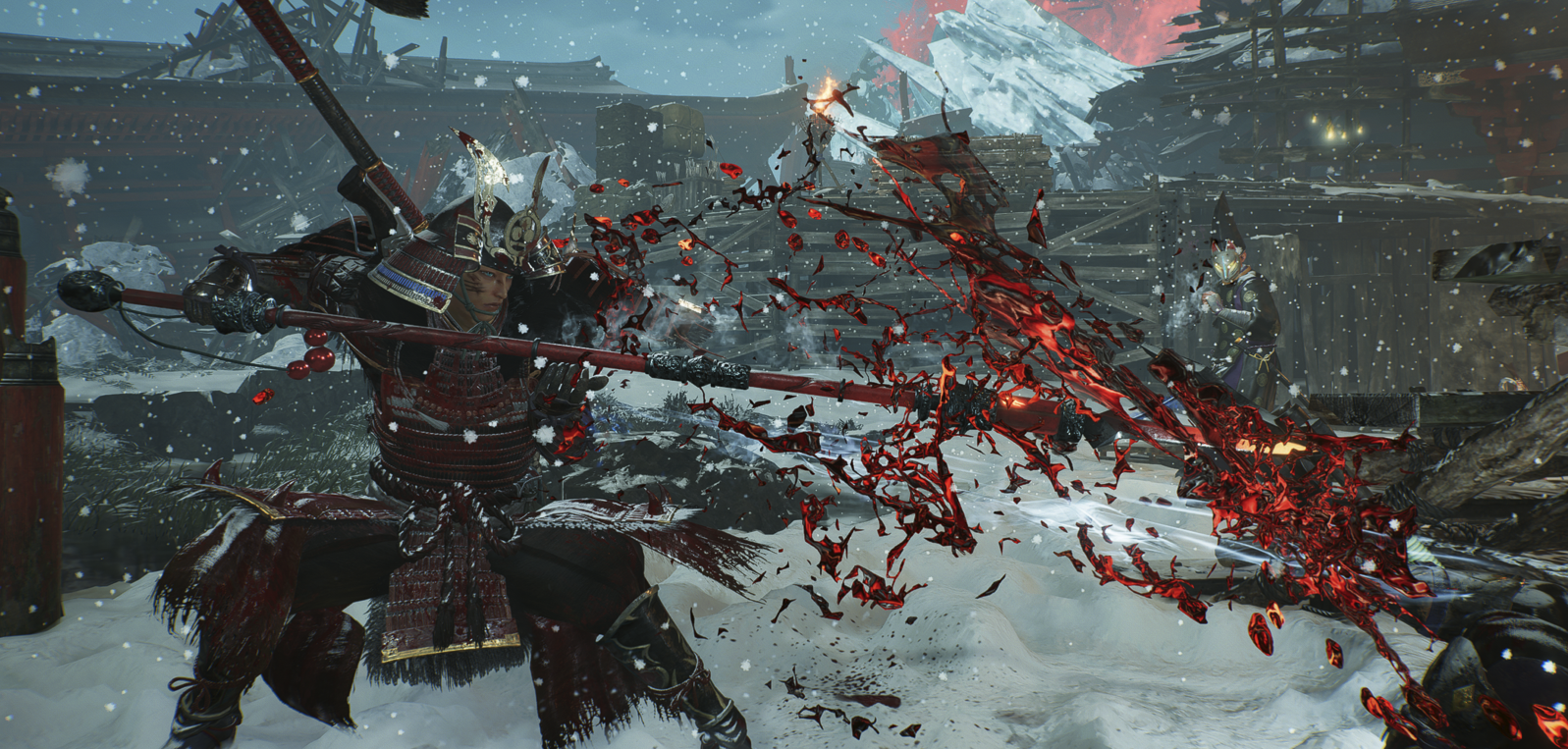
Nioh 3 throws out the letter-grade scaling system from Dark Souls and Elden Ring entirely. There are no A/B/C rankings stamped on your weapon telling you to just pump Strength. Instead, every weapon in the game operates on what Team Ninja calls Reference Stats — a three-stat dynamic scaling system that automatically adjusts to your highest attribute investment. It sounds complex. It is, slightly. But once you understand how it works, it becomes one of the most build-friendly systems in any Souls-adjacent game, because it's nearly impossible to permanently brick your character — and respec is free.

Nioh 3 throws out the letter-grade scaling system from Dark Souls and Elden Ring entirely. There are no A/B/C rankings stamped on your weapon telling you to just pump Strength. Instead, every weapon in the game operates on what Team Ninja calls Reference Stats — a three-stat dynamic scaling system that automatically adjusts to your highest attribute investment. It sounds complex. It is, slightly. But once you understand how it works, it becomes one of the most build-friendly systems in any Souls-adjacent game, because it's nearly impossible to permanently brick your character — and respec is free.
This guide covers every Samurai and Ninja weapon, its exact Reference Stats, recommended stat targets for each build phase, optimal cross-style weapon pairings, and the key mechanics that differentiate efficient builds from wasted level-ups. If you're here to find the fastest path to high damage with your preferred weapon, you're in the right place.
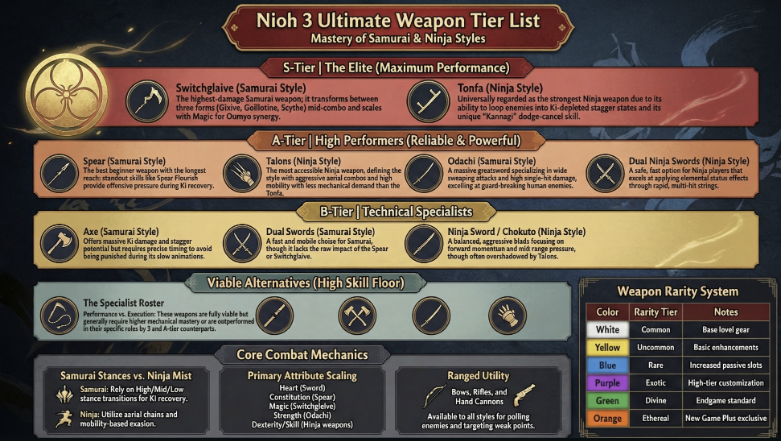
Before diving into individual weapons: if you haven't decided which weapon to commit to yet, our Nioh 3 Best Weapons Tier List ranks all 14 weapons S through B across both Samurai and Ninja styles with full combat breakdowns. The Tonfa in particular is the S-tier Ninja weapon with the deepest build ceiling — our dedicated Nioh 3 Tonfa Build Guide covers it from early game through Dream of the Nioh with full stat progressions and armor sets.
How Nioh 3 Weapon Scaling Works: Reference Stats Explained
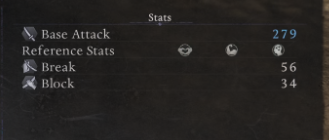
Every melee weapon in Nioh 3 has three Reference Stats listed on its equipment screen — found at the bottom of the description card, below special effects. These are the three attributes that contribute to the weapon's damage output. But the contribution is not equal, and it's not fixed.
The game scans your current stat distribution and ranks the three Reference Stats from highest to lowest. Whichever of the three you've invested most heavily in becomes the primary scaling stat and provides the largest damage bonus. The second-highest provides a moderate bonus. The lowest provides a minor bonus. The ordering changes dynamically — if you respec and redistribute points, the weapon's scaling priority shifts accordingly.
In practice, this means two things. First, you get meaningful damage from spreading points across all three Reference Stats, even if you're not maxing any single one. Second — and more importantly — the weapon will always scale primarily with whichever Reference Stat you've already invested the most points into, even if that wasn't the "intended" primary stat for that weapon type. This is how hybrid and cross-weapon builds function in Nioh 3: by choosing two weapons that share Reference Stats, you stack scaling benefits across both weapons from the same attribute investment.
The Seven Stats and What They Do
| Stat | Primary Effect | Secondary Benefits | Style Association |
|---|---|---|---|
| Heart | Max Ki pool size, Ki recovery speed | Bow damage, Ki Pulse window size | Samurai (Sword, Dual Swords) |
| Strength | Physical melee damage | Ki damage on heavy attacks, armor passives threshold | Samurai (Axe, Odachi, Cestus) |
| Constitution | Max HP, Ki damage output | Equipment load threshold for medium armor | Samurai + Ninja (Spear, Tonfa) |
| Skill | Arts Proficiency uptime, Ninjutsu power | Rifle damage, finesse weapon damage, Martial Arts effectiveness | Ninja (Kusarigama, Dual Ninja Swords, Splitstaff) |
| Magic | Onmyo Magic power and spell slots | Elemental talisman damage, debuff duration, Yin slot access | Samurai + Ninja (Switchglaive, Talons, Splitstaff) |
| Intellect | Ki recovery speed, buff/debuff duration | Ki regeneration when switching styles | Ninja (Ninja Sword, Dual Ninja Swords) |
| Stamina | Equipment load capacity | Hand Cannon damage, heavy armor threshold | Samurai (Odachi, Axe — heavy armor builds) |
A note on Skill specifically: it does double duty that makes it one of the most efficient damage stats in the game for certain builds. Skill increases Arts Proficiency uptime (the buff that enhances Martial Arts power), but it also directly scales weapons that list Skill as a Reference Stat. If you're using a Skill-scaling weapon like the Spear, Kusarigama, or Dual Ninja Swords, every point of Skill is simultaneously boosting your raw damage output AND your Martial Arts bonus multiplier — two scaling layers from one stat investment.
Samurai Weapons: Reference Stats & Stat Targets
Sword — Heart / Strength / Intellect
| Stat | Role | First Run Target | Endgame Target |
|---|---|---|---|
| Heart | Primary damage + Ki pool | 40 | 60 |
| Strength | Secondary damage | 25 | 35 |
| Intellect | Ki recovery + buff duration | 20 | 30 |
The Sword is the cleanest single-stat investment in the Samurai roster. Heart drives both raw damage and max Ki pool — the two things a Sword build needs most. High Heart means your Ki Pulse windows are wider, you can sustain longer combo strings in High Stance without stalling, and your Ki recovery between stance switches is faster. The Sword's Deflect-counter system rewards staying aggressive with a full Ki bar, making Heart the natural primary stat rather than a defensive investment. Build Heart to 40 first, then invest in Strength for raw hit damage before touching Intellect.
Best cross-style pairing: Dual Ninja Swords (shares Heart + Intellect) — both weapons scale from the same two primary stats, letting Heart investment boost both your Samurai Sword damage and Ninja side simultaneously.
Dual Swords — Heart / Strength / Skill
| Stat | Role | First Run Target | Endgame Target |
|---|---|---|---|
| Heart | Primary — Ki and damage | 40 | 55 |
| Skill | Arts Proficiency + damage | 30 | 40 |
| Strength | Physical damage floor | 20 | 30 |
Dual Swords thrive on Arts Proficiency uptime because most of their damage comes from extended combo strings — Heaven Flash and God of Wind are rapid-fire Martial Arts that benefit from both the Skill multiplier and the Arts Proficiency window. Prioritize Heart as primary, then Skill second for the double-dipping effect. The Dual Swords' counter-attack suite (Deflecting Cut, Windmill) works on the same timing as the Sword's Deflect system, so Heart investment carries directly across both weapon types if you're running a Sword secondary.
Best cross-style pairing: Ninja Sword (shares Heart + Intellect) or Dual Ninja Swords (shares Heart). Both let you build Heart as your universal Samurai/Ninja damage stat with no wasted points.
Spear — Constitution / Skill / Heart
| Stat | Role | First Run Target | Endgame Target |
|---|---|---|---|
| Constitution | Primary — damage + HP | 40 | 60 |
| Skill | Arts Proficiency + damage | 30 | 40 |
| Heart | Ki pool + tertiary damage | 20 | 30 |
The Spear is the most forgiving weapon in the Samurai roster for one specific reason: Constitution double-dips as both your damage stat and your survivability stat. Higher Constitution means higher damage output AND a bigger HP pool — you're not sacrificing defense for offense the way Strength-primary builds do. Beginners benefit enormously from this. Stack Constitution to 40-50 first. The Skill investment that follows feeds both Arts Proficiency effectiveness and secondary damage scaling, giving the Spear's basic combo chains more punch in the mid-game.
Best cross-style pairing: Tonfa (shares Constitution + Skill). This is the single most praised cross-style weapon pairing in the community. Nearly every stat point you spend improves both weapons simultaneously — Constitution boosts both Spear damage and Tonfa Ki damage, while Skill improves Spear's Martial Arts output and Tonfa's Ninjutsu power. The Spear handles safe ranged pressure on the Samurai side; the Tonfa delivers the Ki-breaking close-range Ninja pressure. They cover each other's weaknesses perfectly.
Axe — Strength / Stamina / Constitution
| Stat | Role | First Run Target | Endgame Target |
|---|---|---|---|
| Strength | Primary — raw physical damage | 50 | 70 |
| Stamina | Equipment load + secondary damage | 35 | 50 |
| Constitution | HP + tertiary damage | 25 | 35 |
The Axe is the purest high-risk, high-reward weapon in Nioh 3. It has the highest damage-per-swing ceiling of any Samurai weapon, and Strength is the most direct route to that ceiling. Stamina investment serves double duty here: it scales weapon damage modestly while also raising your equipment load threshold, which Axe builds need because the armor sets that amplify Axe damage (primarily heavy defensive sets with Toughness bonuses) are some of the heaviest in the game. The Axe is an A-tier weapon in our tier list rather than S-tier specifically because its recovery windows between swings are punishing — the stat investment requirement is also steep compared to more efficient weapons.
Best cross-style pairing: Kusarigama is a partial overlap (Strength appears in some Kusarigama builds), though the Axe's Strength + Stamina focus doesn't align cleanly with most Ninja weapons. Axe players who want a functional Ninja side are better served by picking a Ninja weapon with Constitution as a Reference Stat and investing enough Constitution to activate tertiary scaling on the Axe as well.
Odachi — Strength / Stamina / Magic
| Stat | Role | First Run Target | Endgame Target |
|---|---|---|---|
| Strength | Primary — burst damage per swing | 45 | 65 |
| Stamina | Equipment load + physical bulk | 35 | 45 |
| Magic | Elemental talisman access + tertiary damage | 20 | 30 |
The Odachi's Magic Reference Stat makes it unique among heavy Samurai weapons — you can meaningfully integrate Onmyo Talismans into an otherwise pure-Strength build without wasting levels. Even 20-25 Magic is enough to access Lightning and Fire Talismans that add elemental pressure to the Odachi's already-punishing sweep attacks. In the endgame, the Grace of Kagutsuchi (fire-element set) pairs exceptionally well with Odachi because the wide arc attacks hit multiple times, rapidly building the Scorched debuff. Strength remains the primary investment; Magic is the efficient tertiary that opens options other heavy weapons don't have.
Best cross-style pairing: Splitstaff (shares Strength + Magic). The Odachi delivers high-single-hit burst at range; the Splitstaff provides sustained multi-hit pressure with the same stat base. Both weapons benefit from even modest Magic investment, making 20-25 Magic a meaningful contribution to both sides of your loadout rather than a dead stat.
Cestus — Strength / Constitution / Skill
| Stat | Role | First Run Target | Endgame Target |
|---|---|---|---|
| Strength | Primary — raw punch damage | 40 | 60 |
| Constitution | HP + Ki damage on combos | 30 | 45 |
| Skill | Arts Proficiency + Ninjutsu power | 20 | 30 |
The Cestus is the Samurai's closest equivalent to the Tonfa — a short-range, high-speed fist weapon that functions as a Ki destroyer in the Samurai style. Strength drives the raw damage, but Constitution's Ki damage bonus interacts directly with how Cestus combos work: rapid multi-hit strikes drain enemy Ki bars faster with higher Constitution, opening grapple windows that trigger the Cestus's signature high-damage finishers (the Stomp combo and Pulverize). It's a B-tier weapon in the current meta largely because it occupies the same aggressive close-range role as the Switchglaive but without the latter's stance-morphing damage ceiling.
Best cross-style pairing: Tonfa (shares Constitution + Skill). Both weapons benefit from Constitution's Ki damage bonus, and both play at close range — Cestus for Samurai grapple combos, Tonfa for Ninja Ki destruction chains. If you're committed to a pressuring close-range playstyle across both styles, this is a cohesive pairing.
Switchglaive — Intellect / Magic / Skill
| Stat | Role | First Run Target | Endgame Target |
|---|---|---|---|
| Intellect | Primary — Ki recovery + scaling | 40 | 55 |
| Magic | Onmyo power + elemental damage | 35 | 50–60 |
| Skill | Arts Proficiency + tertiary damage | 20 | 30 |
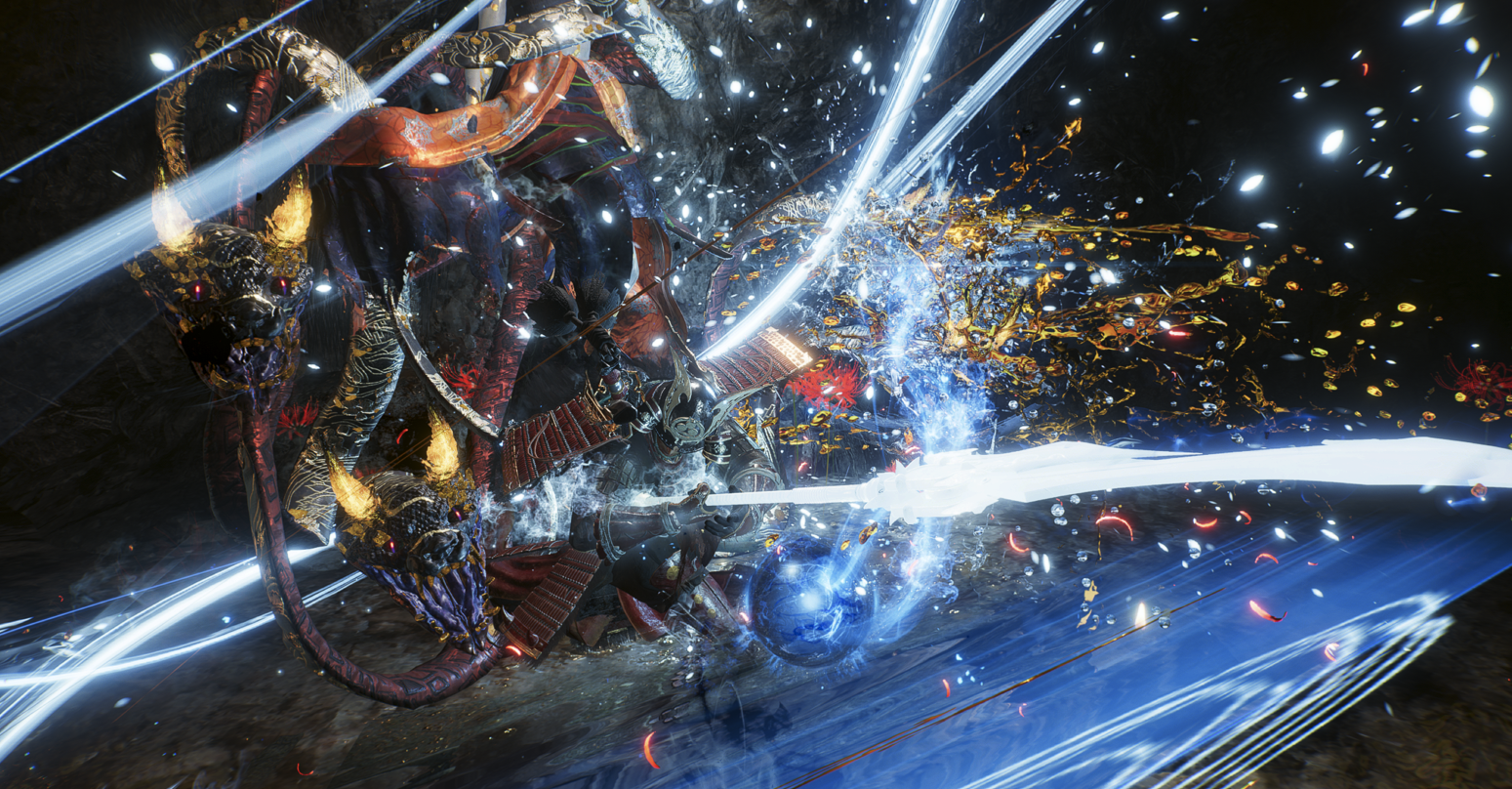
The Switchglaive has the most unusual Reference Stat profile in the entire game — it's the only Samurai weapon that doesn't list Strength or Constitution as primary stats, and instead anchors around Intellect and Magic. This reflects how the weapon actually works: its damage ceiling isn't tied to raw physical power but to stance-morphing, Onmyo Magic integration, and Ki recovery loops. Higher Magic opens access to more Onmyo Talisman slots (Yin slots) and increases spell damage from buffs like Elemental Imbuement — critical for the Confusion loop build (applying Fire + Lightning simultaneously for increased damage taken). Higher Intellect shortens the Ki recovery window when switching between High, Mid, and Low stance forms, which is where most of the Switchglaive's damage comes from.
For a full breakdown of the Switchglaive's stat progression from early game through the endgame Confusion build, see our Nioh 3 Switchglaive Build Guide.
Best cross-style pairing: Splitstaff (shares Magic + Skill) or Kusarigama (shares Skill + partial overlap). The Splitstaff is the cleanest option: both weapons lean on Magic for elemental integration and Skill for Arts Proficiency, letting you build a cohesive Onmyo-adjacent hybrid that delivers magic-enhanced pressure from both sides of the style switch.
Ninja Weapons: Reference Stats & Stat Targets
Tonfa — Constitution / Strength / Skill
| Stat | Role | First Run Target | Endgame Target |
|---|---|---|---|
| Constitution | Primary — Ki damage output + HP | 40 | 60 |
| Strength | Secondary — raw hit damage | 30 | 40 |
| Skill | Ninjutsu power + Arts Proficiency | 20 | 30 |
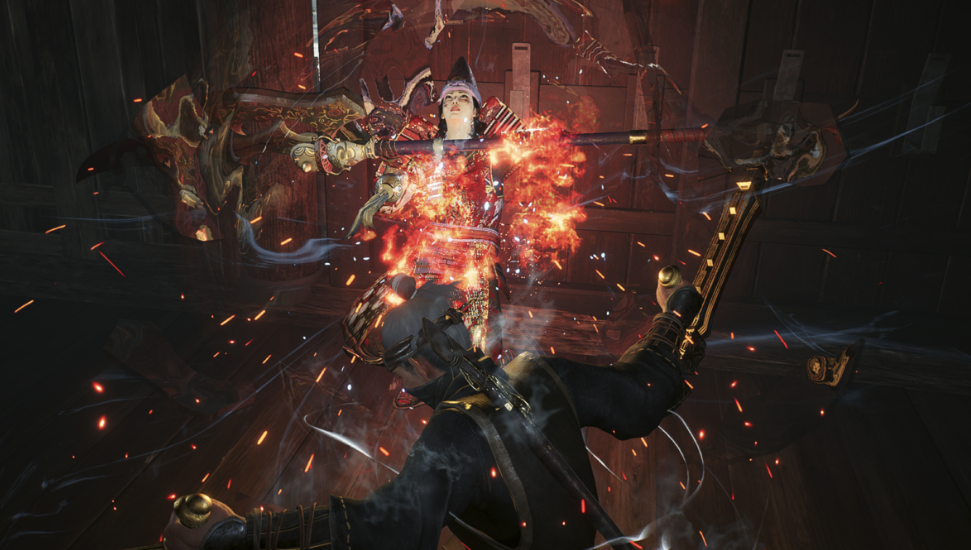
The Tonfa is the S-tier Ninja weapon and the best Ki-destruction tool in the game — Tonfas deal more Ki damage per hit than any other Ninja weapon, and Constitution is the stat that directly scales that Ki damage output. This is what makes the Tonfa's scaling profile distinct from most Ninja weapons: Constitution is typically thought of as a survivability stat, but for the Tonfa it is simultaneously your damage stat and your HP stat. You are not trading offense for defense by building Constitution — every point is doing double work.
The Ki-Destruction build (Constitution 40, Strength 35) focuses on demolishing enemy Ki bars and then capitalizing on the Winded state with Martial Arts combos. The Elemental Status build (Constitution 40, Skill 30, Magic 25) leverages the Tonfa's multi-hit attack speed to stack Water Saturation and Lightning Electrified debuffs almost instantly — the White Bone Spirit Tonfa's fixed Imbue Water effect is the key crafting target for this path. Both builds are covered in full in our Nioh 3 Tonfa Build Guide.
Best cross-style pairing: Spear (shares Constitution + Skill) — as discussed in the Spear section above, this is universally considered the strongest cross-style pairing in Nioh 3. Every Constitution point boosts both Spear damage and Tonfa Ki damage. Every Skill point boosts both Spear's Martial Arts effectiveness and Tonfa's Ninjutsu power. It is as close to perfectly efficient stat investment as the game offers.
Talons — Skill / Magic / Constitution
| Stat | Role | First Run Target | Endgame Target |
|---|---|---|---|
| Skill | Primary — aerial combo damage + Ninjutsu | 45 | 60 |
| Magic | Elemental tool access + secondary damage | 30 | 40 |
| Constitution | HP + tertiary Ki damage | 20 | 30 |
Talons are the fastest weapon in Nioh 3 — the hit speed is second to none, and the aerial combo system (Footstool Jump → chain aerial strikes from above) creates moments where enemies simply cannot retaliate. Skill is the primary stat because it feeds both raw damage and Arts Proficiency, and the Talons' key Martial Art (Izuna Drop, a powerful aerial grapple finish) benefits heavily from high Arts uptime. Magic investment unlocks elemental Talismans and opens Yin slots for Onmyo integration, which amplifies the Talons' already rapid status-effect buildup. The Nekomata Guardian Spirit (aerial attack speed bonus) interacts directly with Skill investment — every point of Skill makes the air phase faster and harder for enemies to escape.
Best cross-style pairing: Switchglaive (shares Magic + Skill) — both weapons have the same two primary scaling stats, making the Switchglaive + Talons the premier magic-hybrid build pairing. The Switchglaive handles elemental Ki pressure in Samurai stance; the Talons deliver aerial burst damage on the Ninja side.
Kusarigama — Skill / Constitution / Magic
| Stat | Role | First Run Target | Endgame Target |
|---|---|---|---|
| Skill | Primary — damage + Ninjutsu + Arts Proficiency | 45 | 65 |
| Constitution | HP + Ki damage | 30 | 40 |
| Magic | Elemental talisman access | 20 | 30 |
The Kusarigama is widely cited as the highest DPS weapon in the game at optimal play — the Ninjutsu Kusarigama build (heavy Skill investment plus elemental Ninjutsu stacking) produces damage numbers that beat everything else in the roster on bosses. This is because Skill does triple duty for the Kusarigama: it scales weapon damage directly, it scales Ninjutsu power (amplifying the shuriken and poison tool throws that are core to the Kusarigama's chain-hook setup), and it increases Arts Proficiency effectiveness. The chain-hook mechanic that pulls enemies into combo range is unique to this weapon and synergizes with high-Skill builds because better Ninjutsu power means faster status application via Kusarigama throws after landing the hook.
Best cross-style pairing: Spear (shares Constitution + Skill). The same stat efficiency logic as Spear + Tonfa — Constitution boosts both weapons' damage and HP simultaneously, Skill boosts both Spear Martial Arts and Kusarigama Ninjutsu power.
Dual Ninja Swords — Skill / Intellect / Heart
| Stat | Role | First Run Target | Endgame Target |
|---|---|---|---|
| Skill | Primary — damage + Ninjutsu effectiveness | 45 | 60 |
| Intellect | Ki recovery on style switch | 30 | 40 |
| Heart | Ki pool size + tertiary damage | 20 | 30 |
Dual Ninja Swords share two Reference Stats with the Samurai Sword (Heart + Intellect) and Samurai Dual Swords (Heart), making them the most natural Ninja counterpart for Sword-primary Samurai players. The style switch from Samurai Sword to Dual Ninja Swords feels mechanically seamless because both weapons reward fast combos, deflect-counter timing, and maintaining Ki pressure rather than waiting for big-hit openings. Intellect's Ki recovery on style-switch benefit is most valuable precisely in this weapon combination — switching from Samurai mid-combo to Dual Ninja Swords and back generates Ki recovery moments that keep both weapons' combo strings going without stalling.
Best cross-style pairing: Sword (shares Heart + Intellect) or Samurai Dual Swords (shares Heart). Both are S-tier options for a Heart-primary build that wants seamless style switching.
Ninja Sword — Heart / Skill / Magic
| Stat | Role | First Run Target | Endgame Target |
|---|---|---|---|
| Heart | Primary — damage + Ki pool | 40 | 55 |
| Skill | Ninjutsu power + secondary damage | 30 | 40 |
| Magic | Elemental access + Yin slots | 20 | 25 |
The Ninja Sword is the beginner-friendly Ninja weapon — it plays closest to the Samurai Sword in terms of rhythm, making it a natural entry point for players who've been defaulting to Samurai style. Its stat profile is one of the most generous in the roster: Heart investment simultaneously builds the Ninja Sword's damage and the Samurai Sword's damage if you're running both, while Skill covers Ninjutsu support. The Izuna Drop grapple off enemy heads is the Ninja Sword's standout Martial Art — it requires committing to aggressive close-range positioning, and higher Heart means more Ki to maintain that positioning through longer combo chains.
Best cross-style pairing: Sword or Dual Swords (both share Heart). The cleanest same-stat build in the game — Heart maxing benefits all three weapons simultaneously if you run Sword + Ninja Sword as your primary combination.
Splitstaff — Magic / Strength / Skill
| Stat | Role | First Run Target | Endgame Target |
|---|---|---|---|
| Magic | Primary — elemental damage + Onmyo power | 40 | 55 |
| Strength | Physical damage on polearm mode | 25 | 35 |
| Skill | Ninjutsu power + Arts Proficiency | 20 | 30 |
The Splitstaff is unique as the only Ninja weapon that functions as both a polearm (standard staff attacks) and a multi-hit whip (the Fluid Form ability splits it into nunchaku that strike in wider arcs). Magic is the primary scaling stat because the Splitstaff's damage ceiling lives in its elemental integration — specifically Water Saturation buildup, where the multi-hit whip phase applies Water accumulation rapidly enough to proc the Saturated debuff multiple times per fight. Magic investment opens Yin slots for Onmyo Talismans that maintain elemental imbuement during extended fights. The Splitstaff is an A-tier weapon, not quite reaching S-tier because Talons and Kusarigama both deliver higher damage ceilings at equivalent skill levels.
Best cross-style pairing: Odachi (shares Strength + Magic) or Switchglaive (shares Magic + Skill). Odachi + Splitstaff is an A-tier pairing for players who want heavy burst damage on the Samurai side and sustained elemental pressure on the Ninja side using the same stat base.
Hatchets — Skill / Constitution / Intellect
| Stat | Role | First Run Target | Endgame Target |
|---|---|---|---|
| Skill | Primary — damage + throwing effectiveness | 40 | 55 |
| Constitution | HP + Ki damage | 25 | 35 |
| Intellect | Buff duration + Ki recovery | 20 | 25 |
Hatchets occupy a B-tier position not because they're bad but because their unique strength — charged throws that apply Shock status from mid-range — doesn't translate as efficiently into boss damage as Tonfa, Talons, or Kusarigama can deliver at equivalent stat investment. Their playstyle is the most distinct of any Ninja weapon: you cycle between melee dashes and charged throws rather than staying in sustained close range. Skill is the natural primary because it boosts both the throwing Ninjutsu power and the melee Arts Proficiency for close-range follow-ups. Players who have mastered the mid-range cycling rhythm report the Hatchets performing far above their tier ranking — the B-tier placement reflects their steeper learning curve relative to other options.
Best cross-style pairing: Spear (shares Constitution + Skill) — the same logic as most Constitution/Skill weapons. The Spear's safe range advantages on the Samurai side complement the Hatchets' mid-range Ninja side naturally.
Master Cross-Style Weapon Pairing Reference
When choosing your Samurai + Ninja weapon combination, the goal is maximum stat overlap. Two shared Reference Stats means every point you invest in those stats benefits both weapons — effectively doubling the efficiency of your level-ups.
| Samurai Weapon | Best Ninja Pairing | Shared Stats | Build Identity |
|---|---|---|---|
| Spear | Tonfa | Constitution + Skill | Most efficient pairing in the game. Defensive range + Ninja Ki destruction. Beginner-friendly. |
| Spear | Kusarigama | Constitution + Skill | Safe range + highest DPS Ninja weapon. Endgame powerhouse. |
| Sword | Dual Ninja Swords | Heart + Intellect | Cleanest same-feel playstyle across both styles. |
| Switchglaive | Talons | Magic + Skill | Premier Onmyo-hybrid build. Highest late-game damage potential. |
| Odachi | Splitstaff | Strength + Magic | Burst melee + sustained elemental. Divergent playstyles, shared stat base. |
| Cestus | Tonfa | Constitution + Skill | Full Ki destruction on both styles. Most aggressive playstyle in the game. |
| Dual Swords | Ninja Sword | Heart + Skill | Fast combo style unified across both styles. |
| Axe | Kusarigama | Strength (partial) | Weakest overlap — best mitigated by building Constitution as a shared tertiary. |
Stat Investment Guidelines: First Run, NG+, and Endgame
The Reference Stat system doesn't enforce hard breakpoints the way Elden Ring does (where hitting a specific Strength threshold unlocks two-handing or a new AR scaling tier). Nioh 3's scaling is continuous — every point adds damage, but the marginal return diminishes as you push into the 50-70+ range. General guidance by game phase:
First Run (Dream of the Samurai): Get your primary Reference Stat to 40. Get your secondary to 25-30. Don't touch your tertiary yet beyond incidental investment from armor equipment requirements. At this stage, Martial Arts unlock and proficiency development matters more than squeezing marginal damage from high stat values.
NG+ (Dream of the Strong): Push primary to 50-55. Secondary to 35-40. Begin investing tertiary to 20-25 to activate armor set passive bonuses that require stat minimums. Many Grace set bonuses activate at specific stat thresholds — check your armor's passive descriptions.
Endgame (Dream of the Nioh and beyond): Push primary to 60-70. Secondary to 45-50. You can begin investing across all three Reference Stats meaningfully at this stage. In the late endgame, the gap between a 60-primary and a 99-primary is real but smaller than it looks — at this level, Guardian Spirit affixes, Soul Core bonuses, armor Grace set effects, and +value weapon remodeling contribute more to your damage ceiling than raw stat points.
One final note on respeccing: use the Book of Reincarnation at any Shrine freely. The stat system is explicitly designed to encourage experimentation. The game gives you your first respec very early in the Warring States era, and additional Books drop regularly from enemies and mission rewards in NG+. If you've been building wrong for your weapon — or you want to switch weapons entirely — don't hesitate. Nioh 3 rewards players who understand their weapon deeply over players who simply followed a level-up checklist from the start.
Nioh 3 Builds Guide
- Nioh 3 Best Weapons Tier List — Full S-through-B rankings for all 14 weapons with combat breakdowns. Use this to decide which weapon is worth your stat investment before committing.
- Nioh 3 Tonfa Build Guide — The S-tier Ninja weapon, fully built out. Two complete build paths (Ki-Destruction and Elemental Status), armor progressions, Guardian Spirits, and Soul Core recommendations from Act 1 through Dream of the Nioh.
- Nioh 3 Review — Metacritic 86, OpenCritic 88. Full verdict on whether the full game justifies the investment beyond the demo.
- Nioh 3 Character Creation Codes — All working PS5 and PC codes if you're still perfecting your character's look before diving deep into the build grind.
Câu hỏi thường gặp về Nioh 3
- Ngày phát hành Nioh 3 là khi nào?
- Nioh 3 dự kiến phát hành vào ngày 6/2/2026.
- Nioh 3 chơi được trên nền tảng nào?
- Nioh 3 hỗ trợ: PC (Microsoft Windows), PlayStation 5.
- Nioh 3 thuộc thể loại gì?
- Nioh 3 thuộc thể loại: Role-playing (RPG), Hack and slash/Beat 'em up, Adventure.
- Có trailer chính thức của Nioh 3 không?
- Có. Bạn có thể xem trailer của Nioh 3 ngay trên trang này ở phần video.
Khám phá thêm
Nioh 3 Tonfa Build Guide: Best Endgame Setup for Dream of the Nioh
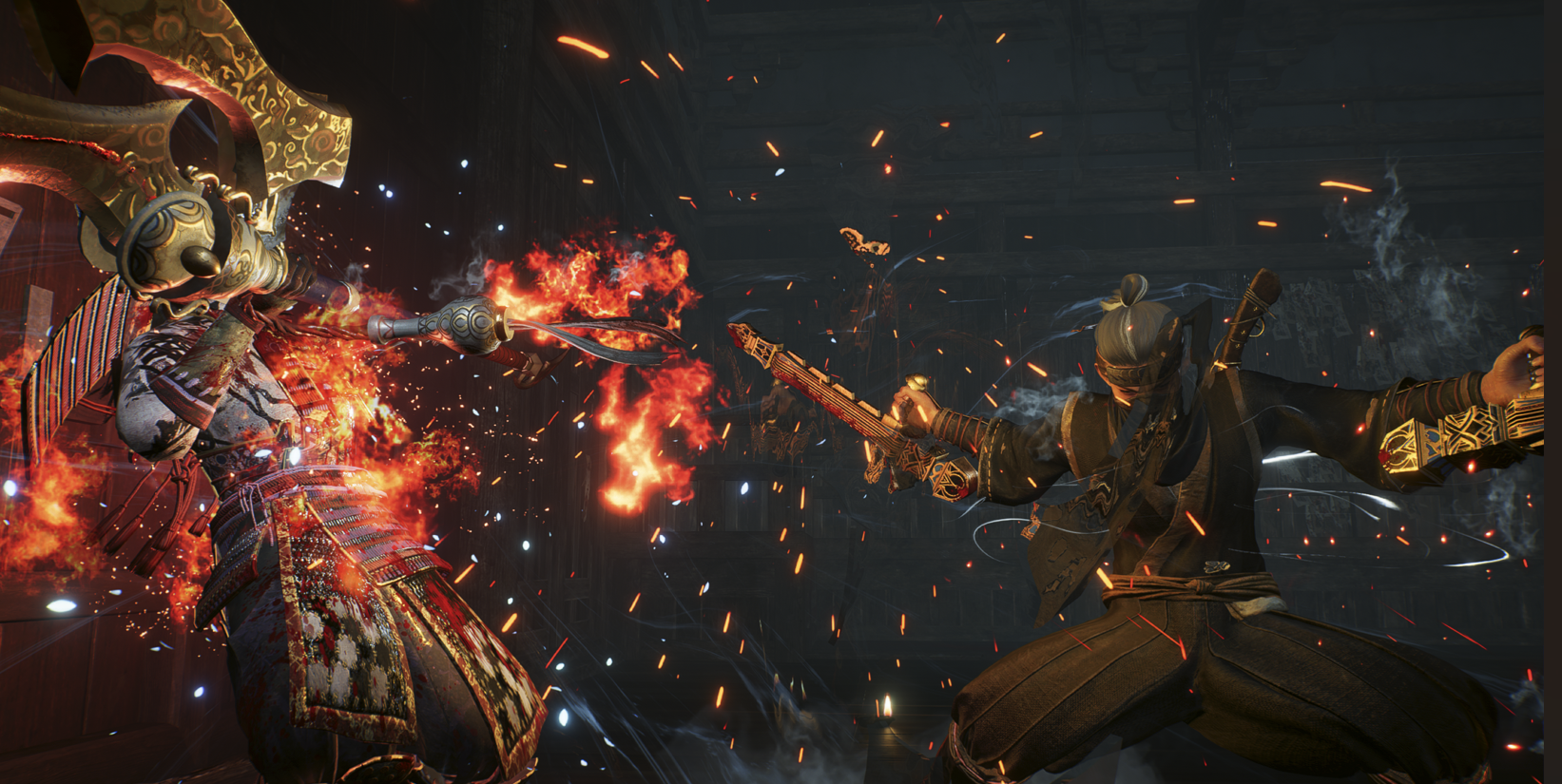
The Tonfa is Nioh 3's highest Ki-damage Ninja weapon — a blunt, fast, relentless close-range weapon that wins by draining enemy stamina bars faster than they can recover, forcing Winded states, and capitalising on those vulnerability windows with finishing moves that deal disproportionate burst damage. In the base game, a halfway-decent Tonfa setup will stagger-lock most enemies before they can threaten you. In Dream of the Nioh — where enemy health pools triple, their damage can one-shot you, and your basic combat tools stop being enough — the Tonfa build stops being about hitting hard and starts being about engineering a system.
Nioh 3 Best Samurai Weapons: Top Picks for Every Samurai Build
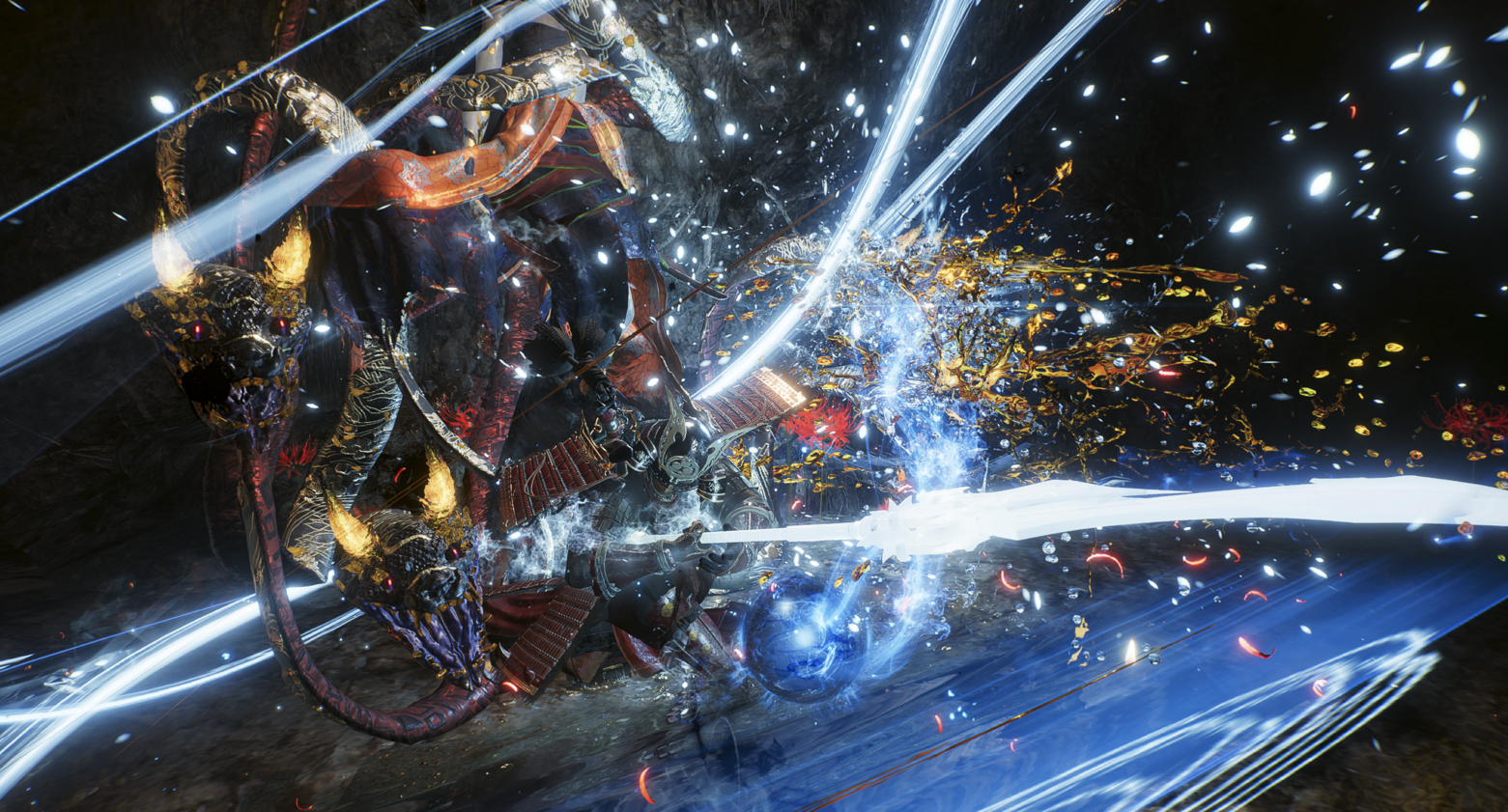
This guide ranks all seven Samurai weapons, breaks down what each one actually rewards in combat, identifies the best Martial Arts for each, and matches each weapon to the build identity where it performs best. If you're deciding which Samurai weapon to commit to — or you've been struggling with your current pick and want to know why — this is the reference you need.
Nioh 3 Character Creation Guide: Best Character Codes, Sliders & Tips (PS5 & PC)
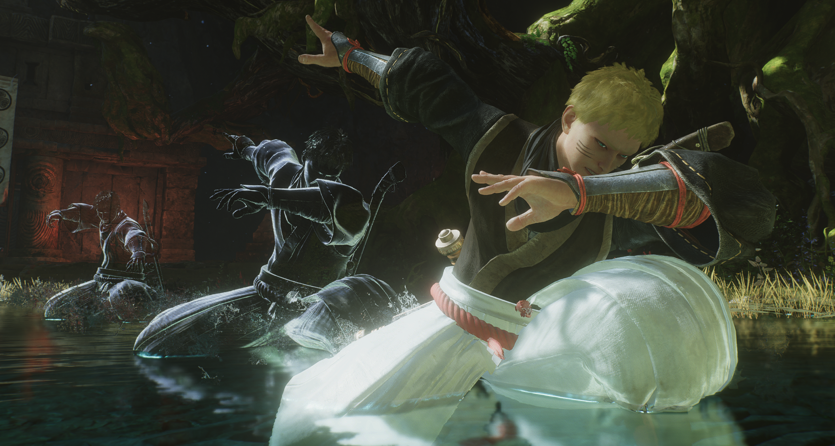
Before a single Yokai dies, before you settle on your first weapon, before you even decide whether you're building Samurai or Ninja — you'll be staring at the Nioh 3 character creation screen deciding what your warrior actually looks like. And given that Team Ninja has built one of the most detailed character customization systems in the Souls-like genre, that time investment is entirely justified. Whether you want to craft an original face from scratch or import one of the community's best Nioh 3 character codes to get straight into the action, this guide covers everything: every menu, all the working codes for both PS5 and PC, and tips for getting the most out of the system.
Nioh 3 Tonfa Build Guide: Best Stats, Skills, Armor, and Combos
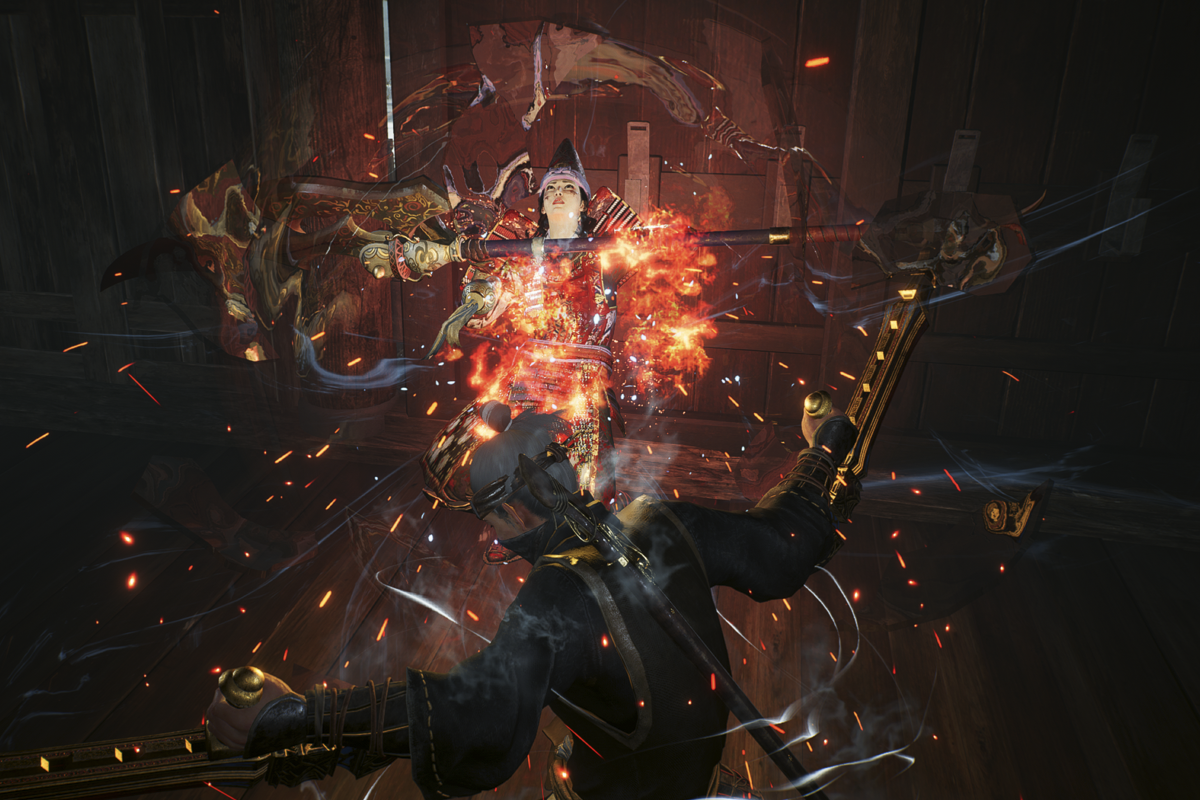
The Tonfa is the best Ninja weapon in Nioh 3, and it isn't particularly close. No other weapon in the entire game — Samurai or Ninja — drains enemy Ki as fast, chains into sustained multi-hit combos as efficiently, or punishes a staggered boss with the same relentless pressure. It holds the top spot in our Nioh 3 weapon tier list, sits at the core of countless endgame builds, and earns its S-tier position in every credible Nioh 3 best weapons ranking for a reason that becomes obvious the moment the build clicks: when an enemy's Ki bar hits zero and they collapse into a grapple window, the Tonfa put them there in roughly half the time any other weapon would have.