
Terraria Housing Guide: NPC Requirements, Design Ideas, and Functional Base Building
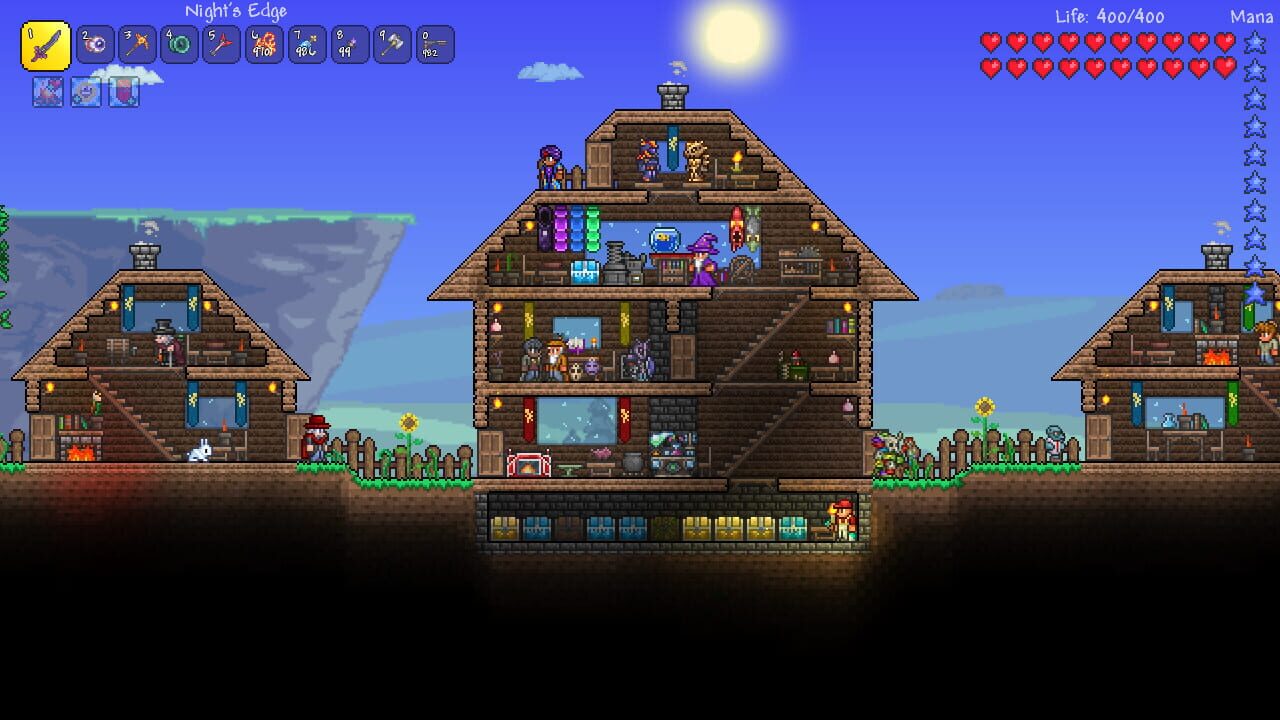
Learn how to build valid houses in Terraria, maximize NPC happiness for pylon discounts, and design a functional base that scales with your progression. Covers requirements, design ideas, and building tips.

Terraria Housing Guide: NPC Requirements, Design Ideas, and Functional Base Building
Building houses in Terraria isn't just about slapping some walls together and calling it a day. Your NPCs have actual standards, and if you want them to move in—and more importantly, to stay happy and sell you those crucial pylons—you need to understand the mechanics. This guide covers everything from the bare minimum requirements to designing a functional base that scales with your progression.
What Makes a Valid House in Terraria
Before you worry about aesthetics or NPC happiness, your structure needs to actually qualify as a house. The game has strict criteria, and the Housing Query tool (the ? icon) is your friend for checking. Let's break down the non-negotiables.
A valid house in Terraria requires a minimum interior size of 60 tiles. The standard recommendation is 10 blocks wide by 6 blocks tall—that's 60 tiles total, including the frame. When in doubt, build 12 × 7 and you'll never fail the size check. The interior must be fully enclosed with player-placed background walls. This is crucial: natural dirt or stone walls from world generation don't count. You need to place walls yourself, even if it seems redundant.
Inside that space, you need exactly four things:
- A light source: Torch, candle, lantern, or any light-emitting furniture. Platforms and foreground blocks don't count.
- A flat surface item: Workbench, table, dresser, or bookcase. This is where NPCs theoretically put their stuff.
- A comfort item: Chair, bench, bed, or toilet. Don't confuse this with the flat surface—you need both.
- A valid entrance: A door, trap door, or a 1-block-wide gap of platforms. The NPC must physically be able to enter.
A common mistake: placing only a workbench and assuming it covers both the flat surface and comfort requirements. It doesn't. You need a workbench for the flat surface, then a separ
Essential Terraria Building Tips for NPC Housing
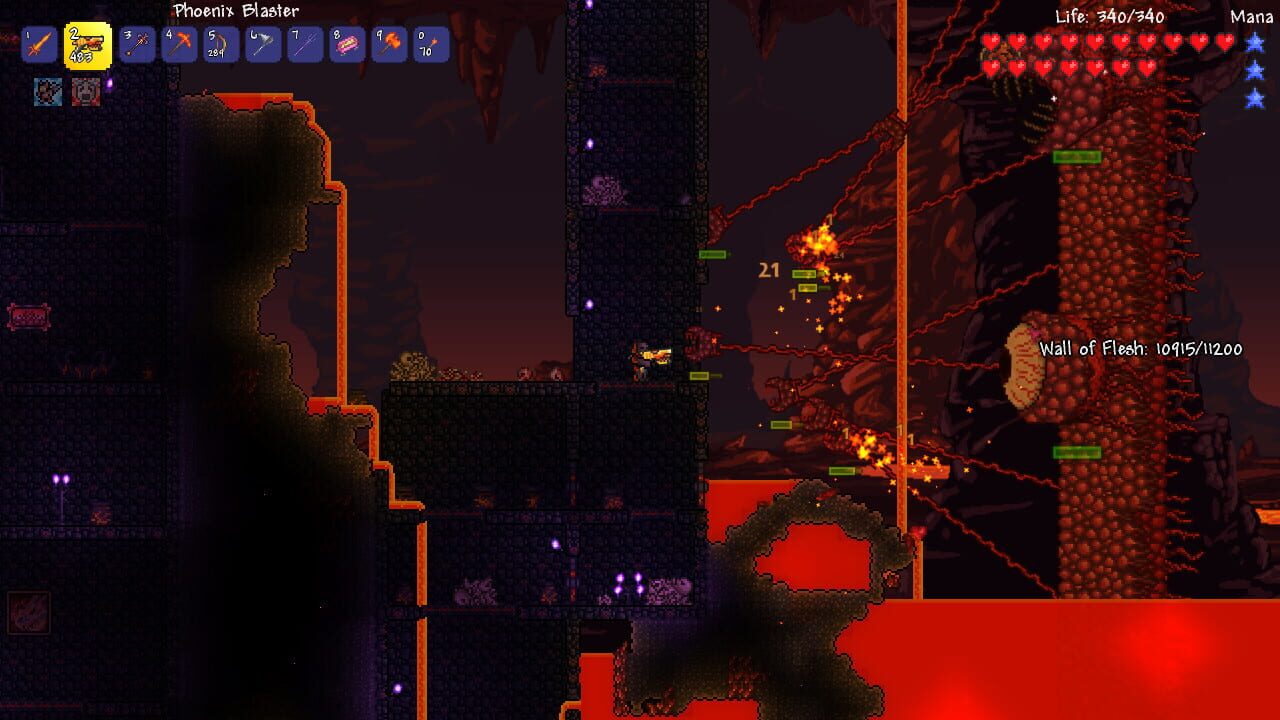
Now that you know the bare minimum, let's talk about building smart. Most players make the same mistakes, and terraria building tips often boil down to spacing and organization.
The biggest mistake? Cramming all your NPCs into one area. More than 3 NPCs within 25 tiles of each other triggers overcrowding penalties—and this stacks. Five NPCs packed together? They'll all get unhappy, prices go up, and you won't get pylon discounts. Instead, limit each cluster to 2-3 NPCs and space clusters at least 25 tiles apart. This is the single most impactful decision you can make for NPC happiness.
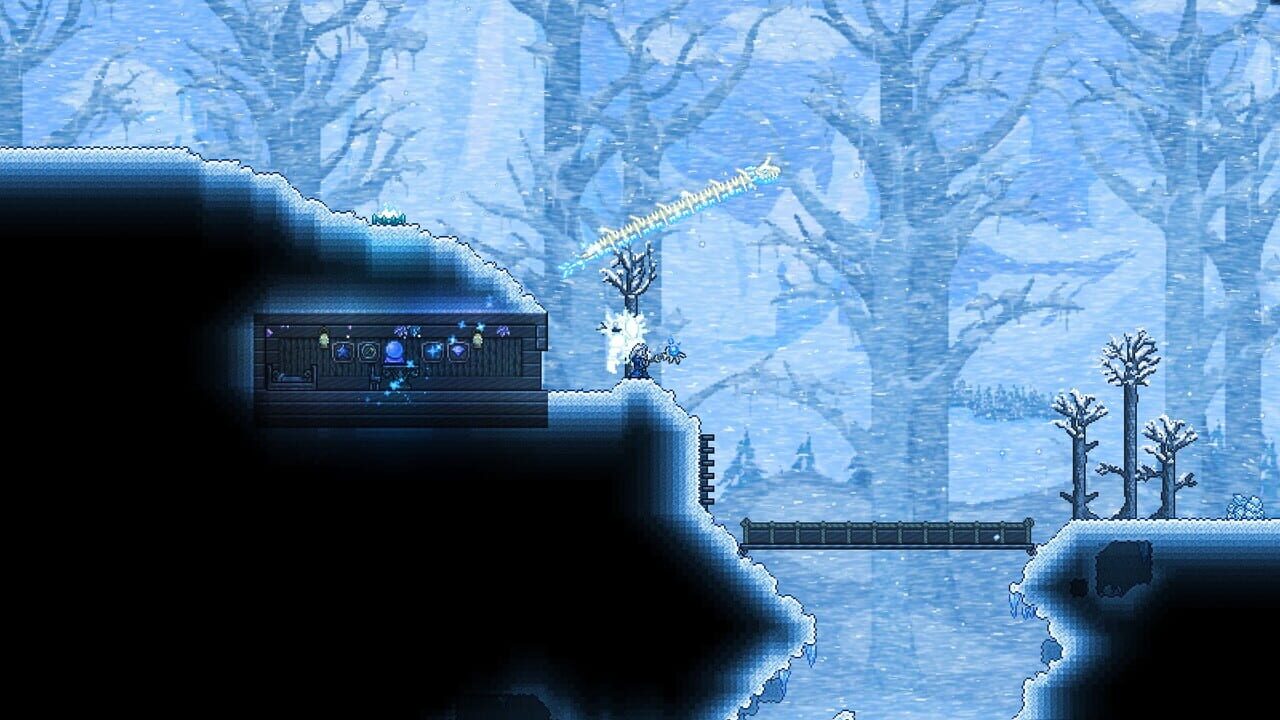
The second priority is biome placement. Each NPC has a preferred biome—the Mechanic loves Snow, the Arms Dealer prefers Desert, the Dryad wants Jungle. Placing an NPC in their preferred biome gives a direct price reduction, up to 12% discount. This is the largest single happiness factor. Combine biome preference with neighbor pairings (NPCs who like each other), and you're looking at serious savings.
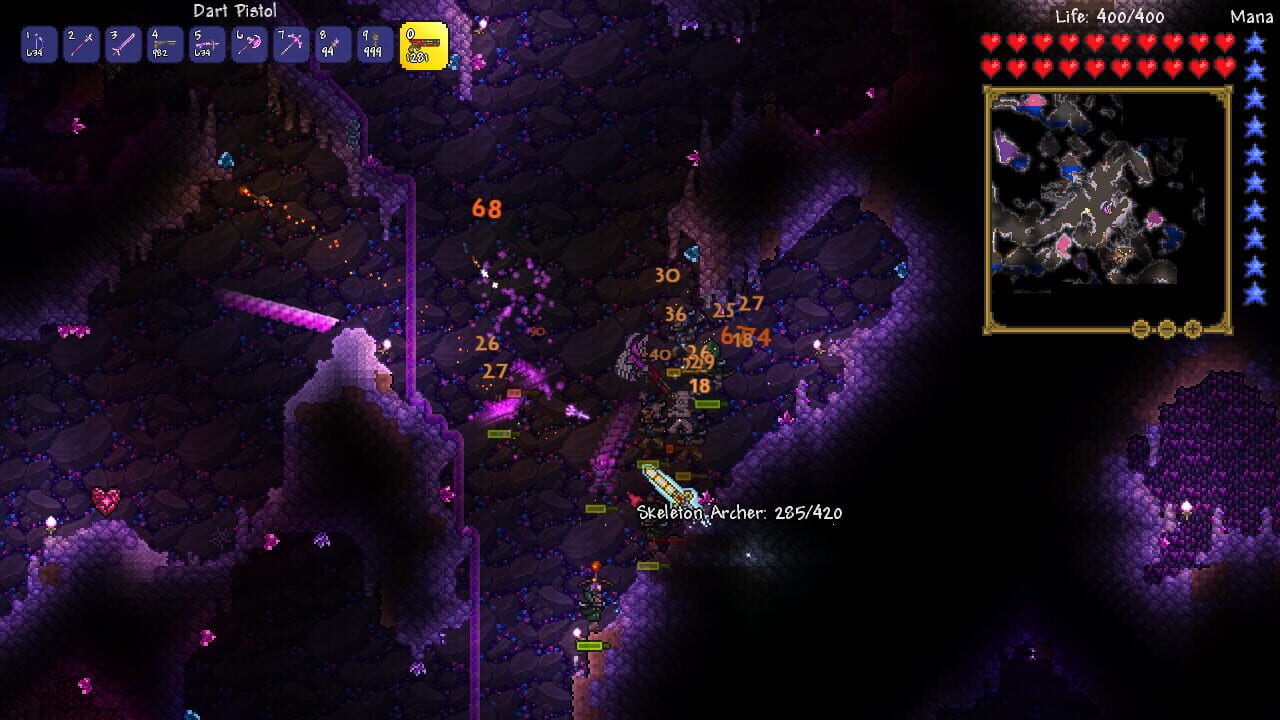
Evil biome blocks (Corruption, Crimson, or Dungeon tiles) within 45 tiles of your housing will make NPCs refuse to move in. The area counts as "unsafe." Use Sunflowers (pre-Hardmode) or the Clentaminator to purify problem areas. This matters more than you'd think—many players build in caves without realizing they're too close to underground evil biomes
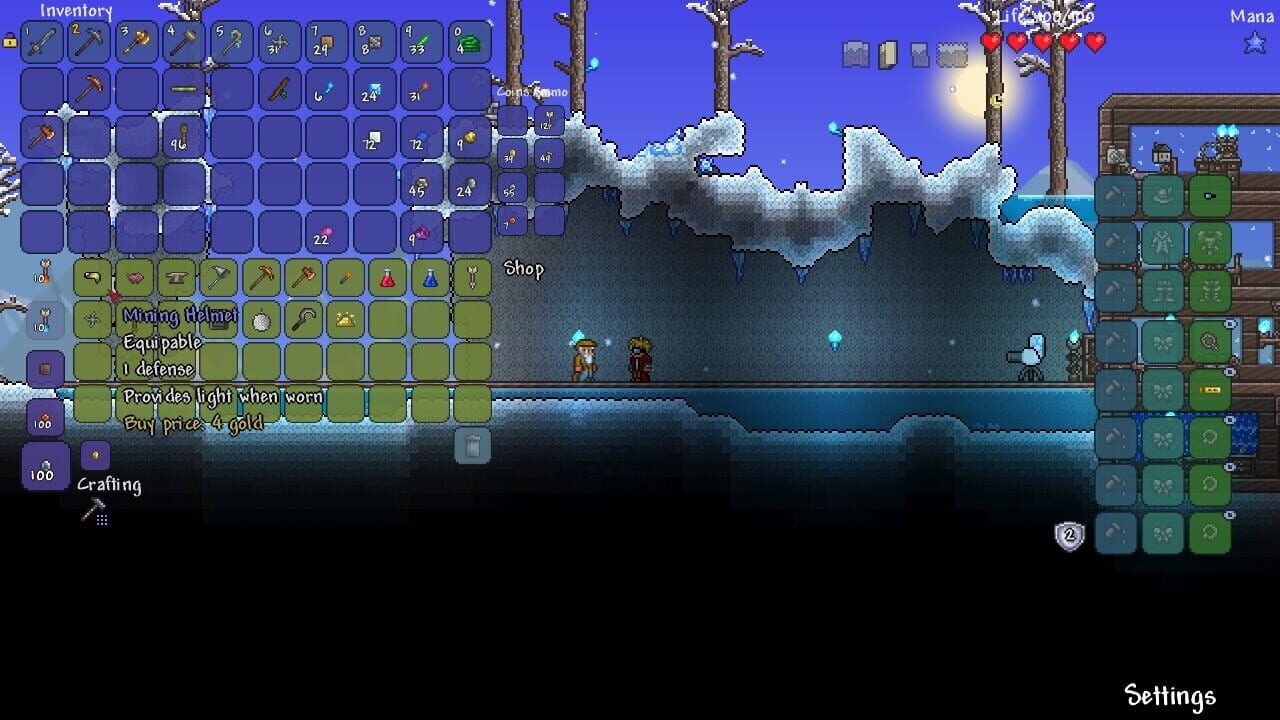
Terraria House Tips: Layout and Organization
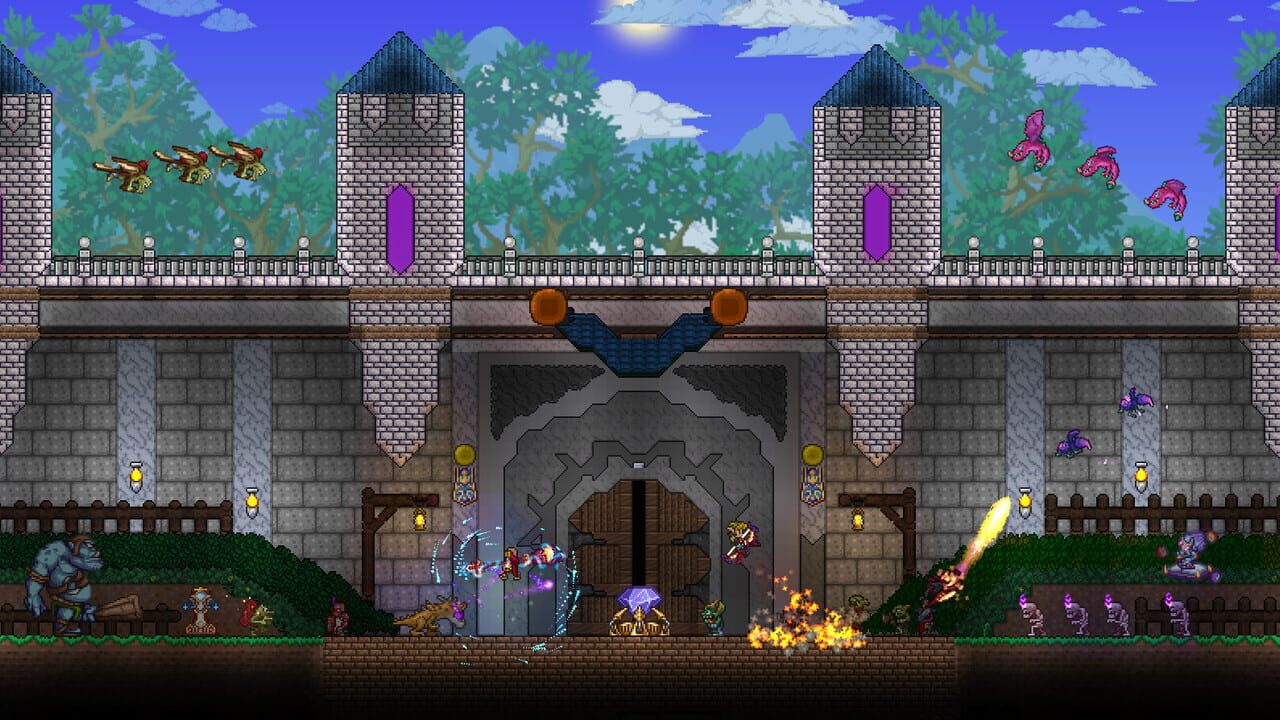
Functional base design starts with dividing your space into zones. A well-organized base reduces backtracking, speeds up crafting cycles, and makes boss prep less chaotic.
Terraria house tips from experienced builders emphasize three core zones: living quarters (where NPCs go), a crafting hub (furnaces, anvils, workbenches), and storage (labeled chests). Position the crafting hub near your main entrance—you want to be able to whip up items or repairs without running across your entire base. Keep NPC housing within sight of the living zone but separate enough to avoid overcrowding penalties.
Start compact. A 6 × 8 footprint is plenty for early-game. Build repeatable modules—commonly 6 × 10 or 7 × 9 blocks—so each room automatically meets the 60-tile requirement. Use platforms instead of doors for NPC housing. Platforms work as valid entrances, they're cheaper, and they let you move through them easily without opening/closing animations.
Label your chests and organize by category: weapons, armor, building materials, ores, bars, consumables, and enemy drops. Use item frames or signs to make categories visible at a glance. As you progress, upg
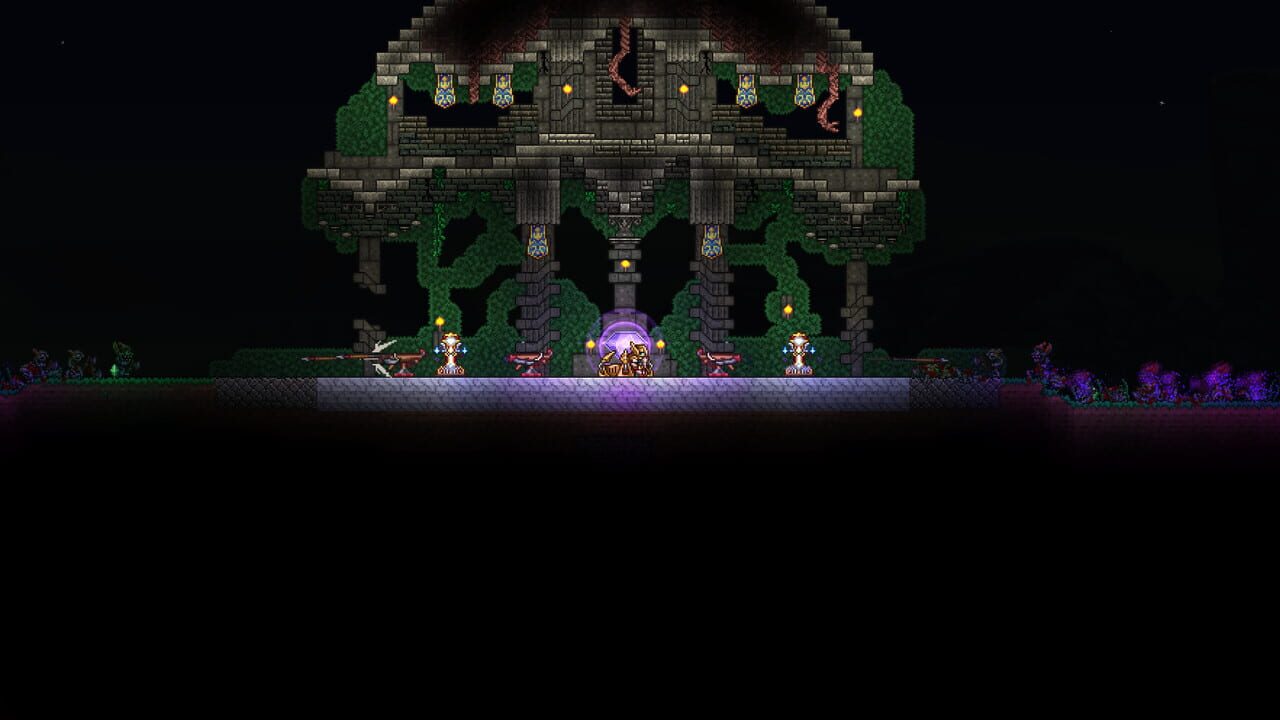
Leave room for expansion. The best bases grow modularly—add new rooms or wings as NPCs arrive or your inventory expands. Avoid creating long, winding corridors. Keep zones within sight of each other. If you can't reach a crafting station in under five seconds, your layout needs adjustment.
Terraria Building Blocks: Material Selection and Aesthetics
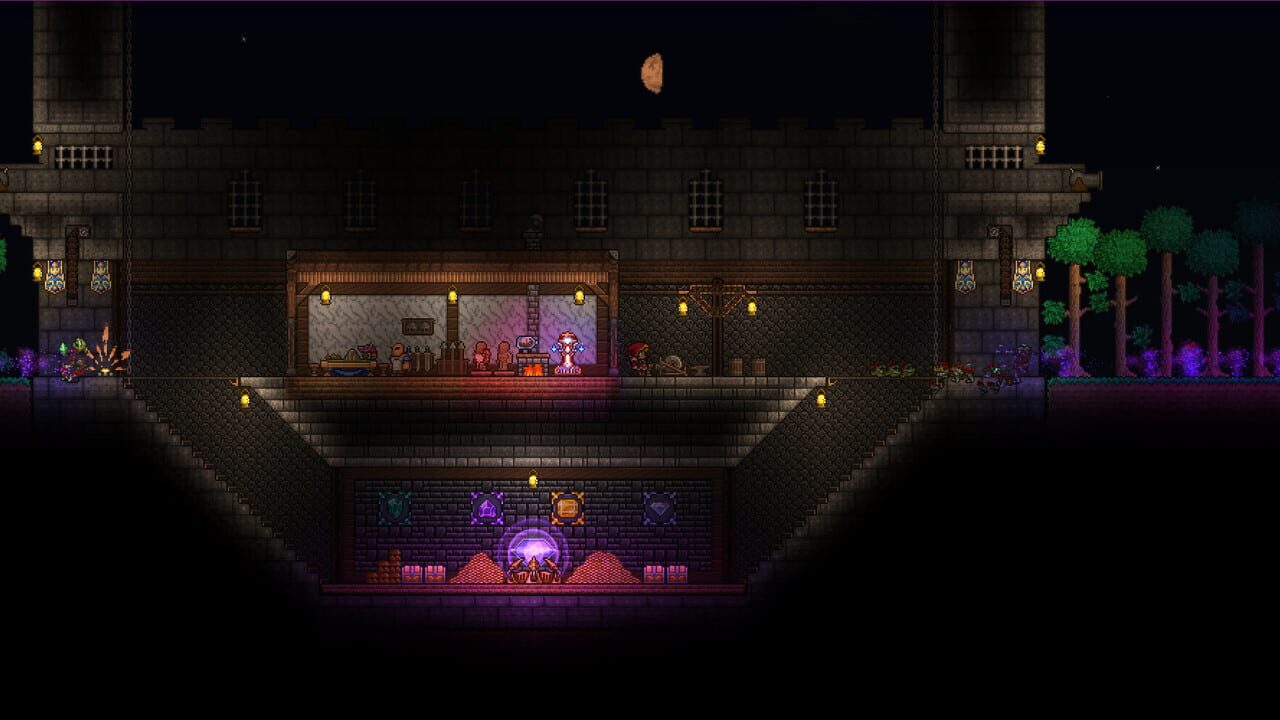
Your choice of terraria building blocks affects both looks and functionality. Early-game, wood is quick and cheap. Stone or brick offers better durability as you face tougher enemies. Let's break down common options.
Wood Blocks: The starter option. Fast to gather, fast to place. They work fine for initial housing, but they're not the toughest. Upgrade once you can farm stone efficiently.
Stone Brick: The workhorse. Craft them from Stone Blocks in a furnace. They're tough, reliable, and look solid in any structure. One Stone Block makes one Stone Brick—stock up.
Wooden Brick: Brings a cozy, rustic feel. Great for treehouses or cabin aesthetics. They're lightweight and easy to work with, though not as durable as stone variants.
Mud Brick: Earthy hue, perfect for rustic or organic builds. They blend naturally with terrain, making them ideal for cottages or shanty towns.
Sandstone Brick: Desert aesthe
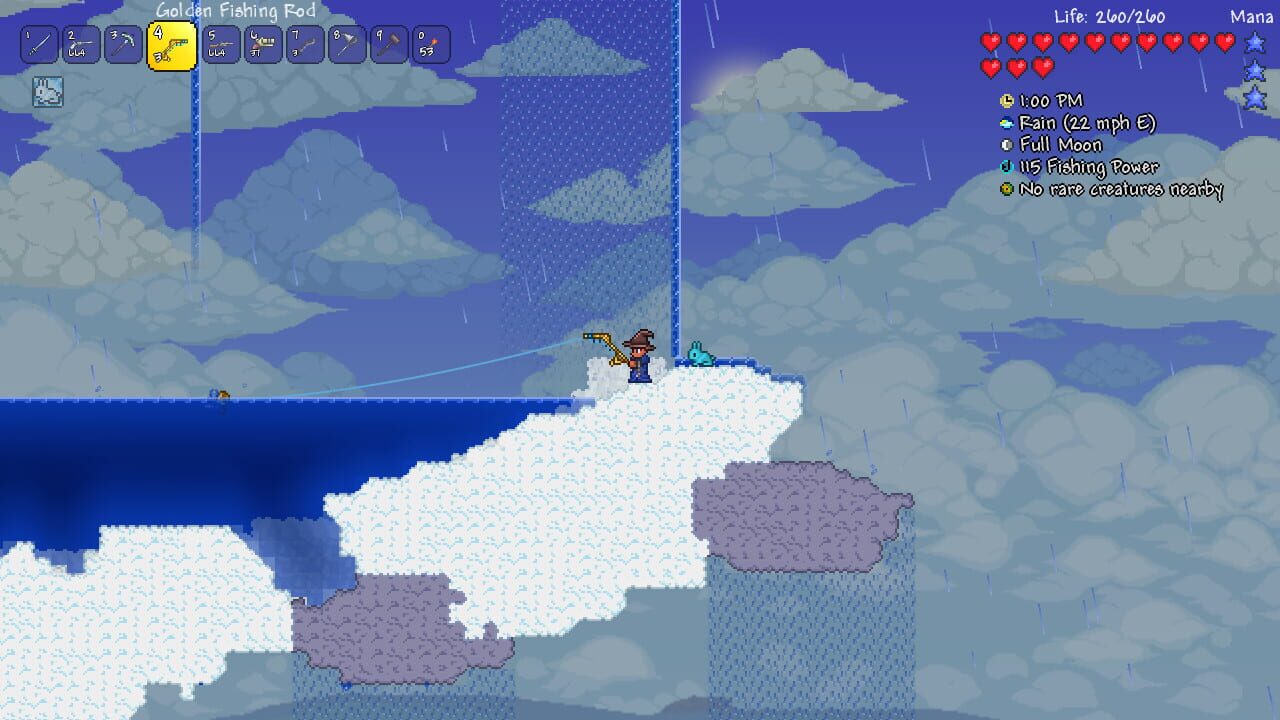
Crimstone Brick: Rich red hue, perfect for sinister designs or underground hideouts. Crafted from Crimtane Ore, they sport solid durability (1,000 hit points).
Hellstone Brick: The fiery favorite. Crafted from Hellstone and Obsidian, they require high pickaxe power (65) to mine. They offer blast resistance of 6, making them ideal for hell-themed fortresses.
Mix and match materials for visual interest. Use hammered blocks to break away from rectangles—you can create circles, triangles, and organic shapes. Consistency matters: use the same wall and floor types throughout a zone to reduce visual confusion during combat. Once your layout is finalized, swap temporary wood walls for your chosen material.
NPC Happiness and the Pylon Network
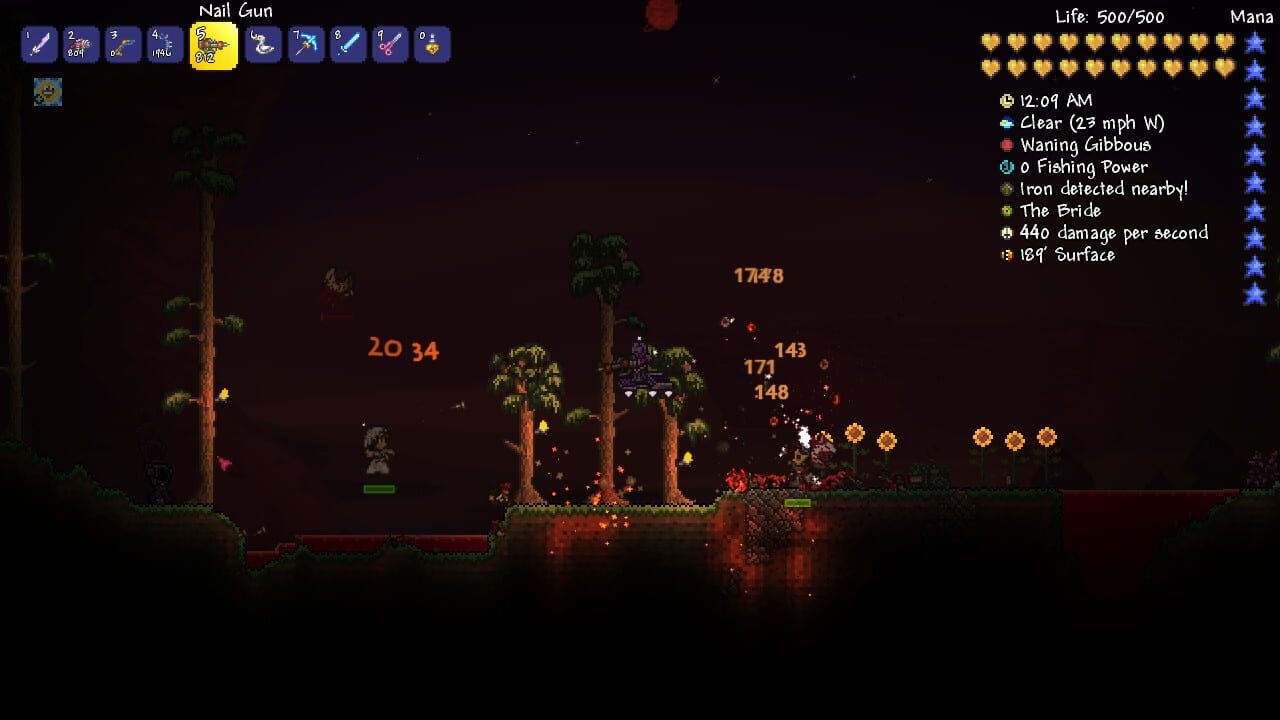
Here's where housing strategy pays off. Happy NPCs sell pylons—teleportation devices that let you skip across your world instantly. To unlock pylons, you need NPCs to be happy enough in their preferred biome.
Happiness factors stack. Preferred biome gives a 12% discount. Liking a neighbor gives another bonus. Solitude (having only 2 other NPCs within 25 tiles) gives a bonus. Combine all three, and you're looking at major savings. At maximum happiness, NPCs give up to 75% discounts on their wares.
The pylon network is endgame infrastructure. Plan your housing around it from day one. Start with Forest (your spawn area), then Snow, Desert, and Jungle. Each biome has one pylon sold by an NPC who's happy there. You need 2+ NPCs near a pylon to use it for teleportation.
Reliable pairings include Mechanic + Goblin Tinkerer in Snow (both prefer S
Design Ideas: From Starter Shacks to Themed Builds
Once you master the requirements, have fun with design. Your base doesn't need to be a rectangle.
The Classic Prison: 10 × 6, wood walls, one torch, one workbench, one chair, one door. Bare bones, functional, and perfectly valid. This is your fallback when you need housing fast.
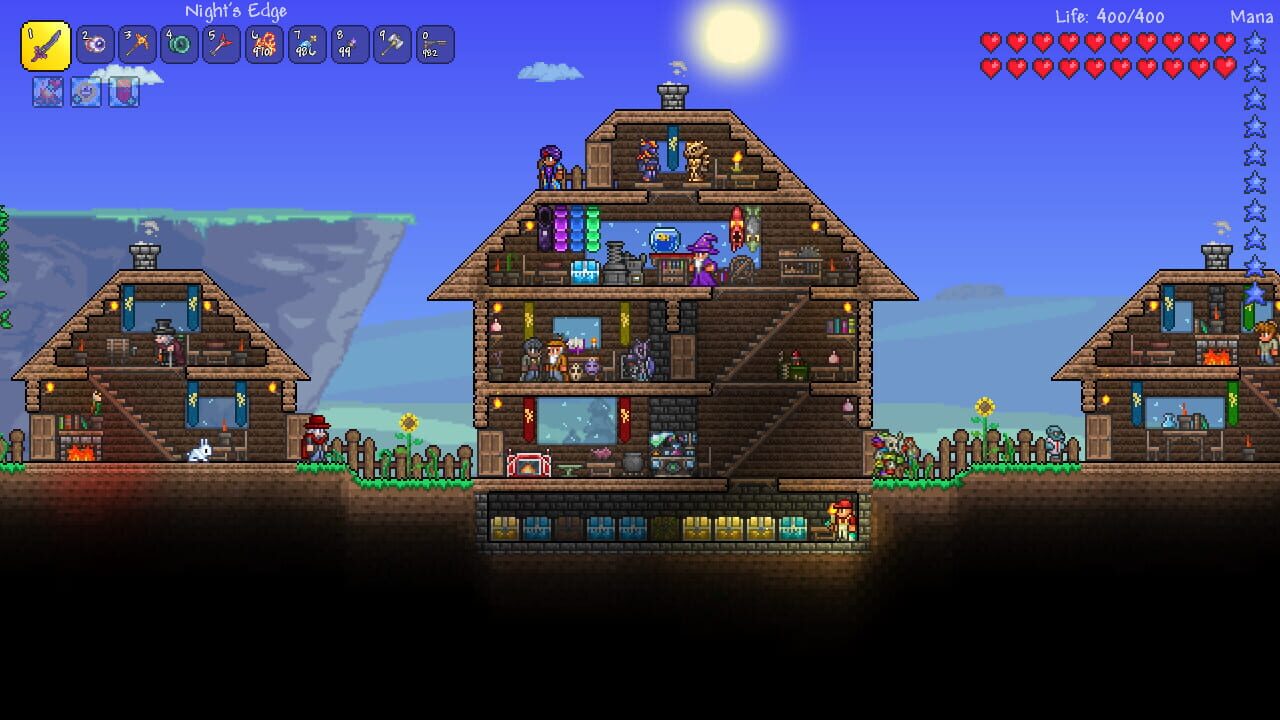
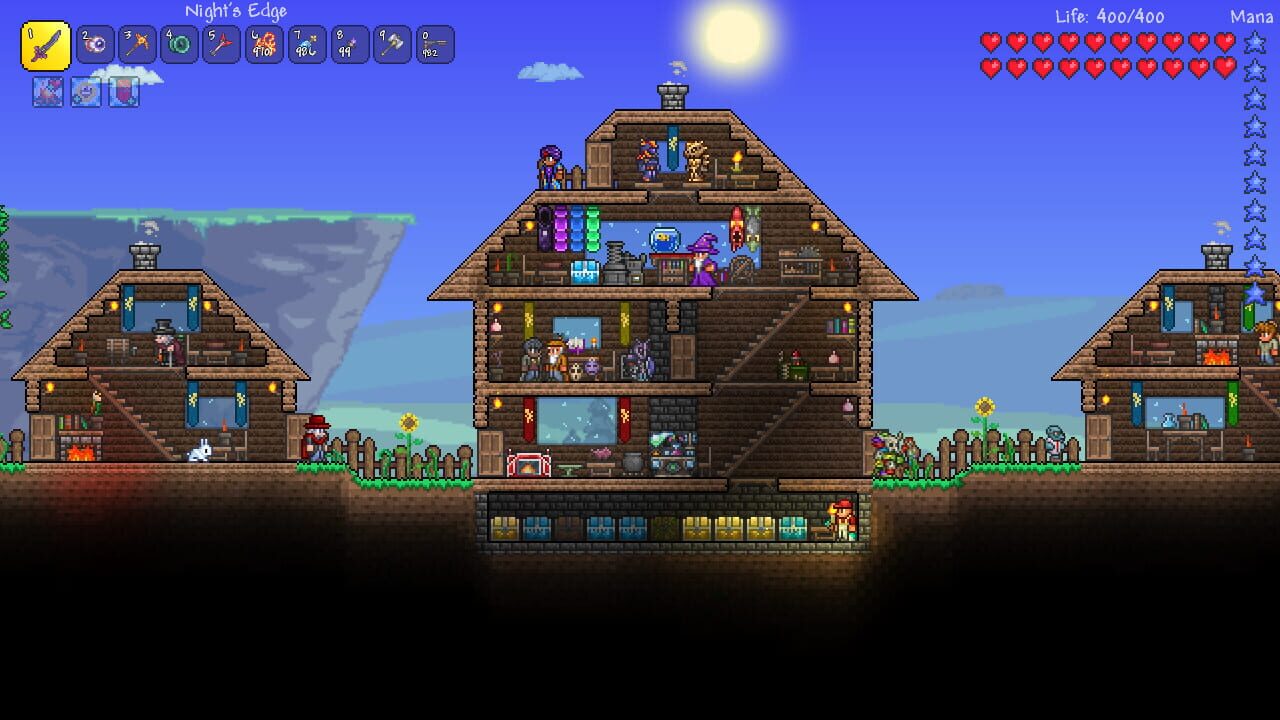
The Hotel: Stack compact 6 × 10 modules vertically or horizontally. Each room is independent, minimizing horizontal sprawl. Use platforms as doors for easy movement. This scales beautifully—add rooms as NPCs arrive.
The Treehouse: Build into the side of a hill or tree. Use wood and stone blocks to create round doors and windows.
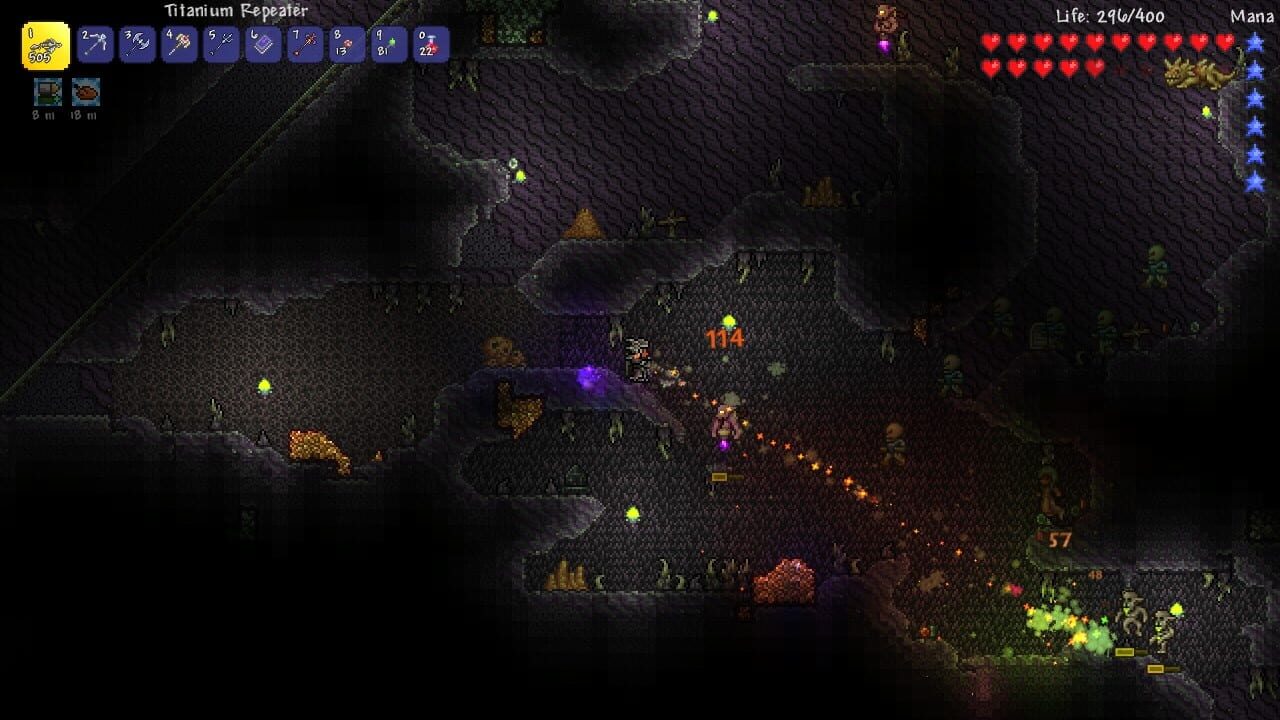
The Castle: Thick stone slabs, fences, and wooden doors create a fortress vibe. Focus on ensuring security and spacing for all residents. Works great as a central hub and shop setup.
The Modern Home: Flat stone roof, white walls, wooden exterior. Push building style to extremes—contemporary designs stand out. Combine materials creatively for sleek aesthetics.
The Sky Fortress: Build elevated for dramatic effect. Incorporate elevators, balconies, and rooftop gardens. Requires more planning but offers spectacular views and natural defense against ground-based threats.
The Desert Oasis: Sandstone brick, cacti, and water features. Create shade areas and ensure water sources for farming. Biome-specific design makes NPCs happy while looking thematic.
Don't limit yourself to rectangles. Hammered blocks let you create circles, domes, and organic shapes. Use colored torches for visual pops. Paint blocks to add personality. The key: appearance doesn't affect NPC happiness, so you're free to experiment without sacrificing function.
Building a Functional Base: Step-by-Step
Start small and expand iteratively. Here's a practical approach.
Step 1: Map and Select Your Site
Choose a flat, accessible area near resources. Sketch a rough 6 × 8 footprint. Mark zones for living, crafting, and storage. Ensure room for future expansion and a direct path from the entrance to each zone. Avoid areas within 45 tiles of evil biomes.
Step 2: Define Core Zones
Install a central crafting hub near the entrance. Place living area on one side, storage
Step 3: Lay Walls and Floors
Build uniform walls and floors with consistent height. Use temporary wood walls to visualize space, then swap to durable materials once layout is finalized. Ensure every background tile has a player-placed wall.
Step 4: Install Essential Stations
Place furnace, anvil, sawmill, and workbench in the crafting hub. Group stations by function (smelting, smithing, building). Ensure access from each room without backtracking.
Step 5: Set Up Storage
Create a dedicated chest corridor with labeled chests for ores, ingots, building materials, and consumables. Add a central "quick dump" chest near the entrance for loot. Color-code chests using banners or signs for quick recognition.
Step 6: Create NPC Housing
Build at least two compact houses with doors, walls, light, and chair/table. Ensure entrances are accessible. Use the Housing Query tool to verify validity. Place housing near the living zone.
Step 7: Add Lighting and Defense
Install ample torches to reduce enemy spawns and improve visibility. Create small defensive chokepoints. Reinforce doors and walls. Consider elevated entrances or strategic wall gaps to control enemy access.
Step 8: Plan for Expansion
Leave modular space for new biomes or boss arenas. Keep a blueprint on hand. Track changes with simple sketches or in-game notes. Design in modules that can be added without major rework.
Common Mistakes and How to Avoid Them
Overbuilding too early wastes materials and creates complexity you don't need. Start with the basics: housing, crafting stations, storage, lighting. Expand as your progression demands.
Creating complex mazes wastes time during exploration prep or boss fights. Keep pathways simple and predictable. Avoid long, winding corridors—they sl
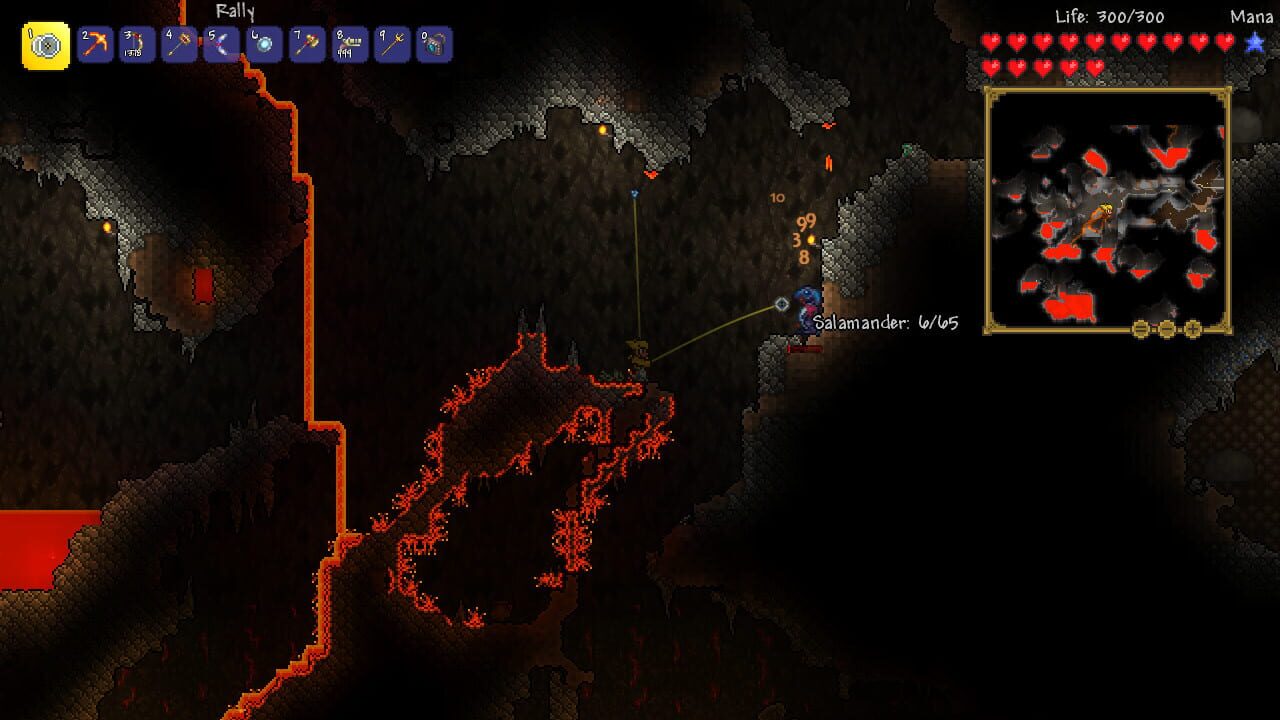
Neglecting storage organization leads to inventory chaos. Label chests from day one. It takes five minutes and saves hours later.
Blocking sunlight to farms reduces crop yields and NPC happiness. Ensure farms have adequate lighting, especially if you're growing herbs or planning to farm biome-specific crops.
Placing too many NPCs together is the single biggest happiness mistake. Stick to 2-3 per cluster, spaced 25+ tiles apart. Overcrowding penalties stack and destroy your pylon network strategy.
Ignoring evil biome contamination causes NPCs to refuse housing. Keep Corruption, Crimson, and Dungeon blocks 45+ tiles away from residential areas. Purify problem zones early.
Building Materials: Quick Reference
Here's a quick breakdown of popular terraria building blocks and their uses:
| Block Type | Best For | Durability<
| Aesthetic |
|---|---|---|---|
| Wood Block | Early-game, quick builds | Low | Rustic, warm |
| Stone Brick | Reliable foundations | High | Neutral, sturdy |
| Wooden Brick | Treehouses, cabins | Medium | Cozy, natural |
| Mud Brick | Rustic, organic builds | Medium | Earthy, grounded |
| Sandstone Brick | Desert themes | High | Desert, exotic |
| Crimstone Brick | Sinister, underground | High | Dark, menacing |
| Hellstone Brick | Hell-themed fortresses | Very High | Fiery, intense |
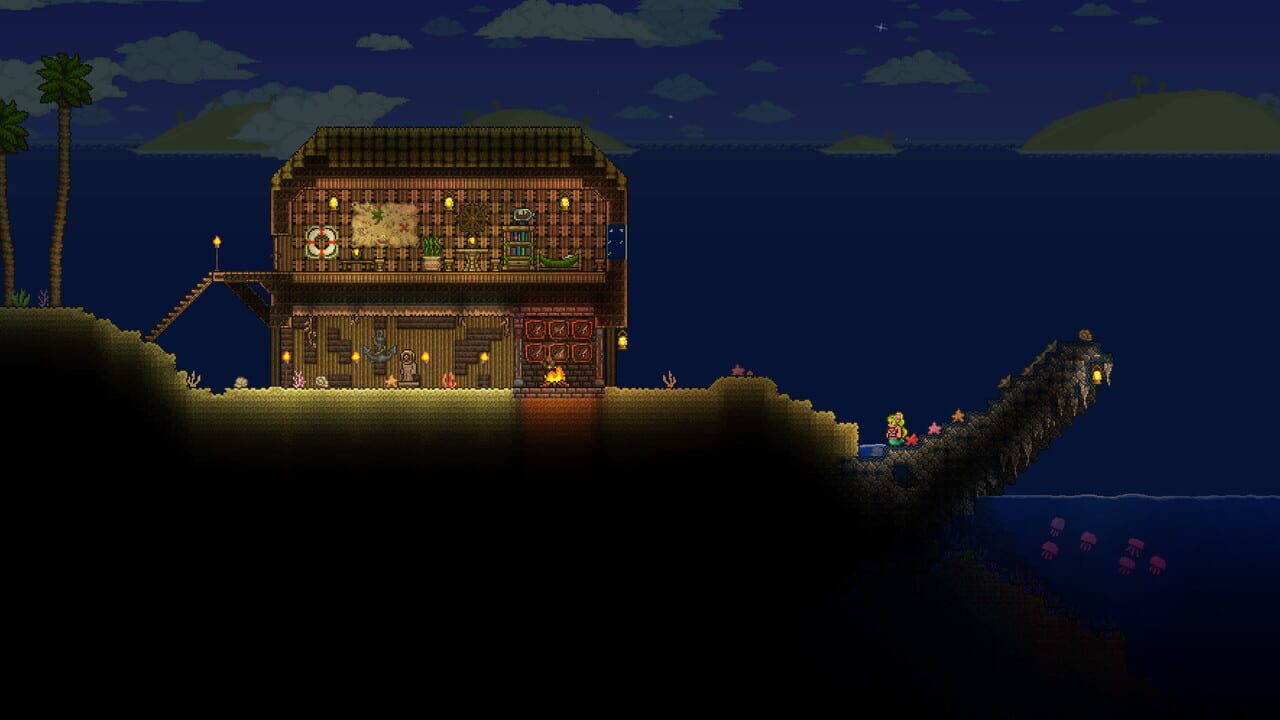
Mix materials for visual interest. Consistency within zones reduces confusion during combat. Upgrade materials as you progress—wood early, stone/brick mid-game, specialty blocks for endgame aesthetic projects.
Final Thoughts: Building for Both Function and Style
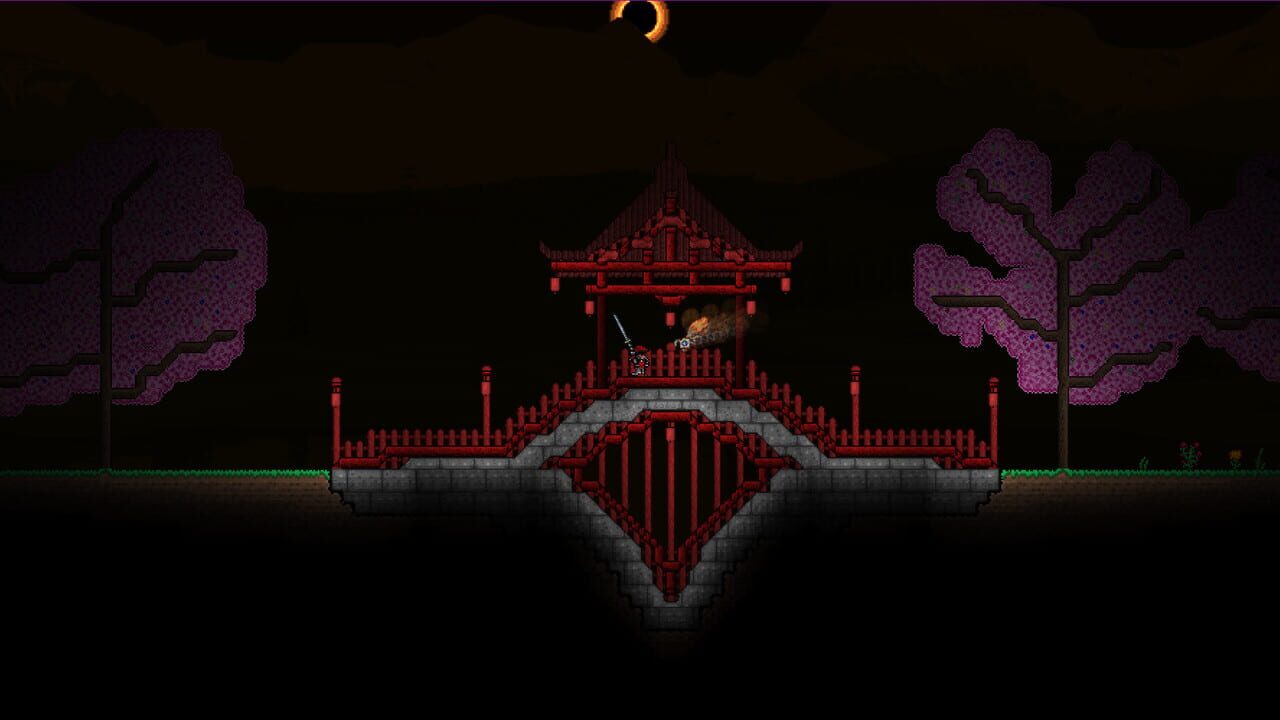
The beauty of Terraria housing is that function and style aren't mutually exclusive. Your base can be efficient and beautiful. Start with the fundamentals: valid housing, proper spacing, organized storage, and strategic NPC placement. Once that foundation is solid, layer in aesthetics.
Use hammered blocks to break rectangles. Paint blocks for personality. Mix material types. Add themed elements—fireplaces, gardens, balconies. Your NPCs won't care how fancy it looks, but you will. And that matters.
Build iteratively. Test your layout. Adjust as you progress. The best bases evolve with your playstyle. Start with a compact 6 × 8 core, expand modularly, and keep things organized. Document changes as you go. Over weeks of play, you'll develop a base that feels like home and runs like a well-oiled machine.
Master the mechanics of houses in Terraria, and you've unlocked one of the game's most satisfying systems. Happy building.
Câu hỏi thường gặp về Terraria
- Ngày phát hành Terraria là khi nào?
- Terraria dự kiến phát hành vào ngày 16/5/2011.
- Terraria chơi được trên nền tảng nào?
- Terraria hỗ trợ: Google Stadia, PlayStation 3, PlayStation 4, Linux, Nintendo 3DS, Windows Phone, Android, PC (Microsoft Windows), iOS, Mac, Wii U, PlayStation Vita, Xbox 360, Xbox One, Nintendo Switch.
- Terraria thuộc thể loại gì?
- Terraria thuộc thể loại: Platform, Role-playing (RPG), Simulator, Strategy, Adventure, Indie.
- Có trailer chính thức của Terraria không?
- Có. Bạn có thể xem trailer của Terraria ngay trên trang này ở phần video.
Khám phá thêm
Shimmer in Terraria: Complete Guide to Finding, Using & Farming (1.4.5)
Shimmer is Terraria's most versatile post-1.4.4 feature. This guide covers finding the Aether biome, all transformations, farming methods, and what actually works for boss fights and progression.
Cách Chơi Terraria Miễn Phí: Hướng Dẫn Tải & Chơi Trên PC, Mobile Chi Tiết 2024
Terraria không hoàn toàn miễn phí nhưng giá rất rẻ. Bài viết này hướng dẫn chi tiết cách tải Terraria download trên PC qua Steam, mobile iOS/Android, yêu cầu hệ thống, và những mẹo chơi hữu ích.