
Analysis9 min read
Limbus Company Sinners: The 12 and the Books Behind Them
Every one of the Limbus Company sinners is drawn from world literature. Here's who they are, the books and authors behind them, and the Divine Comedy that frames the whole story.
Contents
- The Divine Comedy frame: Dante, Vergilius and Charon
- Limbus Company sinners at a glance
- Yi Sang (#1): the poet behind The Wings
- Faust (#2): Goethe's eternal striver
- Don Quixote (#3): Cervantes' would-be knight
- Ryōshū (#4): the painter of Hell Screen
- Meursault (#5): Camus' stranger
- Hong Lu (#6): a jade-born youth from Dream of the Red Chamber
- Heathcliff (#7): Brontë's brooding foundling
- Ishmael (#8): Melville's narrator
- Rodion (#9): Dostoevsky's conflicted student
- Sinclair (#11): Hesse's youth caught between light and dark
- Outis (#12): the "nobody" of Homer's Odyssey
- Gregor (#13): Kafka's man turned insect
- Where to start reading if you like a Sinner
- Frequently asked questions
- Who are the Sinners in Limbus Company?
- What books are the Limbus Company Sinners based on?
- Why is there no Sinner number 10?
- Who is Dante in Limbus Company?
- Is Limbus Company free?
- Sources
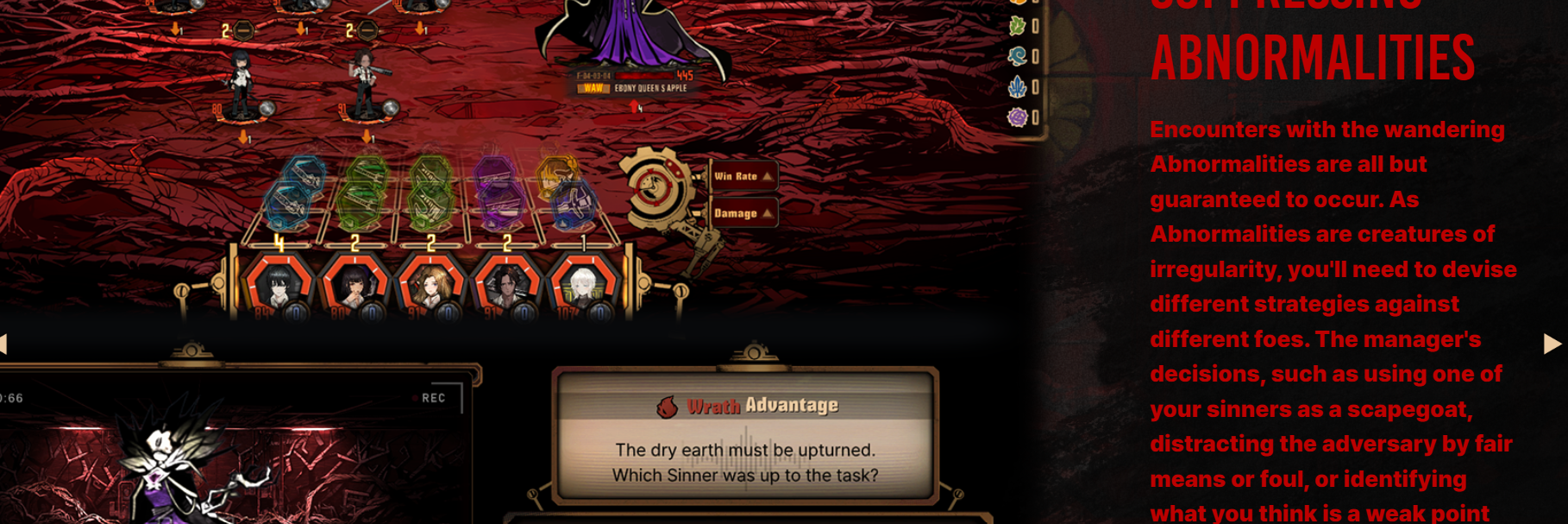
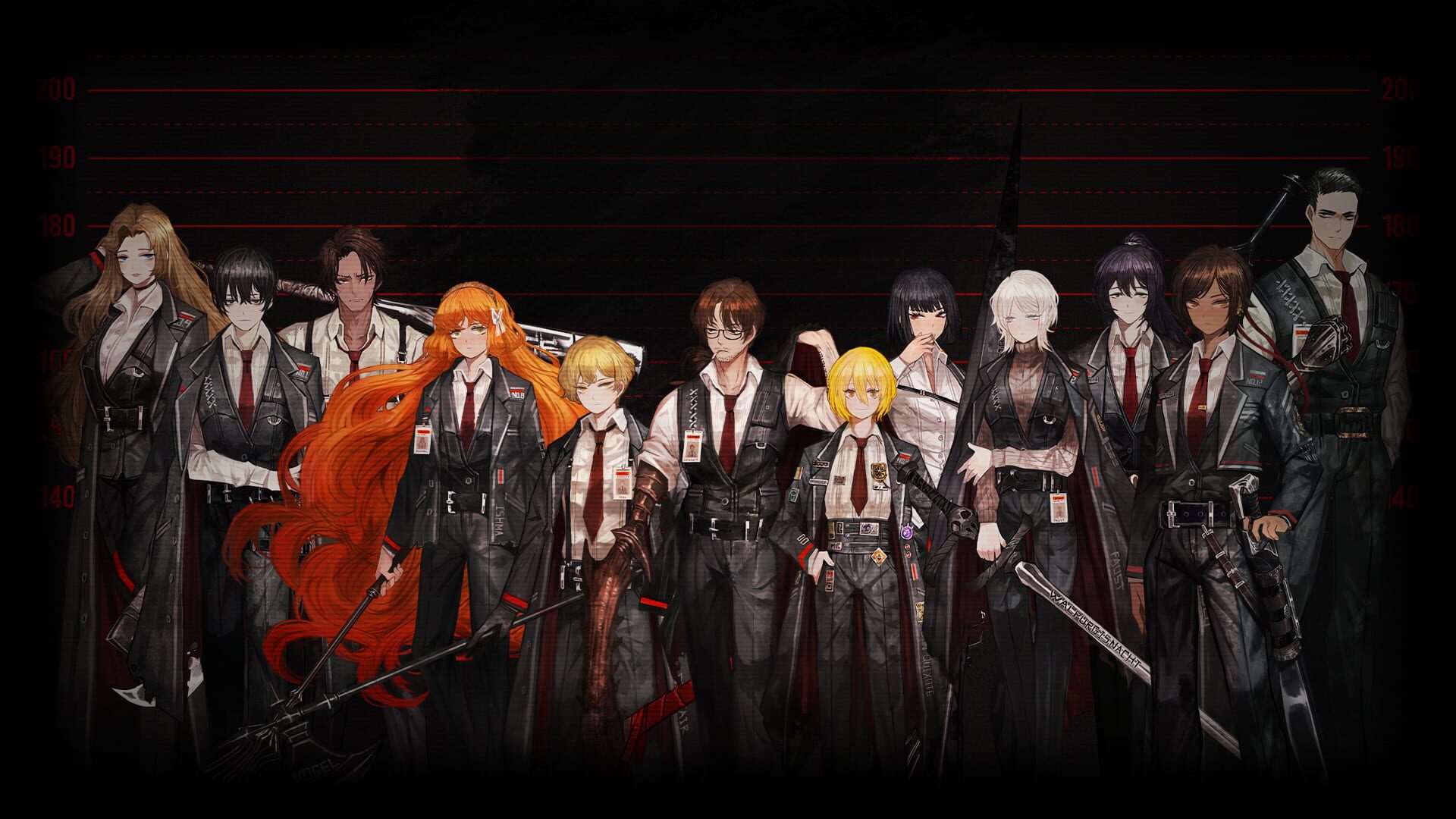
The Limbus Company sinners are the twelve characters who make up the playable cast of Project Moon's Limbus Company, and every one of them is built on a classic work of world literature. Limbus Company is a free-to-play, gacha-driven management and action RPG developed and published by South Korean studio Project Moon, released worldwide on 26 February 2023 for Windows, iOS and Android, as part of the same dystopian "City" setting as Project Moon's earlier games Lobotomy Corporation and Library of Ruina. As the Executive Manager, the player leads this group of twelve Sinners through the buried facilities of Lobotomy Corporation in search of the Golden Boughs. This piece walks through each sinner, the book and author they draw from, and the Divine Comedy frame that holds the whole roster together. It stays spoiler-light: we name the literary inspiration and describe what each book is about, without touching Canto plot details, secret real names, deaths or twists.
The Divine Comedy frame: Dante, Vergilius and Charon

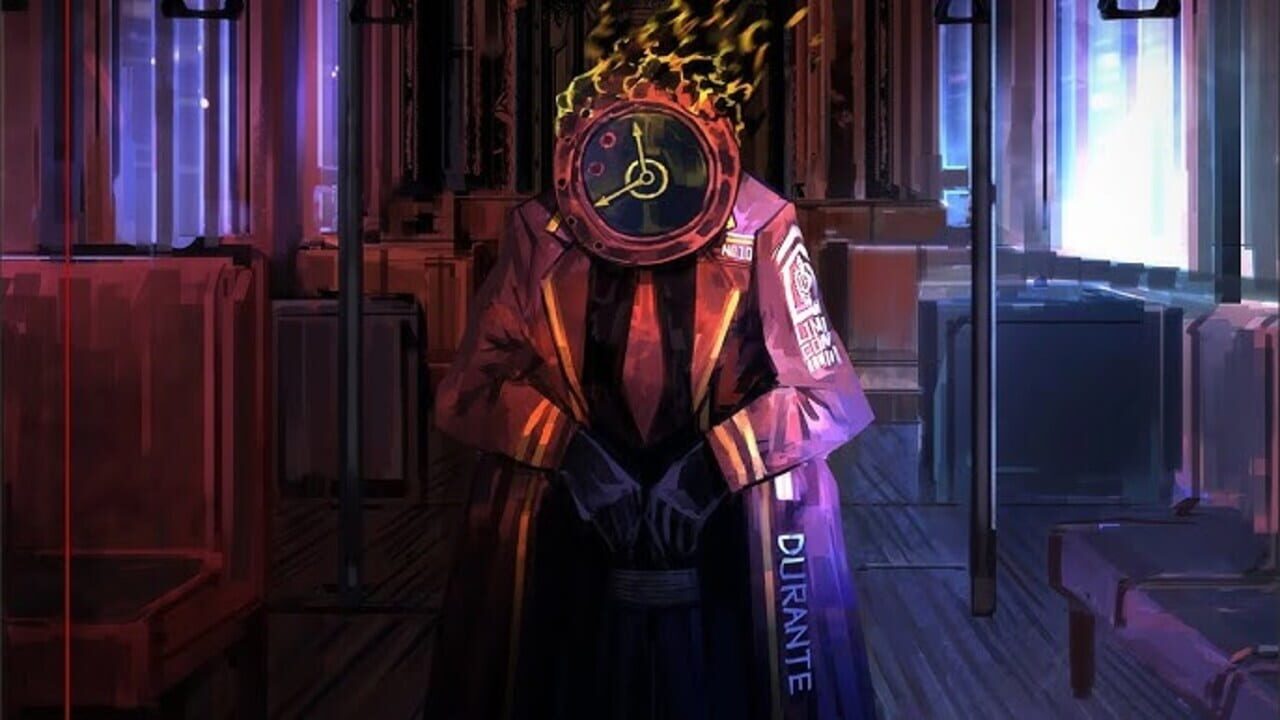
Limbus Company's cast doesn't just borrow character names from books; its entire framing device is lifted from Dante Alighieri's Divine Comedy. The player controls an amnesiac Executive Manager with a clock for a head, who is Sinner number 10 and is named after the poet himself: in Limbus Company, Dante is the player's own character (Cogitopedia).
The Manager's guide is named Vergilius, after Virgil, the poet who leads Dante through the Inferno in the original poem, and the driver of the group's bus is named Charon, after the ferryman of the dead in the Inferno (Limbus Company Wiki on Fandom). That bus itself is called Mephistopheles, a name borrowed from the devil in Goethe's Faust (Fandom, Charon page). So the Manager, the guide and the driver carry the names of Dante, Virgil and Charon from the poem, while the Sinners riding along are each drawn from a different book entirely.
Limbus Company sinners at a glance
| No. | Sinner | Book | Author | Year |
|---|---|---|---|---|
| 1 | Yi Sang | The Wings (and other works) | Yi Sang (pen name of Kim Hae-gyeong) | 1936 |
| 2 | Faust | Faust | Johann Wolfgang von Goethe | 1808 / 1832 |
| 3 | Don Quixote | Don Quixote | Miguel de Cervantes | 1605 / 1615 |
| 4 | Ryōshū | Hell Screen (Jigokuhen) | Ryūnosuke Akutagawa | 1918 |
| 5 | Meursault | The Stranger | Albert Camus | 1942 |
| 6 | Hong Lu | Dream of the Red Chamber | Cao Xueqin | 18th century |
| 7 | Heathcliff | Wuthering Heights | Emily Brontë | 1847 |
| 8 | Ishmael | Moby-Dick | Herman Melville | 1851 |
| 9 | Rodion | Crime and Punishment | Fyodor Dostoevsky | 1866 |
| 10 | Dante | The Divine Comedy | Dante Alighieri | 14th century |
| 11 | Sinclair | Demian | Hermann Hesse | 1919 |
| 12 | Outis | The Odyssey | Homer | 8th century BC |
| 13 | Gregor | The Metamorphosis | Franz Kafka | 1915 |
Note the numbering: Dante holds number 10 as the player's own character rather than one of the playable Sinners, and Gregor rounds out the cast at 13. That means the twelve playable Limbus Company sinners are numbers 1 through 9, plus 11 through 13.
Yi Sang (#1): the poet behind The Wings
Sinner #1 is named after the real Korean writer Yi Sang, pen name of Kim Hae-gyeong, and his associated work is the short story The Wings (Cogitopedia). According to Wikipedia's article on the writer, the character's lines often reference Yi Sang's actual writing, including The Wings and the poem Mirror. Yi Sang was a real early-20th-century Korean modernist writer, and The Wings is one of his best-known short stories.
Faust (#2): Goethe's eternal striver
Sinner #2, Faust, is drawn from Johann Wolfgang von Goethe's Faust, the German drama about a scholar who makes a bargain with the devil. Her introductory quote, "Es irrt der Mensch, solang er strebt" ("Man errs as long as he strives"), is a line from Goethe's Faust (Fandom). Faust was published by Goethe in two parts, with Part One appearing in 1808 and Part Two completed shortly before his death in 1832, and it remains one of the most famous works in German literature.
Don Quixote (#3): Cervantes' would-be knight
Sinner #3, Don Quixote, is based on Miguel de Cervantes' Don Quixote, the story of a man who sets out to become a knight-errant. Her introduction line is "¡Por alcanzar la estrella inalcanzable!" ("To reach the unreachable star!") (Fandom). Cervantes published the novel in two parts, in 1605 and 1615, and it's widely considered one of the foundational works of the modern novel.
Ryōshū (#4): the painter of Hell Screen
Sinner #4, Ryōshū, is inspired by Yoshihide, the painter at the center of Ryūnosuke Akutagawa's short story Hell Screen (Jigokuhen) (wiki.gg, Fandom). Her symbol is a red painted butterfly (Cogitopedia). Akutagawa was a major early-20th-century Japanese author, and Hell Screen, published in 1918, follows a painter commissioned to depict a screen of hell.
Meursault (#5): Camus' stranger
Sinner #5 is Meursault, the narrator of Albert Camus' 1942 novel The Stranger (wiki.gg). Within the game's story, his department store is named Grand Magasin Sisyphe, a reference to Camus' philosophical essay The Myth of Sisyphus (TV Tropes). The Stranger is a short novel about an indifferent man in French Algeria, often read alongside Camus' ideas on the absurd.
Hong Lu (#6): a jade-born youth from Dream of the Red Chamber
Hong Lu, Sinner #6, is based on Jia Baoyu, the protagonist of Cao Xueqin's Dream of the Red Chamber, a young man said to have been born with a magic piece of jade in his mouth (wiki.gg). Wikipedia's article on the novel notes that the character wields a guandao, a Chinese polearm. Dream of the Red Chamber is an 18th-century Chinese novel, widely regarded as one of the Four Great Classical Novels of Chinese literature, following the rise and decline of an aristocratic family.
Heathcliff (#7): Brontë's brooding foundling
Sinner #7 takes his name from Heathcliff, the central figure of Emily Brontë's only novel, Wuthering Heights (wiki.gg, Wikipedia). Published in 1847, Wuthering Heights is a story of obsessive love and revenge set on the Yorkshire moors, and remains a cornerstone of English Victorian literature.
Ishmael (#8): Melville's narrator
Sinner #8, Ishmael, is named after the narrator of Herman Melville's Moby-Dick, and her introduction quote is drawn from the novel's famous opening line, "Call me Ishmael" (wiki.gg). The wiki also notes that Ahab, the Pequod's captain in Melville's novel, appears elsewhere in the game (wiki.gg). Moby-Dick, published in 1851, follows the narrator's voyage aboard a whaling ship captained by the obsessive Ahab, hunting the great white whale of the title.
Rodion (#9): Dostoevsky's conflicted student
Sinner #9 is Rodion, named for Rodion Raskolnikov, the protagonist of Fyodor Dostoevsky's Crime and Punishment, published in 1866 (Fandom, wiki.gg). The novel follows a destitute former student wrestling with guilt and morality after committing a crime, and is considered one of the great works of Russian literature.
Sinclair (#11): Hesse's youth caught between light and dark
Sinner #11 is Sinclair, named after Emil Sinclair, the narrator of Hermann Hesse's 1919 novel Demian, who struggles between a world of light and a world of darkness (wiki.gg). Two other figures from the novel, Demian and Kromer, also appear in the game (Fandom). Demian is a coming-of-age novel often read as an exploration of self-discovery and inner conflict.
Outis (#12): the "nobody" of Homer's Odyssey
Sinner #12, Outis, takes her name from Homer's Odyssey: "Outis" is Greek for "nobody", the false name Odysseus gives to the cyclops Polyphemus to trick him (wiki.gg, Wikipedia). The Odyssey, attributed to Homer and dated to roughly the 8th century BC, recounts Odysseus' long journey home after the Trojan War and is one of the oldest surviving works of Western literature.
Gregor (#13): Kafka's man turned insect
Rounding out the roster is Sinner #13, Gregor, based on Gregor Samsa of Franz Kafka's The Metamorphosis. His introduction quote is based on the novella's famous first line, and his subtitle "UNGEZIEFER" is Kafka's own word for the creature Gregor becomes (wiki.gg). Wikipedia's article on The Metamorphosis in popular culture notes that his base Identity has a giant insect claw for an arm. Published in 1915, The Metamorphosis is one of Kafka's best-known works, opening with its protagonist waking to find himself transformed into a giant insect.
Where to start reading if you like a Sinner
- Liked Yi Sang? Try his short story The Wings or the poem Mirror.
- Liked Faust? Start with Goethe's Faust, Part One.
- Liked Don Quixote? Pick up Cervantes' Don Quixote, Part One.
- Liked Ryōshū? Read Akutagawa's short story Hell Screen.
- Liked Meursault? Read Camus' The Stranger, and if you want more, his essay The Myth of Sisyphus.
- Liked Hong Lu? Try Cao Xueqin's Dream of the Red Chamber.
- Liked Heathcliff? Read Emily Brontë's Wuthering Heights.
- Liked Ishmael? Start with Melville's Moby-Dick.
- Liked Rodion? Read Dostoevsky's Crime and Punishment.
- Liked Dante, Vergilius or Charon? Read Dante Alighieri's Divine Comedy, beginning with the Inferno.
- Liked Sinclair? Read Hermann Hesse's Demian.
- Liked Outis? Read Homer's Odyssey.
- Liked Gregor? Read Kafka's The Metamorphosis.
Frequently asked questions
Who are the Sinners in Limbus Company?
The Sinners are the twelve playable characters the player, as Executive Manager, leads through Limbus Company. They are numbered 1 through 9 and 11 through 13: Yi Sang, Faust, Don Quixote, Ryōshū, Meursault, Hong Lu, Heathcliff, Ishmael, Rodion, Sinclair, Outis and Gregor, each drawn from a different classic work of literature.
What books are the Limbus Company Sinners based on?
Each Sinner draws from a different classic work (a novel, play, poem or short story), including Goethe's Faust, Cervantes' Don Quixote, Akutagawa's Hell Screen, Camus' The Stranger, Cao Xueqin's Dream of the Red Chamber, Brontë's Wuthering Heights, Melville's Moby-Dick, Dostoevsky's Crime and Punishment, Hesse's Demian, Homer's Odyssey, and Kafka's The Metamorphosis, alongside the real Korean writer Yi Sang's own work.
Why is there no Sinner number 10?
There is a Sinner numbered 10, but it isn't one of the twelve playable characters: number 10 belongs to Dante, the amnesiac Executive Manager and player's own avatar, named after the poet Dante Alighieri. That's why the twelve playable Sinners run 1 through 9 and then 11 through 13.
Who is Dante in Limbus Company?
Dante is the amnesiac Executive Manager that the player controls, designated Sinner number 10 and named after the poet of the Divine Comedy. The character has a clock for a head, and the guide figure Vergilius and bus driver Charon are likewise named after Virgil and Charon from Dante's poem.
Is Limbus Company free?
Yes. Limbus Company is a free-to-play game with gacha elements, released worldwide on 26 February 2023 for Windows (via Steam), iOS and Android.