
Genma Explained: The Demonic Threat Behind Every Onimusha Game
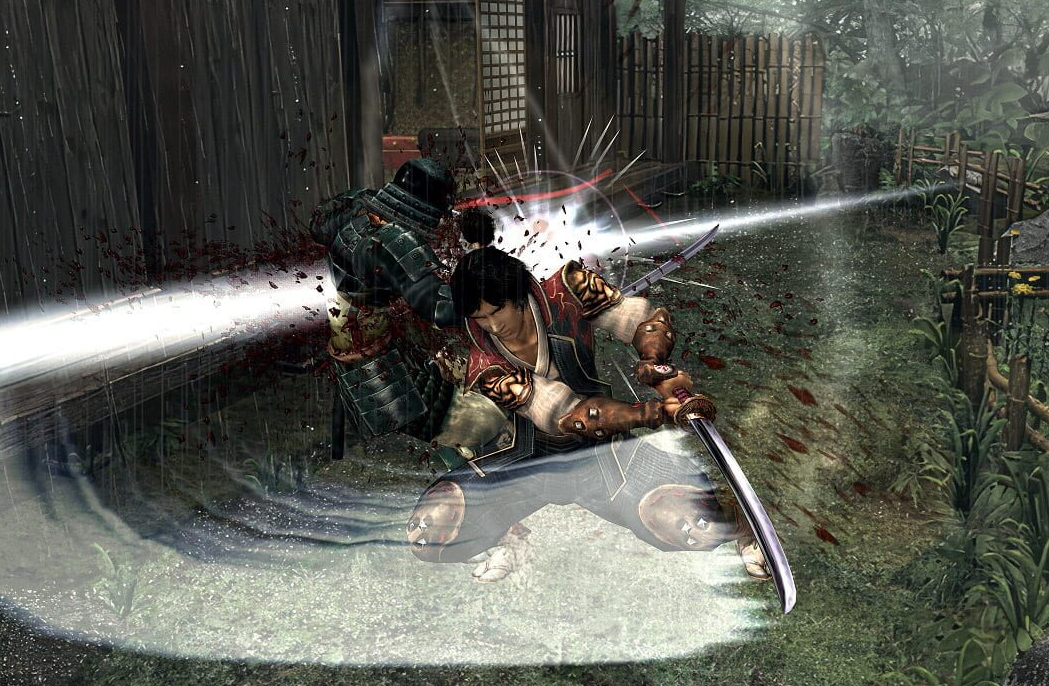
Discover genma onimusha lore: Fortinbras, the Genma hierarchy, Dark Ceremony rituals, and the cosmic threat spanning all Onimusha games.
Game nổi bật trong bài viết
Xem tất cả game »
Onimusha 3: Demon Siege
Onimusha 3: Demon Siege là một trò chơi phiêu lưu hấp dẫn, thuộc series Onimusha nổi tiếng. Người chơi sẽ trải nghiệm cuộc chiến chống lại quân đội quỷ dữ Genma trong bối cảnh Paris. Trò chơi kết hợp giữa các yếu tố hành động và giải đố, mang đến trải nghiệm độc đáo.
AdventurePhát hành: 26/2/2004Mở »
Onimusha: Way of the Sword
Onimusha: Way of the Sword là một game hành động nhập vai (RPG) kết hợp với thể loại hack and slash, diễn ra trong bối cảnh Nhật Bản thời Edo. Người chơi sẽ vào vai một samurai chiến đấu chống lại những thế lực ma quái trong một câu chuyện đen tối. Đây là phần mới trong series Onimusha nổi tiếng.
Role-playing (RPG)Hack and slash/Beat 'em upAdventurePhát hành: 25/9/2026Mở »
Onimusha: Warlords
Onimusha: Warlords là một trò chơi hành động nhập vai (RPG) và phiêu lưu, diễn ra trong bối cảnh Nhật Bản thế kỷ 16. Người chơi sẽ vào vai Samanosuke Akechi, một chiến binh phải đối mặt với những thử thách để cứu công chúa Yuki khỏi tay kẻ thù.
Role-playing (RPG)AdventurePhát hành: 15/1/2019Mở »
Onimusha 2: Samurai's Destiny
Onimusha 2: Samurai's Destiny là một trò chơi thuộc thể loại Hack and slash/Beat 'em up và Adventure, diễn ra trong bối cảnh Nhật Bản cổ đại. Người chơi sẽ vào vai Jubei Yagyu, chiến đấu chống lại quân đội quỷ dữ do Nobunaga Oda lãnh đạo.
Hack and slash/Beat 'em upAdventurePhát hành: 7/3/2002Mở »
Onimusha: Dawn of Dreams
7.6TốtOnimusha: Dawn of Dreams là một trò chơi hành động phiêu lưu, thuộc thể loại Hack and slash/Beat 'em up. Bối cảnh game diễn ra ở Nhật Bản thời phong kiến, nơi người chơi sẽ nhập vai Soki, một chiến binh sở hữu sức mạnh Oni.
Hack and slash/Beat 'em upAdventurePhát hành: 26/1/2006Mở »
Onimusha 1+2 Pack
Experience the origins of the classic samurai series remastered in high-definition! The first two Onimusha games are now available in 16:9 widescreen format with additional gameplay enhancements such as modernised controls. Onimusha: Warlords The first game in the series features popular actor Takeshi Kaneshiro as both the voice and face model of main character Samanosuke Akechi. Play as Samanosuke as he battles the Demons armed with the Oni Gauntlet bestowed to him by the Oni clan. Onimusha 2: Samurai's Destiny Jubei Yagyu returns in this sequel. Voiced by Yusaku Matsuda, Jubei will forge new alliances as he sets out on a quest of revenge with awakened powers of the Oni.
Hack and slash/Beat 'em upAdventurePhát hành: 22/5/2025Mở »
Genma Explained: The Demonic Threat Behind Every Onimusha Game
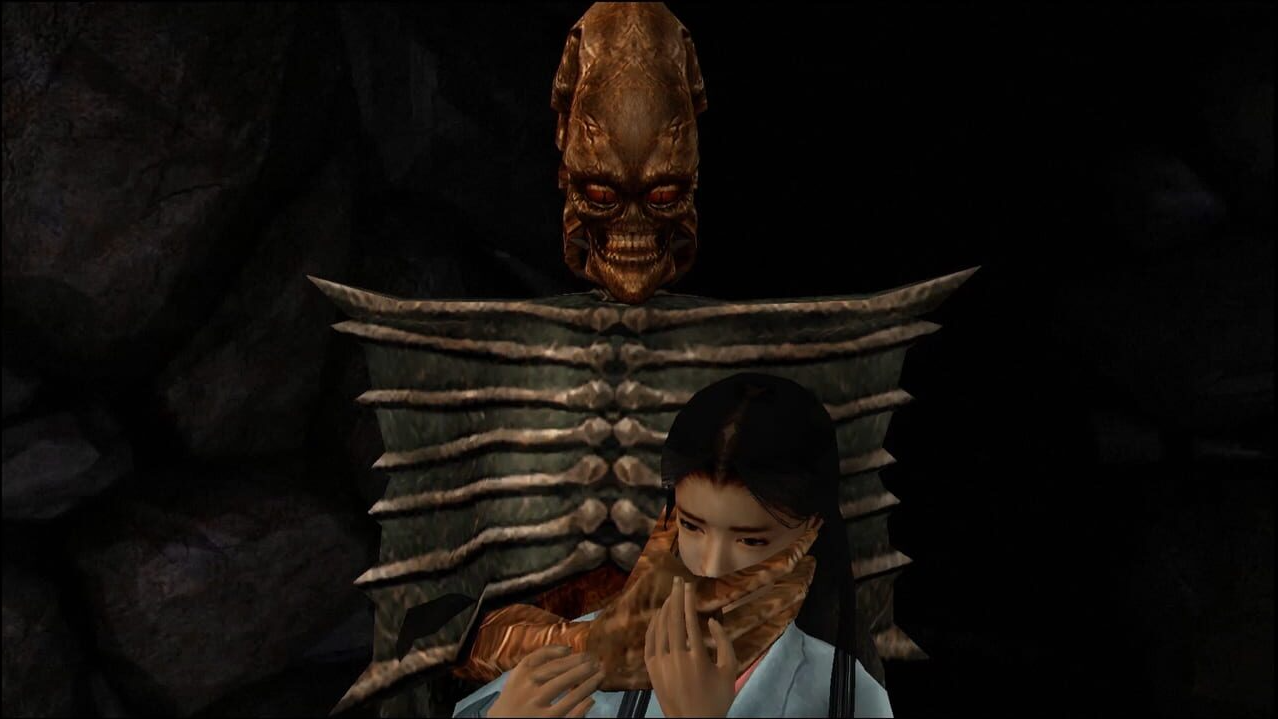
The genma onimusha lore forms the backbone of Capcom's legendary samurai action series, yet many players only scratch the surface of what these demons truly represent. Written in Japanese kanji as 幻魔 (genma), the name literally translates to "a great illusion" — a fitting description for creatures designed to prey on humanity itself. For over two decades, the Genma have served as the primary antagonists across multiple Onimusha titles, each game peeling back another layer of their cosmic conspiracy to enslave the human world. Understanding the Genma isn't just about knowing your enemies — it's about grasping the entire mythological framework that makes the Onimusha series tick.
This deep dive explores the origins of the Genma, their hierarchy, their most infamous leaders, and how they continue to threaten humanity even in the upcoming Onimusha: Way of the Sword. Whether you're a series veteran or a newcomer curious about why these demons keep coming back, here's everything you need to know about the demonic threat behind every Onimusha game.
The Origins of the Genma: Born from Chaos
The creation of the Genma is as dark and deliberate as their purpose. During the birth of Earth itself, a being known as Fortinbras — the Creator God — emerged from the primordial chaos of the universe. Rather than create a world of balance, Fortinbras had a singular vision: humanity would exist solely to serve as food and slave labor for his favored species, the Genma. This isn't a case of demons opportunistically hunting humans. No. The onimusha demons were literally engineered by a god-like entity to be predators, and humans were engineered to be prey.
The Genma population exploded across the Demon World — a separate dimension existing parallel to the human realm — with their numbers swelling into the millions. Fortinbras selected three of the most powerful Genma to act as his highest-ranking vassals: Claudius, Rosencrantz, and Ophelia, collectively known as the Genma Triumvirate. These three would carry Fortinbras' will throughout all of Genma society, acting as the ultimate authority beneath the Creator God himself. For tens of thousands of years, the Genma prepared their invasion, building their armies and refining their dark sciences.
But there was a problem — one that would change everything.
Long before humanity was even born, another race of primordial beings called the Oni had already taken residence within the Demon World. When the Oni discovered Fortinbras' plan to conquer the Human World and enslave mankind, they decided to intervene. Led by the Oni God of Destruction and wielding the legendary Bishamon Sword, the Oni launched an all-out war against the Genma. What followed was an apocalyptic conflict that would reshape the entire balance of power between the two dimensions.
The Oni-Genma War: A Stalemate Sealed in Blood
The ancient war between the Oni and Genma was catastrophic. Despite Fortinbras' invincible body and peerless magical power, the Bishamon Sword — the only weapon capable of harming him — proved to be the great equalizer. The Oni God of Destruction led the charge, and while neither side could achieve outright victory, the Genma were being pushed back.
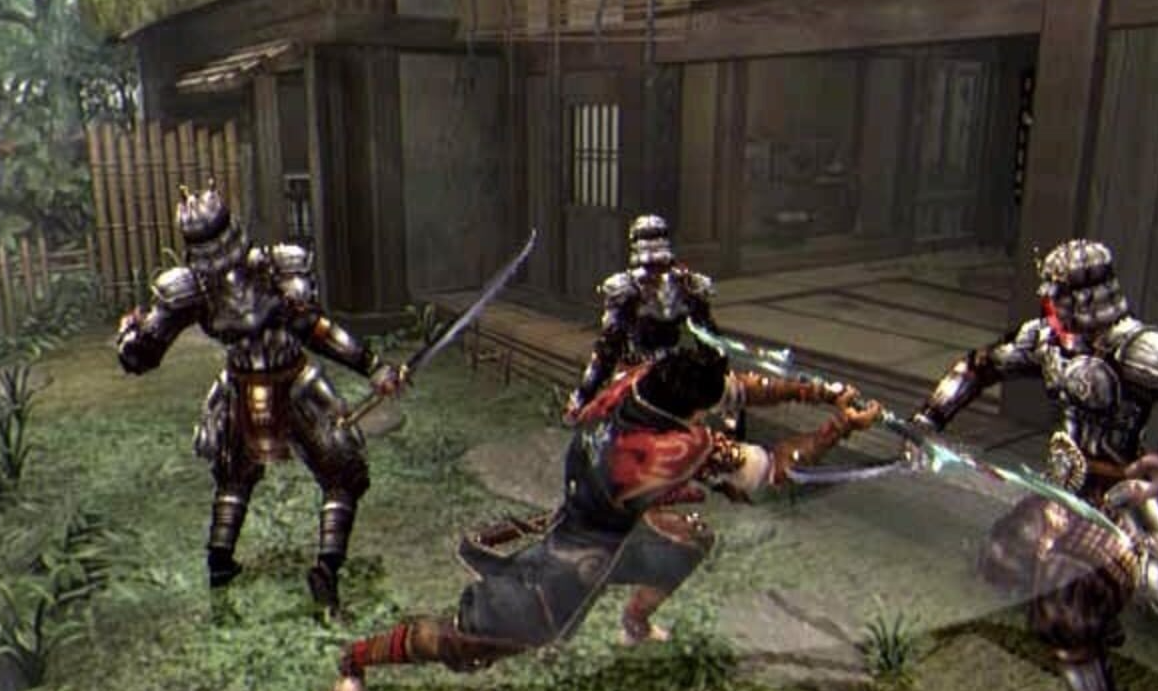
Desperate to prevent his own defeat, Fortinbras was eventually weakened enough to be reduced to his true serpent form. The Oni managed to sever his legs from his body, a feat that should have spelled his doom. But Fortinbras' power remained too immense for the Oni to fully vanquish. In a final, sacrificial act, the Oni God of Destruction made the ultimate choice: he impaled both himself and Fortinbras with the Bishamon Sword, using his own body as a seal to trap the Creator God permanently within the Demon World.
This seal, placed beneath what would eventually become Inabayama Castle in the Human World, prevented Fortinbras from ever directly entering the human realm again. The Genma Triumvirate were also sealed away in the depths of the Underworld, their power severely diminished. The Oni survivors, now drastically reduced in number, migrated secretly to the Human World to maintain their vigil. The war ended not in victory, but in stalemate — both sides too depleted to continue, yet neither willing to surrender.
The Genma were forced to abandon their dreams of overt conquest. Instead, they adopted a far more insidious strategy: making dark pacts with powerful humans who desired power. Throughout history, legendary figures like Alexander the Great and Genghis Khan reportedly accepted the Genma's offers, trading their souls and servitude for supernatural abilities. The Genma had learned patience. They would work through human intermediaries, slowly tightening their grip on the world.
The Genma Hierarchy: A Ruthless Class System
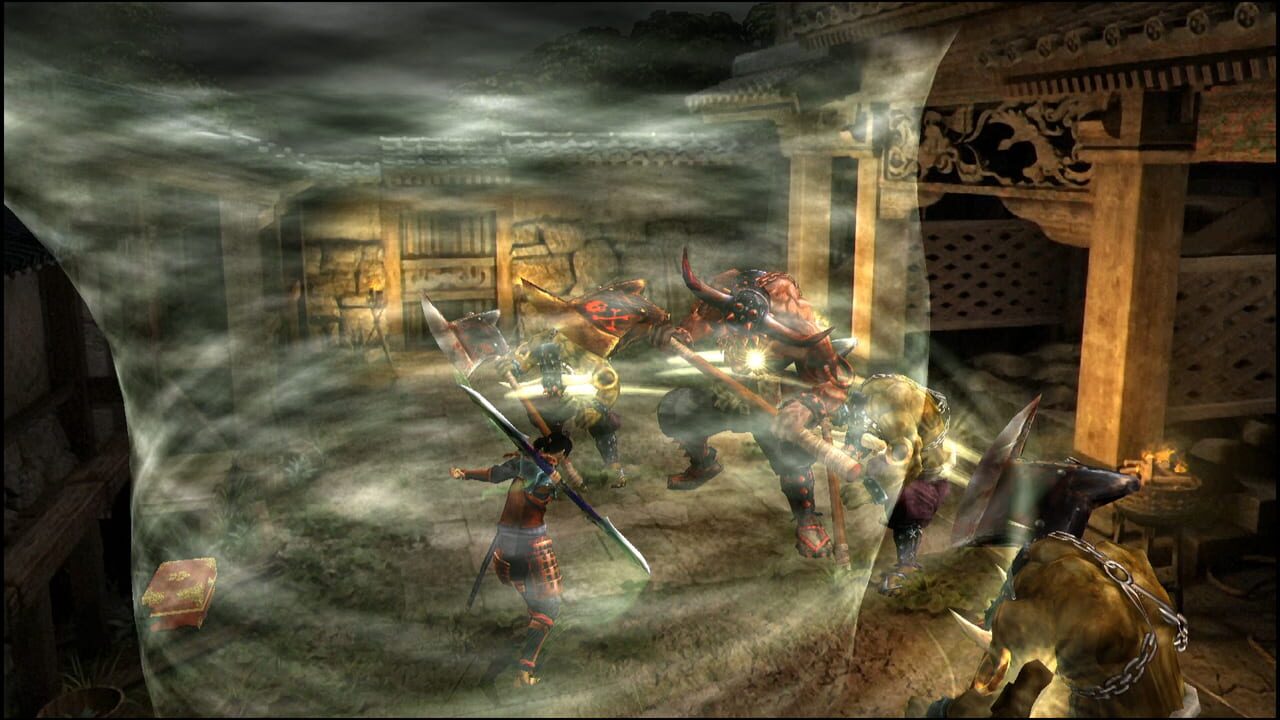
Genma society operates on a strict three-tier hierarchy determined by strength and intelligence. Understanding this structure is crucial to grasping onimusha genma lore and how the demons function as an organized force rather than mindless monsters.
- Low Class Genma form the bulk of the Genma army. These creatures — including Zombie Warriors, Three-Eyes, Bazuu, Musaid, and Zorm — possess minimal intelligence and serve as cannon fodder. They follow orders without question, even unto death. Most of these demons are either naturally occurring or hastily manufactured by Genma scientists. They're fast, they're vicious, but they're expendable.
- Middle Class Genma occupy the middle rung of the hierarchy. Creatures like Baguwassha, Dordo, and Ouija possess enough cognition to speak in broken sentences and exhibit behaviors ranging from cunning to sadistic. They serve as lieutenants and specialized troops — spell-casters, swordsmen, and tactical units. A Middle Class Genma can command Low Class troops and carry out complex orders.
- High Class Genma are the rarest of all. With only a 1-in-100,000 chance of being born, these demons are extraordinarily intelligent and stand second only to Fortinbras in authority. Guildenstern, Gogandantess, Claudius, Rosencrantz, and Ophelia are all High Class Genma. They possess their own personalities, ambitions, and often serve as regional commanders or scientific researchers. Guildenstern, for instance, is a demented demon scientist responsible for creating many of the Genma encountered throughout the series.
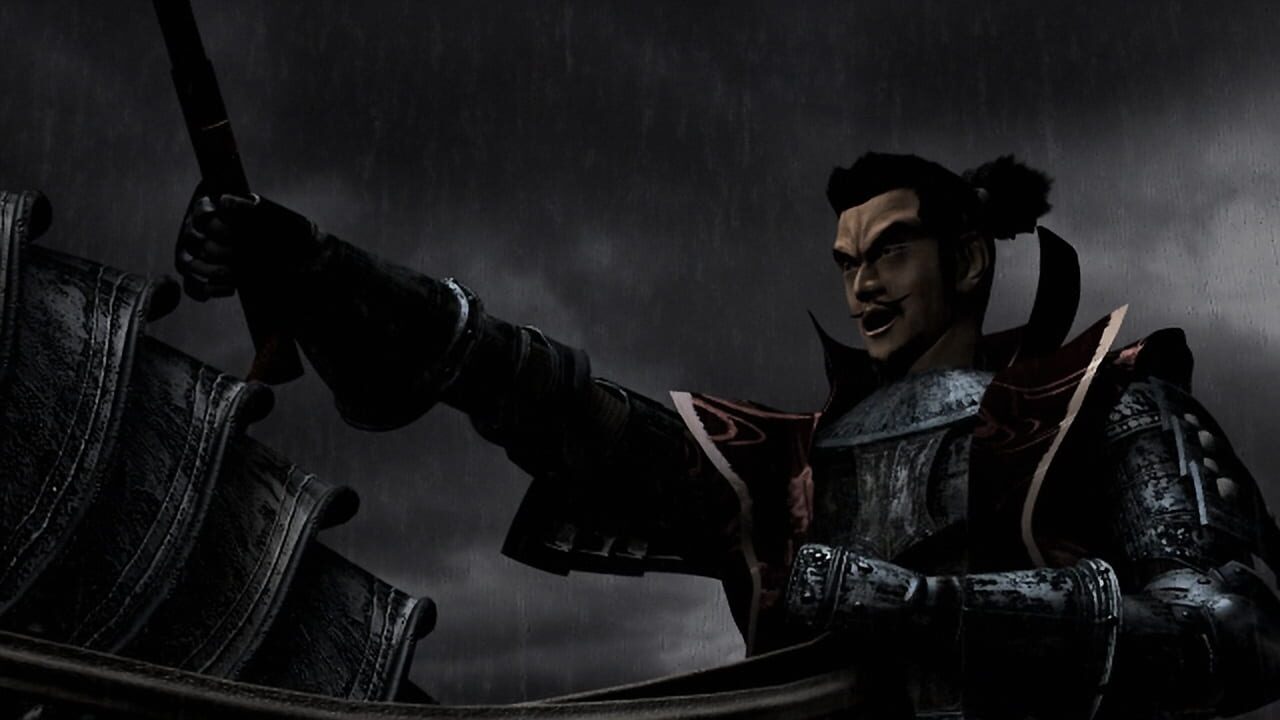
Notably, humans can also be resurrected as Genma. The most infamous example is Oda Nobunaga, the historical Japanese warlord who becomes the Genma Lord after striking a dark pact with Fortinbras. Once converted, these human-Genma hybrids retain their strategic minds while gaining demonic power — making them far more dangerous than any naturally born demon.
Fortinbras: The Creator God and Genma King
Fortinbras stands as the ultimate evil of the Onimusha universe. He is not merely a demon lord — he is a god, the being responsible for the creation of both the Genma and humanity itself. His existence predates civilization, nations, and recorded history. When he moves, the very fabric of reality trembles.
In his true form, Fortinbras appears as a massive white dragon-like creature with red wings, two curved horns, and three eyes — the third eye on his forehead normally kept shut, but capable of unleashing devastating power when opened. This serpent form is actually a diminished state. In his original godly manifestation, Fortinbras resembles a human male dressed in a white three-piece suit, carrying a yellow pocket watch — a haunting image of civilization and order concealing pure cosmic evil.
Throughout the Onimusha series, Fortinbras remains imprisoned in the Demon World, watching and waiting. He cannot directly enter the Human World due to the seal, but he can project his consciousness across dimensions and manipulate events through his servants. His ultimate goal is always the same: break the seal, enter the Human World, and complete his original vision of enslaving all humanity to serve as food and slaves for the Genma.
What makes Fortinbras truly terrifying is his patience. He doesn't rage or rush. He plays the long game, orchestrating events across centuries, resurrecting warlords, corrupting ministers, and slowly accumulating the dark power necessary to break free. When Samanosuke finally confronts him in the original Onimusha: Warlords, the battle shakes the very foundations of the Demon World itself — a clash between an Onimusha warrior and a being who has existed since the universe's creation.
The Dark Ceremony: How the Genma Fuel Their Power
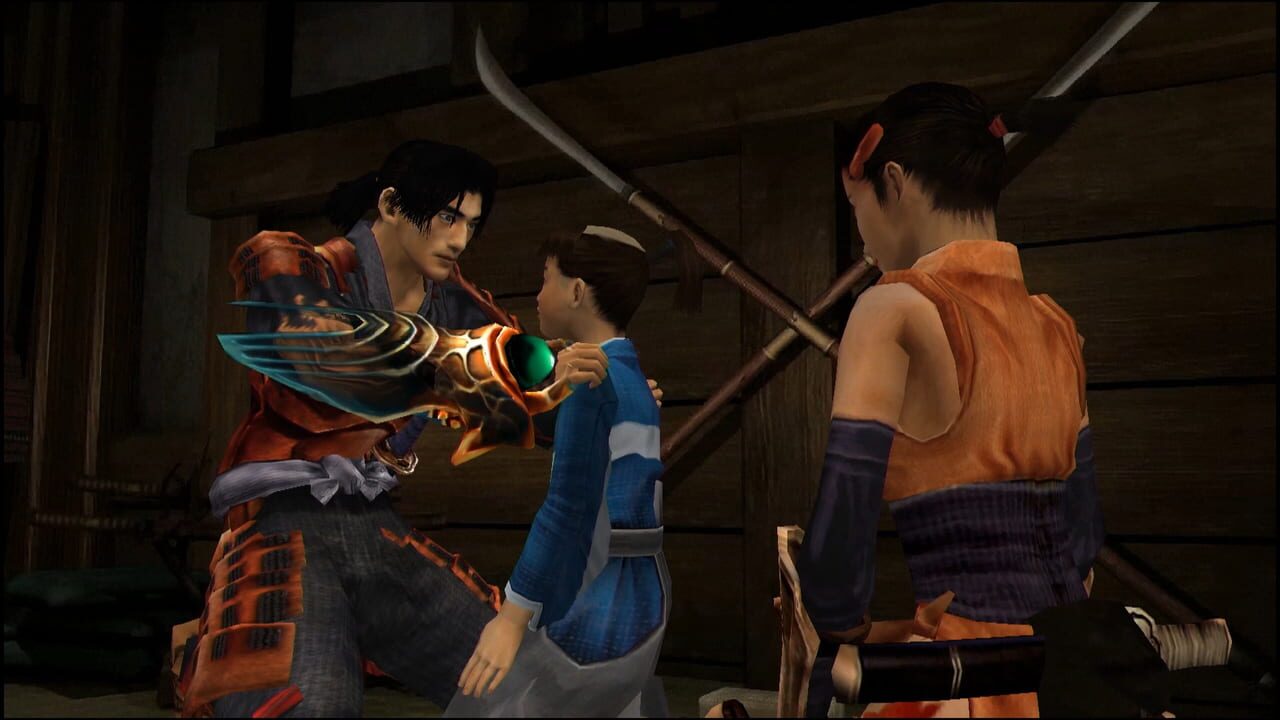
One of the most disturbing aspects of onimusha genma lore is the Dark Ceremony — a ritual through which the Genma cement their pacts with human servants and channel dark power to break their seals. The ceremony requires a specific sacrifice: a woman with a noble heart, whose blood is sanctified by Fortinbras himself.
In Onimusha: Warlords, Princess Yuki becomes the target of this ceremony. The Genma spread evil essence throughout Inabayama Castle, slowly kidnapping maids and servants to weaken the castle's spiritual defenses. When Yuki notices the disappearances and sends a distress letter to her cousin Samanosuke, she has no idea that she has already been marked for sacrifice. The ceremony isn't just a ritual — it's a power transfer mechanism. When Nobunaga drinks the sanctified blood of a noble woman, he gains immortality and amplified demonic power, while the Genma collectively absorb dark essence that strengthens their position in the Human World.
This pattern repeats across multiple games. In Onimusha: Dawn of Dreams, the Genma create the Genma Mother Tree and Genma Insects to infect the population, slowly building enough dark essence to resurrect Fortinbras himself. The ceremonies are always about accumulation — gathering power drop by drop until the dam breaks and the Creator God can walk freely among humans once more.
Guildenstern and Rosencrantz: The Architects of Abomination
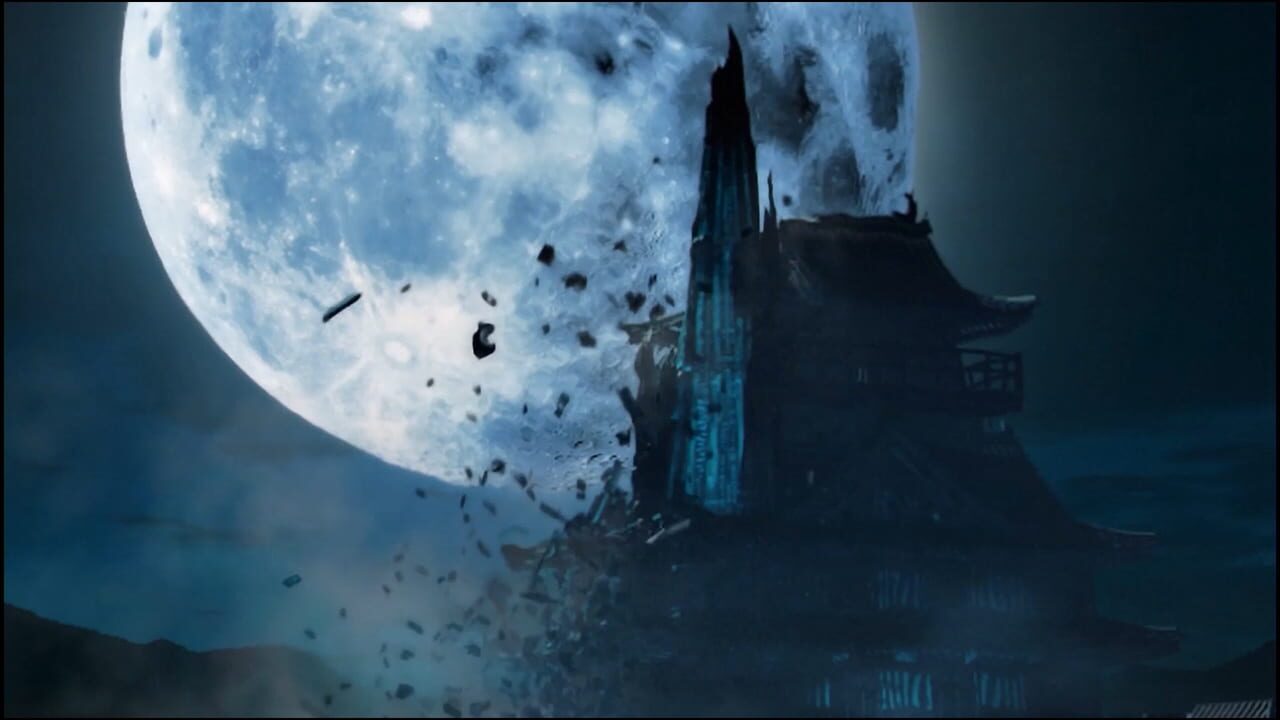
If Fortinbras is the vision, Guildenstern and Rosencrantz are the execution. These two High Class Genma scientists are responsible for the creation and modification of countless demon species encountered throughout the Onimusha series. Guildenstern, in particular, stands out as a demented genius whose experiments have produced some of the most horrifying creatures in the Genma arsenal.
Guildenstern's resume of horrors includes the creation of Marcellus (a converted Oni warrior), the manufacturing of countless specialized Genma breeds, and the construction of massive weapons like the Genma Tank. He's not mindlessly evil — he's intellectually curious in a deeply twisted way. When he discovers the Boulogne Zoo during the Paris invasion in Onimusha 3, he's genuinely outraged that humans would confine animals for experimentation, completely oblivious to the irony that he spends his existence experimenting on humans whom he views as "maggots."
Rosencrantz, while less prominent in the narrative, is equally culpable. Together, these two demons represent the Genma's ability to adapt and innovate. They don't simply rely on raw power — they engineer solutions, breed new demon types, and constantly evolve their forces to counter the Onimusha warriors.
The Genma in Modern Times: Shuten Doji and Way of the Sword
The Genma threat doesn't end with the historical Sengoku period. In the upcoming Onimusha: Way of the Sword, releasing September 25, 2026, the demonic menace resurfaces with fresh fury. The game introduces a new setting — Kyoto during the early Edo period — and a formidable new antagonist: shuten doji onimusha, a colossal Genma who claims to be the legendary oni of Japanese folklore.
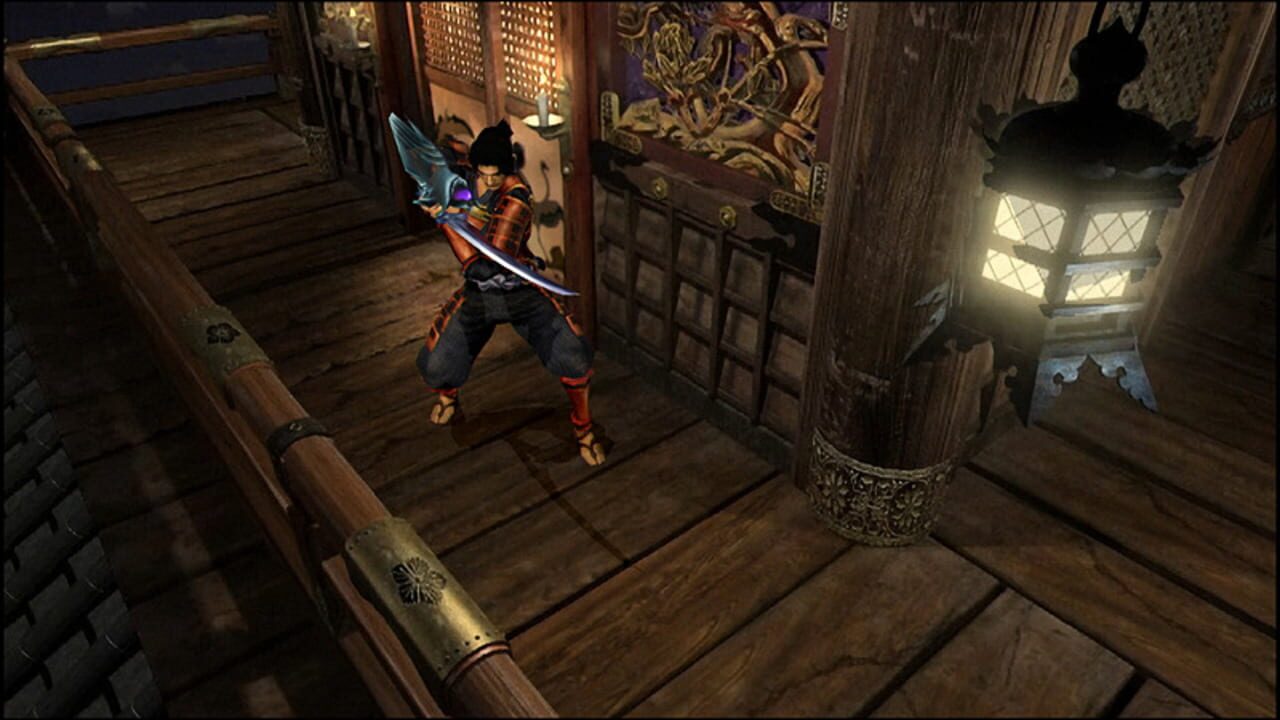
Mount Oe, a location steeped in Japanese legend and history, has fallen under the control of this massive Genma. According to Capcom's official announcements, Shuten Doji claims to be the mythical demon from ancient tales, but the developers have deliberately left his true nature ambiguous. Is he genuinely the legendary oni reborn, or is he simply a High Class Genma appropriating the name to inspire fear? Either way, Miyamoto Musashi — the protagonist of Way of the Sword — must confront this creature wielding the Oni Gauntlet and his supernatural speed and strength.
The fact that a new Genma threat emerges centuries after the events of the original games reinforces a crucial point about onimusha demons: they are not a problem that can be permanently solved through military victory alone. Even when Fortinbras is defeated, even when major Genma lords fall, the underlying demonic infrastructure persists. New leaders rise. New schemes emerge. The Genma are patient, organized, and seemingly endless in their capacity for resurrection and reinvention.
The Genma Arsenal: Diversity in Damnation
One of the most striking aspects of the Genma is their sheer variety. Unlike many video game villain factions that rely on a handful of repeated enemy types, the Genma present an almost bewildering array of forms and abilities. This diversity serves a narrative purpose — it reinforces the idea that the Genma are not a monolithic force, but a civilization with different castes, specializations, and evolutionary paths.
Three-Eyes are agile ninja-like assassins with supernatural speed. Zombie Warriors are shambling foot soldiers. Reynaldos attack with tentacle-like arms that can regenerate when severed. Gerohones are wall-mounted creatures that seal off doorways. Fleanceous can turn invisible and stun with electrical energy. Genma Generals are massive sword-wielding commanders capable of devastating elemental attacks. The list goes on — Babian (disguised as dolls), Moles (lightning-fast burrowers), Hyukan (lantern-like underground attackers), and countless others.
This variety isn't random. It reflects the Genma's scientific approach to warfare. Guildenstern and Rosencrantz didn't simply breed demons — they engineered them for specific tactical roles. Some are designed for infiltration. Others for siege warfare. Some specialize in psychological terror. The Genma military is a finely calibrated machine, and every unit has a purpose.
The Seal and the Sword: Humanity's Only Defense
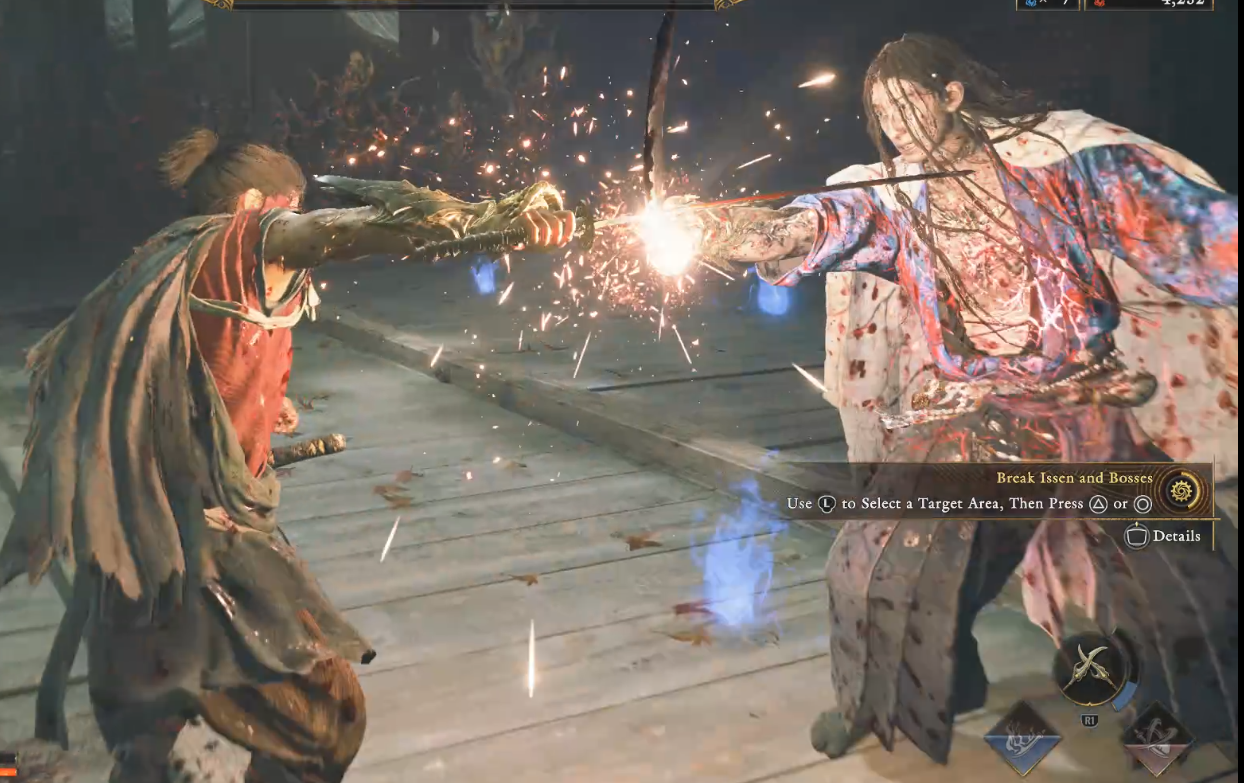
If the Genma represent an overwhelming cosmic threat, the Bishamon Sword represents humanity's only viable counter. This legendary blade is the sole weapon capable of permanently harming Fortinbras and sealing away his power. Throughout the Onimusha series, possession of the Bishamon Sword becomes the linchpin of every major conflict.
The sword's power is tied to the Oni themselves. The Oni God of Destruction used it to seal Fortinbras, and his corpse — still impaled by the blade — remains hidden in a sealed chamber within the Demon World. To retrieve the Bishamon Sword, an Onimusha warrior must use the Bishamon Ocarina, a mystical instrument that can only be found in the deepest depths of the Dark Realm. The very act of retrieving the sword requires confronting the sealed body of an ancient god — a task that demands immense courage and power.
The Bishamon Sword is more than a weapon. It's a physical manifestation of the Oni's sacrifice, a tangible reminder that humanity's survival depends on the willingness of warriors to stand against impossible odds. Every Onimusha protagonist who wields this blade carries with them the weight of that ancient covenant between the Oni and humanity.
The Path Forward: Genma Threats in an Uncertain Future
The Genma problem is not solved. Even as of 2026, with Way of the Sword on the horizon, the demonic threat persists. New Genma rise to power. New pacts are struck between humans and demons. The seal on Fortinbras holds, but for how long? Each game in the Onimusha series suggests that the struggle against the Genma is eternal — not a war that can be won, but a conflict that must be perpetually fought.
This is what makes the Genma so compelling as antagonists. They're not simply evil for evil's sake. They're the embodiment of a fundamental cosmic imbalance — a race literally created to prey on another, an immortal god imprisoned but not destroyed, a hierarchy of demons working in concert across centuries to achieve a singular goal. Understanding the Genma means understanding the very foundation of the Onimusha universe.
The next time you face a Genma in any Onimusha game, remember: you're not fighting a random monster. You're fighting a soldier in an army commanded by a god, part of a conspiracy that spans millennia, a creature engineered by cosmic forces to be your predator. And that's exactly why defeating them matters.
Game được nhắc đến


Khám phá thêm
Samurai Sword Combat in Onimusha: Way of the Sword — Edo-Era Kyoto, Musashi's Blade, and the Return of a Legend
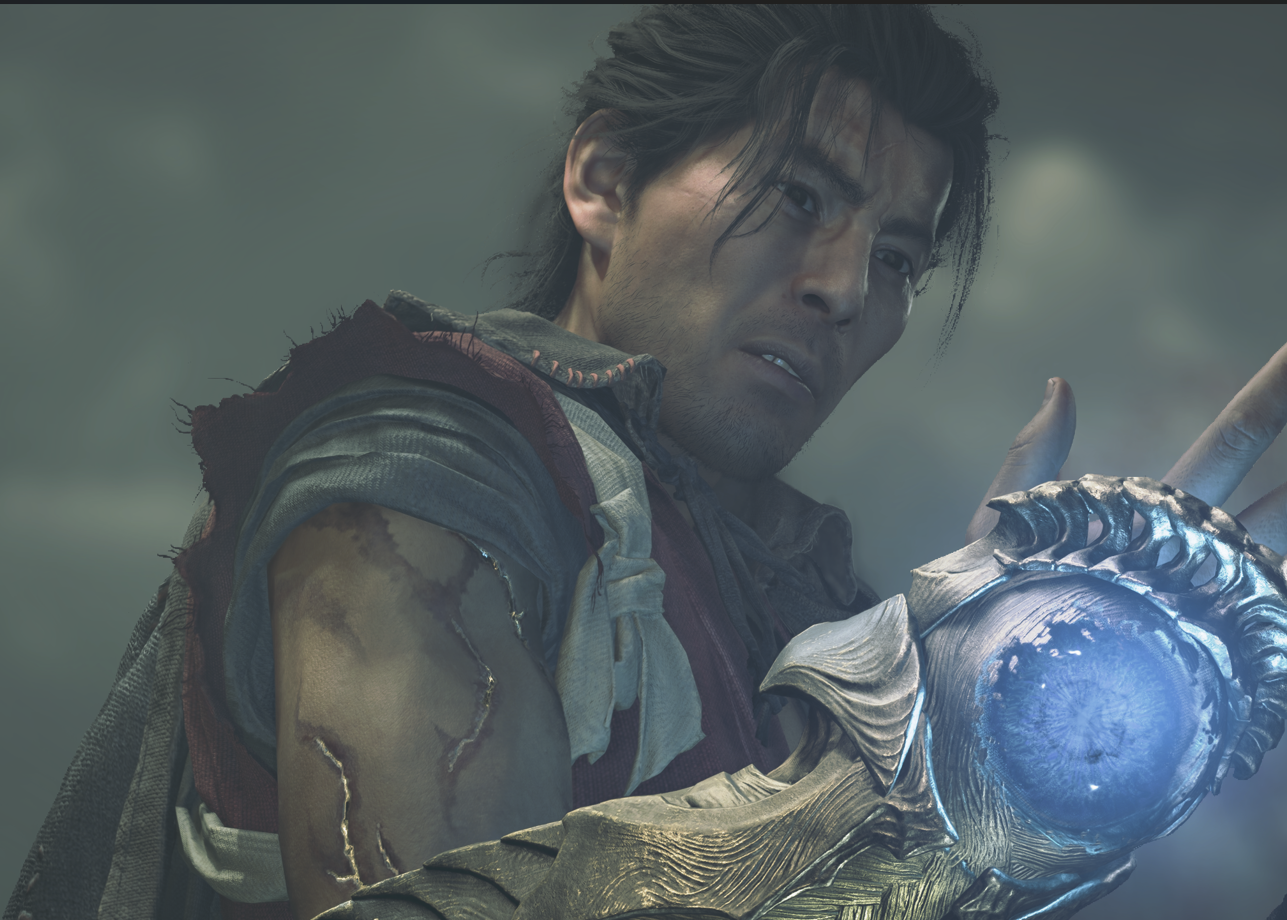
Capcom's Onimusha: Way of the Sword puts you in the sandals of Miyamoto Musashi — history's most legendary swordsman — and drops him into a demon-infested, supernaturally corrupted Kyoto. Here's a deep dive into the samurai sword mechanics, the Edo-era setting, the Genma threat, and why this might be the best action game Capcom has built in years.
Onimusha: Way of the Sword – Release Date, Gameplay & Story Details
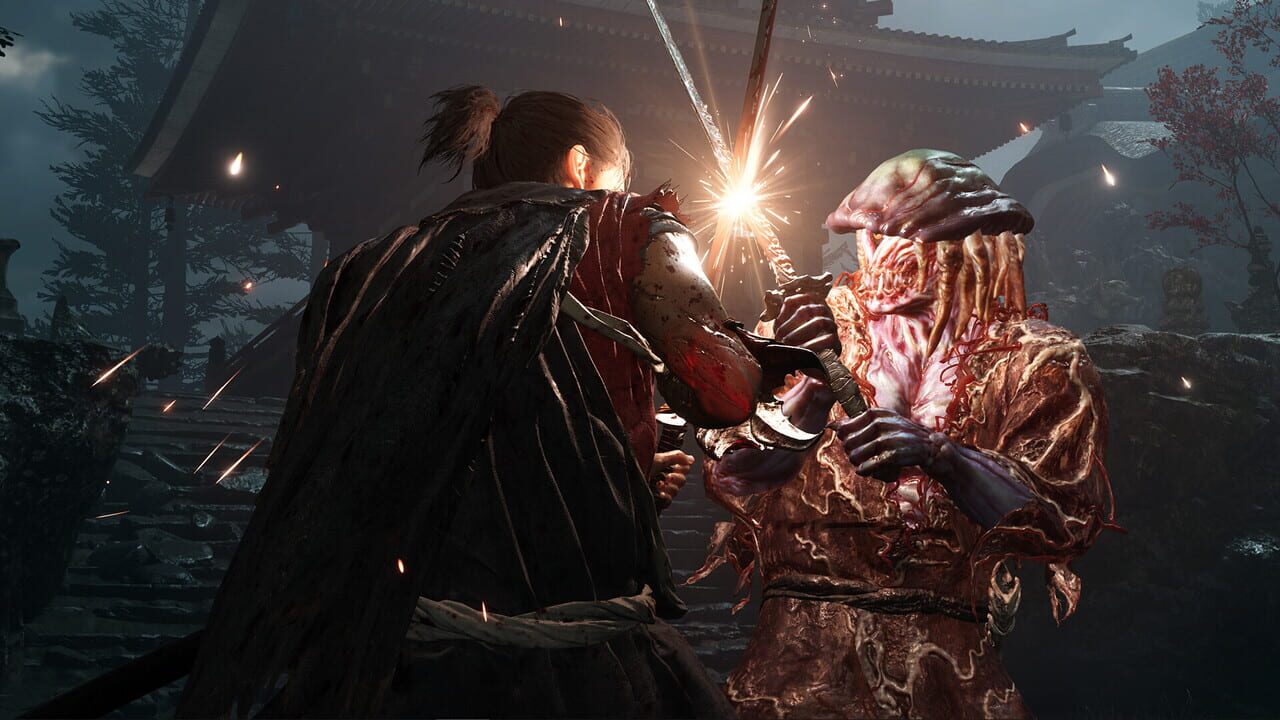
Onimusha: Way of the Sword releases September 25, 2026. Explore gameplay mechanics, story details, and the free demo for Capcom's samurai action revival.
Onimusha: Way of the Sword – Complete Guide to Combat, Demo Tips & September 2026 Release
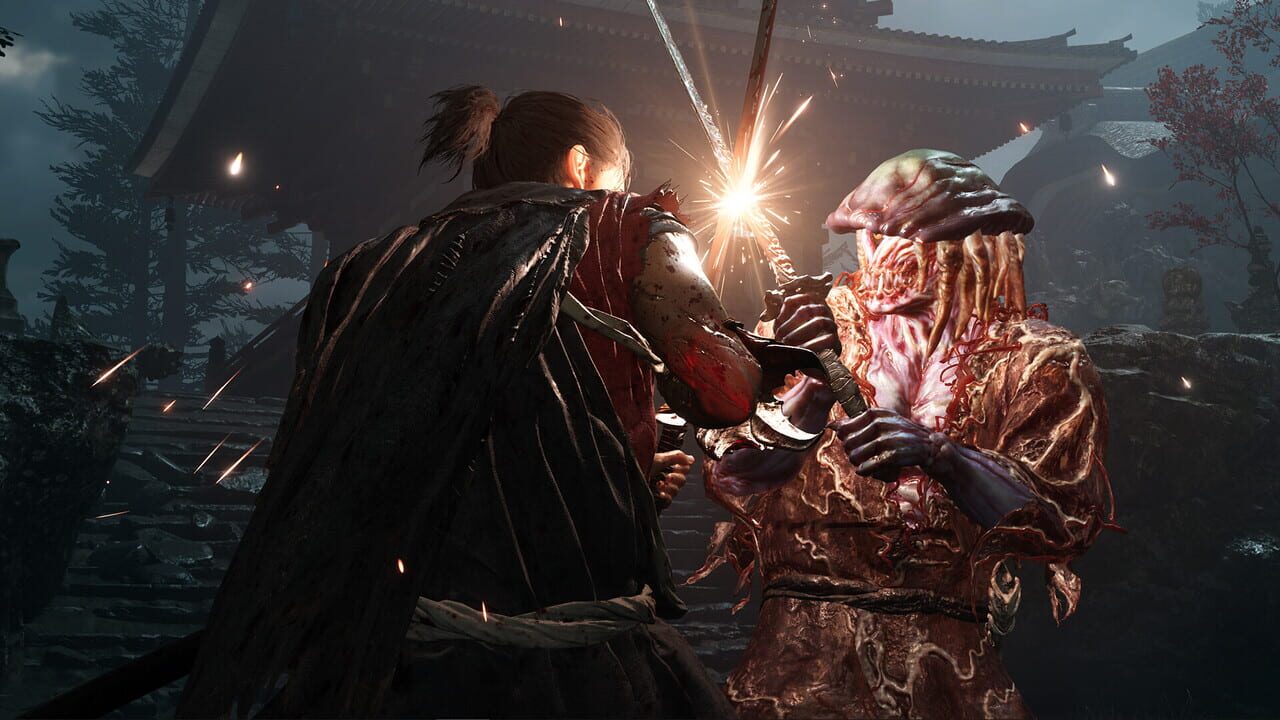
Master Onimusha: Way of the Sword combat mechanics, parry timing, and soul systems. Demo tips, PS5 release date September 25, 2026, and complete beginner guide.
PS5 State of Play Games 2026: Complete List of All Announced Titles
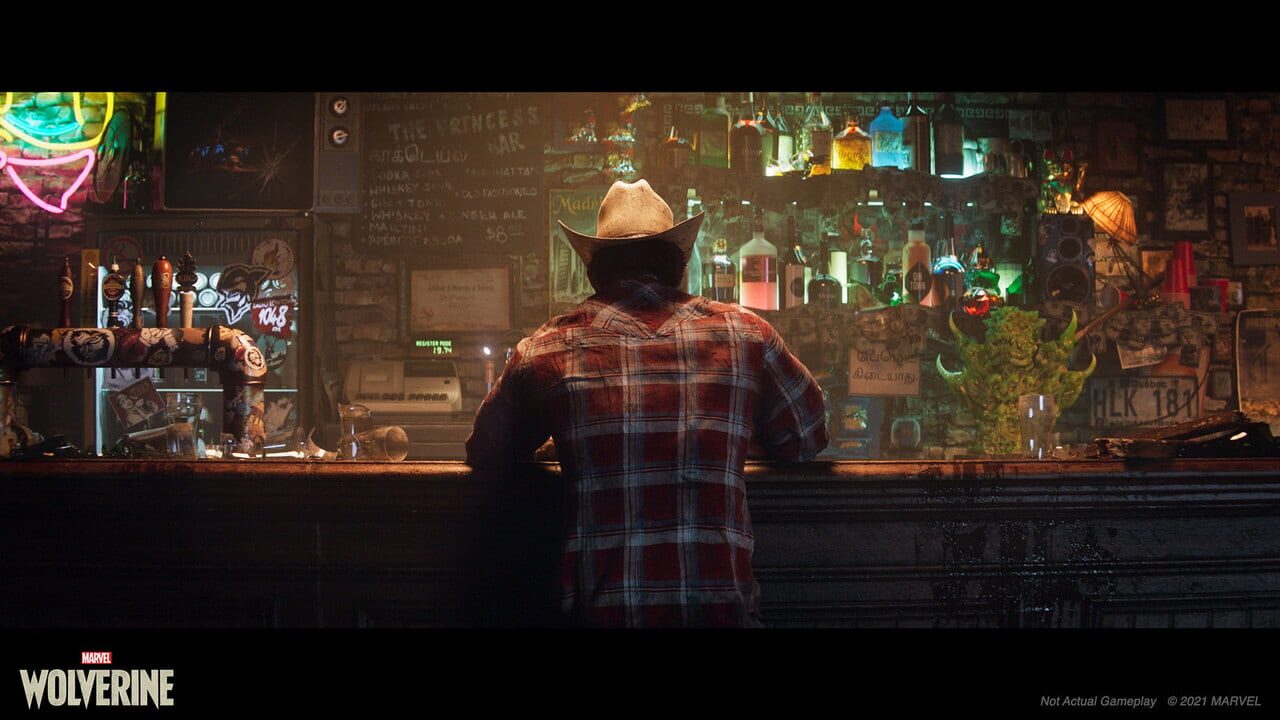
Complete list of PS5 State of Play games announced June 2, 2026. Marvel's Wolverine, God of War Laufey, Until Dawn 2, and 20+ more titles with release dates.