
Leon Kennedy in Resident Evil Requiem: Role, Story, and What to Expect

Released on February 27, 2026, Resident Evil Requiem serves as the ninth mainline entry in Capcom's survival horror franchise. Leon shares the spotlight with newcomer Grace Ashcroft in a dual-protagonist structure that blends classic action gameplay with intense survival horror elements, creating what might be the most balanced Resident Evil experience in years.
Game nổi bật trong bài viết
Xem tất cả game »
Resident Evil Requiem
9.3Siêu PhẩmResident Evil Requiem là phần thứ chín trong series Resident Evil nổi tiếng, thuộc thể loại bắn súng, giải đố và phiêu lưu. Người chơi sẽ trải nghiệm những khoảnh khắc hồi hộp khi tìm cách thoát khỏi cái chết trong một thế giới đầy rẫy nguy hiểm. Đây là một tựa game hứa hẹn mang đến những trải nghiệm đáng nhớ cho người hâm mộ.
ShooterPuzzleAdventurePhát hành: 27/2/2026Mở »
Resident Evil 4
Resident Evil 4 is a remake of the 2005 original Resident Evil 4 reimagined for 2023 to bring state-of-the-art survival horror. Resident Evil 4 preserves the essence of the original game, while introducing modernized gameplay, a reimagined storyline, and vividly detailed graphics to make this the latest survival horror game where life and death, terror and catharsis intersect.
ShooterPuzzleAdventurePhát hành: 24/3/2023Mở »
Resident Evil 4
Resident Evil 4 is the sixth installment in the Resident Evil series and is often noted for its departure from the fixed camera angles of earlier titles. It introduced an over-the-shoulder third-person perspective, faster-paced gunplay, and more dynamic controls. The game features larger, more open environments and a new AI system that enables enemies to coordinate attacks and attempt to corner the player. Enemies exhibit more human-like behavior, such as climbing ladders, opening doors, and using weapons.
ShooterAdventurePhát hành: 11/1/2005Mở »
Leon S. Kennedy returns in Resident Evil Requiem, marking one of the most significant comebacks for the franchise's most beloved protagonist. After his crucial role in the Resident Evil 4 Remake and decades of zombie-slaying adventures, fans finally get to see Leon tackle a mission that brings him full circle—back to where his nightmare began. This comprehensive guide explores Leon's involvement in Resident Evil Requiem, his story role, gameplay mechanics, and why this entry might be the veteran agent's most personal mission yet.
Released on February 27, 2026, Resident Evil Requiem serves as the ninth mainline entry in Capcom's survival horror franchise. Leon shares the spotlight with newcomer Grace Ashcroft in a dual-protagonist structure that blends classic action gameplay with intense survival horror elements, creating what might be the most balanced Resident Evil experience in years.
Leon Kennedy's Starring Role in Resident Evil Requiem
Leon occupies approximately half of the game's playable content, alternating chapters with FBI analyst Grace Ashcroft. According to director Koshi Nakanishi, the dual-protagonist structure was essential to deliver both the survival horror experience fans crave and the action-packed sequences that Leon embodies.
Leon appears as a seasoned Division of Security Operations agent investigating a series of mysterious deaths connected to a new bioweapon. When a police officer goes missing at the Wrenwood Hotel in the American Midwest, Leon is dispatched to the scene—where his path intersects with Grace's investigation into the same facility where her mother was murdered eight years prior. What starts as separate investigations quickly converges into a shared nightmare that forces both characters to confront the legacy of Raccoon City.
Capcom's character design for Requiem presents Leon at a fascinating stage in his life. The developers describe him as an "ikeoji" figure—a Japanese term for an attractive older man who exudes cool confidence despite his age. This Leon is grizzled, weathered by decades of bioterrorism combat, yet still retains the trademark charm and sass that made him iconic. Women at Capcom reportedly spent considerable time perfecting his visual design, paying attention to details as specific as the wrinkles on his neck to ensure he looked appropriately aged yet still appealing.
How Old is Leon in Resident Evil Requiem?
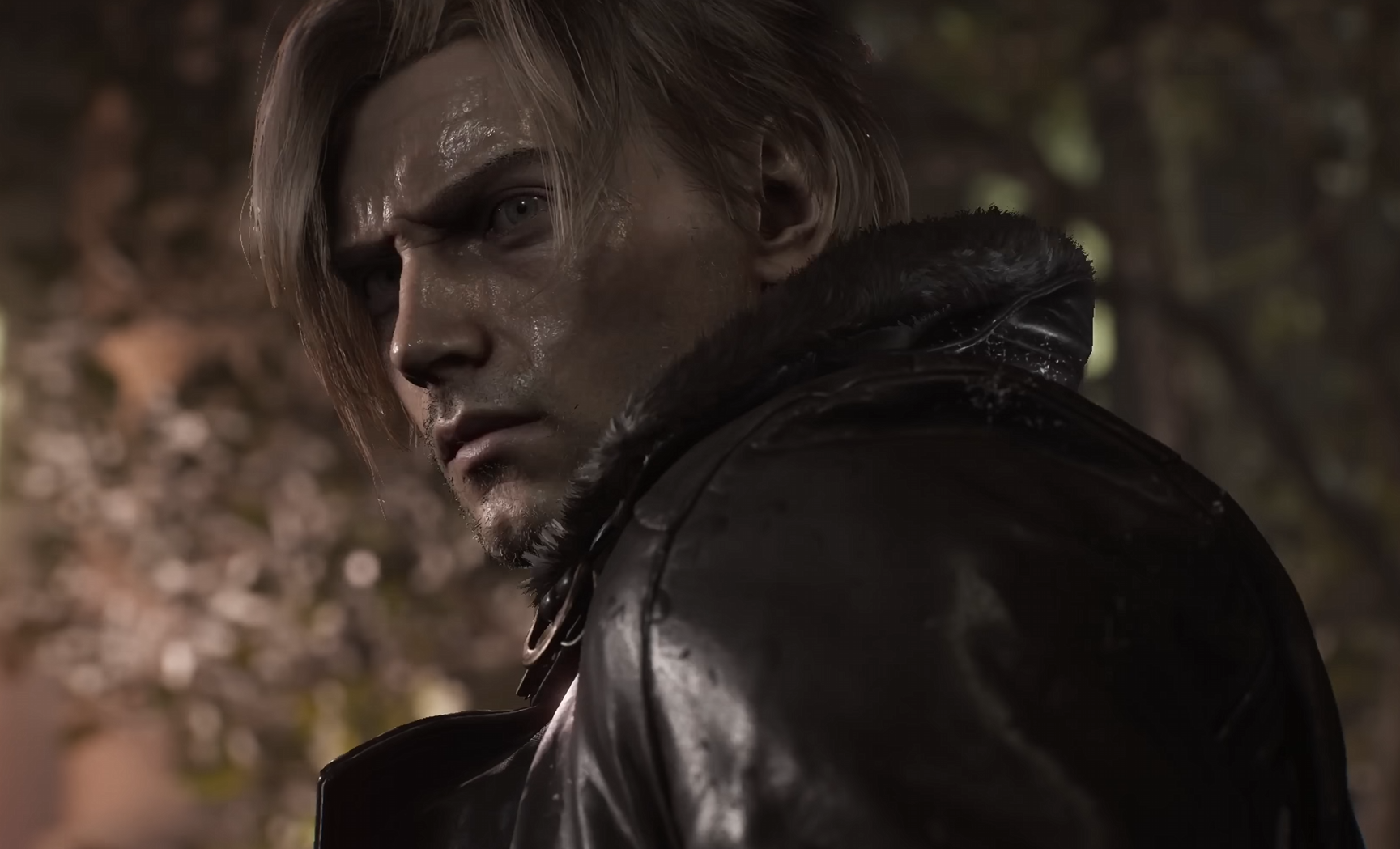
Leon Kennedy is 51 years old during the events of Resident Evil Requiem. While Capcom initially marketed the game as taking place "30 years after the Raccoon City incident" for dramatic effect, evidence within the game confirms it actually occurs in October 2026—28 years after the 1998 Raccoon City destruction. Born on July 31, 1977, Leon would be 51 years old at this point in the timeline.
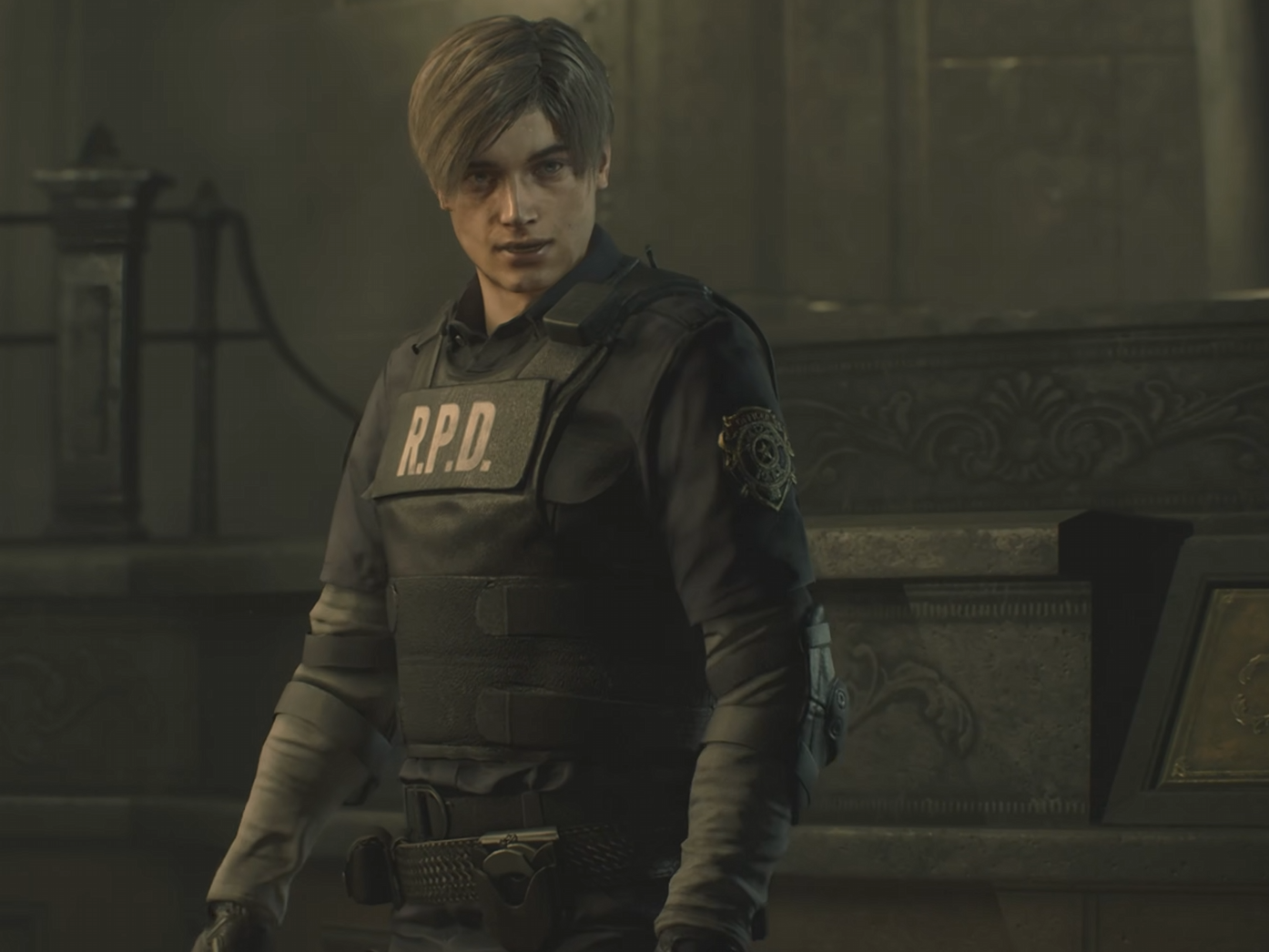
This makes Resident Evil Requiem the first time players control Leon in his late forties, a significant departure from his previous appearances. For context, Leon was 21 during Resident Evil 2 (1998), 27 in Resident Evil 4 (2004/2005 timeline), and 35 in Resident Evil 6 (2013 timeline). Nearly three decades have passed since that fateful first day as a rookie cop in Raccoon City, and it shows in both Leon's appearance and demeanor.
Honestly? I love this decision. Too many action franchises refuse to let their protagonists age realistically. Seeing Leon as a man pushing fifty who still kicks ass but clearly bears the physical and mental scars of his career adds depth that younger Leon iterations couldn't capture. The graying hair, the deeper voice (expertly performed by returning voice actor Nick Apostolides), and the world-weary attitude create a more compelling character than the quip-machine of RE4 or the boy scout of RE2.
Leon's Legacy: From Rookie Cop to Veteran Agent
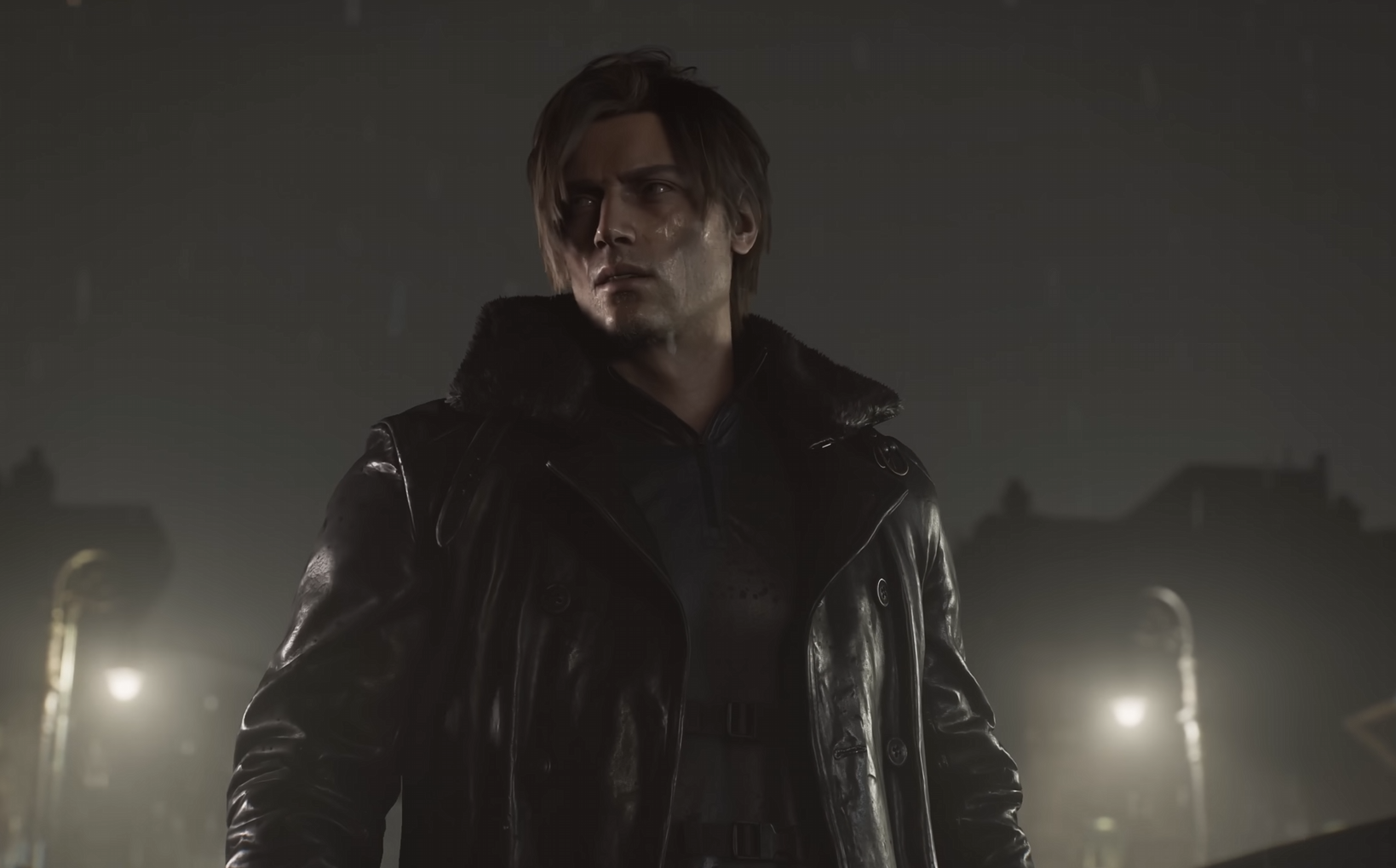
To understand Leon's significance in Resident Evil Requiem, we need to appreciate his journey through the franchise. Leon has been a classic protagonist since his debut, but it was Resident Evil 4—originally released on GameCube in 2005—that truly cemented his legendary status. RE4 revolutionized the action-adventure genre and put a bold new twist on the Resident Evil formula, moving away from fixed camera survival horror toward over-the-shoulder action gameplay that influenced an entire generation of games.
The overwhelming success of the original RE4 led to its remake, which launched on March 24, 2023, for PlayStation 5, Xbox Series X|S, PlayStation 4, and PC. The remake became the fastest-selling Resident Evil game in history, moving over 10 million copies and introducing Leon to a new generation of players. That remake's success undoubtedly contributed to Capcom's decision to make Leon a co-protagonist in Requiem rather than relegating him to a supporting role.
Between RE4 and Requiem, Leon appeared in Resident Evil 6 (2012, set in 2013 timeline) where he was 36 years old. He's also featured in various animated films including Resident Evil: Degeneration, Damnation, Vendetta, Death Island, and the Infinite Darkness series. Each appearance built his reputation as the government's go-to agent for bioterrorism crises, taking him from rural Spain to Eastern Europe to global hotspots battling increasingly complex bioweapon threats.
What makes Requiem's timeline placement significant is the gap since Leon's last mainline game appearance. Thirteen years have passed in both real-world time (RE6 released in 2012) and in-universe chronology (RE6 set in 2013, Requiem in 2026). Leon has gone through an entire career phase off-screen, and Requiem forces him to reckon with everything that's happened since Raccoon City—including a potentially terminal consequence of that first mission.
The Raccoon City Syndrome: Leon's Personal Stakes
Resident Evil Requiem introduces a devastating plot element that raises the personal stakes for Leon dramatically: Raccoon City Syndrome, also known as Latent Onset T-Virus Syndrome. According to the game's lore, some survivors of the 1998 Raccoon City incident developed a delayed sickness resulting from prolonged T-Virus exposure. Leon appears to have contracted this disease, adding a ticking clock element to his investigation.
This revelation recontextualizes Leon's entire career. Every bioweapon encounter, every mission, every near-death experience has been happening while Leon unknowingly carried a potentially fatal infection from that first night in Raccoon City. It's a brilliant narrative choice that makes his investigation in Requiem deeply personal—he's not just solving another case, he's potentially searching for his own cure while confronting the source of his lifelong nightmare.
The Raccoon City Syndrome subplot also fuels speculation that Resident Evil Requiem might serve as Leon's final chapter. Industry insiders, including notable leaker Dusk Golem (who correctly predicted Leon's inclusion in RE9 nearly a year before official confirmation), suggest Requiem could conclude Leon's story arc. Whether that means his death, retirement, or finding a cure remains to be seen, but the stakes have never been higher for the veteran agent.
Gameplay: Action-Packed Combat Meets Survival Elements
As promised and teased before release, Resident Evil Requiem combines the franchise's two modern gameplay directions into one cohesive package: first-person survival horror gameplay (exemplified by RE7 and RE Village) and action-packed third-person combat (the RE2, RE3, and RE4 remakes). Players can switch between first-person and third-person perspectives for both Leon and Grace's sections, though each character's gameplay style remains distinct regardless of camera choice.
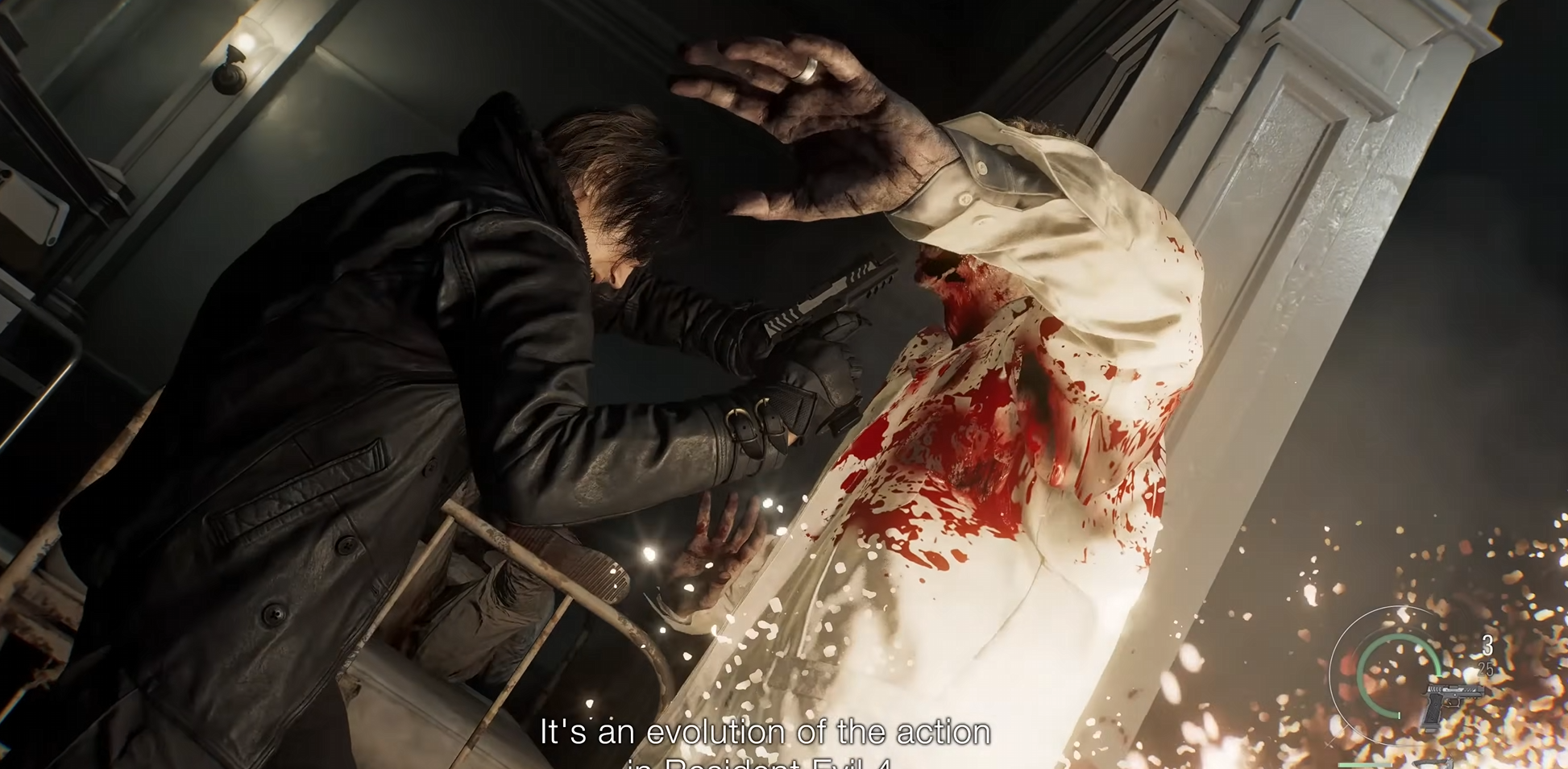
Leon's gameplay sections emphasize action and combat mastery.
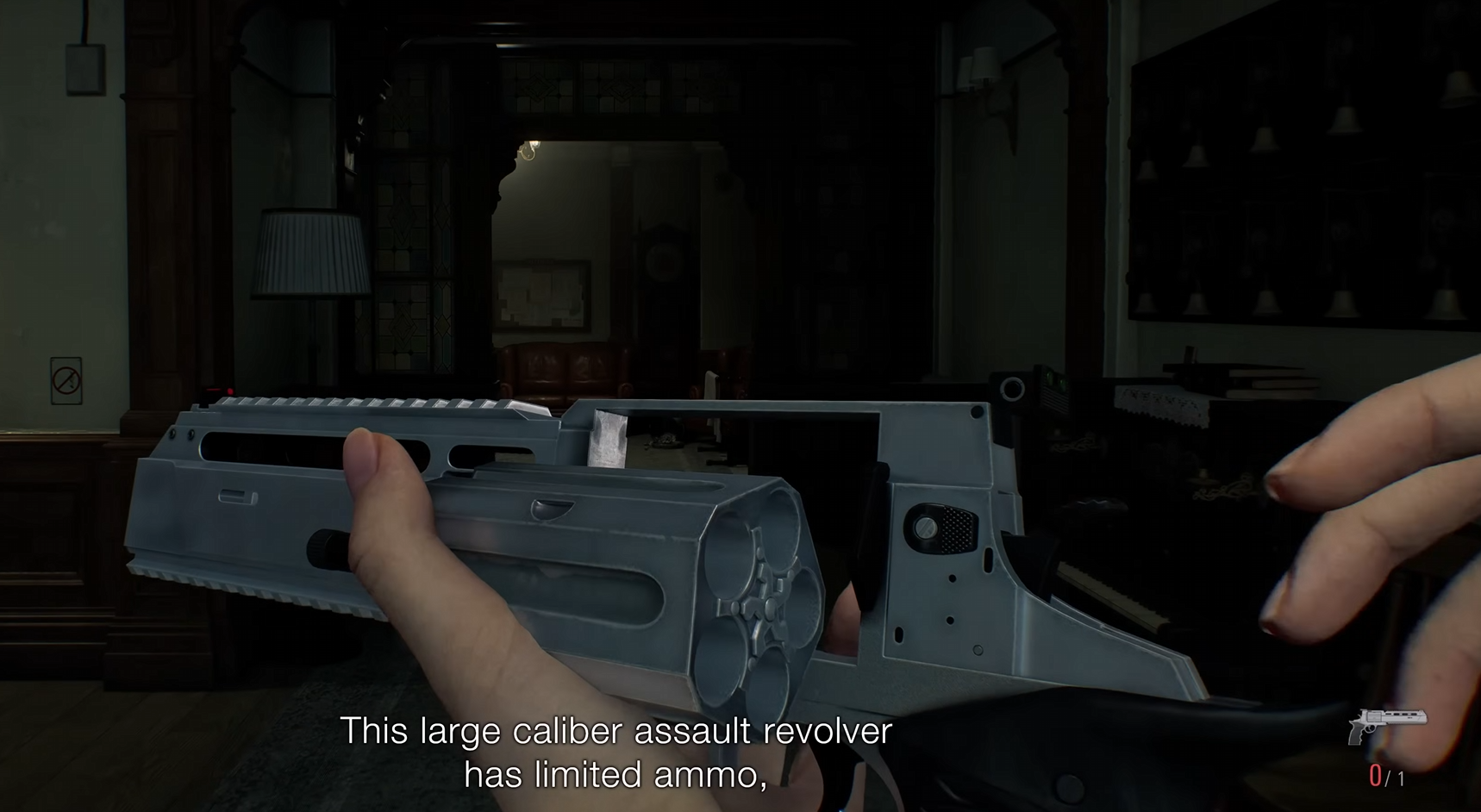
Where Grace must sneak, hide, and carefully manage limited resources while being pursued by persistent enemies,
Leon confronts threats head-on with an arsenal of weapons and hand-to-hand combat skills honed over decades of bioterrorism combat. The contrast intentionally showcases the experience gap between a rookie analyst and a veteran DSO agent.
Leon's combat toolkit includes his signature weapons: the Alligator Snapper pistol and MSBG 500 pump-action shotgun feature prominently, along with hand grenades (apparently exclusive to Leon's sections for crowd control). The weapon upgrade system mirrors the Resident Evil 4 Remake's approach, with stats including Power, Stability, Precision, Rate of Fire, Reload Speed, and Ammo Capacity all modifiable through the mysterious Merchant or similar upgrade mechanics.
What makes Leon's combat truly shine are the brutal melee options and environmental interactions. Preview coverage highlights his ability to parry chainsaw attacks—yes, the doctors wielding chainsaws return, because Leon can never escape power tool-wielding maniacs—and even use dropped chainsaws against enemies himself. His hand-to-hand techniques include devastating kicks, grapples, and context-sensitive takedowns that make combat feel visceral and satisfying.
The game director Koshi Nakanishi explained that Leon's sections could provide players "a sense of release" following Grace's tense survival horror chapters. This pacing structure—alternating between white-knuckle hiding sequences and cathartic action combat—creates a rhythm that prevents either gameplay style from becoming stale. It's ambitious, and based on critical reception (Requiem has received universal acclaim), Capcom pulled it off spectacularly.
One detail I particularly appreciate: Leon's sections include more gore and violence than Grace's chapters. This wasn't gratuitous—it's a deliberate design choice to showcase Leon's comfort level with combat violence after decades in the field. Where Grace recoils from brutality, Leon methodically dispatches threats with practiced efficiency. It's environmental storytelling through gameplay mechanics, and it works beautifully.
Story Role: Investigation and Confrontation

Leon's narrative in Resident Evil Requiem begins when he's dispatched to investigate the disappearance of a police officer at the Wrenwood Hotel. What appears as a routine missing person case quickly escalates when Leon discovers connections to a new bioweapon and, more disturbingly, evidence of Raccoon City Syndrome among survivors.
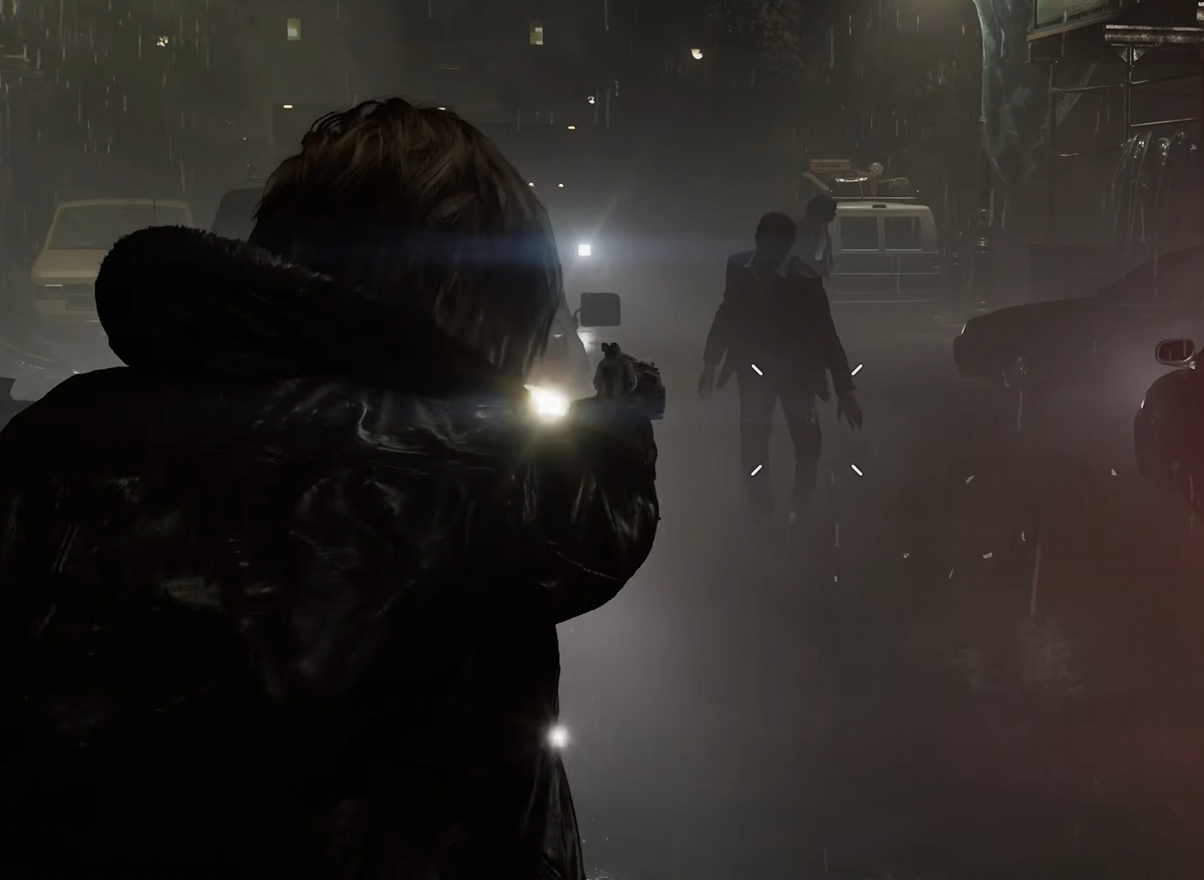
Following leads, Leon tracks Victor Gideon, a researcher with Umbrella connections, to the Rhodes Hill Chronic Care Center. It's here that Leon's investigation intersects with Grace's—she's been kidnapped and wakes up in a different section of the same facility. The two protagonists eventually join forces, pooling Leon's combat experience with Grace's analytical skills to infiltrate ARK, a research facility located beneath the ruins of Raccoon City itself.
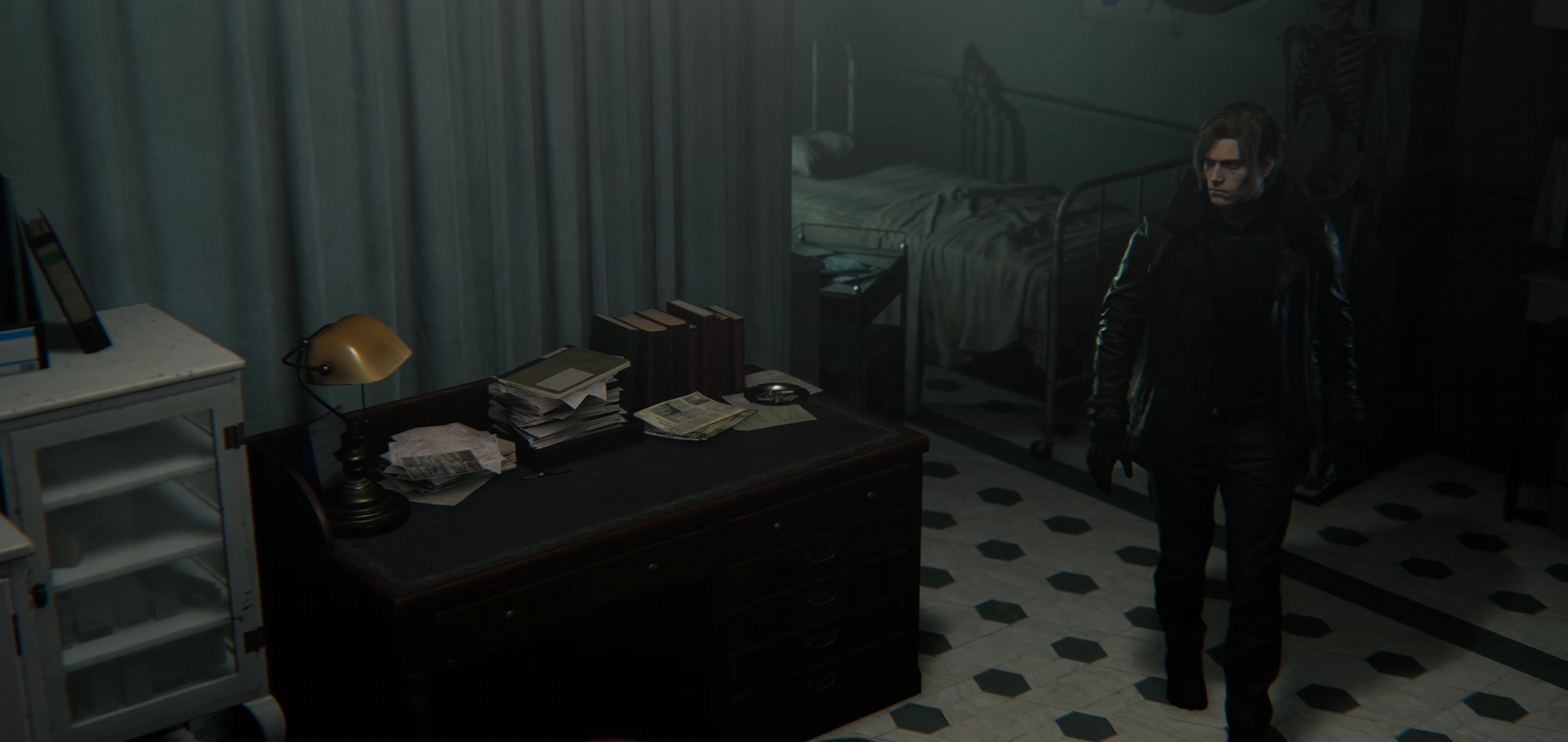
The ARK facility contains "Elpis" samples—bioweapon research that connects directly to the mysterious deaths both Leon and Grace have been investigating. The name Elpis (Greek for "hope") carries thematic weight: Leon seeks hope for a cure to his Raccoon City Syndrome, Grace seeks hope for understanding her mother's death, and both search for hope that they can stop another outbreak before it spreads.

Leon is supported throughout by Sherry Birkin, a fellow DSO agent. Their relationship provides emotional resonance—Sherry was the child Leon and Claire rescued during the Raccoon City incident in RE2, and now she works alongside him as an equal. It's a beautiful full-circle moment that emphasizes how much time has passed and how the trauma of Raccoon City shaped multiple generations.
The Significance of Returning to Raccoon City
Resident Evil Requiem's decision to return to Raccoon City, or more specifically, to the research facilities hidden beneath it, carries tremendous symbolic weight for Leon's character. This is where his nightmare began on September 29, 1998—his first day as a police officer, his first encounter with bioweapons, the mission that inadvertently exposed him to the T-Virus that's now slowly killing him.
For years, Leon has been running from crisis to crisis, never truly processing the trauma of that night. Requiem forces him to literally descend back into the source of his pain, confront the legacy of Umbrella Corporation, and face the possibility that his heroic career was built on a foundation of undiagnosed illness. That's heavy material for a franchise often dismissed as schlocky action horror.
The game's marketing emphasizes this theme with the tagline "will they relive the nightmare...or finally offer up a requiem for the dead?" A requiem is a mass for the dead, a ceremony of remembrance and peace. Leon has never been allowed to properly mourn what he lost in Raccoon City—his idealism, his innocence, potentially his future health. Requiem seems positioned to give him that closure, one way or another.
Technical Performance and Visual Design
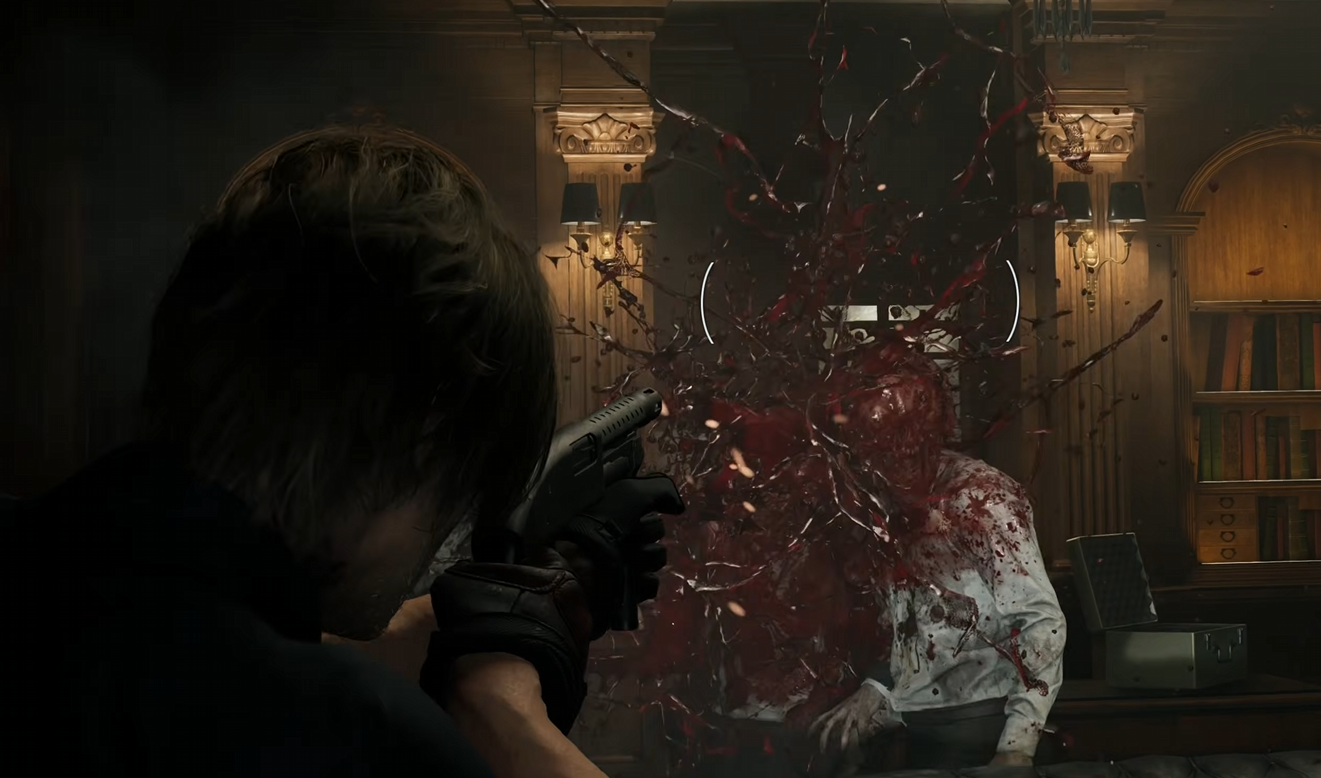
Resident Evil Requiem showcases Leon in stunning detail using Capcom's RE Engine with advanced ray tracing technology. As the first mainline RE game developed exclusively for ninth-generation consoles (PlayStation 5, Xbox Series X|S, PC, and Nintendo Switch 2), Capcom leveraged cutting-edge graphics to bring Leon's aged appearance to life with remarkable fidelity.
Every wrinkle, every gray hair, every scar tells a story. The mo-cap performance by Nick Apostolides captures Leon's physical presence perfectly—he moves with practiced efficiency but occasional stiffness suggesting a man whose body has taken decades of punishment. The attention to detail extends to Leon's signature jacket, which in Requiem appears weathered and worn compared to the pristine version in the RE4 Remake.
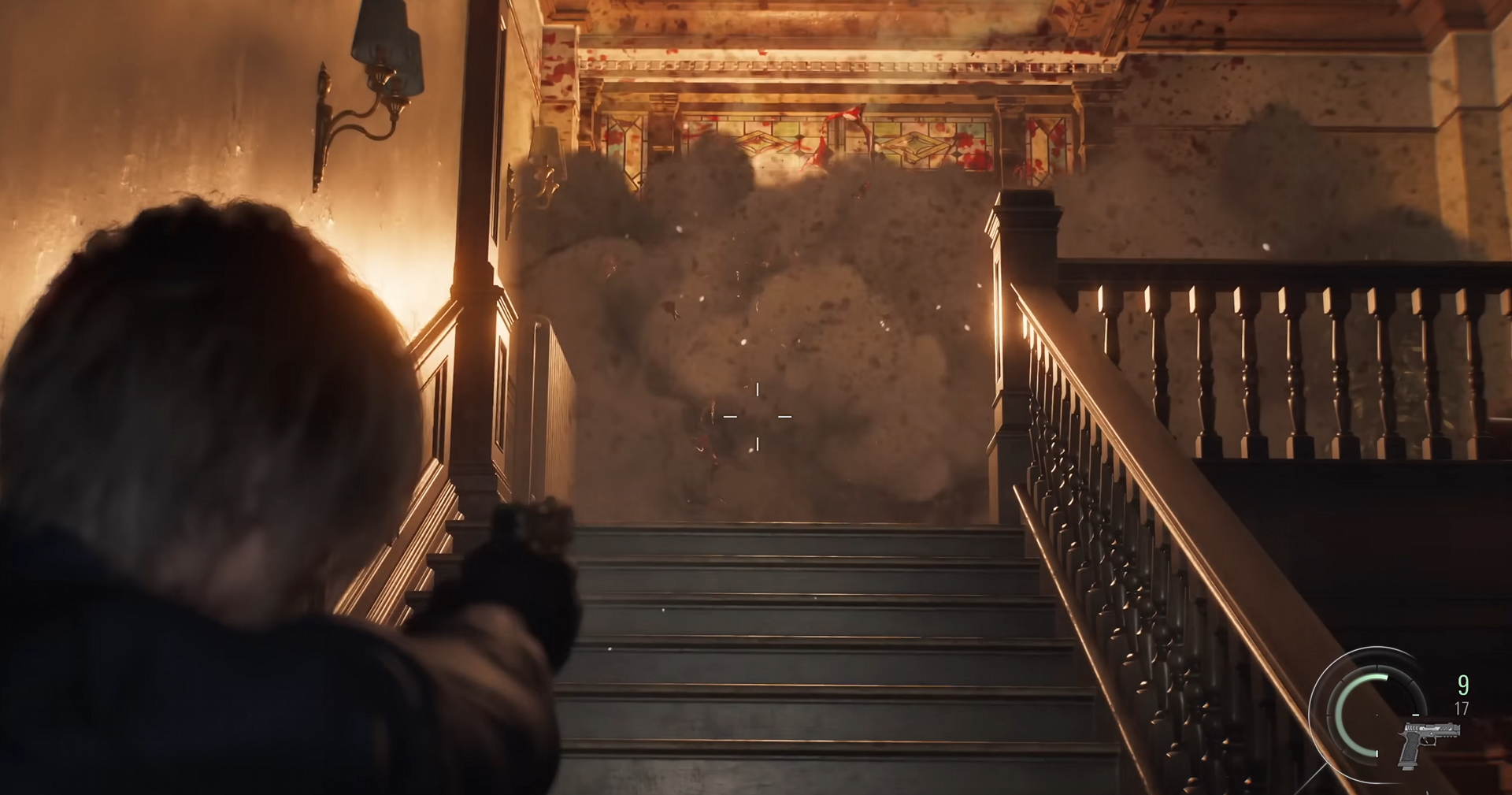
Interestingly, Capcom partnered with Porsche for Requiem, making the Cayenne Turbo GT Leon's official vehicle in the game. It's an amusing departure from RE4's jetski or RE6's absurd motorcycle antics—a luxury SUV suggests Leon has achieved some level of financial comfort befitting a senior government agent. The Cayenne features in gameplay sequences where Leon navigates Raccoon City's destroyed roads, its 631 horsepower engine helping him outrun the undead while providing ample trunk space for puzzle items and survivors. The collaboration even produced a real-world show car that debuted in Los Angeles, complete with specialized add-on parts designed with Capcom.
Community Reception and Fan Speculation
The announcement of Leon's inclusion in Resident Evil Requiem generated massive fan excitement, though tempered with nervous speculation about this potentially being his final game. Social media erupted with discussions about Leon's attractiveness despite (or because of) his age—Capcom's design team succeeded in their stated goal of making Leon everyone's "hot uncle."
Fan theories abound regarding subtle details in the game. Some players noticed Leon wearing what appears to be a wedding band on his right hand in concept art, sparking intense speculation about whether he's married. The most popular theories suggest either Ada Wong or Claire Redfield as potential spouses, though the game never confirms this either way. Other fans argue the ring could symbolize something else entirely—a memorial to fallen comrades, perhaps.
The Raccoon City Syndrome subplot has players frantically theorizing about Leon's fate. Will he die heroically? Find a cure in the ARK facility? Sacrifice himself to stop the outbreak? Or does Capcom have something else planned entirely? The ambiguity has generated more pre-release speculation than any RE game since Village's Lady Dimitrescu phenomenon.
Critical reception has been overwhelmingly positive. Reviewers praise the dual-protagonist structure, with many noting that Leon's action sections provide perfect pacing relief from Grace's intense horror gameplay. The balance between old-school RE action and modern survival horror apparently works brilliantly, with Leon serving as the connective tissue to the franchise's history while Grace represents its future direction.
What Makes This Leon's Most Important Appearance

Resident Evil Requiem represents Leon at his most vulnerable and most seasoned simultaneously. He's a 51-year-old man with a potentially terminal illness, investigating the facility that destroyed his life nearly three decades ago, possibly on his final mission. Yet he's also the most experienced, skilled, and capable version of Leon we've ever controlled. This paradox creates dramatic tension that elevates Requiem above typical action horror fare.
The thematic resonance of a requiem—a funeral mass—suggests this game serves as Leon's opportunity to finally lay his demons to rest. Whether that's literal (his death) or metaphorical (accepting his past and finding peace) remains the game's central mystery. But either way, Requiem asks deeper questions than "can Leon save the day again?" It asks "what has saving the day cost Leon?" and "was it worth it?"
For longtime fans who've followed Leon since that first night in Raccoon City, watching him return to the source of his trauma while grappling with the consequences of that exposure creates genuine emotional stakes. We've spent 28 real-world years with this character across games, movies, and shows. If this truly is his final chapter, Capcom seems determined to make it count.
Final Thoughts: Leon's Requiem
Leon S. Kennedy in Resident Evil Requiem represents the culmination of nearly three decades of character development. He's no longer the idealistic rookie cop or the cocky government agent. He's a weathered veteran facing his mortality while confronting the source of his lifelong nightmare. The dual-protagonist structure with Grace Ashcroft allows Capcom to honor Leon's action-hero legacy while pushing the franchise in new survival horror directions.
Whether this is truly Leon's final appearance or simply his most significant to date, Resident Evil Requiem gives fans the closure they didn't know they needed. Leon has earned his rest—or his last stand—and based on early reviews and fan reception, Capcom has delivered a worthy sendoff (or continuation) for gaming's most beloved zombie-slaying government agent.
For those who've followed Leon's journey from Raccoon City to rural Spain to global bioterrorism hotspots and now back home, Resident Evil Requiem promises to answer the question: can the nightmare finally end? Or as Leon himself might quip while chainsawing through another infected doctor: "Guess I'll find out the hard way."
Game được nhắc đến


Khám phá thêm
Game Bản Quyền Là Gì?

Game bản quyền là gì? Tìm hiểu định nghĩa, lợi ích, cách mua game Steam/Xbox giá rẻ và khác biệt với game lậu.
Resident Evil 4 Remake 2026: Hướng dẫn chơi, mẹo chơi và cách mở khóa tất cả vũ khí

Resident Evil 4 Remake là một siêu phẩm hành động kinh dị với hàng loạt vũ khí và trang phục để mở khóa. Hướng dẫn này sẽ giúp bạn thành thạo trò chơi với các mẹo chiến đấu, cách kiếm tiền nhanh chóng và phương pháp mở khóa tất cả những vũ khí độc quyền.
Resident Evil Requiem: Story Expansion Sẽ 'Đào Sâu Vào Thế Giới Requiem' — Capcom Tiết Lộ Gì?
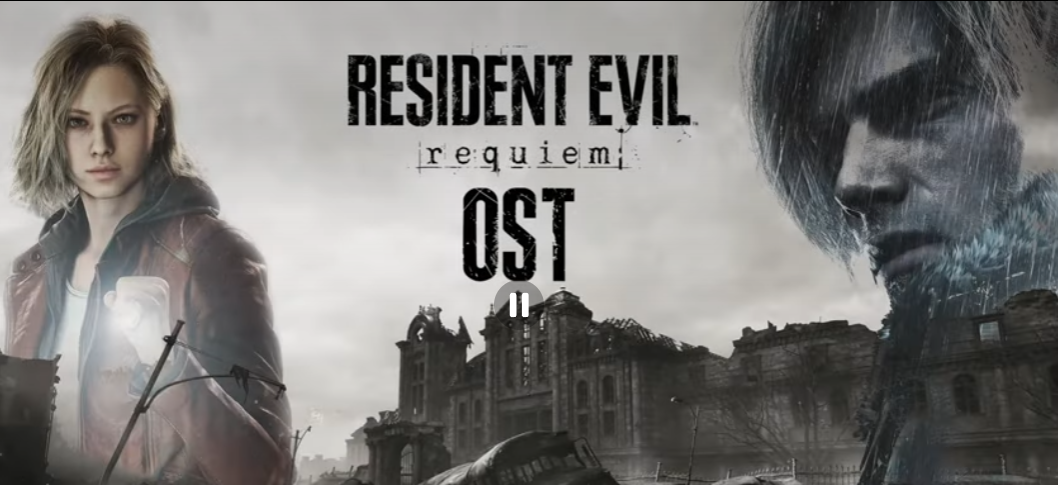
Đạo diễn Koshi Nakanishi chính thức xác nhận Resident Evil Requiem story expansion đang được phát triển, hứa hẹn "đào sâu vào thế giới Requiem" với nội dung cốt truyện mới. Cùng tìm hiểu những gì Capcom đã tiết lộ về DLC này.
Resident Evil Requiem: Mercenaries Mode Sắp Trở Lại Vào Tháng 5/2026 — Datamine Tiết Lộ Gì?
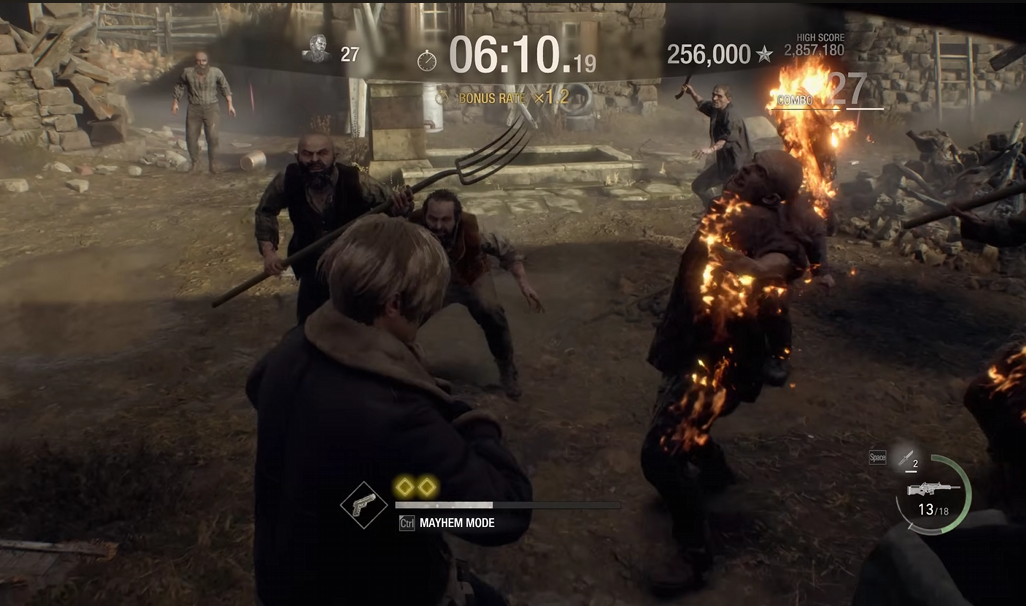
Datamine mới từ Resident Evil Requiem tiết lộ 10 track nhạc chưa sử dụng với âm thanh tick-tock đặc trưng, cho thấy Mercenaries Mode có thể sẽ trở lại trong bản cập nhật tháng 5/2026.