
Nioh 3 Spirit Vein and Spirit Force Guide: Everything You Need to Know
Spirit Veins are special interactive points scattered throughout Nioh 3's open world that allow you to reach otherwise inaccessible areas. In the environment, they appear as glowing golden auras emanating from the ground or embedded in walls. On your map, they're represented by hexagonal icons with a four-pointed star design. If a Spirit Vein shows a padlock symbol on the map, it means you haven't yet acquired the Guardian Spirit required to use it. When the hexagon is white and unlocked, you can traverse it immediately.

Two of the most confusing systems in Nioh 3 have nothing to do with enemy attack patterns or Ki management — they're the golden glowing auras scattered across the open world and the yellow bar sitting quietly beneath your health meter.
Spirit Veins and Spirit Force look cryptic at first glance, but once you understand how they work, they transform how you explore and how you fight. This guide covers both systems from the ground up: what Spirit Veins are, how to unlock every traversal ability, where each Guardian Spirit is found, and how to build, spend, and optimize your Spirit Force in combat.
If you're also just getting into the weapon side of things, our full Nioh 3 weapons guide covers every weapon type, the best weapons in the game ranked, and how to farm Crucible weapons early.
What Are Spirit Veins in Nioh 3?
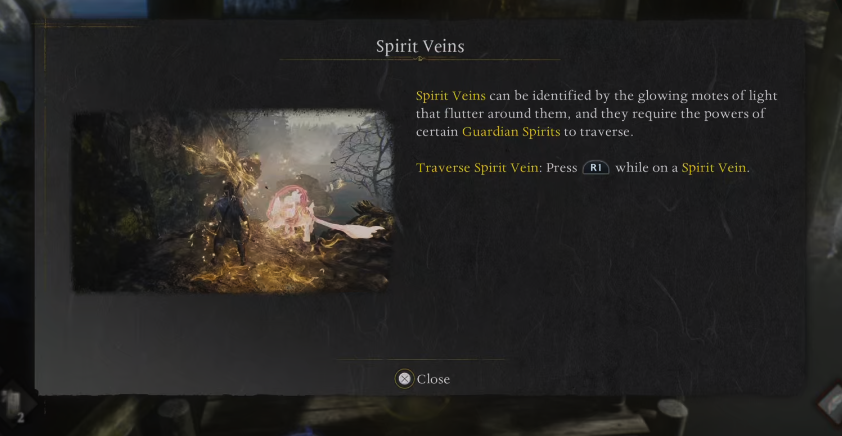
Spirit Veins are special interactive points scattered throughout Nioh 3's open world that allow you to reach otherwise inaccessible areas. In the environment, they appear as glowing golden auras emanating from the ground or embedded in walls. On your map, they're represented by hexagonal icons with a four-pointed star design. If a Spirit Vein shows a padlock symbol on the map, it means you haven't yet acquired the Guardian Spirit required to use it. When the hexagon is white and unlocked, you can traverse it immediately.
The system functions as Nioh 3's take on Metroidvania-style gating. You'll encounter Spirit Veins from the very first zone and be completely unable to interact with some of them for hours. This is intentional — the game is tying world access to story progression, ensuring that early Spirit Veins in the Tenryu River region won't yield to brute force or clever jumping. They require specific Guardian Spirits, and the only way to get those is to advance the main questline. When you come back with the right Spirit, previously inaccessible paths open up to hidden items, Secret Skills Texts, Crucible Wraith fights, Hot Springs, and rare loot.
How to Unlock Spirit Veins
The Spirit Vein system itself is locked when you first start the game. You won't see Spirit Veins marked on your map at all until you defeat Jakotsu-baba, the boss that concludes the first Crucible challenge in Hamamatsu Castle Town. Clearing this encounter also rewards you with the Enko Guardian Spirit — a fire tiger spirit and the first one capable of activating Spirit Veins. Once Enko is in your possession and Jakotsu-baba is down, Spirit Vein locations appear across the map for the first time.
One important detail that trips up a lot of players: you do not need to have the correct Guardian Spirit actively equipped to use a Spirit Vein. Simply having it unlocked in your collection is enough. This means you can equip whichever Guardian Spirit suits your combat build without worrying that you're losing access to traversal options. As long as you've earned the right Spirit through story progression, every associated Spirit Vein across all regions stays permanently open.
To actually use a Spirit Vein once you have the right Guardian, walk into the golden aura and hold R1 on PS5, RB on Xbox controller, or E on keyboard. The Guardian Spirit will perform its traversal action, carrying you across the obstacle. Once you've traversed a Spirit Vein, that path remains open permanently — you never need to re-traverse the same one.
All Six Spirit Vein Types and How to Unlock Them
There are six distinct Spirit Vein types in Nioh 3, each requiring a different Guardian Spirit with a different traversal ability. They unlock in a fixed order tied to story bosses, and completing all six earns you the Unimpeded Trophy/Achievement. Here is every Spirit Vein type, its traversal ability, and exactly how to unlock it.
Enko — Wall Run
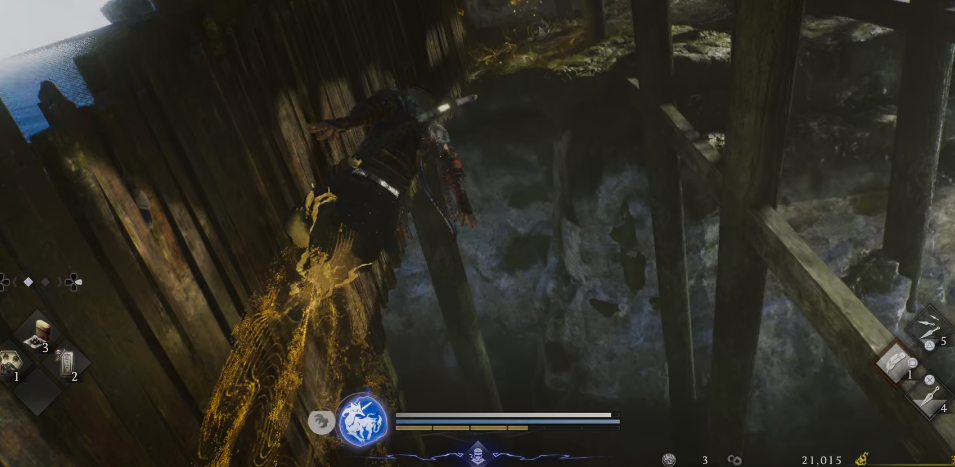
Traversal ability: Wall-running across vertical surfaces to cross wide crevasses and gaps that normal jumping cannot clear. How to unlock: Defeat Jakotsu-baba at the first Crucible Spike during the Hamamatsu Incident main quest. This is the first Spirit Vein Guardian you receive and unlocks the most common vein type in the early game. Enko Spirit Veins appear frequently throughout the Warring States regions, Lake Sanaru, and Maisaka. In combat, Enko specializes in Scorch (fire) damage over time and synergizes well with Ninja builds that want reduced Spirit Force consumption.
Kongojishi — Break Rocks
Traversal ability: Smashing through yellow-marked stone walls and boulders to open new paths. Both the Samurai and Ninja variants of Kongojishi share this ability, making it one of the two dual-style Guardian Spirits in the game. How to unlock: Defeat Takeda Shingen (Yokai form) during The Battle of Saigagake mission in the Warring States region. Kongojishi Spirit Veins are spread across multiple regions and typically conceal hidden tunnels, Crucible Wraith encounters, and valuable loot including Secret Skills Texts and set armor pieces.
Kurama Tengu — Wall Jump / Vault
Traversal ability: Vaulting up narrow elevator-like yellow walls to reach higher elevations that standard jumping can't access. This is the traversal ability that finally opens the locked Spirit Veins you encountered in the very first area, Tenryu River — those are intentionally withheld until deep into the Heian era storyline. How to unlock: Defeat the Great Tengu boss during the Sacred Mountain Defiled mission in the Heian era on Mount Kurama. Kurama Tengu is a Wind element Guardian Spirit for the Ninja style with strong melee damage passives and two versatile skills — Kurama's Tempest, a tornado charge, and a Wind blade projectile that can be launched up to three times per activation.
Oh — High Jump
Traversal ability: A powerful upward leap that reaches areas requiring significant vertical clearance beyond normal jumps. How to unlock: Defeat Minamoto no Yoritomo in the third major Crucible encounter. Oh's Spirit Veins tend to appear in the Heian and later period regions, opening routes to late-game optional content and collectibles.
Nekomata — Water Run
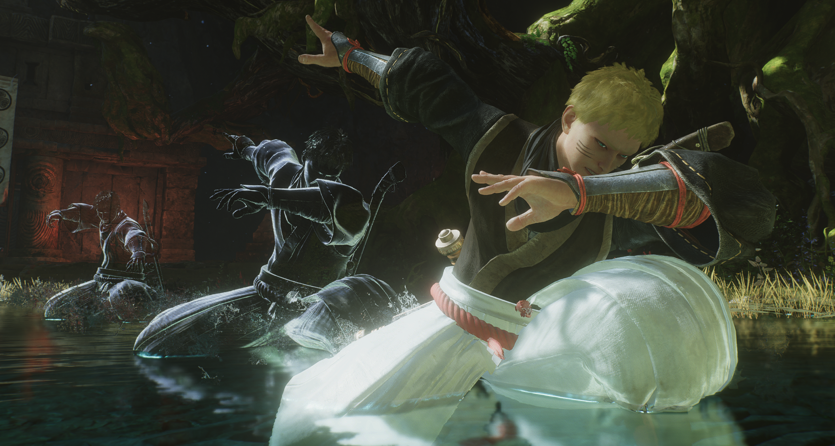
Traversal ability: Running across water surfaces to reach islands and areas separated by bodies of water. This is one of the more visually striking traversal abilities in the game — and Nekomata also happens to be the first Guardian Spirit that grants Spirit Force and Guardian Spirit Skills when you clear your first Lesser Crucible. How to unlock: Return to the Edo period after defeating Gozuki. Nekomata is a Ninja-style spirit that buffs Ninjutsu Ki damage, Final Blow and Grapple damage, and provides speed increases when landing aerial attacks — making it one of the best Ninja combat Guardian Spirits for players focused on the aerial combo playstyle.
Shami-choro — Grapple Hook
Traversal ability: Firing a grappling hook to swing across large horizontal gaps or pull yourself to distant anchor points. This is the final Spirit Vein ability you unlock and accesses some of the most out-of-the-way optional areas in the game. How to unlock: Defeat Takasugi Shinsaku in the Bakumatsu period. Shami-choro Spirit Veins are concentrated in the later regions and their rewards reflect the late-game stage of the content they unlock.
Spirit Vein Rewards: What's Worth Going Back For
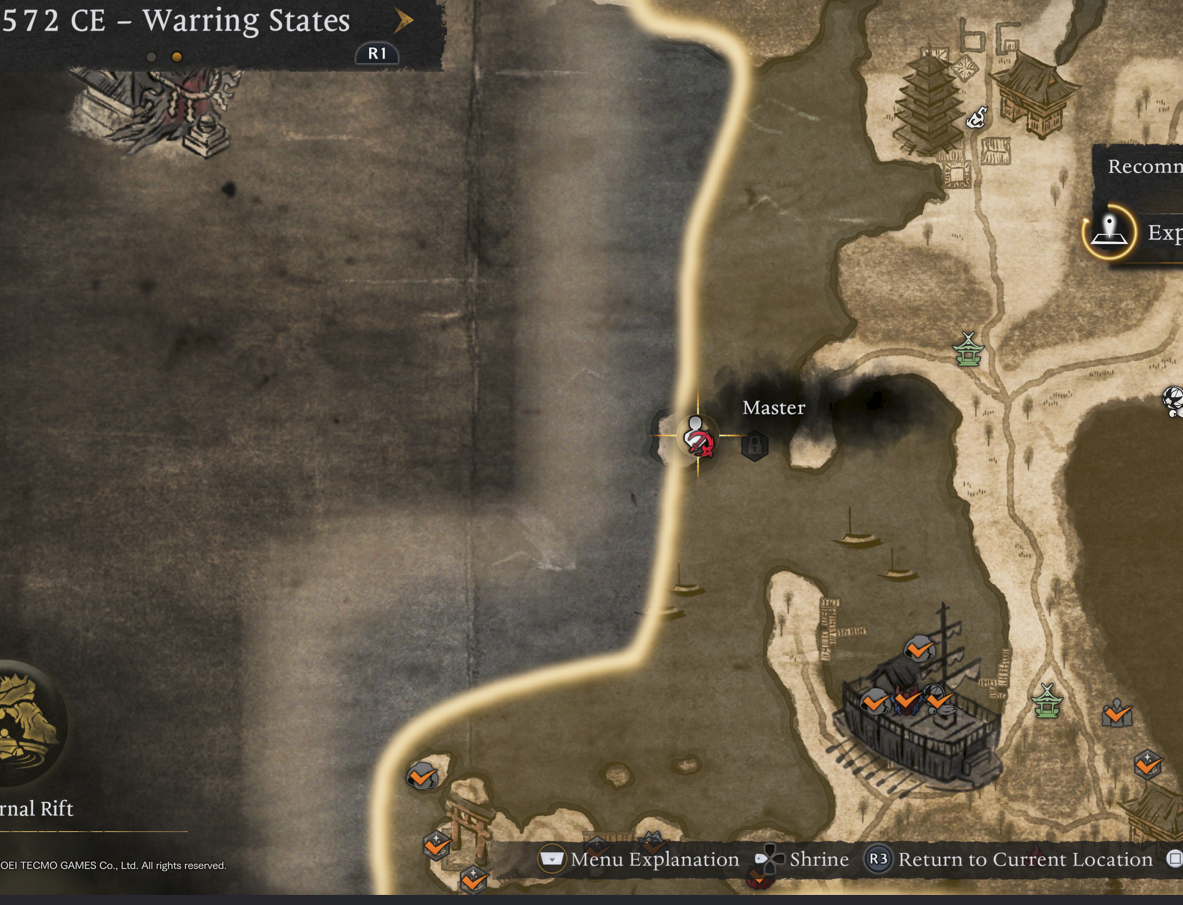
A master blocked by a Spirit Vein.
Spirit Veins are not just fast travel shortcuts — the areas they unlock consistently contain meaningful rewards for players willing to backtrack. Common rewards behind Spirit Veins include Secret Skills Texts, which permanently unlock new Martial Arts and Ninjutsu abilities outside the normal skill point system, Crucible Wraith encounters that drop Crucible Weapons and rare Soul Cores, Prayer Beads that increase your maximum Elixir carrying capacity, Hot Springs that provide temporary recovery buffs and Yokai Teardrops, and pieces from named armor sets.
Because Guardian Spirits unlock in story order, the efficient approach is to sweep a full region for Spirit Veins immediately each time you acquire a new Guardian Spirit, before moving to the next story beat. Your map makes this straightforward — open it after each major boss kill, filter for the locked hexagon icons, and make a loop of any that have just turned white. The few minutes spent backtracking typically yield better gear and materials than grinding the same enemies forward.
For completionists: the Unimpeded Trophy requires that you traverse at least one Spirit Vein of each of the six types. Since all six Guardian Spirits unlock naturally through main story progression, you cannot miss this trophy in a single playthrough as long as you interact with one vein from each category before finishing the game.
What Is Spirit Force in Nioh 3?
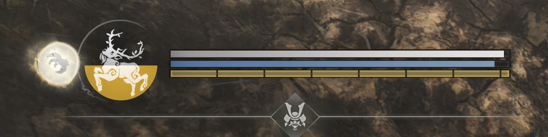
Spirit Force is the yellow bar displayed directly beneath your Life and Ki gauges on the HUD. It functions as the resource meter for your Guardian Spirit's active combat skills — the special attacks you trigger with L1 + Square on PS5 (or LB + X on Xbox, or F + Right-Click on keyboard). Think of it as a dedicated "special move gauge" that exists entirely separately from Ki. Where Ki governs your attack stamina and needs to be managed through every swing and Pulse, Spirit Force is purely a charging pool for high-impact Guardian Spirit Skills that sit outside normal weapon combos.
Spirit Force is not the same thing as the larger circular gauge on the left side of your screen. That circle is the Living Artifact gauge, which fills through collecting Amrita or using Soul Stones and activates your Guardian Spirit transformation mode — a separate powerful state that makes you temporarily invincible and replaces your HP and Ki bars with a draining Amrita pool. The two systems interact but work independently: Spirit Force handles Guardian Spirit Skills in normal combat, while the Living Artifact gauge handles full transformation. Both are worth building around, but for most fights you'll engage with Spirit Force far more frequently than the Living Artifact activation.
How Spirit Force Is Unlocked
Spirit Force doesn't appear on your HUD from the start of the game. The system unlocks automatically when you clear your first Lesser Crucible in the Warring States area, on the path to Hamamatsu Castle shortly after the tutorial. Inside this early Crucible, after clearing several waves of lesser Yokai, a stronger enemy appears — and at that moment, Nekomata steps in and grants you Guardian Spirit powers. The Spirit Force bar, the Guardian Spirit Skill icon, and the ability to use active skills all activate simultaneously from this single story event. You don't need to do anything special to trigger it; it's part of the critical path and cannot be missed.
Your second Guardian Spirit Skill — the secondary input activated via L1 + Triangle on PS5 — unlocks later in the game after clearing additional Lesser Crucibles and destroying Crucible Spikes. Once both slots are open, each Guardian Spirit you equip gives you two distinct active skills with different Spirit Force costs, damage profiles, elemental properties, and area of effect characteristics.
How Spirit Force Works in Combat
The charging mechanic is straightforward: every successful hit you land on any enemy contributes to your Spirit Force meter. Attack speed directly affects how fast the gauge fills — faster weapons like Talons or Tonfa naturally accumulate Spirit Force more quickly than slow heavy weapons like the Axe or Odachi, simply because they're landing more hits in the same timeframe. The meter also resets to zero at the start of each new mission, so you'll spend the opening moments of every area rebuilding the resource through early combat.
Once enough Spirit Force has accumulated (the bar displays a segmented structure showing individual skill-charge thresholds), you can activate a Guardian Spirit Skill at any point in combat. The key mechanical advantage here is that Guardian Spirit Skills cost zero Ki. They can be used even when your Ki bar is fully depleted, even if you've been stance-broken, and even in the middle of a heavy attack recovery animation. This makes them one of the best escape tools in the game — when a boss has just broken your stance and you're sitting in recovery frames with no Ki, a Guardian Spirit Skill lets you fire off a damaging attack and reposition without consuming any stamina at all.
Guardian Spirit Skills also deal damage to both enemy Life and Ki, and hitting a Yokai with one specifically reduces that enemy's maximum Ki — not just their current Ki. That is a meaningful distinction: a Yokai whose maximum Ki has been reduced staggers faster and more easily for the remainder of the fight, making Guardian Spirit Skills particularly valuable as opening moves against challenging Yokai bosses rather than saving them purely as emergency buttons.
Spirit Force Special Effects on Gear
Equipment in Nioh 3 can roll two Spirit Force-related special effects worth building around if you're planning a Guardian Spirit-heavy playstyle. Spirit Force Charge increases the rate at which your Spirit Force bar fills per hit — invaluable for getting your Guardian Spirit Skills online faster, particularly in longer boss fights where early-fight Ki reduction matters. Spirit Force as an affix enhances the raw power of your Guardian Spirit Skills themselves, increasing their damage output and elemental proc potential. Stacking both effects on weapons and armor pieces creates a feedback loop where your Skills hit harder and become available more frequently across an entire fight.
Beyond gear, destroying Crucible Spikes — the red crystal formations marked on your map — directly increases your maximum Spirit Force capacity. Each destroyed Spike expands how much resource the bar can hold, enabling you to store enough for multiple consecutive Guardian Spirit Skills before the gauge empties. There are 13 Crucible Spike locations across all regions, and finding them all fully unlocks both additional passive effects on every Guardian Spirit and the maximum possible Spirit Force ceiling.
Guardian Spirit Skills: What They Do and When to Use Them
Each Guardian Spirit comes with two skills — one primary and one secondary — each with its own Spirit Force cost, elemental damage type, attack range, and cooldown timer. Cooldowns prevent spamming even when your Spirit Force is full, so resource management still matters: you want to time skills for high-value windows rather than firing them off the moment the meter ticks over.
The practical split for how to use Guardian Spirit Skills in combat: use the primary skill proactively, weaving it into normal weapon combos to extend pressure and reduce enemy Ki in the first phase of a fight. Use the secondary skill reactively, holding it for the moments when your Ki is empty, when a boss just finished a long animation and has recovery vulnerability, or when an enemy's Ki is close to breaking and you need one more push to stagger them. Because secondary skills cost more Spirit Force on average, burning them at the wrong time means waiting a full combat phase to rebuild.
A few examples of how different Guardian Spirits shape this approach in practice. Nekomata's Thunderclaw Kick delivers heavy physical and elemental damage with a built-in backflip — ideal for Ninja builds that want to punish a boss opening and immediately create distance. Enko reduces Spirit Force consumption on its skills and stacks Scorch synergies, making it the best Ninja Guardian Spirit for maintaining Living Artifact uptime and staying aggressive. Kurama Tengu provides strong wind-based burst damage at multiple ranges with its Kurama's Tempest tornado and the repeatable Wind blade projectile, favoring Ninja builds that like to mix aerial and ranged pressure. On the Samurai side, Guhin suits heavy armor builds with strong attack damage passives, while Shin-Roku plays a more defensive role that helps survivability-focused characters during the learning curve of new regions.
Spirit Force vs. Living Artifact: Understanding Both Systems Together
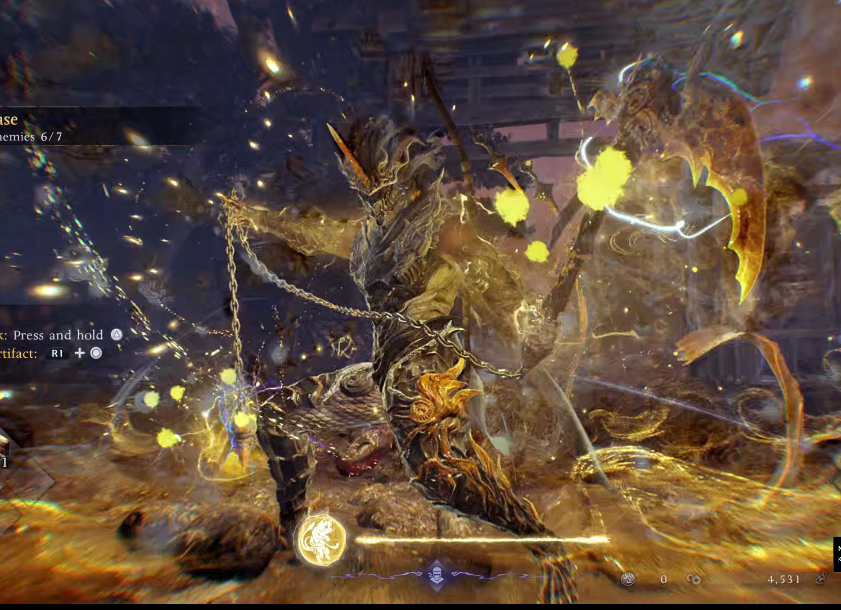
A common point of confusion in Nioh 3 is the relationship between Spirit Force and the Living Artifact gauge, because both involve your Guardian Spirit and both have visible meters on the HUD. To be clear about what each one does:
Spirit Force is the yellow segmented bar below your Life and Ki. It charges through attacking. It powers Guardian Spirit Skills — targeted attacks you activate on demand during normal combat. It empties when you use Skills and refills as you keep fighting. It resets between missions.
Living Artifact is the large circular gauge to the left of your HP bar, represented by your Guardian Spirit's icon. It fills when you collect Amrita from defeated enemies or use Soul Stones. When the circle is full, you can activate Living Artifact mode: your Guardian Spirit merges with you, your Life and Ki bars are replaced by a draining Amrita pool, incoming damage burns through the Amrita gauge rather than killing you, and you gain access to a powerful Spirit-imbued special attack. Living Artifact ends when the Amrita gauge depletes.
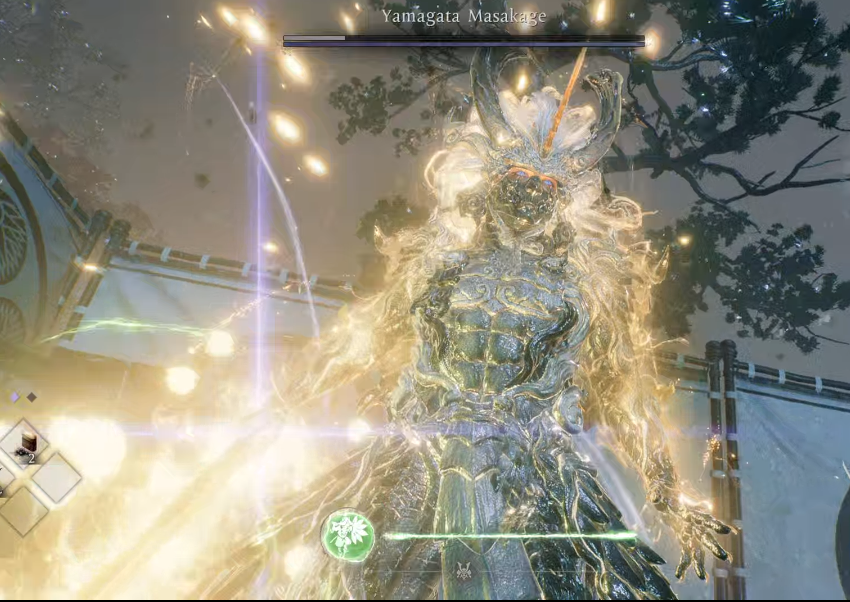
Building around both systems simultaneously is possible and encouraged. Fast-attacking builds with high hit frequency — Tonfa, Talons, Dual Ninja Swords — charge Spirit Force efficiently while also killing enemies quickly and collecting Amrita for the Living Artifact gauge. Choosing a Guardian Spirit with reduced Spirit Force consumption (Enko is the most notable example) effectively extends how many Skills you can activate per Amrita cycle, keeping both meters engaged throughout a long boss fight rather than running dry on one and coasting on the other.
Tips for Getting the Most Out of Spirit Force
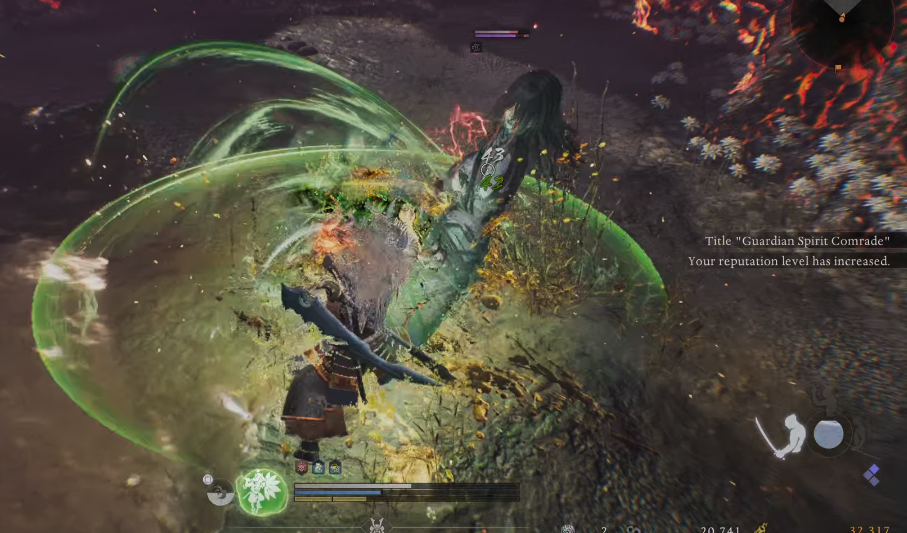
- First: use Guardian Spirit Skills as combo extenders, not cooldown abilities. The temptation is to treat them like an ultimate you save for crisis moments, but they deal Ki damage and reduce maximum Ki on Yokai. Using them early and mid-combo keeps enemies destabilized from the start of a fight rather than just when things get desperate.
- Second: prioritize Spirit Force Charge as a gear affix if you're using a slow weapon like the Axe or Odachi. Slow weapons naturally build Spirit Force at a lower rate due to fewer hits per unit of time. A Spirit Force Charge affix offsets this by making each individual hit worth more, keeping your Guardian Spirit Skills available at a comparable pace to faster weapon users.
- Third: never forget that Guardian Spirit Skills are a free out when you're stance-broken. Players who aren't aware of this spend those vulnerability windows doing nothing, taking damage, and waiting for Ki to recover. The correct response to being stance-broken with Spirit Force available is to immediately fire a Guardian Spirit Skill — you deal damage, reduce enemy Ki, and potentially create enough of a moment to reestablish distance before the enemy punishes you.
- Fourth: clear Crucible Spikes as you find them. Each destroyed Spike increases your maximum Spirit Force capacity, which means the difference between having enough for two Skill activations or three in a single engagement. Given that the Spikes are spread across every region and marked on your map, sweeping them between missions takes minimal time relative to the benefit.
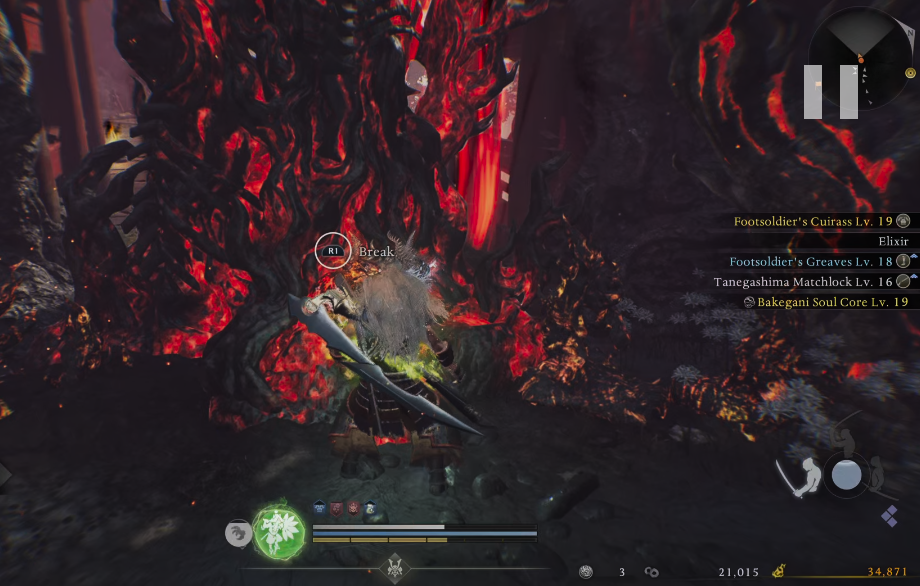
- Finally: match your Guardian Spirit to your status strategy. If you're stacking Scorch through fire element weapons, Enko amplifies melee damage against Scorched enemies and reduces Spirit Force costs. If you're building around Purification and holy damage, Shin-Roku reinforces that route with its elemental synergies. The Guardian Spirit isn't just a passive stat stick — it's a force multiplier for whichever elemental condition your weapon build is already imposing on enemies. When the Spirit's passives and the weapon's elemental output point in the same direction, both become substantially more effective than either would be in isolation.
Connecting Spirit Veins and Spirit Force to Your Weapon Build
Spirit Veins and Spirit Force aren't separate systems to manage alongside your weapon build — they're woven into it. The Guardian Spirit you choose for Spirit Force purposes is the same one that gates certain Spirit Vein traversals, which in turn reveals Secret Skills Texts that expand your Martial Arts and Ninjutsu libraries, which further changes what your weapon combos look like in practice.
For players building around the top-tier Nioh 3 weapons from our Nioh 3 weapons tier list — the Switchglaive for Samurai or the Tonfa for Ninja — the Spirit Vein rewards are especially valuable early. Kurama Tengu's vein access eventually opens paths in the Tenryu River starting area that were locked from the beginning, and those paths include Crucible Wraith encounters and loot caches that can yield higher-tier versions of the weapons you're actively building toward. Exploring these backtrack routes with a strong weapon rather than treating them as late-game cleanup means arriving at each new main quest area better equipped and with more Martial Arts unlocked than players who ignore the Spirit Vein system entirely.
In short: whenever you defeat a major story boss and receive a new Guardian Spirit, pause before moving to the next area. Open your map, look for newly white hexagonal icons in every region you've visited, sweep them for their rewards, and return to the critical path with a fuller build than when you left.
Câu hỏi thường gặp về Nioh 3
- Ngày phát hành Nioh 3 là khi nào?
- Nioh 3 dự kiến phát hành vào ngày 6/2/2026.
- Nioh 3 chơi được trên nền tảng nào?
- Nioh 3 hỗ trợ: PC (Microsoft Windows), PlayStation 5.
- Nioh 3 thuộc thể loại gì?
- Nioh 3 thuộc thể loại: Role-playing (RPG), Hack and slash/Beat 'em up, Adventure.
- Có trailer chính thức của Nioh 3 không?
- Có. Bạn có thể xem trailer của Nioh 3 ngay trên trang này ở phần video.
Khám phá thêm
Nioh 3 Tonfa Build Guide: Best Endgame Setup for Dream of the Nioh
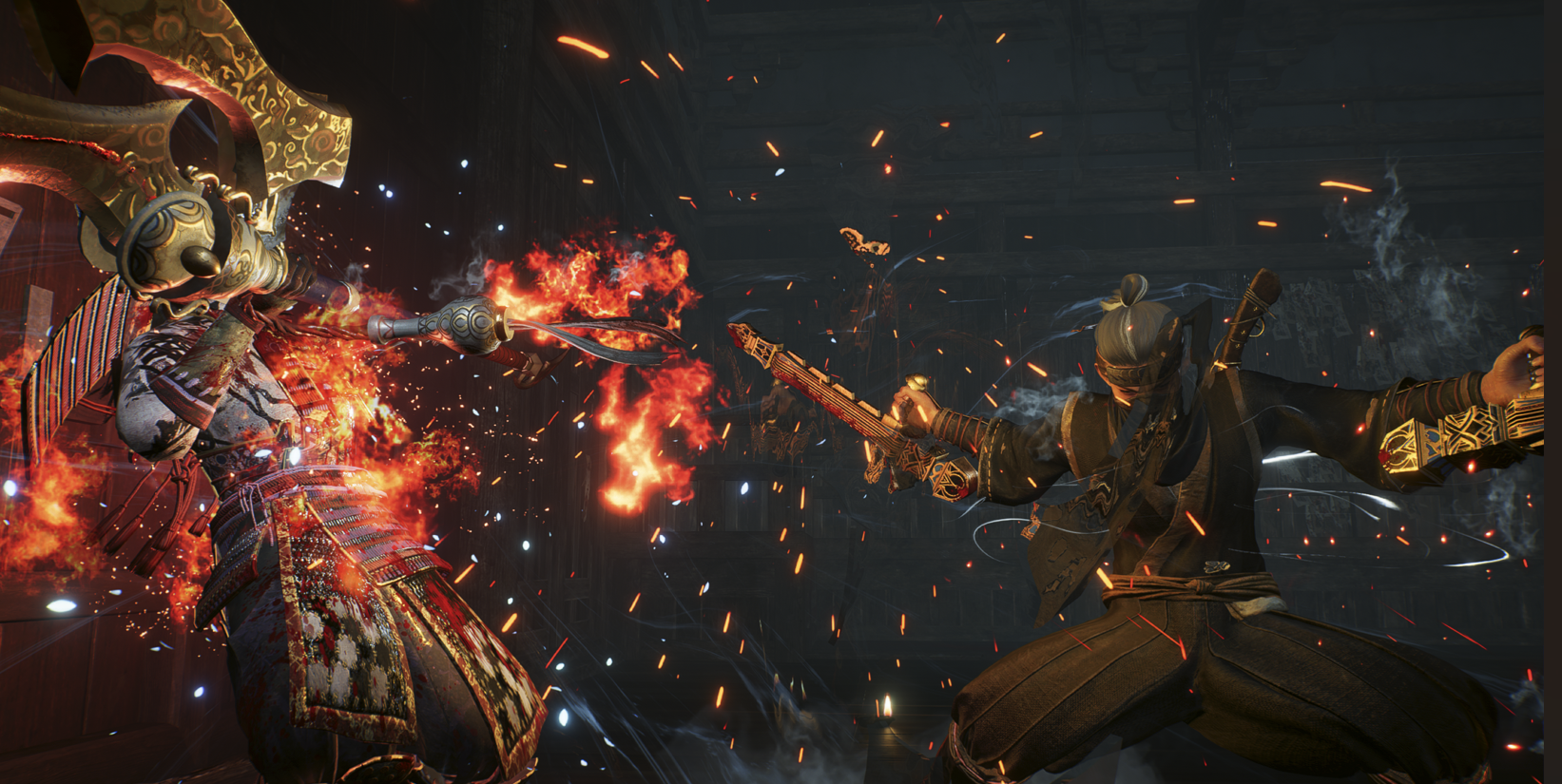
The Tonfa is Nioh 3's highest Ki-damage Ninja weapon — a blunt, fast, relentless close-range weapon that wins by draining enemy stamina bars faster than they can recover, forcing Winded states, and capitalising on those vulnerability windows with finishing moves that deal disproportionate burst damage. In the base game, a halfway-decent Tonfa setup will stagger-lock most enemies before they can threaten you. In Dream of the Nioh — where enemy health pools triple, their damage can one-shot you, and your basic combat tools stop being enough — the Tonfa build stops being about hitting hard and starts being about engineering a system.
Nioh 3 Weapons Scaling Guide: Which Stats to Level for Each Weapon
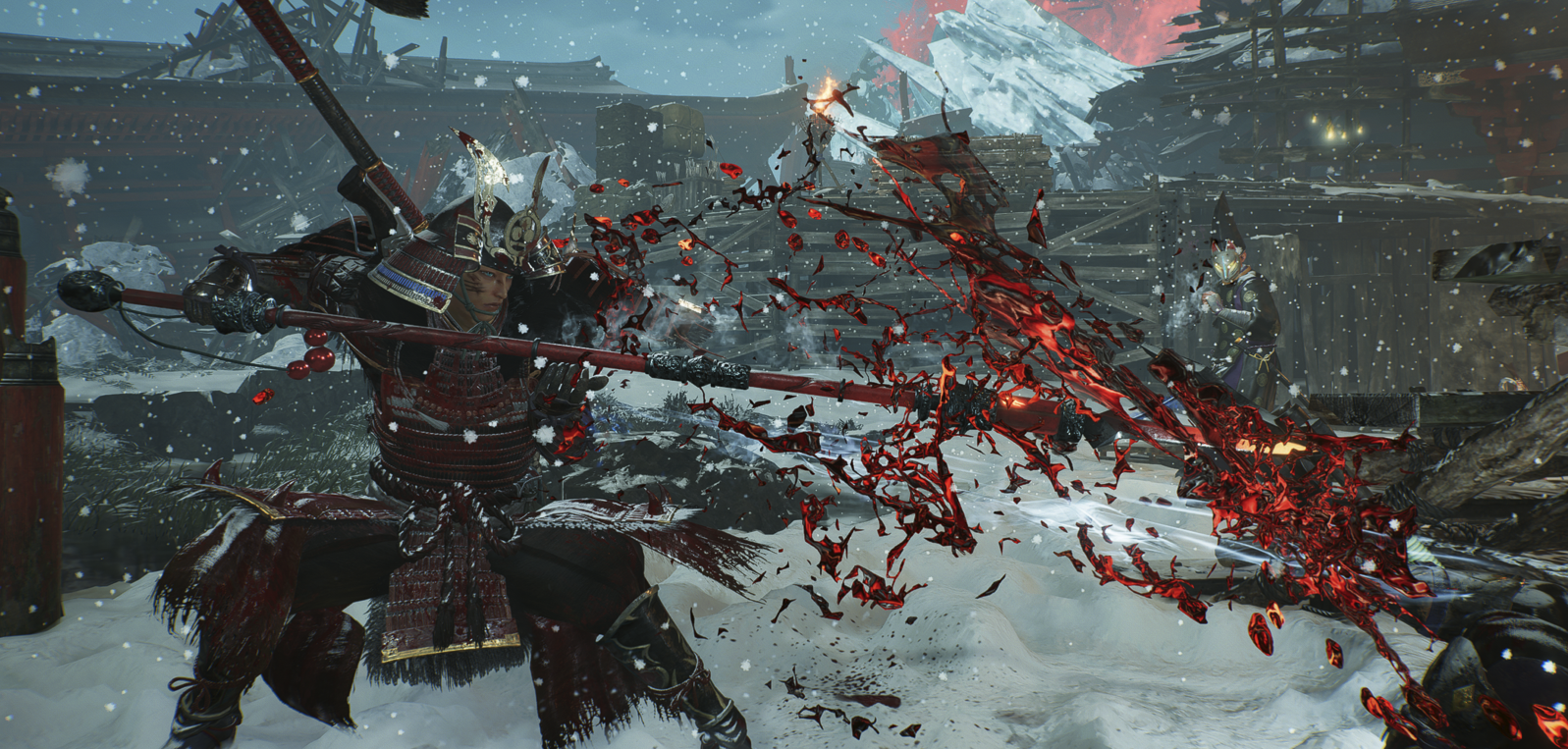
Nioh 3 throws out the letter-grade scaling system from Dark Souls and Elden Ring entirely. There are no A/B/C rankings stamped on your weapon telling you to just pump Strength. Instead, every weapon in the game operates on what Team Ninja calls Reference Stats — a three-stat dynamic scaling system that automatically adjusts to your highest attribute investment. It sounds complex. It is, slightly. But once you understand how it works, it becomes one of the most build-friendly systems in any Souls-adjacent game, because it's nearly impossible to permanently brick your character — and respec is free.
Nioh 3 Best Samurai Weapons: Top Picks for Every Samurai Build
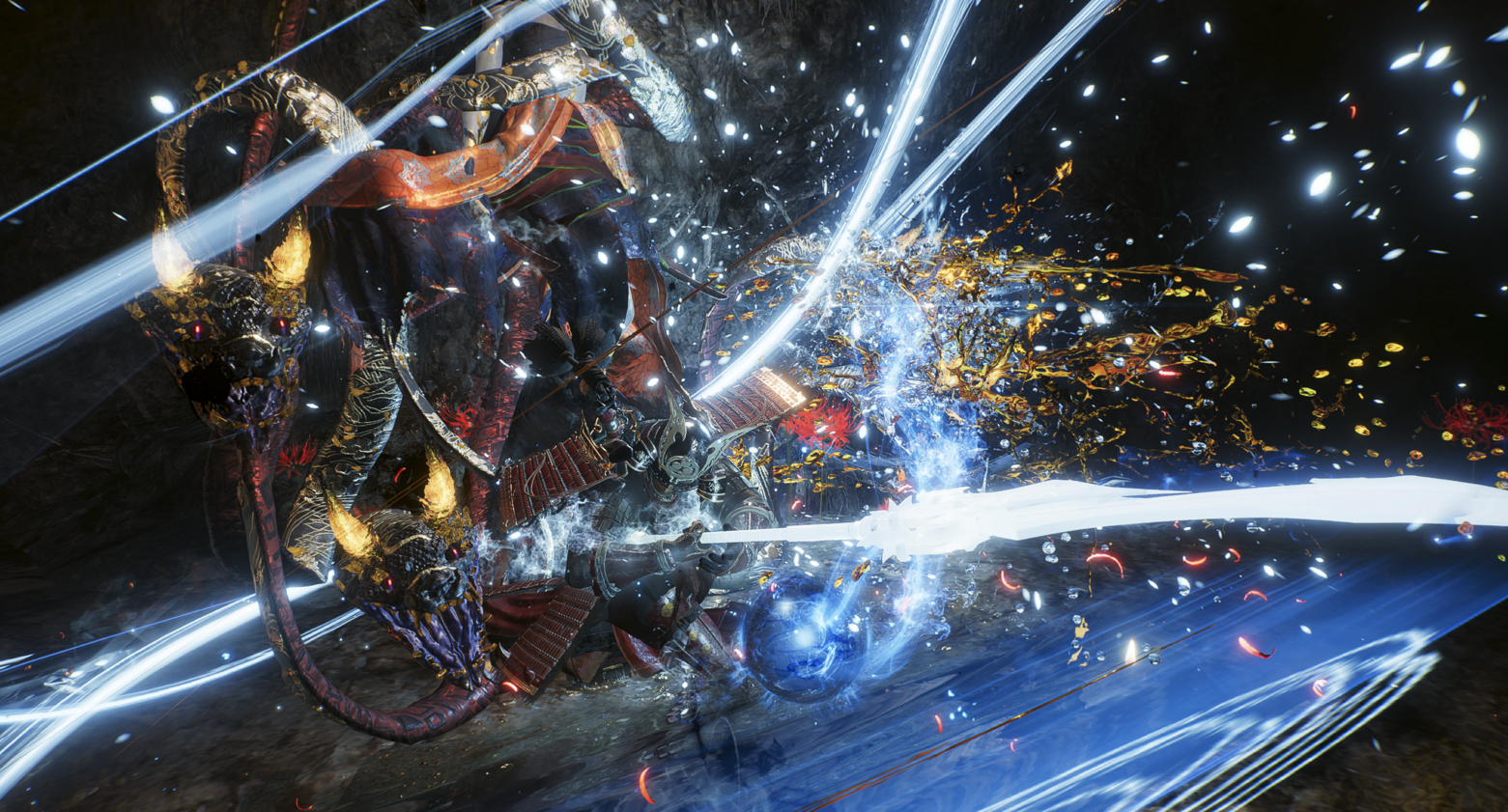
This guide ranks all seven Samurai weapons, breaks down what each one actually rewards in combat, identifies the best Martial Arts for each, and matches each weapon to the build identity where it performs best. If you're deciding which Samurai weapon to commit to — or you've been struggling with your current pick and want to know why — this is the reference you need.
Nioh 3 Character Creation Guide: Best Character Codes, Sliders & Tips (PS5 & PC)
Before a single Yokai dies, before you settle on your first weapon, before you even decide whether you're building Samurai or Ninja — you'll be staring at the Nioh 3 character creation screen deciding what your warrior actually looks like. And given that Team Ninja has built one of the most detailed character customization systems in the Souls-like genre, that time investment is entirely justified. Whether you want to craft an original face from scratch or import one of the community's best Nioh 3 character codes to get straight into the action, this guide covers everything: every menu, all the working codes for both PS5 and PC, and tips for getting the most out of the system.