
Nioh 3 Weapons: Complete Guide, Best Tier List, and How to Farm Crucible Weapons
Nioh 3 launched on February 6, 2026, and its weapon system is one of the deepest — and most overwhelming — parts of the game. With 14 melee weapon types split across two combat styles, plus three ranged options, choosing the right weapon can feel like a game inside the game. This guide covers everything you need to know: every weapon type available, the best weapons in Nioh 3 ranked by performance and ease of use, and a step-by-step farming method for getting Crucible weapons early so you can unlock those locked Crucible Arts before the endgame grind kicks in.

Nioh 3 launched on February 6, 2026, and its weapon system is one of the deepest — and most overwhelming — parts of the game. With 14 melee weapon types split across two combat styles, plus three ranged options, choosing the right weapon can feel like a game inside the game. This guide covers everything you need to know: every weapon type available, the best weapons in Nioh 3 ranked by performance and ease of use, and a step-by-step farming method for getting Crucible weapons early so you can unlock those locked Crucible Arts before the endgame grind kicks in.
All Nioh 3 Weapons: Every Type Explained
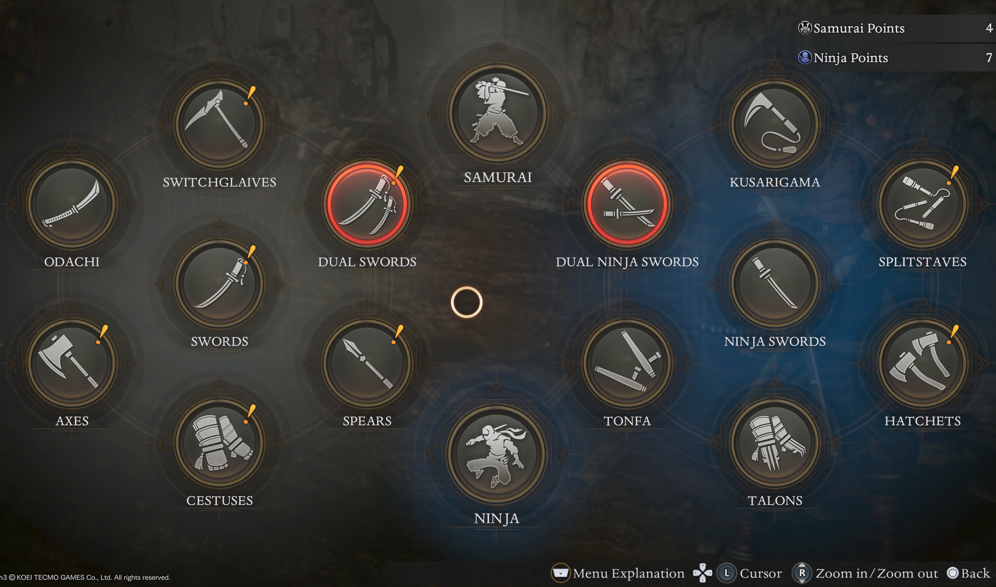
Nioh 3 splits its combat into two distinct styles: Samurai and Ninja. Each style has seven exclusive melee weapon types, and weapons cannot be used outside their designated style. You start the game locked to one melee weapon per style, but after completing the Master Missions in the Eternal Rift hub area, a second slot unlocks for both styles — letting you carry and swap between two Samurai weapons and two Ninja weapons at will using R1 + Down on the d-pad.
On top of the melee pool, three ranged weapons (Bow, Rifle, and Hand Cannon) are available to both styles and function as utility tools for pulling enemies, targeting weak points, and dealing chip damage from safety.
Samurai Weapons
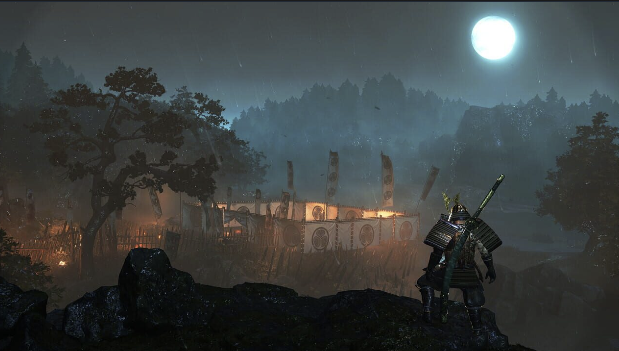
Samurai weapons operate on the classic Nioh stance system — High, Mid, and Low — each offering different attack patterns, speed, and Ki recovery rhythms. Mastering stance transitions and landing clean Ki Pulses is the core loop of Samurai combat.
Ki Recovery now only usable in Samurai Stance
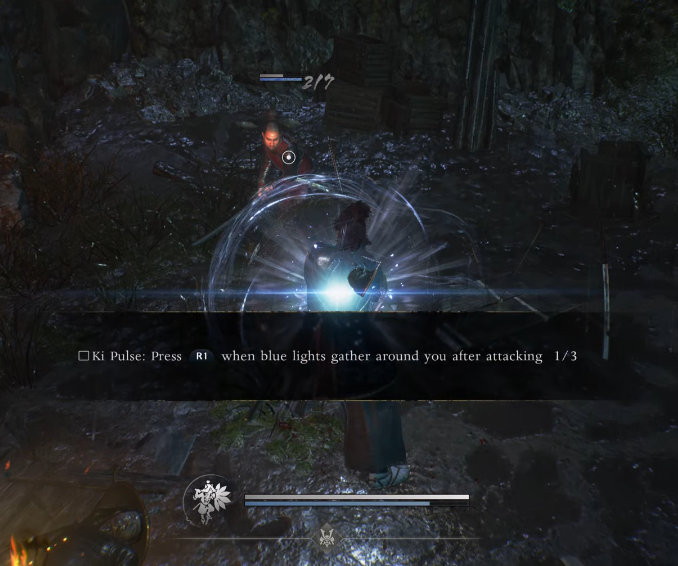
Sword (Katana): The textbook starting weapon. Balanced offense, strong parry potential, and forgiving timing make it the easiest Samurai weapon to pick up. Scales primarily with Heart. It covers the fundamentals well but rarely excels in any category once you understand the full weapon roster.
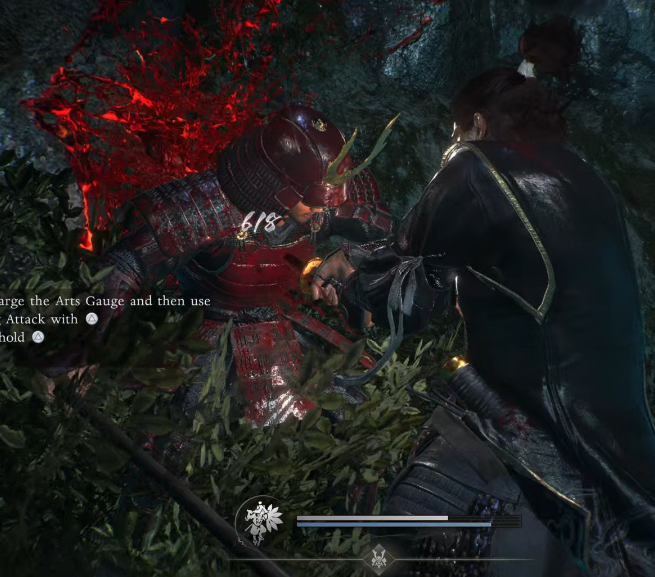
Dual Swords: Fast, mobile, and excellent for applying elemental status effects through rapid multi-hit combos. Scales with Skill. A great choice if you want an aggressive Samurai playstyle without committing to the weight of heavier weapons.
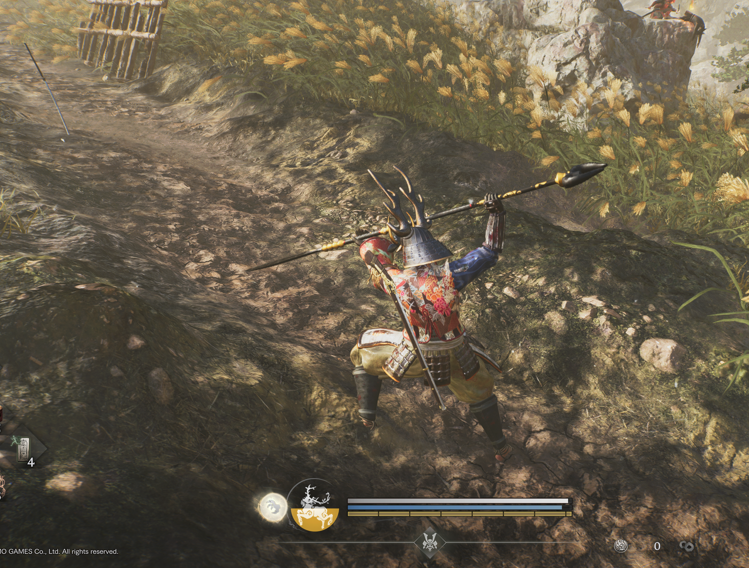
Spear: The safest and most consistently effective Samurai weapon for the majority of players. Long reach lets you poke enemies from outside their attack arcs, and the kit includes standout skills like Spear Flourish, which staggers enemies during a Ki Pulse — a mechanic that turns routine recovery into offensive pressure. Scales with Constitution.
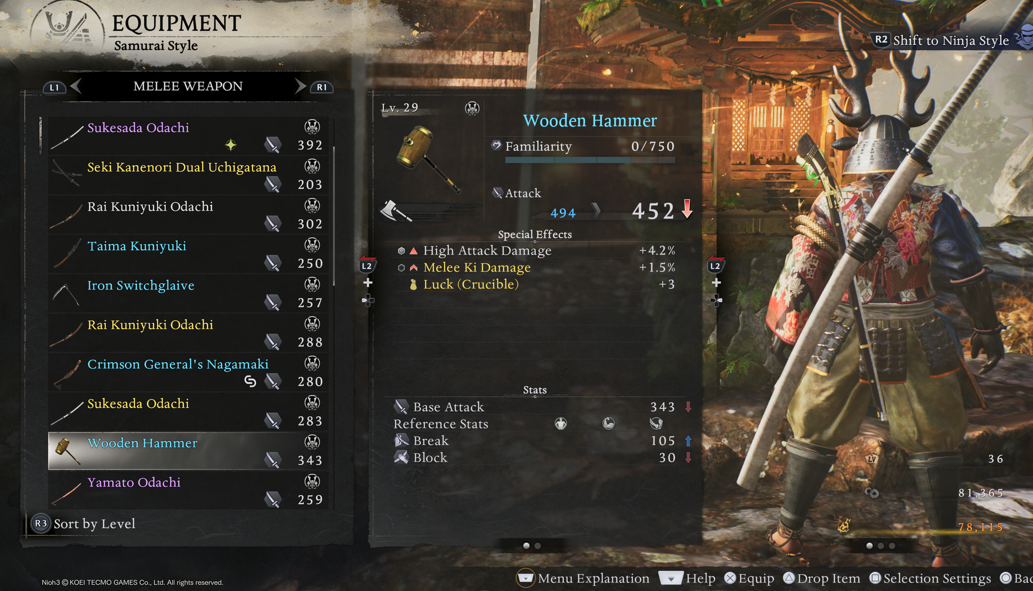
Axe: A slow, crushing weapon that demolishes Ki bars and staggers anything it connects with. High risk, high reward — you need to time swings deliberately and maintain offensive pressure because the Axe loses its value when you play reactively. Scales with Stamina.
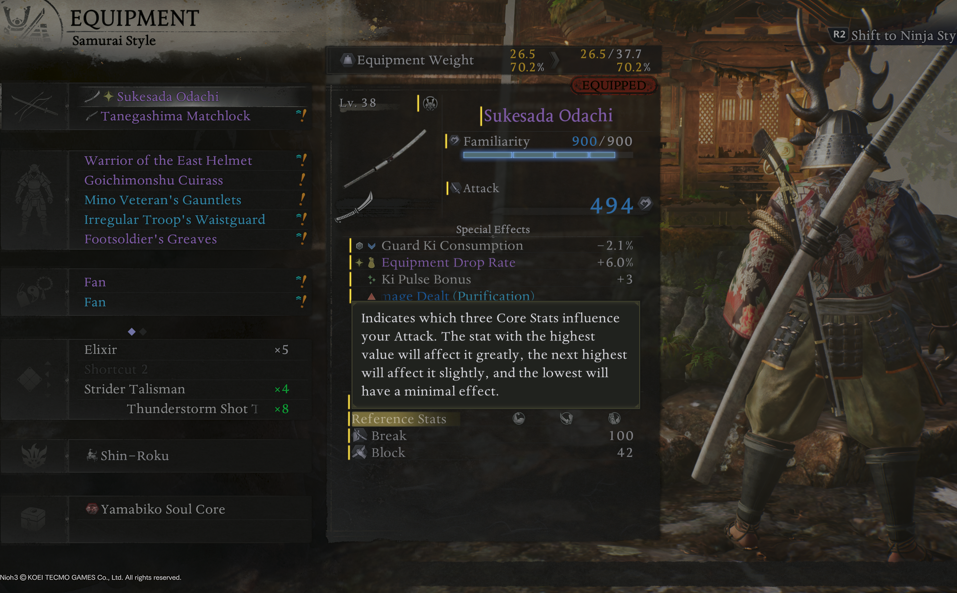
Odachi: A massive greatsword with wide sweeping attacks and solid crowd control. Slower than most Samurai weapons but hits hard and works well with Nioh 3's Deflect mechanic, where a timed block into a follow-up strike breaks human enemy guards instantly. Scales with Strength.
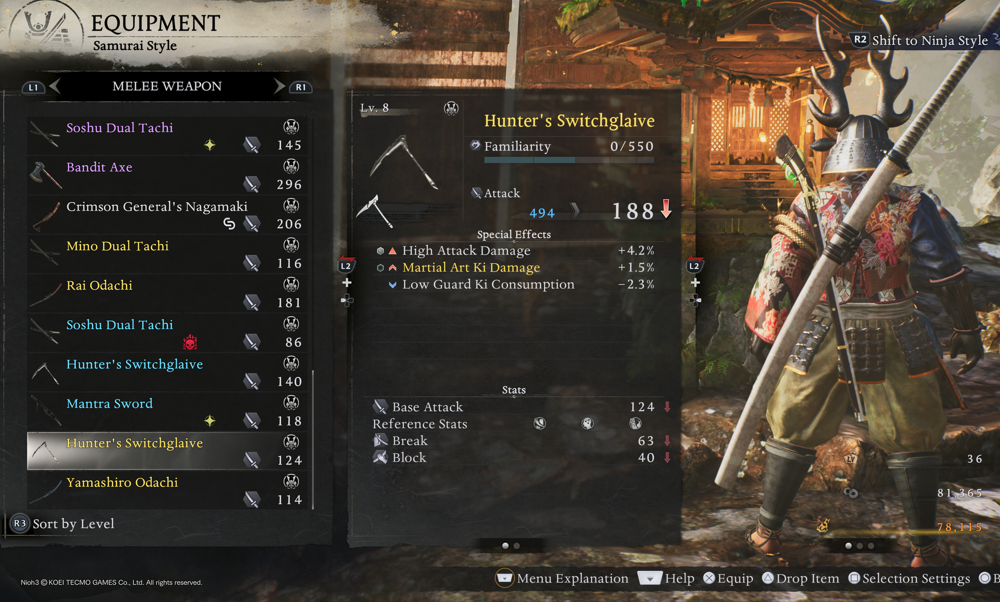
Switchglaive: The most mechanically complex Samurai weapon and arguably the highest-ceiling weapon in the entire game. It transforms between three forms — glaive, guillotine, and scythe — as you cycle through High, Mid, and Low stances. Each form changes your attack range and damage profile, rewarding players who flow between stances mid-combo with unmatched offensive output. Scales with Magic, which also feeds Onmyo buff capacity. Demanding to learn, but the payoff is exceptional.
Cestus (Caestus): New to Nioh 3, this close-range brawling weapon delivers rapid blunt strikes that shred enemy Ki. Functions similarly to the Tonfa in terms of pressure output, though the Tonfa in Ninja style generally executes this role more effectively.
Ninja Weapons
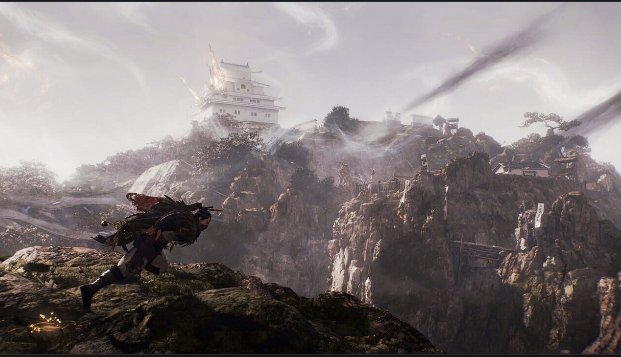
Ninja weapons replace the stance system with Mist evasion, Evade counters, and aerial combo chains. The style is faster and more fluid, rewarding reactive play and consistent mobility over deliberate Ki management. Ninja weapons scale well with Skill and Dexterity for most types.
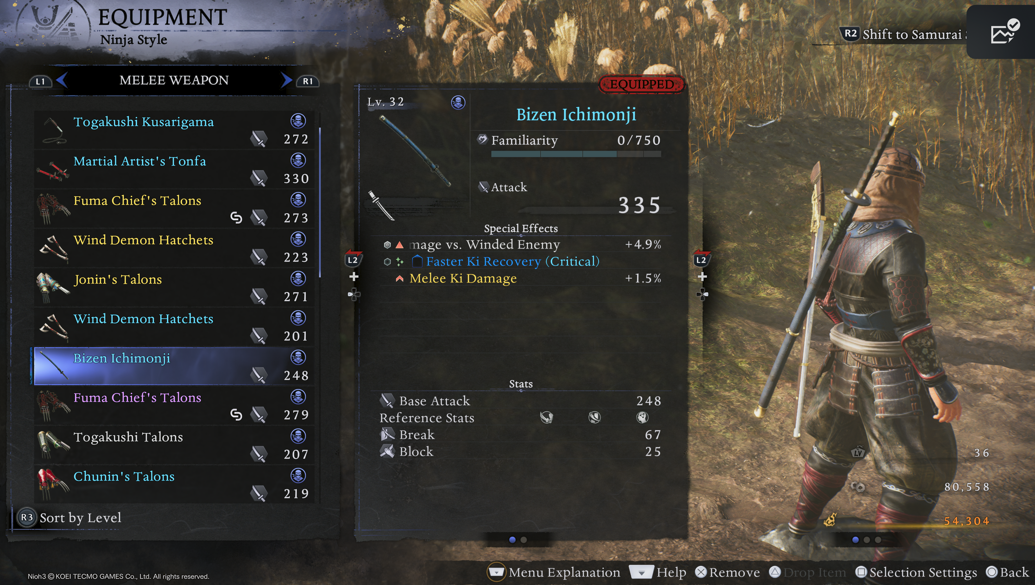
Ninja Sword (Chokuto): A faster, more aggressive counterpart to the Samurai Sword. Focuses on forward momentum, mid-range slashing pressure, and sustained Ki drain. Skills like Swallow Slash let you close distance safely, while Shadow Cyclone turns defensive moments into multi-hit Ki shredding bursts.
Dual Ninja Swords: Rapid twin-blade attacks with built-in mobility. More forgiving than Tonfa at range, making them a solid choice for players who want Ninja-style speed without fully committing to up-close brawling. One of the more approachable Ninja weapons for newcomers.
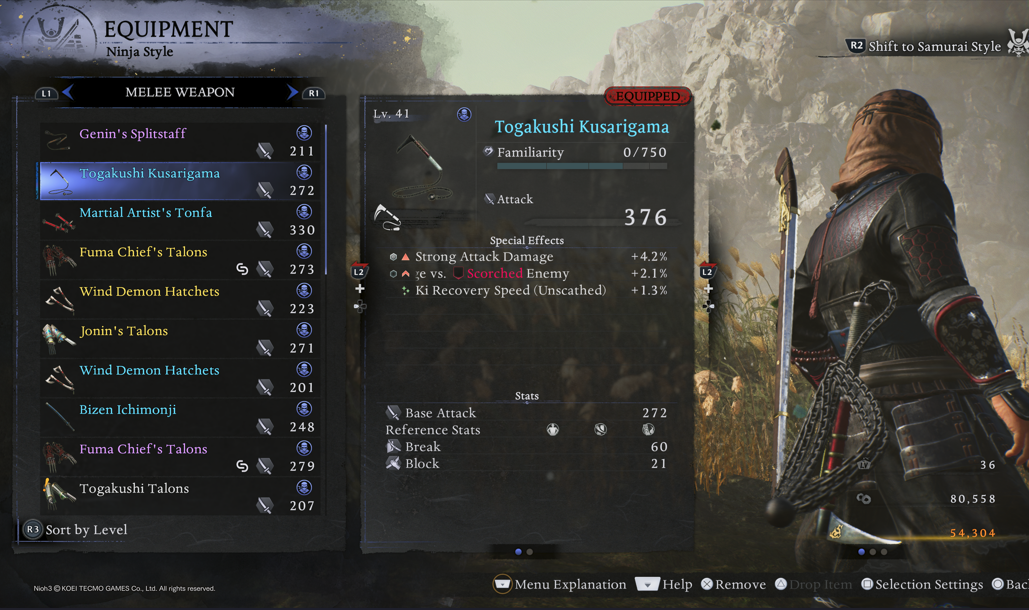
Kusarigama: A chain-and-sickle weapon with unique reach and a diverse moveset that blends melee and ranged strikes. High skill ceiling — getting full value out of the Kusarigama requires precise spacing and timing, and most players find better results with more straightforward options like Talons or Tonfa.
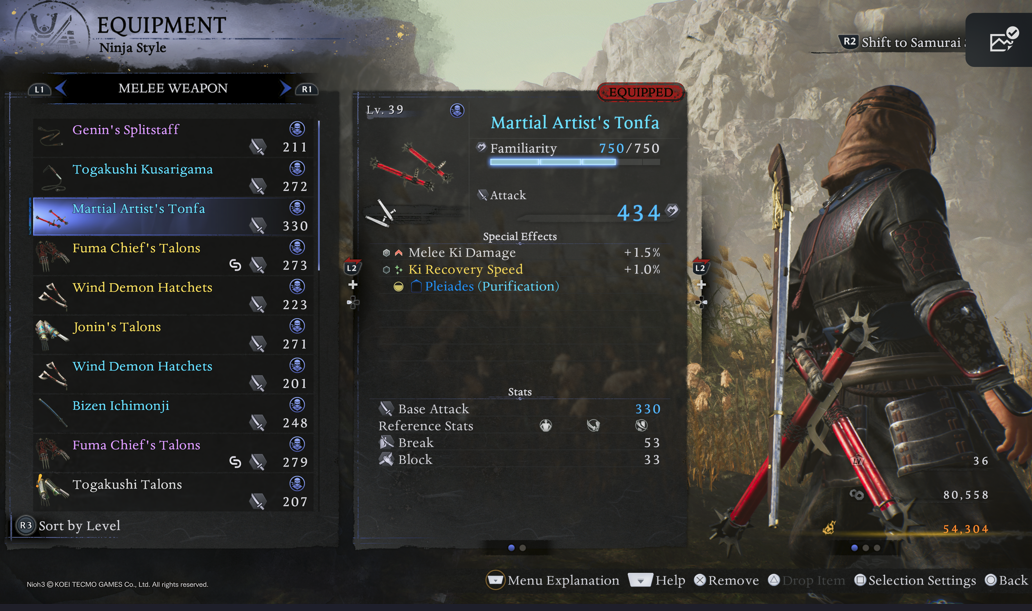
Tonfa: Universally regarded as the strongest Ninja weapon in Nioh 3 by most of the community. Extremely fast light attacks with low Ki consumption and exceptional Ki damage output. The Kannagi skill enables seamless move cancellation into a dodge, meaning you can pummel an enemy's Ki bar to zero and disappear before retaliation. The Tonfa also uniquely features a deflect option, giving it defensive capabilities most Ninja weapons lack.
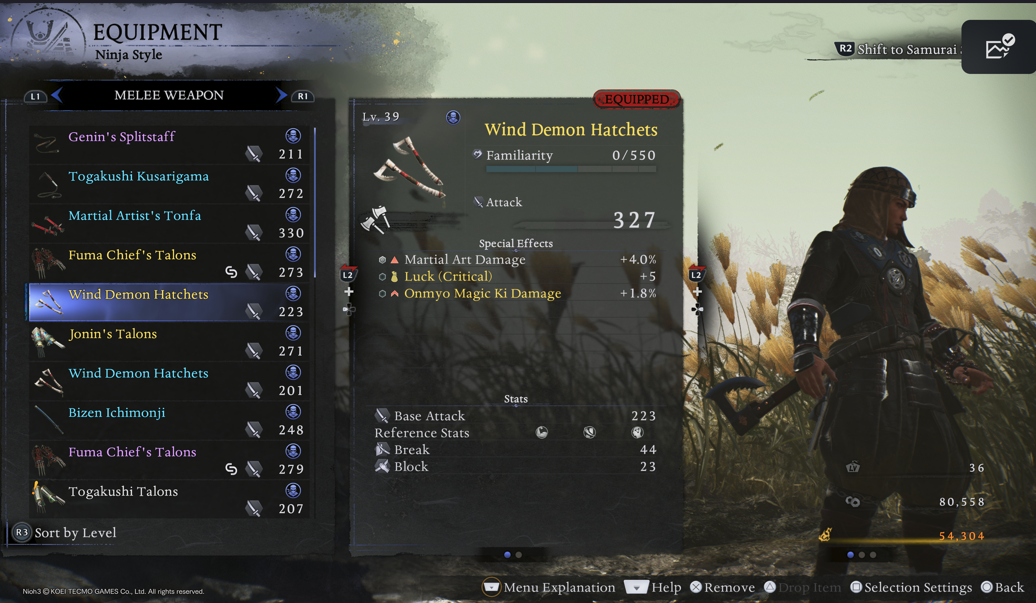
Hatchets: A hybrid melee and throwing weapon. The ability to chuck hatchets at enemies introduces a different kind of range for Ninja, but overall DPS falls short of Tonfa and Talons, and the throwing mechanic requires extra setup.
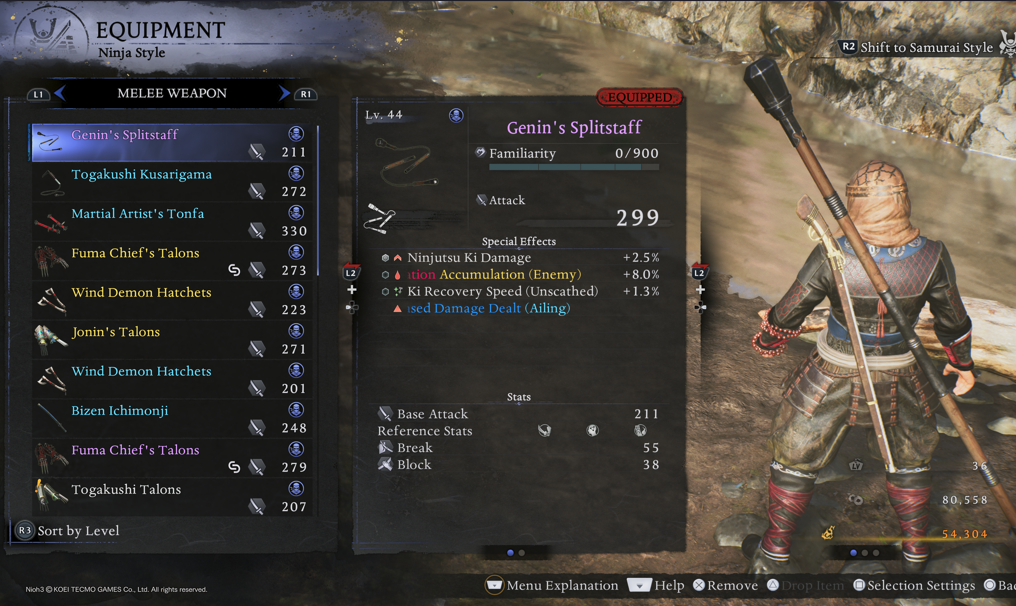
Splitstaff: Long reach with multi-hit swings capable of hitting multiple enemies per strike. The tradeoff is aggressive Ki consumption in a style that already lacks the Samurai's Ki Pulse recovery. Mastery unlocks real versatility, but most players get more consistent damage out of simpler weapons.
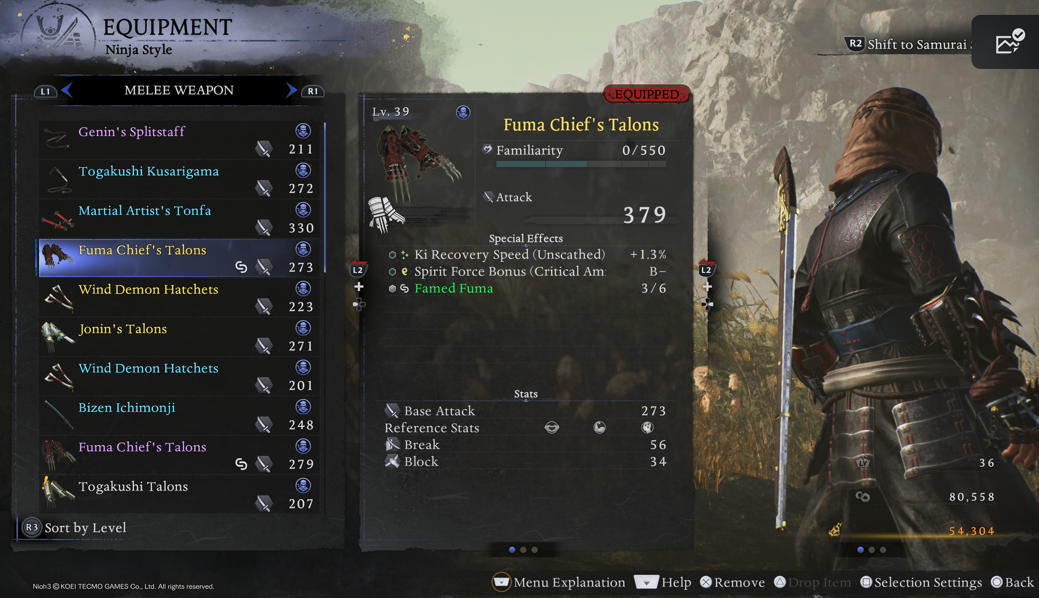
Talons: Fast, airborne, relentless. Talons define what Ninja combat looks like at its most aggressive — they launch you into aerial combos, maintain constant pressure, and keep enemies destabilized through sheer attack speed. They scale cleanly with the Ninja style's aerial mobility and are significantly easier to extract value from than Tonfa, making them the top recommendation for players new to the Ninja style.
Best Weapons in Nioh 3: Full Tier List
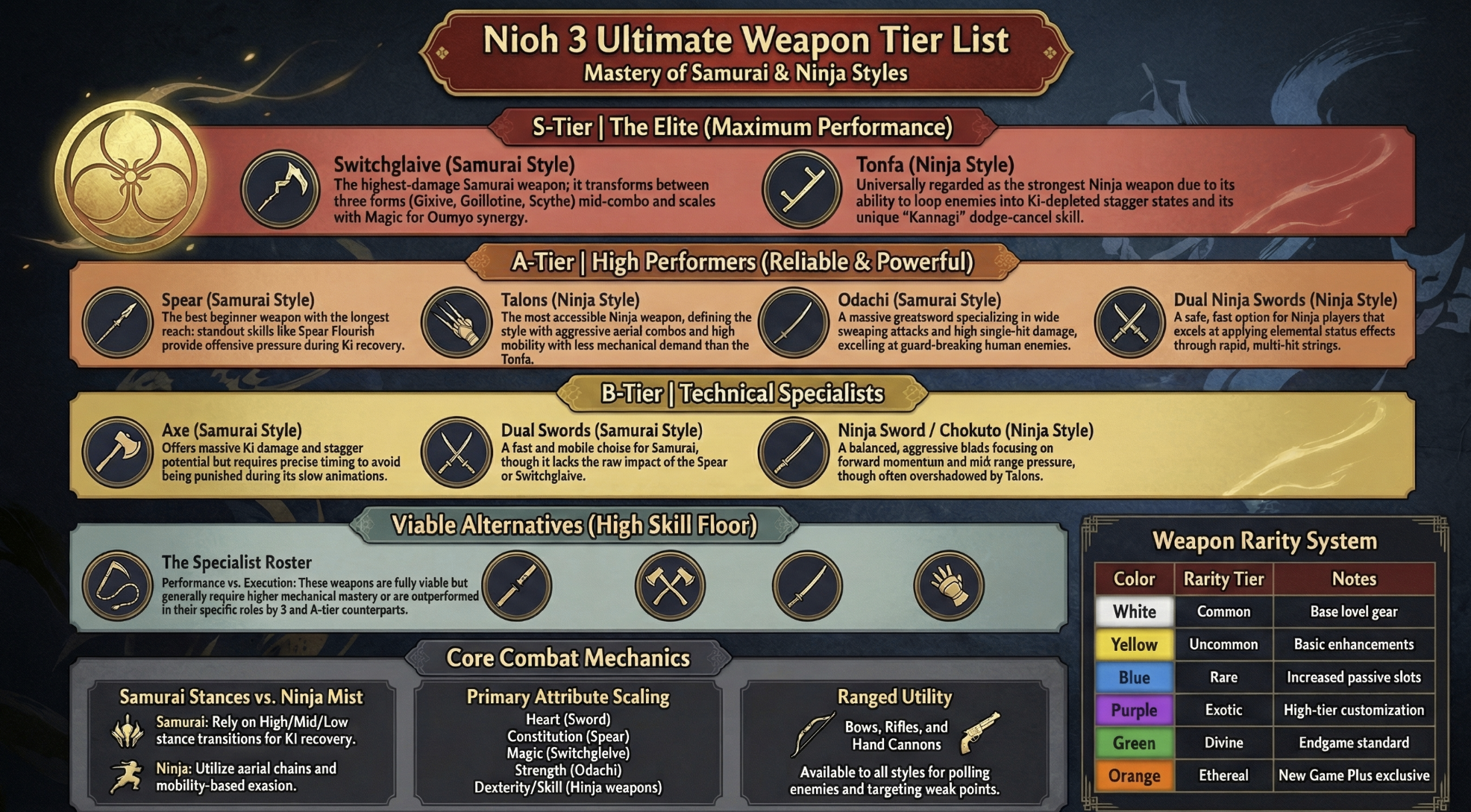
Every weapon in Nioh 3 can complete all content — Team Ninja has never made a truly unusable weapon type. That said, some weapons deliver consistent results with minimal execution overhead, while others demand near-perfect technique for gains that comparable weapons achieve more easily. The following rankings weigh damage output, ease of extracting consistent results, and versatility across enemy types and encounter formats.
S-Tier: The Best Nioh 3 Weapons
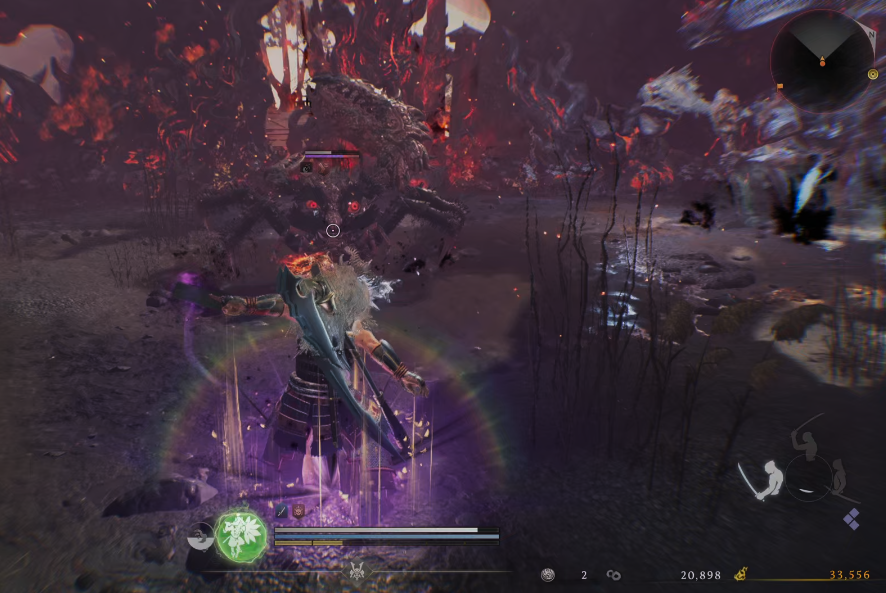
Switchglaive (Samurai) — The single highest-damage Samurai weapon when mastered. The three-form stance transformation enables attacks at virtually any range, and the Magic scaling feeds directly into Onmyo utility for stronger buffs. If you can commit to learning the stance-to-stance flow, no Samurai weapon produces better results. The honest caveat: it has the steepest learning curve of any weapon in the game. If stance juggling under pressure sounds unappealing, step down to the Spear instead.
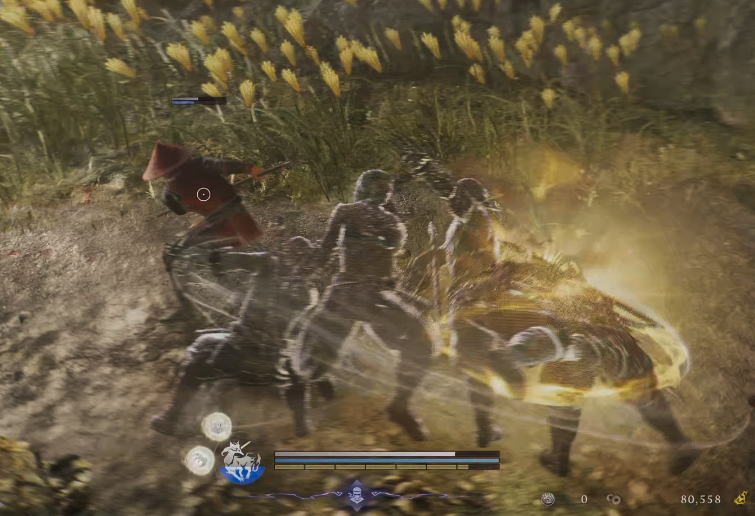
Tonfa (Ninja) — The Tonfa's ability to loop enemies into Ki-depleted stagger states makes many fights — including boss fights — dramatically more manageable. Fast lights with almost no Ki cost, a built-in deflect, and dodge-cancel capabilities make this weapon feel unfair against anything that relies on stamina-heavy attacks. The trade-off is range: Tonfa require you to stay right in an enemy's face, which punishes passive or reactive play styles.
A-Tier: Top Performers and Best Beginner Picks
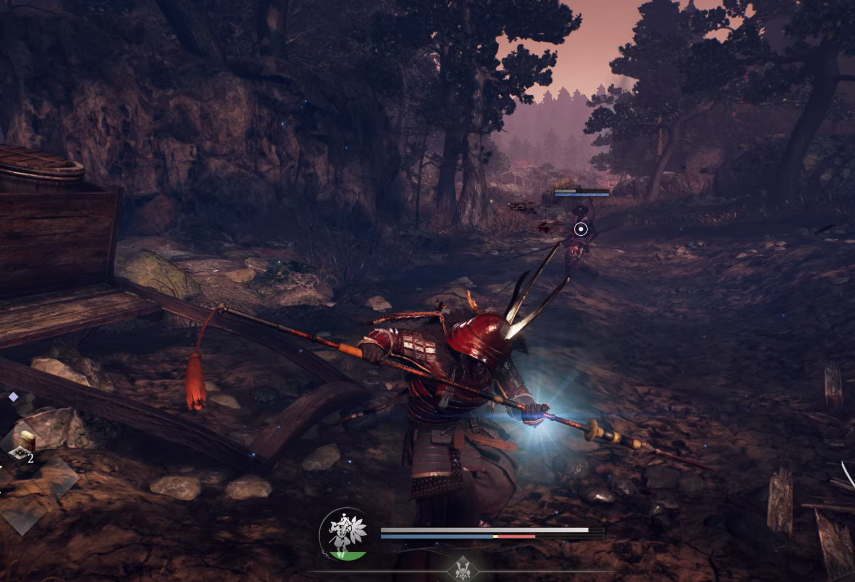
Spear (Samurai) — The best beginner-friendly Samurai weapon and genuinely competitive at every skill level. Longest melee reach in the Samurai arsenal, clean two-hit combos, and a skill tree packed with practical tools like Spear Flourish. No significant weaknesses. If you want a weapon that will carry you through the main story without demanding advanced mechanics, the Spear is the answer.
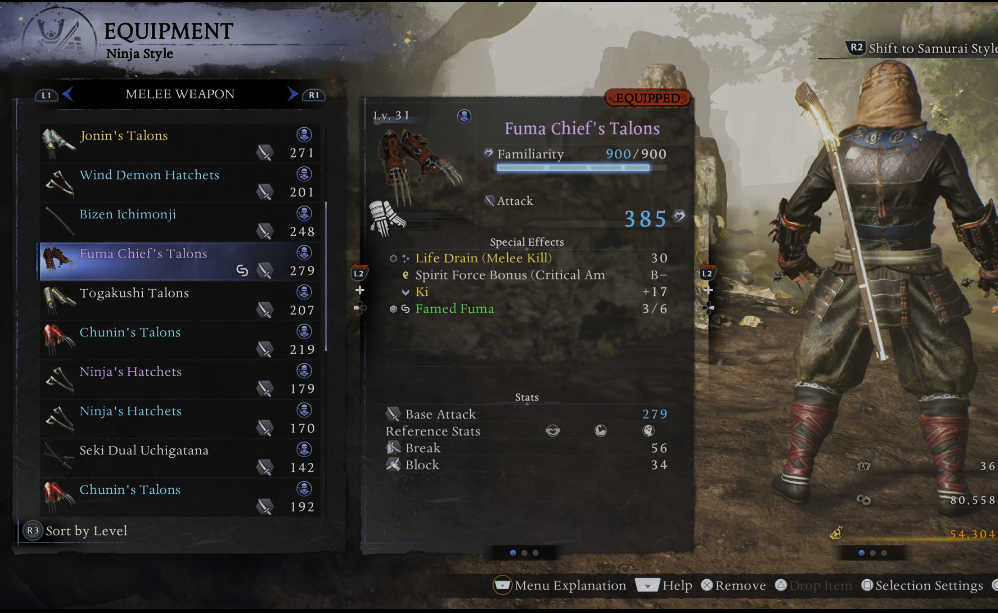
Talons (Ninja) — The most accessible top-tier Ninja weapon. Fast hit-and-run attacks, strong aerial combo extensions, and excellent output against both mobs and bosses. Talons match the Ninja style's aggressive mobility better than almost anything else in the roster and require far less mechanical commitment than Tonfa.
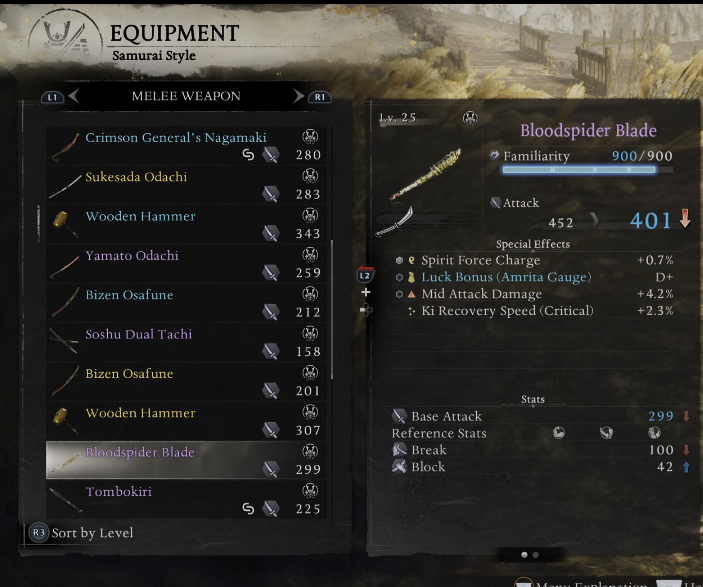
Odachi (Samurai) — Slow but devastating. The Odachi's sweeping horizontal strikes are one of the better crowd-clearing tools in the Samurai kit, and its raw single-hit damage is among the highest. Patience is required — over-committing punishes harder with this weapon than most — but players who like deliberate, heavy combat will find it extremely satisfying.
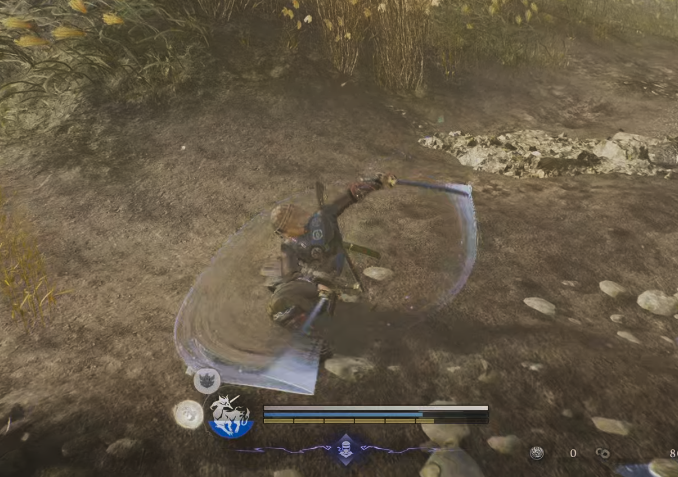
Dual Ninja Swords (Ninja) — Fast, safe, and effective. A reliable Ninja weapon for players who want consistent damage without the execution intensity of Tonfa or the speed of Talons. Works well for applying elemental statuses through rapid multi-hit strings.
B-Tier: Solid Choices with Higher Skill Floors
Axe (Samurai) — Enormous Ki damage and stagger potential, but the slow attack animations require careful timing and positioning that less experienced players often struggle to maintain. Extremely effective for those who understand its rhythm; punishing for those who don't.
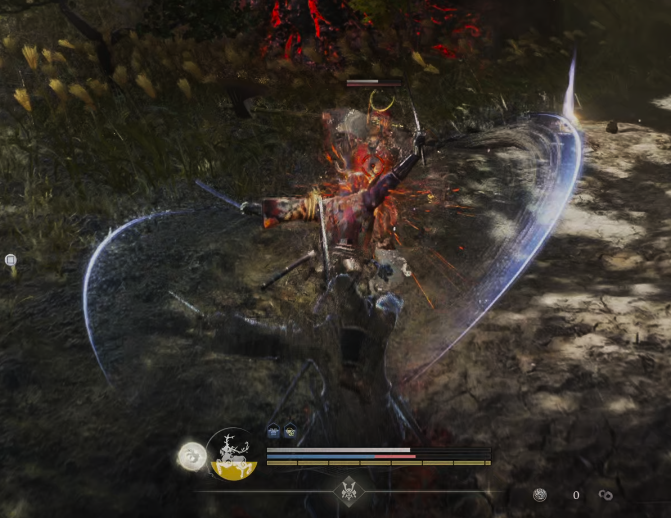
Dual Swords (Samurai) — Consistent, fast, and safe. Not as impactful as Spear or Switchglaive in terms of raw output, but great for status effect application and sustained pressure. A good secondary weapon option in your unlocked second slot.
Ninja Sword (Ninja) — Capable and rewarding once you learn its mid-range timing, but sits between the more extreme options of Talons and Tonfa without clearly beating either.
Kusarigama (Ninja) / Splitstaff (Ninja) / Hatchets (Ninja) / Sword (Samurai) / Cestus (Samurai) — None of these are weak — players have cleared all content with every one of them. They either carry higher mechanical requirements for equivalent damage (Kusarigama, Splitstaff) or simply get outperformed at their intended role by the weapons above them (Sword vs. Spear, Cestus vs. Tonfa, Hatchets vs. Talons).
How to Farm Crucible Weapons in Nioh 3
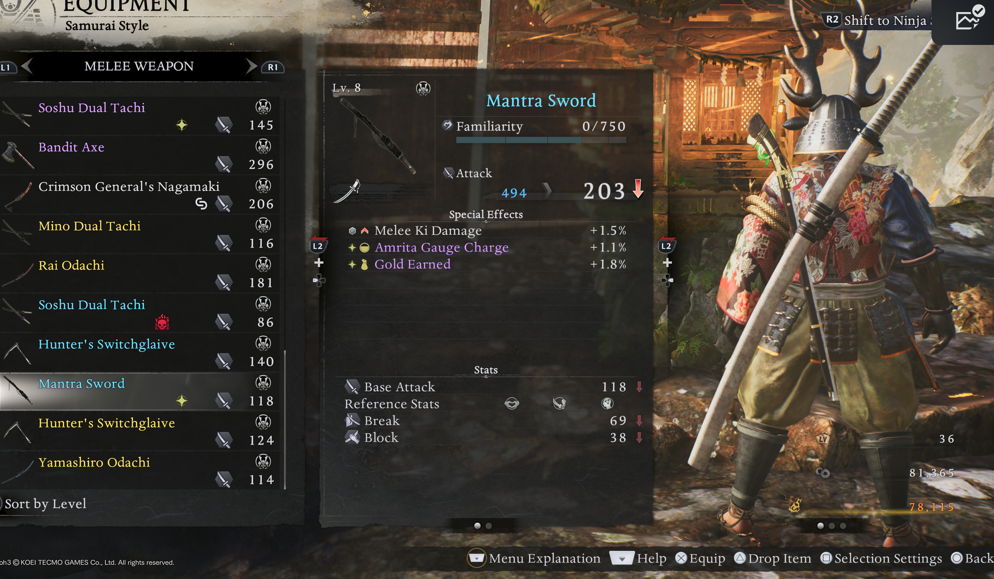
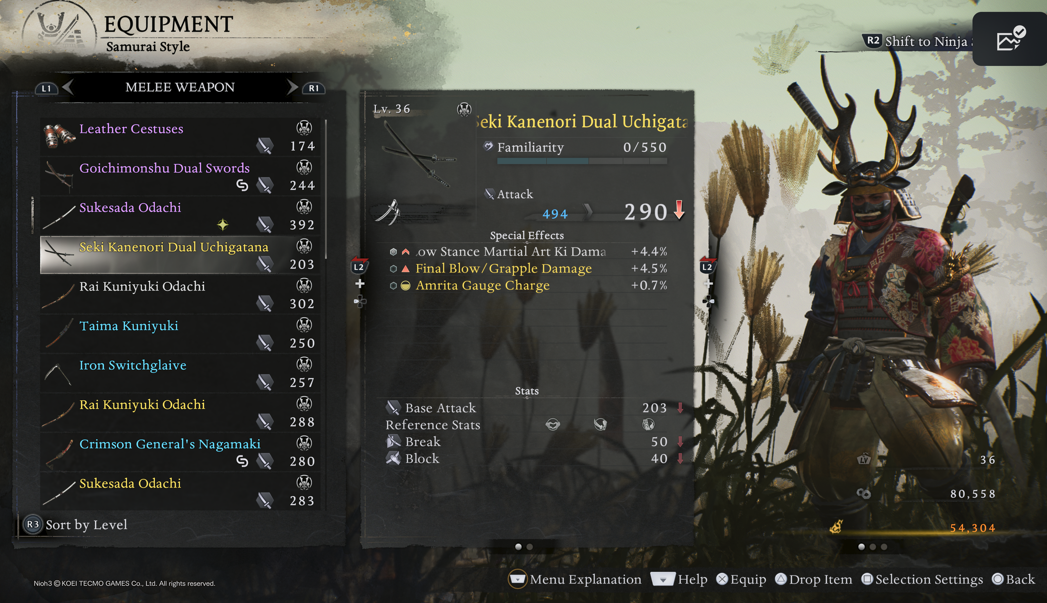
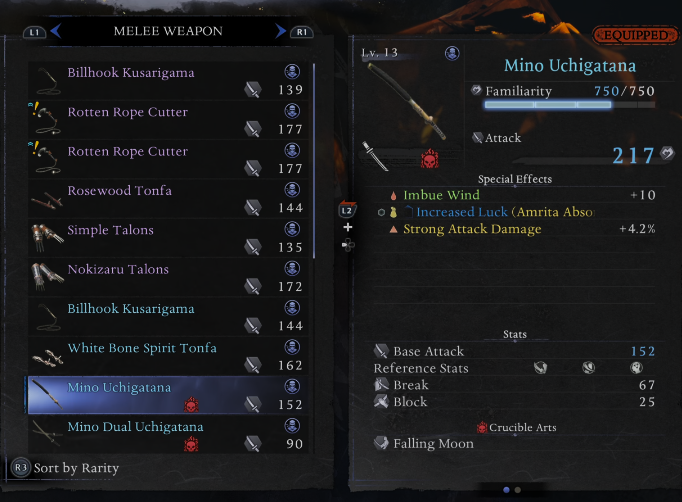
This Uchigatana has the Crucible Arts Falling Moon - which will be unlocked permanently once you your familarity with the weapon is maxed out.
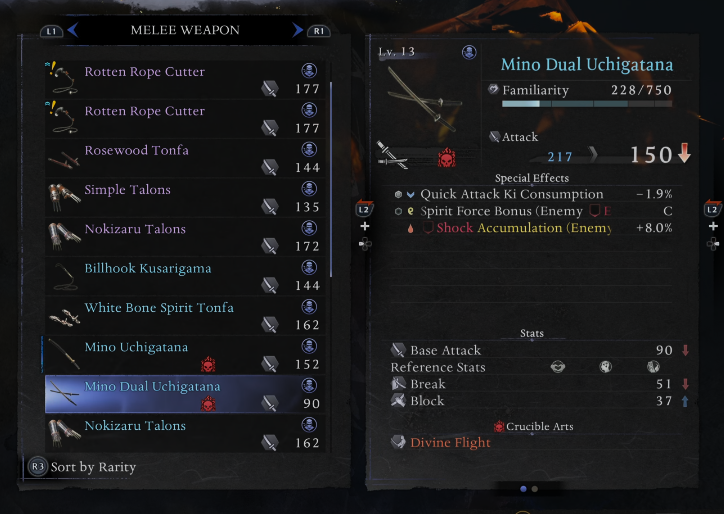
You can check if the Crucible Arts is unlocked or not through the color coding of the text. Here Divine Flight is not yet unlocked.
Crucible weapons are special variants of standard weapon types, identifiable by the red flaming skull icon next to their name in the inventory and the wisp of red smoke that surrounds their floor drops. They are stronger than normal loot and — crucially — come with a unique Crucible Art that cannot be unlocked through the standard skill tree. Once you raise your Familiarity with a Crucible weapon to maximum, that Crucible Art becomes permanently unlocked and usable with any weapon of the same type, meaning you don't need to keep the Crucible weapon equipped to benefit from the skill afterward.
Getting Crucible weapons naturally is slow. They drop from enemies inside Crucible zones, which are challenge areas embedded throughout Nioh 3's open world. Lesser Crucibles are dungeon-like runs with three to five enemy rooms and a mini-boss at the end; larger Crucibles scale up in difficulty and reward. The Life Corrosion mechanic inside all Crucible zones gradually eats your maximum HP, creating time pressure that can make casual farming tedious, especially early in the game.
The Best Early Crucible Weapon Farming Method
The fastest early-game farming route bypasses the gauntlet structure of the Crucible zones entirely by exploiting a specific checkpoint loop in a mission that is unlocked naturally through story progression.
First, you need to have reached and completed — or at least progressed to — the Crucible Manifested main quest, which takes place in Hamamatsu Castle Town and culminates in a fight against Jakotsu-baba. Once this mission appears in your Battle Scrolls at the Shrine, you can replay it indefinitely.
Here is the farming loop step by step:
Load Crucible Manifested from your Battle Scrolls. Rather than clearing the full mission, push through until you reach the second Bodhisattva Statue checkpoint, located in the Clan Estate area. There is a single Ippon-Datara — the one-legged hopping hammer Yokai — standing just past this checkpoint. Kill the Ippon-Datara, who has a notably high drop rate for Crucible weapons compared to standard enemies. Immediately run back to the Bodhisattva Statue and pray to save your progress and respawn the enemy. Repeat the loop.
The proximity of the Ippon-Datara to the checkpoint is what makes this route so efficient. A full loop from prayer to kill and back takes under a minute once you know the path, and 20 to 30 minutes of farming typically fills your inventory with a range of Crucible weapon drops. The base level of these weapons will be lower than your current equipment level, but that is not a problem — take any Crucible weapon worth keeping to the Blacksmith in the Eternal Rift and use Soul Matching to raise its level to match higher-level gear you've acquired. You feed a high-level piece of junk equipment into your Crucible weapon as a material, and it inherits the higher level. This keeps your favorite Crucible weapon relevant from early game all the way into endgame progression.
Other Crucible Weapon Sources
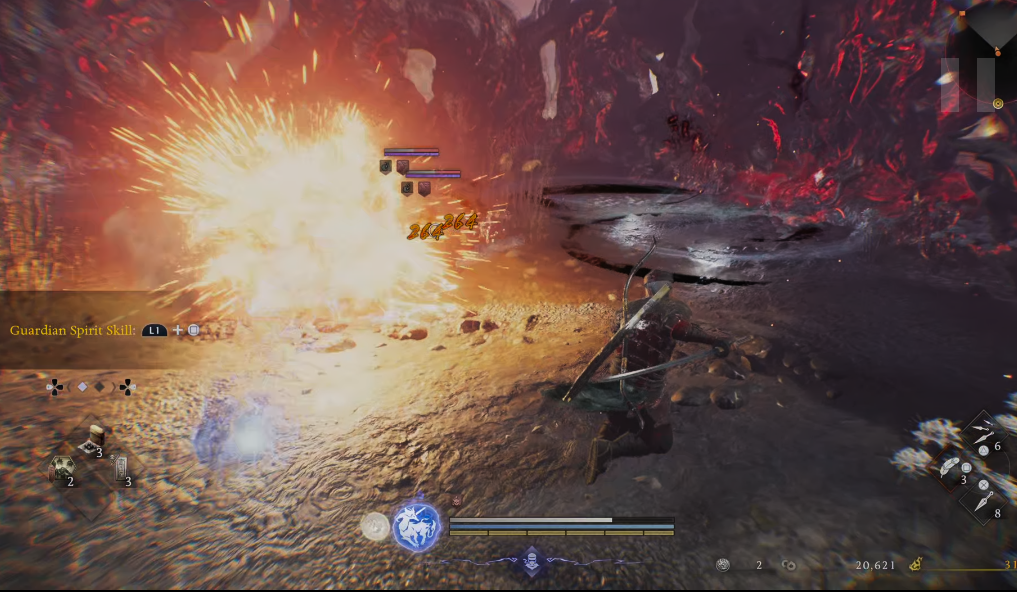
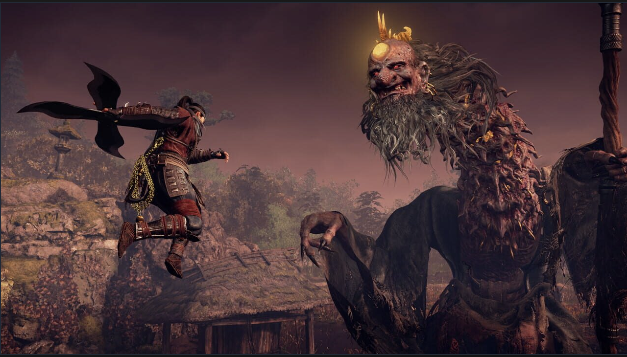
Beyond the Ippon-Datara loop, Crucible weapons drop from any Yokai enemy fought inside an active Crucible zone. Crucible Wraiths — visually distinct elite Yokai with a red-black aura that roam Crucible-affected open world areas — have dedicated drop tables that include Crucible weapons and high-tier Soul Cores. Wraiths respawn whenever you rest at a Shrine, making them viable for targeted farming once you've built a strong enough character to dispatch them quickly. They carry roughly three times the HP of normal enemies and deal significantly more damage, so approach them with a finished build rather than using them as early-game sources.
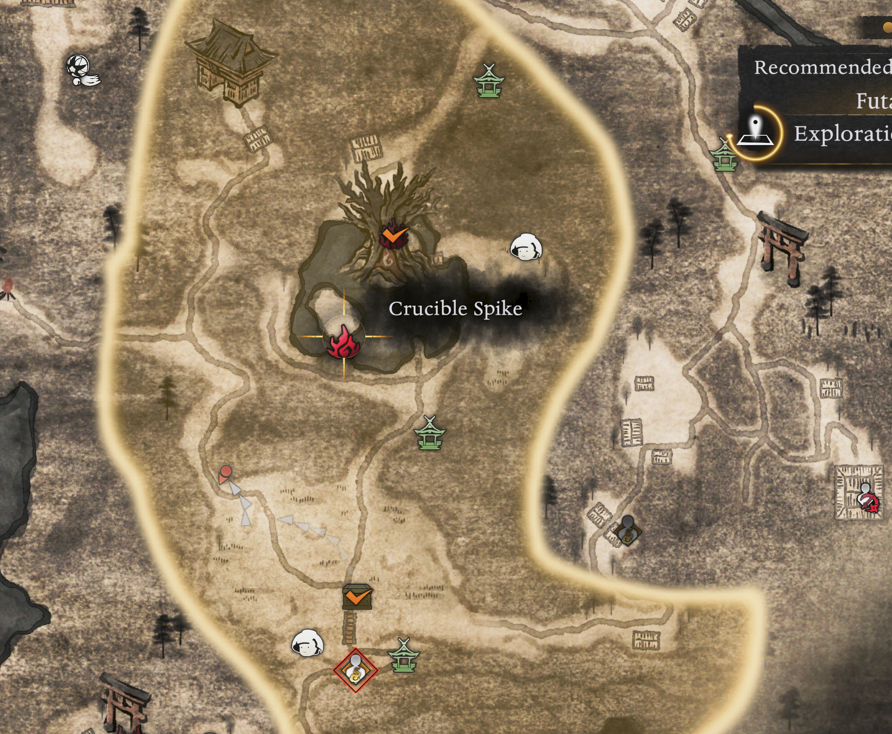
Crucible Spikes — large crystalline structures in the open world — grant a Crucible Art for the weapon type you use to destroy them, but this is a one-time reward per Spike rather than a farmable source. Prioritize them as you encounter them naturally.
Unlocking Crucible Arts: What to Do After Farming
Farming the weapon is only half the task. To permanently unlock a Crucible Art, equip your Crucible weapon and use it in combat until its Familiarity gauge reaches maximum. Every enemy you damage with it builds Familiarity, and the Battle Scroll farming loop described above doubles as the fastest Familiarity-building method available — you're killing enemies constantly, which directly feeds the gauge. Once Familiarity maxes out, the Crucible Art unlocks as a skill in your Customize Martial Arts menu and can then be assigned to any weapon of the same category. At that point, you can disassemble or Soul Match the Crucible weapon itself without losing the unlocked Art.
Weapon Stats, Scaling, and the Remodel System
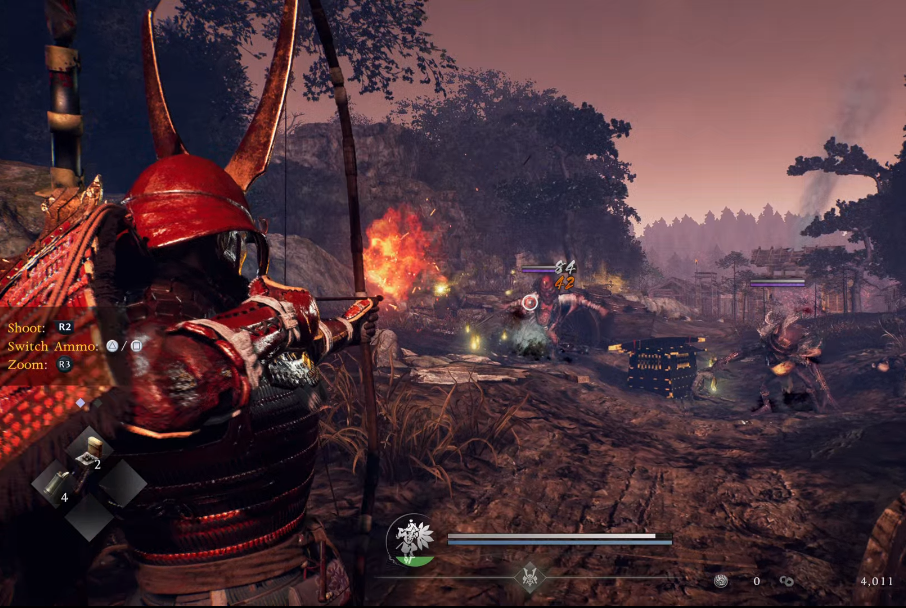
Every weapon in Nioh 3 scales off three stats — one primary stat providing the majority of damage growth, and two secondary stats contributing smaller bonuses. The primary scaling stat varies by weapon type: Spears scale primarily with Heart, Switchglaives with Magic, Odachi with Strength, Talons and Dual Ninja Swords with Skill, and so on. When building your character, invest heavily in your primary scaling stat (40 to 50 points for endgame builds) before spending on secondaries.
Weapon rarity follows a five-tier color system: Common (white), Uncommon (yellow), Rare (blue), Exotic (purple), and Divine (green). Higher rarities carry more passive skill slots for deeper customization. In New Game Plus and beyond, Ethereal (orange) weapons enter the loot pool.
The Remodel system, unlocked through Blacksmith progression, lets you change a weapon's scaling stats entirely. If you've invested points into Strength but want to use a Switchglaive that normally scales with Magic, Remodeling the Switchglaive to Strength scaling saves the build without requiring a full respec. It costs Gold and materials but eliminates the problem of being locked out of a weapon you enjoy for stat-mismatch reasons.
Which Nioh 3 Weapons Should You Start With?
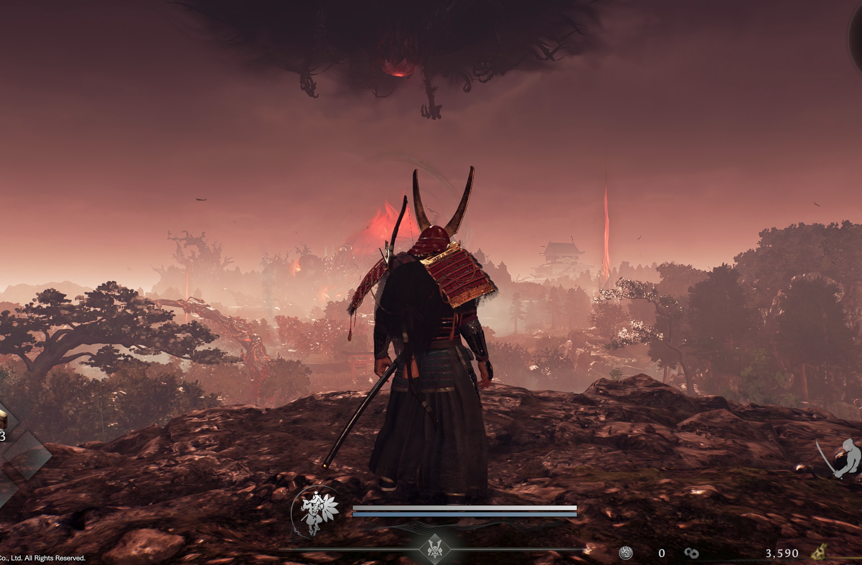
At the start of the game, the Sword, Dual Swords, Spear, and Odachi are available as Samurai starting choices. For Ninja, you choose between Ninja Sword, Dual Ninja Swords, Kusarigama, and Hatchets. The locked weapons — Switchglaive, Axe, Cestus for Samurai; Tonfa, Talons, Splitstaff for Ninja — are found as loot drops and become available naturally as you progress.
For players who want the smoothest possible introduction to Nioh 3's combat: pick the Spear for Samurai and Dual Ninja Swords for Ninja. Both weapons give clean, readable feedback, allow you to play at a comfortable distance while learning enemy patterns, and remain competitive without demanding advanced mechanics. As you find other weapon types through drops, spend time with them in lower-stakes encounters to feel out what resonates before committing skill points.
Spear also scale with Constitution - this stats bootst your HP signifcantly - making it's also a no brainer option for survivability.
For players who specifically want to work toward the best weapons in Nioh 3 as early as possible: the Switchglaive and Tonfa will both start appearing in your loot pool once you're past the early areas. When they drop, experiment.
The sooner you start building Familiarity and understanding their mechanics, the more natural they will feel by the time the game's difficulty escalates in the mid-to-late campaign.
Final Thoughts on Nioh 3 Weapons
The short answer to "what are the best weapons in Nioh 3" is the Switchglaive for Samurai and the Tonfa for Ninja at maximum performance, with the Spear and Talons as the best picks if you want high effectiveness without the demanding execution those two require. Crucible weapons are worth farming early via the Ippon-Datara checkpoint loop in Crucible Manifested — not necessarily for their base stats, but to begin unlocking the Crucible Arts that permanently expand what every weapon type in your loadout can do.
All 14 weapon types in this game are viable. Team Ninja has built enough depth into each moveset that players dedicated to any weapon can succeed at all content. The tier list matters less than picking something that genuinely engages you, building Familiarity with it, and learning its skill tree thoroughly. With free respec available at any Shrine, experimentation costs nothing, so there's no reason not to spend time with every weapon type before settling on a main.
Câu hỏi thường gặp về Nioh 3
- Ngày phát hành Nioh 3 là khi nào?
- Nioh 3 dự kiến phát hành vào ngày 6/2/2026.
- Nioh 3 chơi được trên nền tảng nào?
- Nioh 3 hỗ trợ: PC (Microsoft Windows), PlayStation 5.
- Nioh 3 thuộc thể loại gì?
- Nioh 3 thuộc thể loại: Role-playing (RPG), Hack and slash/Beat 'em up, Adventure.
- Có trailer chính thức của Nioh 3 không?
- Có. Bạn có thể xem trailer của Nioh 3 ngay trên trang này ở phần video.
Khám phá thêm
Nioh 3 Tonfa Build Guide: Best Endgame Setup for Dream of the Nioh
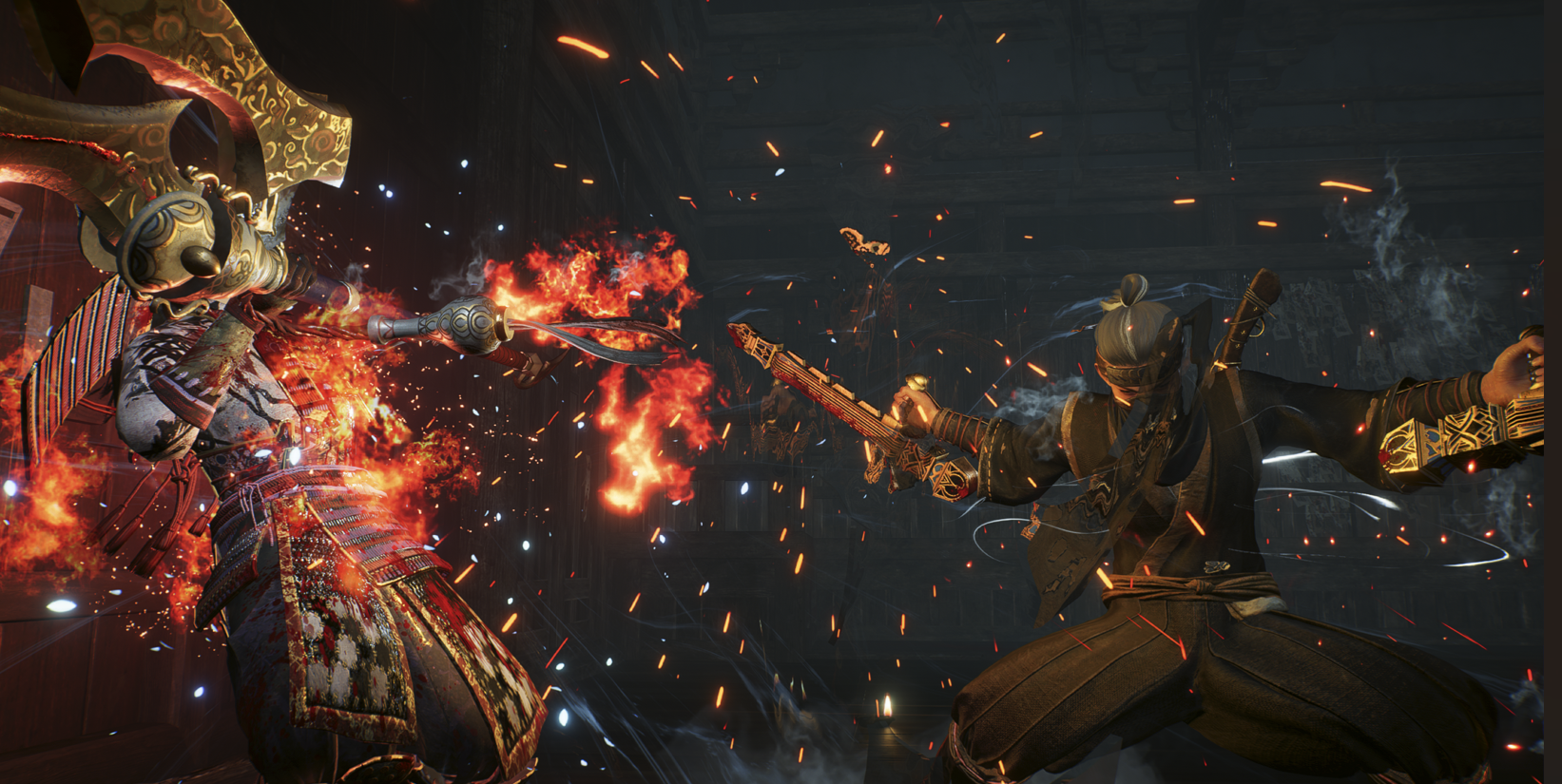
The Tonfa is Nioh 3's highest Ki-damage Ninja weapon — a blunt, fast, relentless close-range weapon that wins by draining enemy stamina bars faster than they can recover, forcing Winded states, and capitalising on those vulnerability windows with finishing moves that deal disproportionate burst damage. In the base game, a halfway-decent Tonfa setup will stagger-lock most enemies before they can threaten you. In Dream of the Nioh — where enemy health pools triple, their damage can one-shot you, and your basic combat tools stop being enough — the Tonfa build stops being about hitting hard and starts being about engineering a system.
Nioh 3 Weapons Scaling Guide: Which Stats to Level for Each Weapon
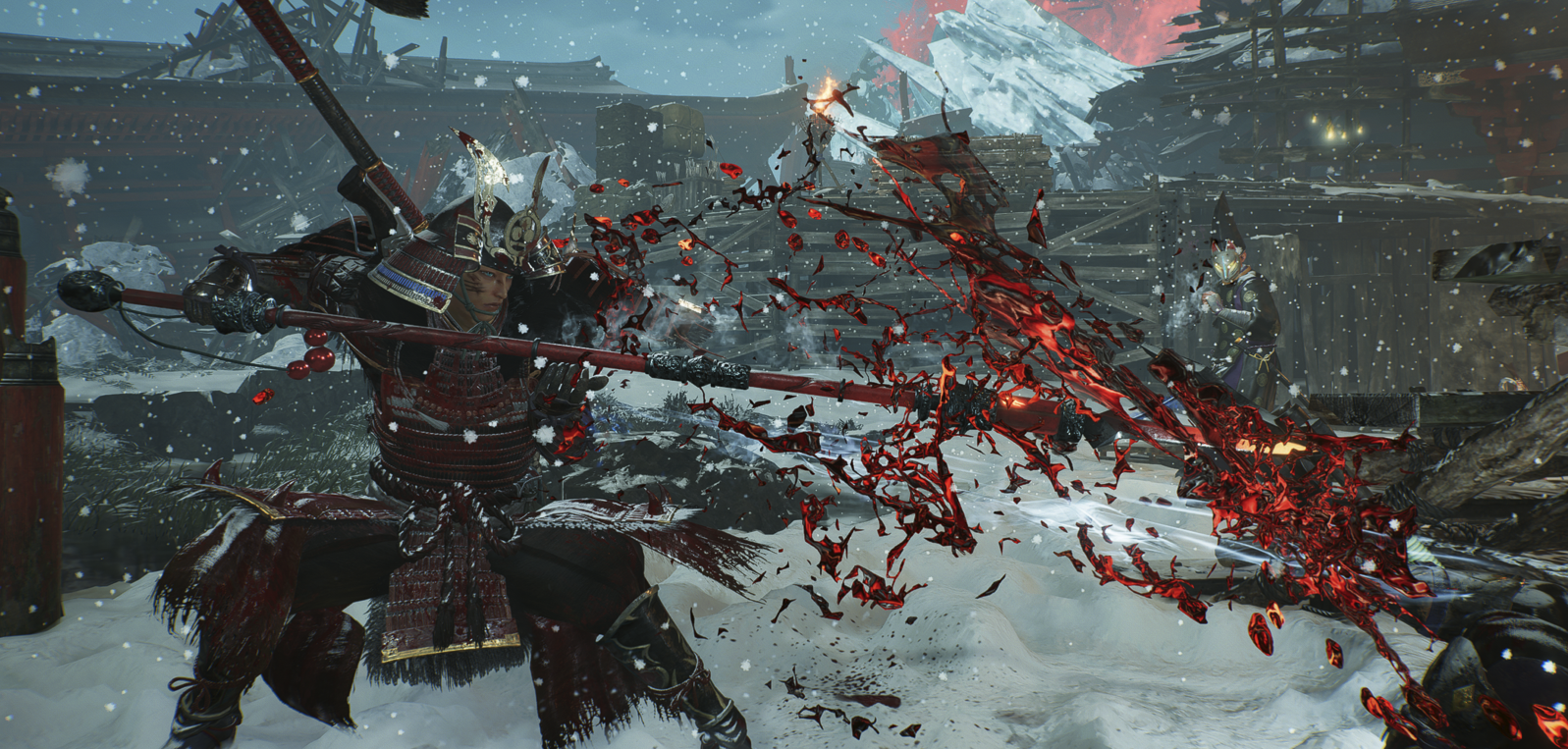
Nioh 3 throws out the letter-grade scaling system from Dark Souls and Elden Ring entirely. There are no A/B/C rankings stamped on your weapon telling you to just pump Strength. Instead, every weapon in the game operates on what Team Ninja calls Reference Stats — a three-stat dynamic scaling system that automatically adjusts to your highest attribute investment. It sounds complex. It is, slightly. But once you understand how it works, it becomes one of the most build-friendly systems in any Souls-adjacent game, because it's nearly impossible to permanently brick your character — and respec is free.
Nioh 3 Best Samurai Weapons: Top Picks for Every Samurai Build
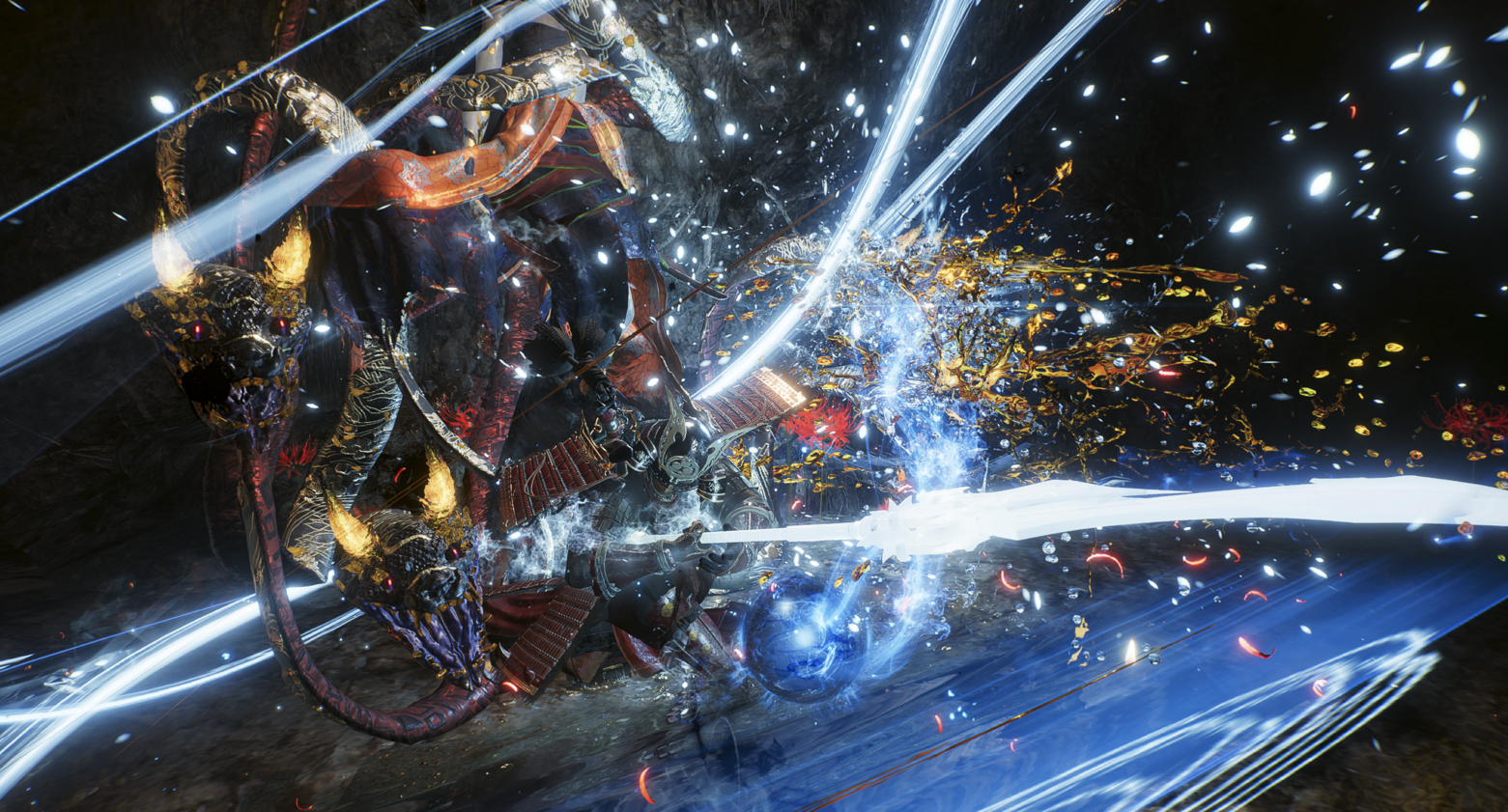
This guide ranks all seven Samurai weapons, breaks down what each one actually rewards in combat, identifies the best Martial Arts for each, and matches each weapon to the build identity where it performs best. If you're deciding which Samurai weapon to commit to — or you've been struggling with your current pick and want to know why — this is the reference you need.
Nioh 3 Character Creation Guide: Best Character Codes, Sliders & Tips (PS5 & PC)
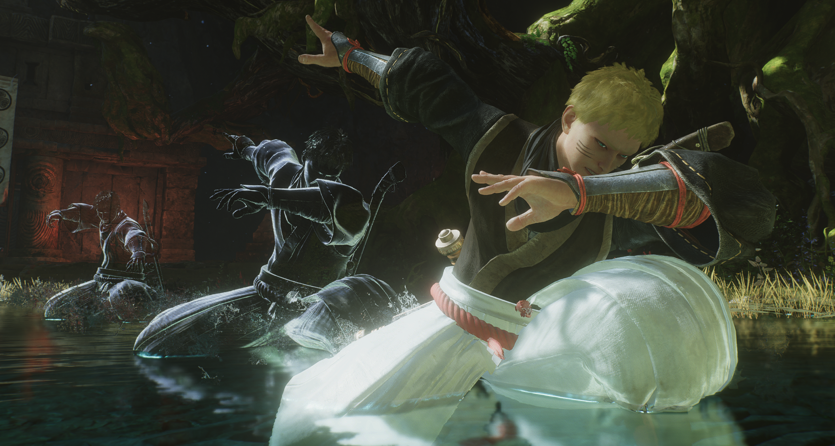
Before a single Yokai dies, before you settle on your first weapon, before you even decide whether you're building Samurai or Ninja — you'll be staring at the Nioh 3 character creation screen deciding what your warrior actually looks like. And given that Team Ninja has built one of the most detailed character customization systems in the Souls-like genre, that time investment is entirely justified. Whether you want to craft an original face from scratch or import one of the community's best Nioh 3 character codes to get straight into the action, this guide covers everything: every menu, all the working codes for both PS5 and PC, and tips for getting the most out of the system.