
Nioh 3 Review: Koei Tecmo's Most Refined Souls-like Is Also Its Most Familiar
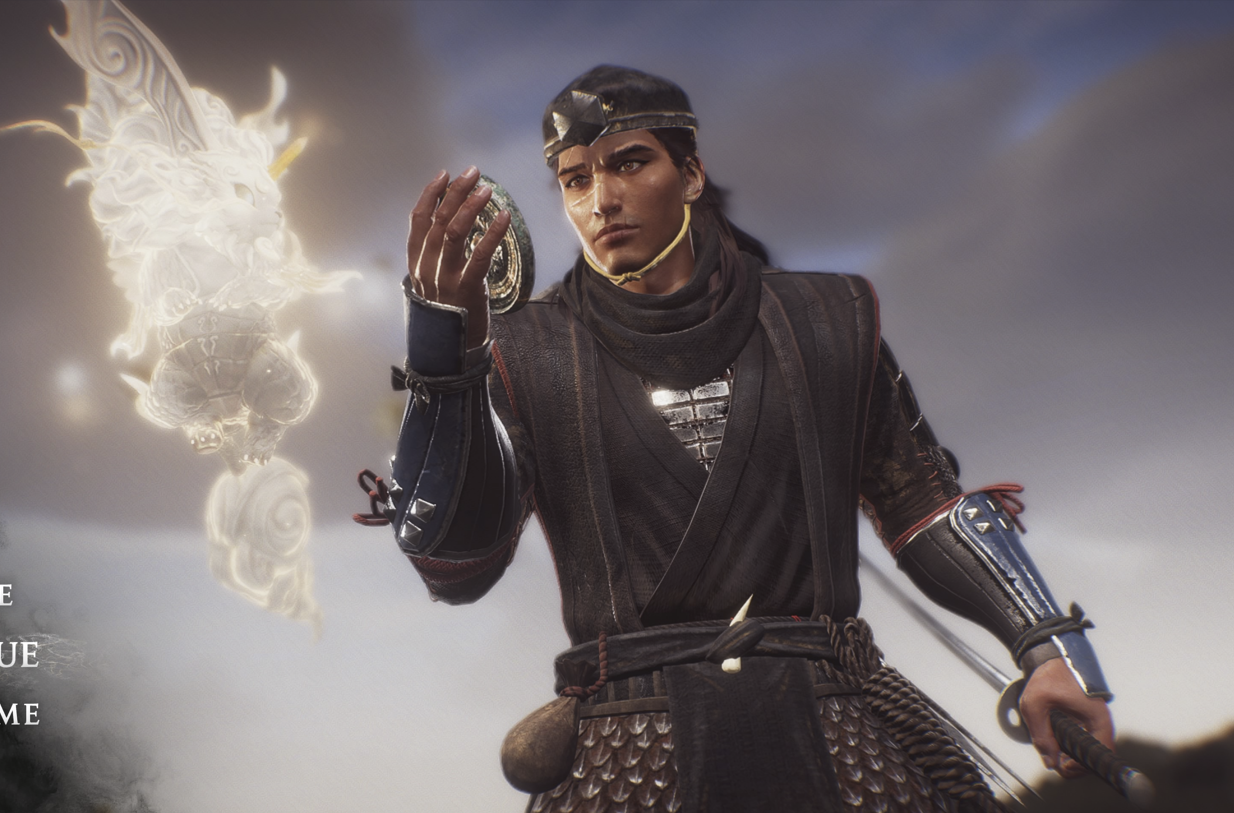
There is a version of this review that begins with Nioh 3 being the best Souls-like game released in years — and that version is accurate. There is another version that begins with the observation that Koei Tecmo is now operating from an increasingly predictable playbook, and that version is also accurate.

There is a version of this review that begins with Nioh 3 being the best Souls-like game released in years — and that version is accurate. There is another version that begins with the observation that Koei Tecmo is now operating from an increasingly predictable playbook, and that version is also accurate.
The tension between those two things is what makes Nioh 3 both genuinely excellent and slightly frustrating to assess, particularly if you have been following Team Ninja's output across the last decade of action RPG development.
TL;DR - Nioh 3 is a superb game. Its combat is the deepest and most expressive the series has ever produced. The new dual-style system — switching fluidly between Samurai and Ninja mid-fight — adds a layer of tactical freedom that changes how every single encounter plays, and the loot, build, and weapon depth continues to be unmatched in the genre. If you have never touched a Nioh game and enjoy the Souls-like format, this is arguably the best possible entry point the series has ever offered. If you have played both previous games to completion, the long hours required and the sense of familiarity will feel simultaneously like comfort and repetition, depending entirely on your personal relationship with the formula.
The Context: Koei Tecmo Has Been Here Before
To understand where Nioh 3 sits, it helps to step back and look at what Koei Tecmo has been building across its action RPG output since the first Nioh launched in 2017. That game was something genuinely surprising — a Souls-like set in Sengoku-era Japan that proved the formula could absorb a completely different combat philosophy, one centered on Ki management, aggressive stance-switching, and a loot economy that made Diablo feel restrained by comparison. Nioh 2 expanded it. Then came the experiments.
Wo Long: Fallen Dynasty arrived in 2023 as what can only be described as Koei Tecmo's take on Sekiro — a parry-centric, aggressive action game set in the Three Kingdoms period of China, borrowing the Dynasty Warriors historical canvas but wrapping it in a FromSoftware-adjacent challenge structure. Then Rise of the Ronin in 2024 leaned harder into the Elden Ring model: open-world exploration, a lighter tonal approach, and a combat system that prioritized accessibility without abandoning depth, transplanting the Nioh framework into something that felt deliberately pitched at players who found the series intimidating.
Nioh 3 is what you get when those experiments conclude and the studio returns to the franchise that started it all, having spent years studying what the genre's biggest competitors do and folding those observations back into the core of their most mechanically complex series. The dual combat styles — Samurai and Ninja — read clearly as Team Ninja's synthesis of everything they learned from Wo Long's aggressive parry focus and Rise of the Ronin's accessibility emphasis. Both philosophies live in Nioh 3 simultaneously, assigned to two distinct playstyles that the player can switch between freely in combat.
In Nioh 3, Deflect can be learned very early on as a skill in the Samurai section. This increase your Ki, feel satisfying to pull of, and also can help you open new punishing windows.
This is not a criticism. It is important context. Nioh 3 doesn't feel like a game that emerged from creative restlessness — it feels like a game that emerged from a very disciplined, very intentional process of consolidation. That approach produces extraordinary polish and a certain degree of predictability in roughly equal measure.
The Combat: Still the Deepest in the Genre
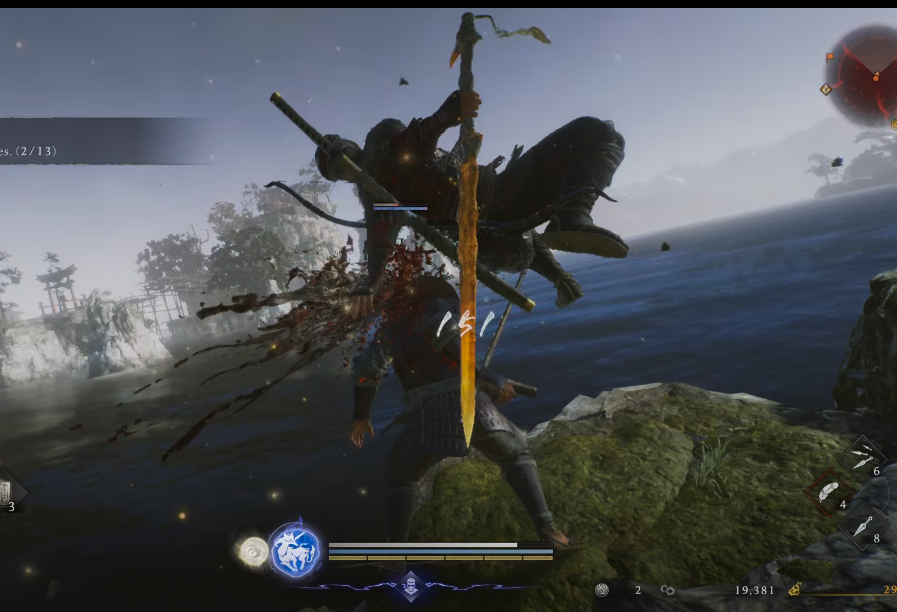
The reason Nioh 3 sits at 86 on Metacritic and 88 on OpenCritic — making it one of the highest-rated games of 2026 to date and edging out Nioh 2's launch score of 85 — is the combat. It is not close between the Nioh series and its competition on this dimension. The Souls-like genre broadly trades in the fantasy of deliberate, weighty confrontation.

Nioh trades in the fantasy of becoming a supernatural engine of destruction through mechanical mastery, and the gap between a first-time player and an experienced one in terms of how the game actually looks and feels in motion is enormous. Nioh 3 represents the furthest that gap has ever stretched.
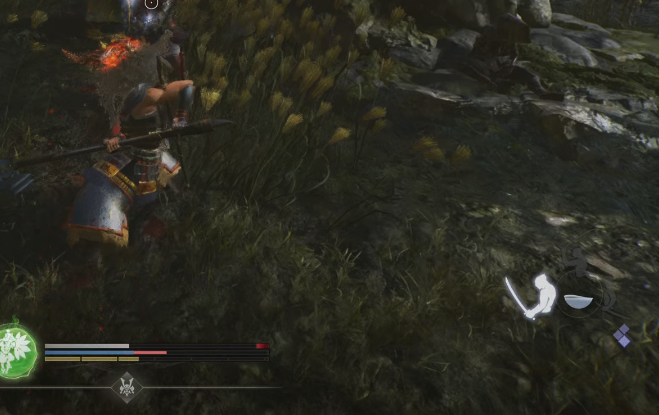
The Samurai style functions as it always has — three-stance combat (High, Mid, and Low), Ki Pulse timing, Deflect parrying, and access to the weapon categories the series built its reputation on. Everything from the Switchglaive's stance-morphing three-form system to the Spear's Flourish parry counter is present and refined. The Ki Pulse remains one of the most satisfying input-timing mechanics in the genre: hit it correctly, clear the purple Yokai Realm, recover your stamina, and maintain pressure; miss it, and a boss can drain your Ki to zero in two swings. After hundreds of hours across two previous games, the Pulse still requires active attention in every fight.
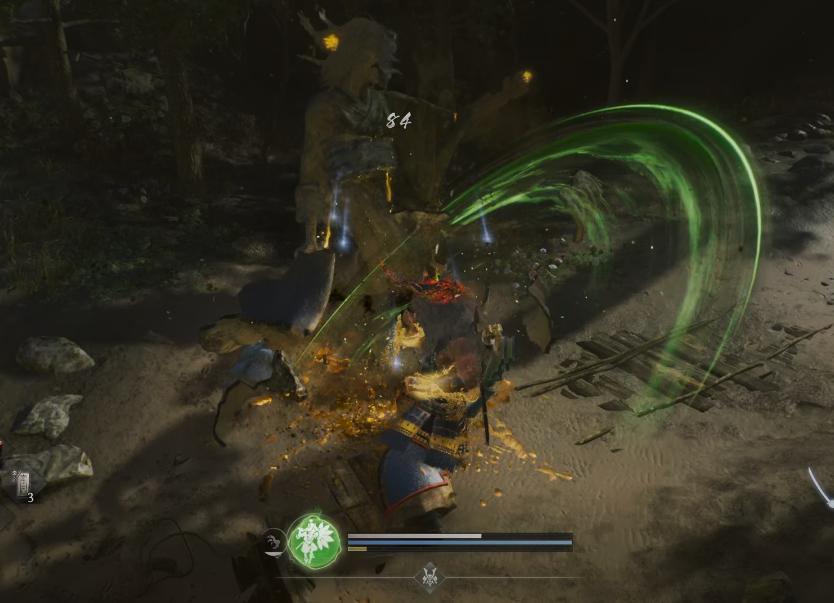
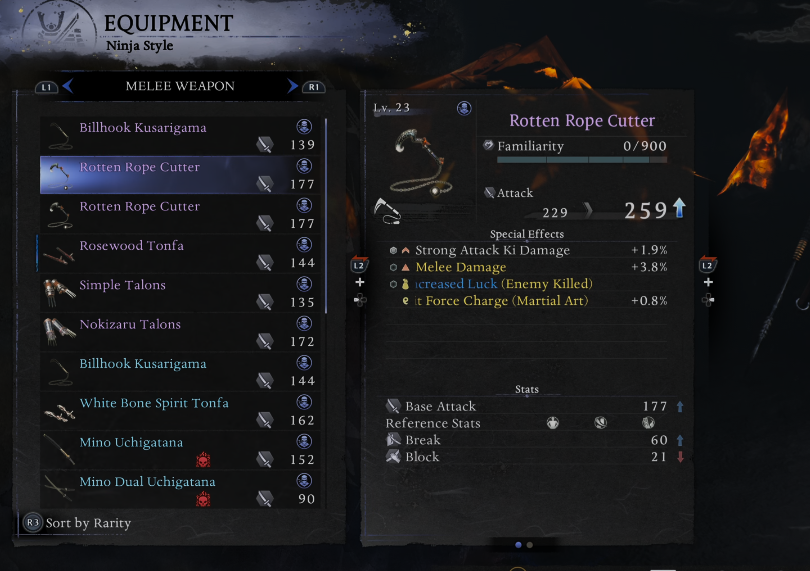
The Ninja style is the structural addition that changes the game's flavor most dramatically. Where Samurai emphasizes measured offense and defensive positioning, Ninja operates on speed, evasion, and status effect accumulation. The Mist dodge replaces the Samurai's Ki Pulse as the primary stamina recovery tool, trading the grounded rhythm of precise timing for a more fluid, movement-based system. New weapon categories — Tonfa, Talons, Dual Ninja Swords, Kusarigama, and more — each carry distinctly different playstyles that don't exist on the Samurai side, and the ability to maintain two fully separate weapon loadouts across both styles means build depth has effectively doubled since Nioh 2.
Switching between styles mid-combat is where the system achieves something genuinely new for the series. The best players use Ninja mode to drain an enemy's Ki with rapid multi-hit chains, then switch to Samurai mode to punish the resulting stagger window with a High Stance finisher that hits far harder than anything in the Ninja arsenal. Or run Onmyo magic buffs in Samurai mode to apply elemental statuses, then Ninja mode to accelerate the status buildup through fast multi-hit attacks until Confusion triggers. The strategic depth of playing both styles with intention — rather than simply defaulting to whichever you're more comfortable with — is what separates Nioh 3's mid-game from its endgame experience.
Community reception validates this. On Metacritic's user reviews, the combat is the single most frequently cited reason for positive scores. "The KI system, switching between stances, varied weapon types, Ninjutsu, martial arts abilities, talent tree, and expansive build options ensure that no two battles feel the same," one representative user review reads. On NeoGAF, multiple forum members called it "the new combat standard for Souls-likes and maybe hack and slash in general." The rare negative user reviews — and there are some — primarily concern the graphics and bosses, almost never the combat system itself.
The Open Field Structure: Better Than Expected
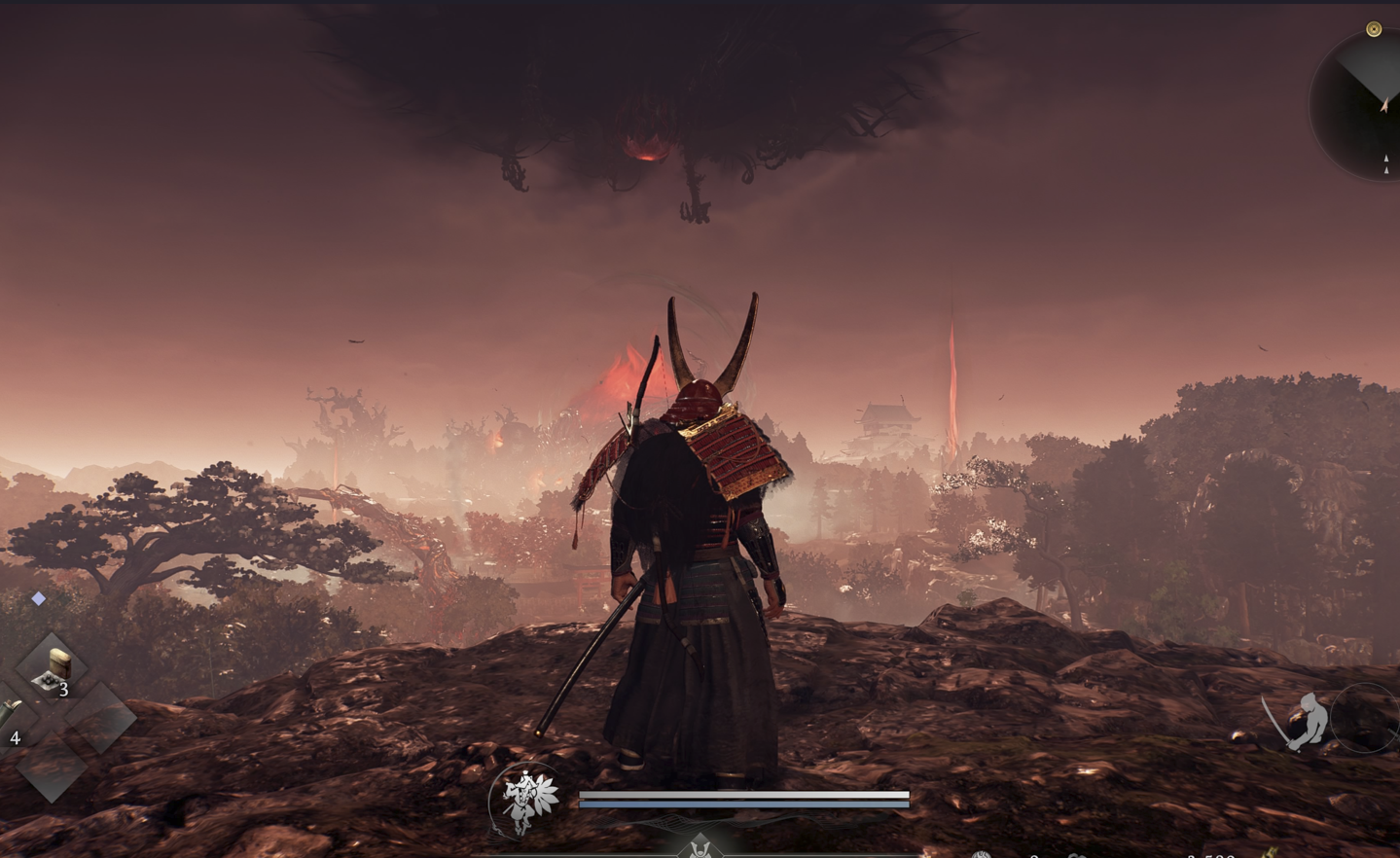
Nioh 3's move away from the previous games' mission-based linear level structure toward "open field" zones was the most contested decision in pre-release discussion. The community was justifiably nervous: the tight, deliberately designed corridors of Nioh and Nioh 2 were a significant part of what made encounters feel tense. Open areas risked diluting that.
In practice, it works better than the skeptics feared, though not as well as the most enthusiastic comparisons to Elden Ring suggest. Nioh 3 is not a true open world — the open field zones are large, explorable maps with optional encounters, hidden missions, collectibles, and roaming Yokai, but they are discrete areas rather than a single interconnected world. The first map is the most ambitious and genuinely impressive, earning the Elden Ring comparison from some reviewers. Later regions return to more corridor-forward structures, which a significant portion of the player community — particularly veterans who finished Nioh 1 and 2 — have noted with some disappointment. One long-form Metacritic user review from someone with "N1/N2 veteran >1200h combined" states plainly: "Open map idea is surprisingly good, but we need more of it." The structural ambition is real; the follow-through is partial.
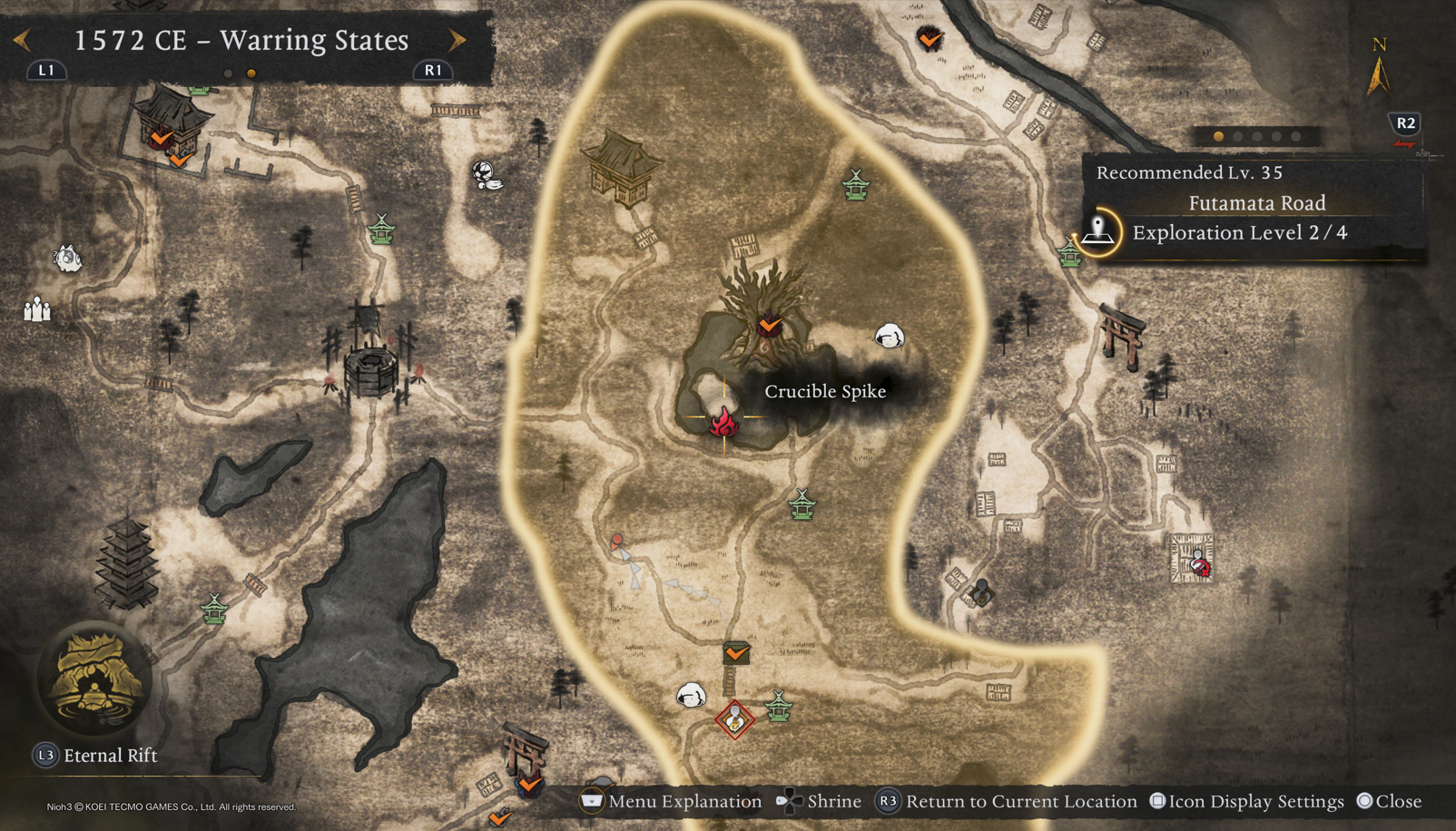
What the open zones provide that the previous games couldn't is a more organic sense of discovery. Enemies patrol areas rather than waiting in corridors. Optional Crucible zones — the game's toughest content outside of endgame difficulty tiers — are tucked into corners of the maps behind challenge barriers. Villages with NPCs and ambient Yokai encounters give the world texture that the mission structure never could. The quality of life improvements that arrived alongside the structural shift — auto-loot settings, loot filters, auto-sell and auto-disassemble rules at Shrines, an improved transmog system — make the hundred-plus hour runtime significantly less friction-heavy than Nioh 2's equivalent end-state.
The Bosses: Chaotic By Design
This is where community reception fractures most noticeably. The vocal majority loves the boss encounters. A significant and vocal minority finds them frustrating in ways that distinguish the Nioh series unfavorably from its Souls-like peers.
Nioh 3's bosses are fast. Genuinely, aggressively fast — faster than Nioh 2's equivalent encounters, and in ways that some veteran players find crosses the line from challenging into illegible. One prominent Metacritic user review captures this perspective: "Mobs in the game is comically super fast compared to N1/N2, and most of them always try to grab you — very cheap. Boss fights as usual: boss teleports, flies all over the field, grabs you constantly, in one/two hits depletes your Ki. Burst counter? Perfect parry? Perfect dodge? Try to learn boss pattern? Forget all of this in boss fights." The reviewer gave it a 6.
The majority position, reflected in the 95% critic recommendation rate on OpenCritic, is that the bosses are "challenging yet fair, offering flexibility and strategic freedom that make victories feel earned rather than frustrating." Both experiences are real. They reflect a genuine design tension in the Nioh series that has existed since the first game: the combat tools the player builds up are deep enough to make most encounters solvable through multiple approaches, but the encounters themselves rarely signal which approach they're designed around. Nioh is not a Sekiro-style puzzle game where the solution is visible if you read it correctly — it is a combat stress-test where your build and execution either match the encounter's pace or don't, and that design preference separates fans from critics of the series as clearly as anything else.
The Graphics: The Series' Persistent Weakness
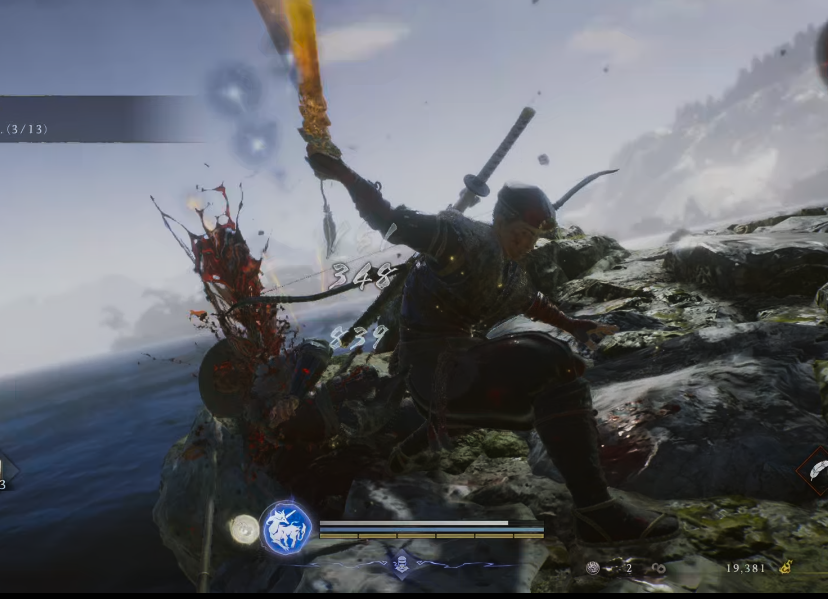
This needs to be said clearly because it keeps appearing in critic reviews, community discussions, and the user review score on Metacritic with a regularity that Team Ninja cannot ignore: Nioh 3's visuals are behind where a 2026 PS5 exclusive should sit.
The engine has improved incrementally across the trilogy, and the option to prioritize framerate over fidelity is present and welcome. But the character models outside of the protagonist's own gear, many environmental textures, and particularly the lighting in interior spaces all read as a generation behind what the hardware should produce. Several critics who scored the game in the 85-90 range noted this as their primary reservation.
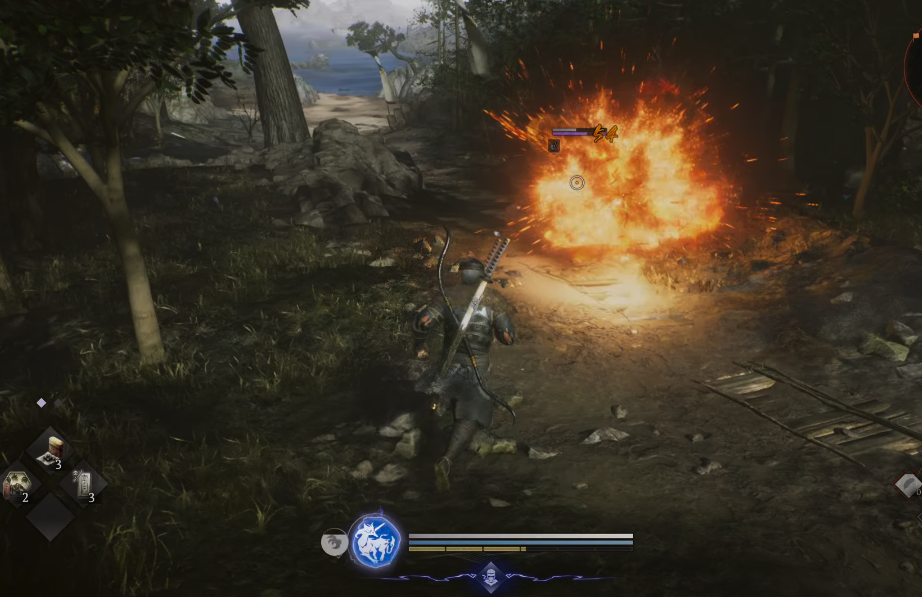
It's not difficult to see that's Nioh 3 graphics doesn't improve alot since the debut of William in Nioh.
The Atarita review puts it directly: "Nioh 3 stands out mechanically but falls short in terms of visuals and story." That sentence appears in multiple variations across dozens of reviews.
For series veterans, this is a known quantity. Nioh has never competed with the genre's graphical leaders — not against FromSoftware's environments in Elden Ring, and not against Guerrilla's or Naughty Dog's first-party PS5 output. The game runs well when performance mode is prioritized, and the character-level artistry in Yokai design and armor aesthetics remains impressive. But the gap between what Nioh 3 looks like and what a 2026 game with this profile should look like is visible throughout. PC performance adds another variable: reports from Steam at launch ranged from smooth 60 FPS on mid-tier hardware to inconsistent frame pacing on machines that should run it effortlessly, echoing the same complaints that accompanied the PC versions of Wo Long and Rise of the Ronin.
The Story: Functional at Best
Nioh has never been played for its story, and Nioh 3 does not change this. The setup is more personal and more interesting than the previous games: you play as Takechiyo, a customizable protagonist whose rivalry with his brother Kunimatsu over the title of Shogun drives the early chapters forward. Time travel across multiple Japanese historical eras — including the Warring States period and the Heian era — gives the narrative structural variety that the Sengoku-only Nioh 1 and 2 didn't have. But the promise of the opening doesn't carry through. The middle of the game loses its narrative thread, the supporting cast serves primarily as mission-givers rather than characters, and the historical figures you encounter feel thinner than William's encounters in the first game. The story is adequate scaffolding for 80-plus hours of combat. That is the ceiling it was designed to reach, and it reaches it.
English voice acting is widely regarded as weak, with multiple reviews — including from NeoGAF community members — recommending the Japanese audio track as the significantly better experience. This has been true of the series since Nioh 1 and the pattern holds.
A Fan's Perspective: A Hundred Hours Well Spent
Having followed this series since the first Nioh — through the white-knuckle corridors of Sengoku Japan, through the expanded Yokai variety and more aggressive encounter design of Nioh 2, and now here — the experience of playing Nioh 3 is complicated in exactly the way long-term series investment tends to be. The familiarity is real.
The formulaic quality that the more critical reviews identify is also real. Koei Tecmo has been building toward this game explicitly, with Wo Long and Rise of the Ronin functioning as research projects for the combat design philosophy that ends up here rather than as departures from it. You can feel that process in every system.
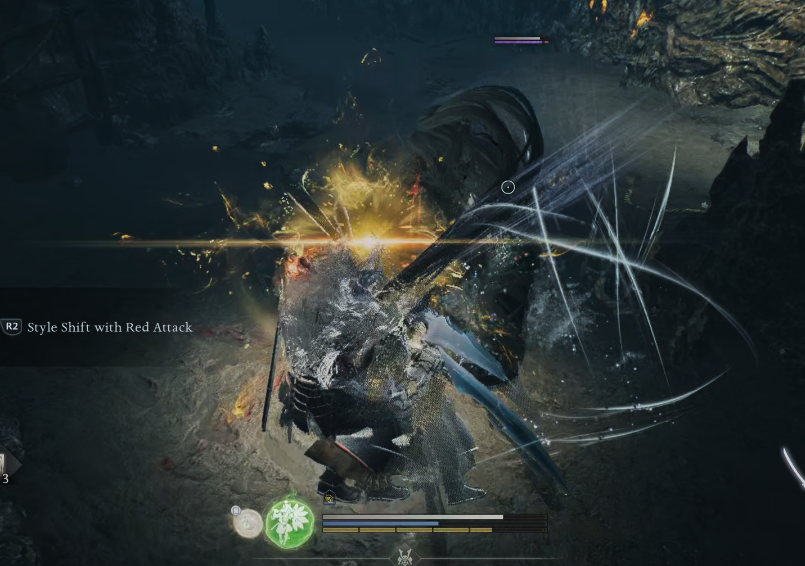
And yet the 100-plus hours — NG+ completed, deep into the Eternal Rift — have been among the most engaging this type of game has produced in years. The dual-style build system creates a character progression loop that the first two games, for all their depth, couldn't match. The moment the Switchglaive + Tonfa pairing clicks — switching from Ninja mode Ki destruction into a Samurai punish combo — is the kind of combat expression that only the Nioh series offers in this genre. The Crucible zones are brutal and wonderful. The endgame Dream of the Nioh difficulty remains the most demanding and rewarding grind in the Souls-like space.
The dated graphics and familiar bones are the price of admission. For a certain kind of player — the one who ran out of hours in Nioh 2 before running out of things to do — that price has always been worth paying. Nioh 3 doesn't change that calculus. It just refines it to its sharpest point yet.
What the Critics Are Saying
The 86 Metacritic score and 88 OpenCritic average place Nioh 3 above Nioh 2 (85 at PS4 launch) and just below the original Nioh (88), which remains the series' Metacritic peak — an interesting outcome given that the community broadly considers Nioh 2 the better game. The critic distribution tells the story clearly: the top end of scores comes from publications for whom the combat depth and open-field exploration represent genuine genre advancement. GamesRadar gave it 4.5/5, calling it "a triumphant evolution for veterans and the best possible starting point for newcomers." WCCFTECH awarded 9.8/10, describing it as "the definitive samurai fantasy and a modern masterpiece of action design." GameSpew gave it a 10/10 as the series' best entry.
The lower end of the critic range — five publications at 7/10 — share a consistent concern: too much similarity to past entries, not enough structural innovation. ComicBook noted "too much of Nioh 3 is too similar to past Nioh games, so while that means it has a few glorious boss fights and fluid controls, it lets down the innovative spirit the series was founded on." This minority position is coherent. It is also a critique that applies, to varying degrees, to every Nioh sequel, and the franchise's audience has historically voted with their time against it.
The user score gap is worth noting. A meaningful segment of the Metacritic user base has given the game scores below what the critic consensus suggests, citing graphics and boss design as the primary complaints. A separate segment has given it scores above the critic average — multiple users calling it a 90-95 game rather than an 86 — citing the combat as undervalued in critical assessments. Both camps have valid points, and the actual experience you'll have with Nioh 3 depends significantly on where you sit in relation to the series' specific design priorities.
Who Is Nioh 3 For?
Nioh 3 is an exceptional game for players who want the deepest combat system in the Souls-like genre and are willing to engage with a substantial learning curve to access it. The dual-style system and expanded build depth mean it is also the most genuinely accessible entry in the series for newcomers, despite the raw difficulty level not having dropped significantly. If you bounced off Nioh 1 or 2 because the Ki management felt opaque or the stance system felt overwhelming, the Ninja style's more intuitive speed-and-evasion framework provides an alternative entry point that didn't exist before.
It is a more complicated recommendation for players seeking significant innovation over Nioh 2. The open-field structure adds genuine freshness, but it is partial and inconsistent. The graphics have not caught up to 2026 hardware. The story remains functional rather than compelling. If your primary interest is in a game that surprises you with its design ambitions rather than rewards you for mastery of an already-beloved system, other 2026 releases may serve you better.
For series veterans who have been waiting six years and counting their hours across Nioh 1 and 2 in the hundreds: this is what you have been waiting for. The combat has never been this refined, the build variety has never been this wide, and the endgame has never offered this many directions to push into. Nioh 3 doesn't transcend the formula. It perfects it.
Verdict
Nioh 3 is Team Ninja's most technically accomplished game and the logical end-point of a design journey that ran through Wo Long's parry focus and Rise of the Ronin's accessibility experiments before arriving here. The dual Samurai/Ninja combat system is the best addition to the series since Nioh 2's Yokai Shift, and the expanded build depth it creates pushes an already unmatched character progression system further than ever. The open-field zones breathe genuine new life into a structure that needed fresh air. The dated visuals, familiar story beats, and occasionally chaotic boss design are the consistent weaknesses of a franchise that has never prioritized them. None of those weaknesses diminish the 100-plus hours of extraordinary combat the game delivers around them.
Score: 8.5 / 10
The Good
- Dual Samurai/Ninja style system is the most significant mechanical addition since Nioh 2
- Deepest combat and build variety in the genre — nothing else comes close
- Open-field zones genuinely improve pacing and exploration over linear mission structure
- Most accessible Nioh entry without compromising difficulty or depth
- Endgame (Dream of the Nioh, Crucibles, Underworld) is exceptional for dedicated players
- Quality-of-life improvements (auto-loot, respec, loot filters) significantly reduce friction
The Bad
- Visuals are noticeably behind 2026 PS5 standards — the engine needs a meaningful overhaul
- PC performance inconsistent at launch, echoing issues from Wo Long and Rise of the Ronin
- Story's strong opening doesn't carry through — narrative remains functional, not compelling
- Open-field design is limited to early maps; later regions return to corridor structure
- Boss encounter design will feel chaotic rather than fair to some players — this is a series-wide fault that hasn't been resolved
- Follows a formula; players expecting structural reinvention will find it conservative
Câu hỏi thường gặp về Nioh 3
- Ngày phát hành Nioh 3 là khi nào?
- Nioh 3 dự kiến phát hành vào ngày 6/2/2026.
- Nioh 3 chơi được trên nền tảng nào?
- Nioh 3 hỗ trợ: PC (Microsoft Windows), PlayStation 5.
- Nioh 3 thuộc thể loại gì?
- Nioh 3 thuộc thể loại: Role-playing (RPG), Hack and slash/Beat 'em up, Adventure.
- Có trailer chính thức của Nioh 3 không?
- Có. Bạn có thể xem trailer của Nioh 3 ngay trên trang này ở phần video.
Khám phá thêm
Nioh 3 Tonfa Build Guide: Best Endgame Setup for Dream of the Nioh
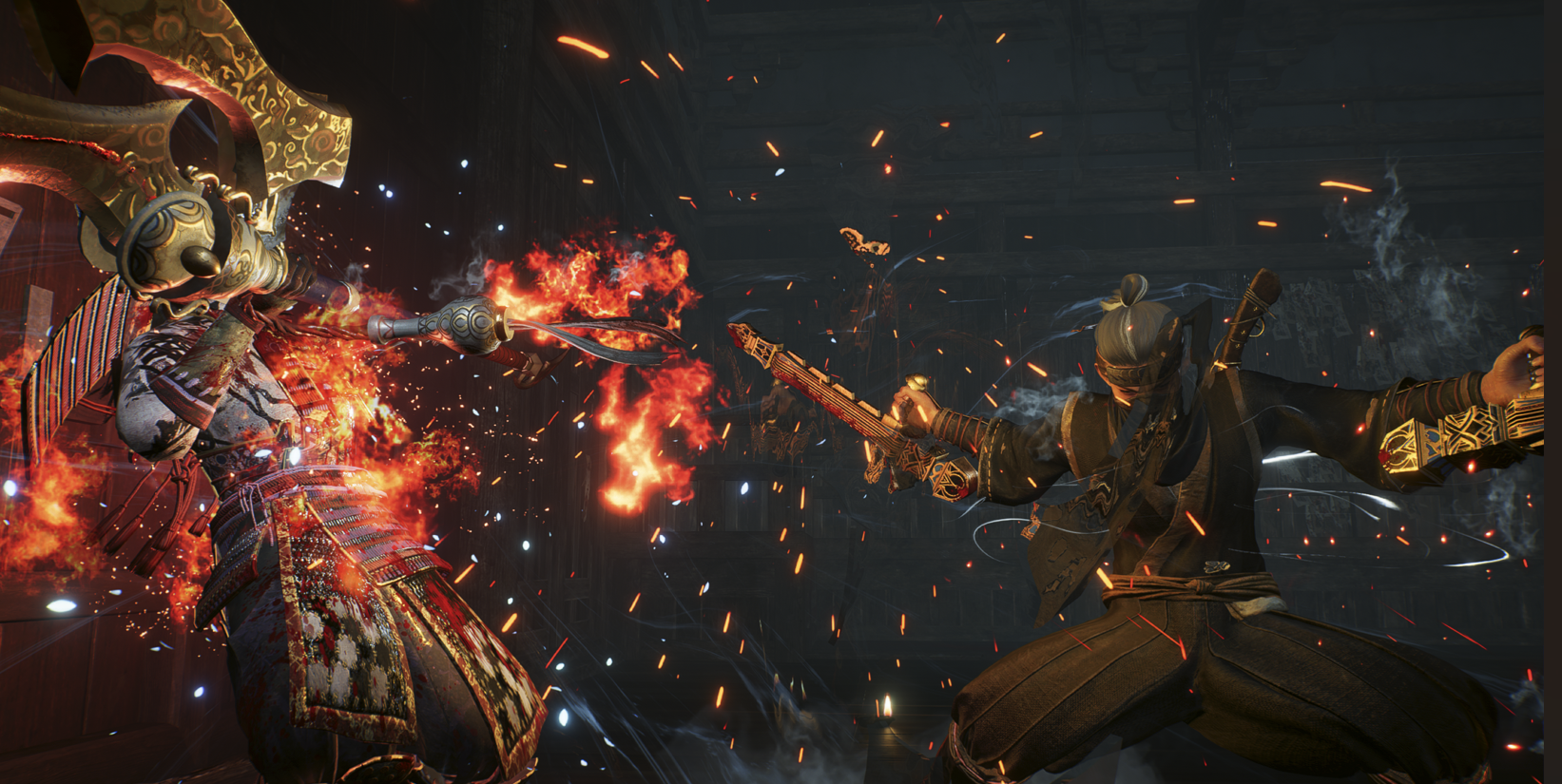
The Tonfa is Nioh 3's highest Ki-damage Ninja weapon — a blunt, fast, relentless close-range weapon that wins by draining enemy stamina bars faster than they can recover, forcing Winded states, and capitalising on those vulnerability windows with finishing moves that deal disproportionate burst damage. In the base game, a halfway-decent Tonfa setup will stagger-lock most enemies before they can threaten you. In Dream of the Nioh — where enemy health pools triple, their damage can one-shot you, and your basic combat tools stop being enough — the Tonfa build stops being about hitting hard and starts being about engineering a system.
Nioh 3 Weapons Scaling Guide: Which Stats to Level for Each Weapon
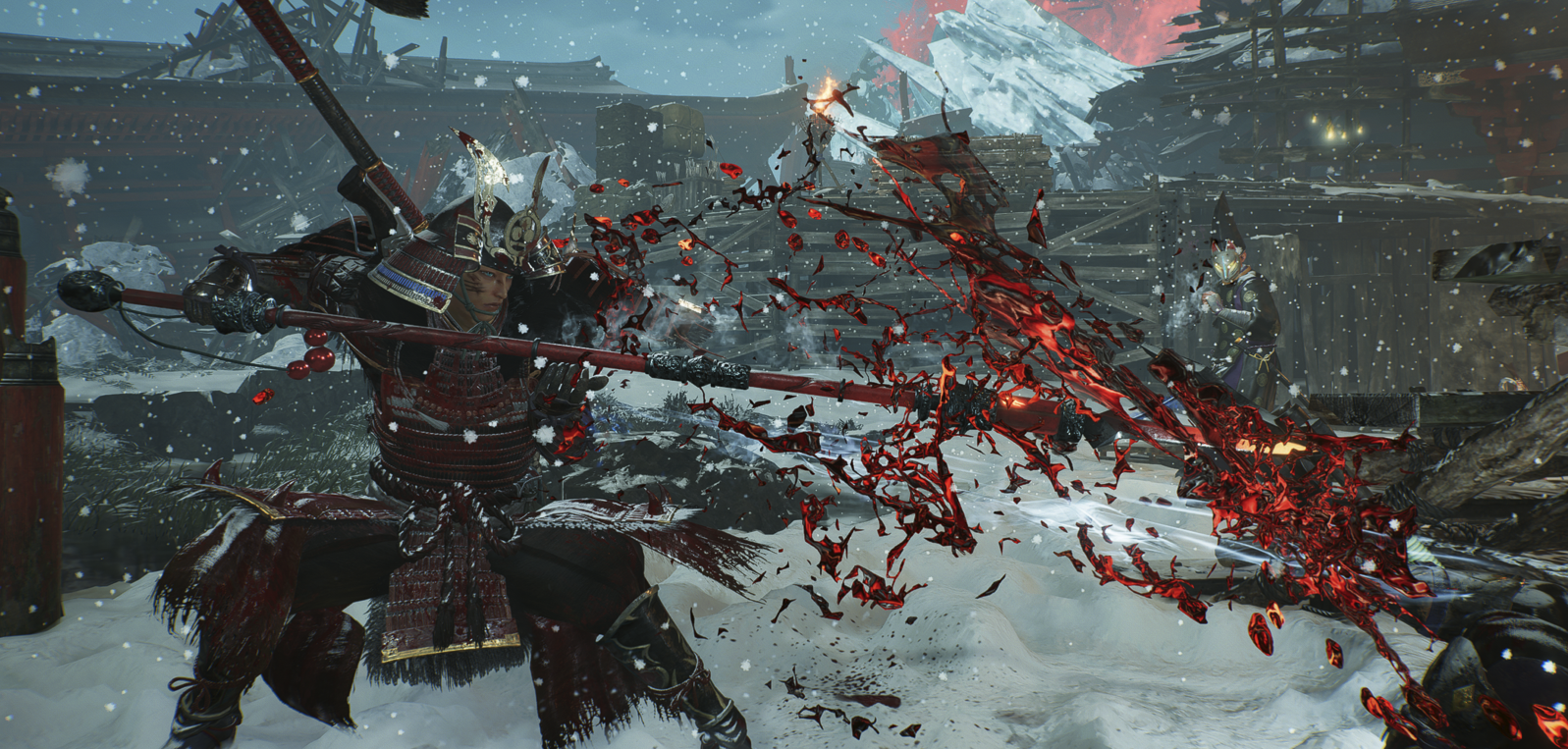
Nioh 3 throws out the letter-grade scaling system from Dark Souls and Elden Ring entirely. There are no A/B/C rankings stamped on your weapon telling you to just pump Strength. Instead, every weapon in the game operates on what Team Ninja calls Reference Stats — a three-stat dynamic scaling system that automatically adjusts to your highest attribute investment. It sounds complex. It is, slightly. But once you understand how it works, it becomes one of the most build-friendly systems in any Souls-adjacent game, because it's nearly impossible to permanently brick your character — and respec is free.
Nioh 3 Best Samurai Weapons: Top Picks for Every Samurai Build
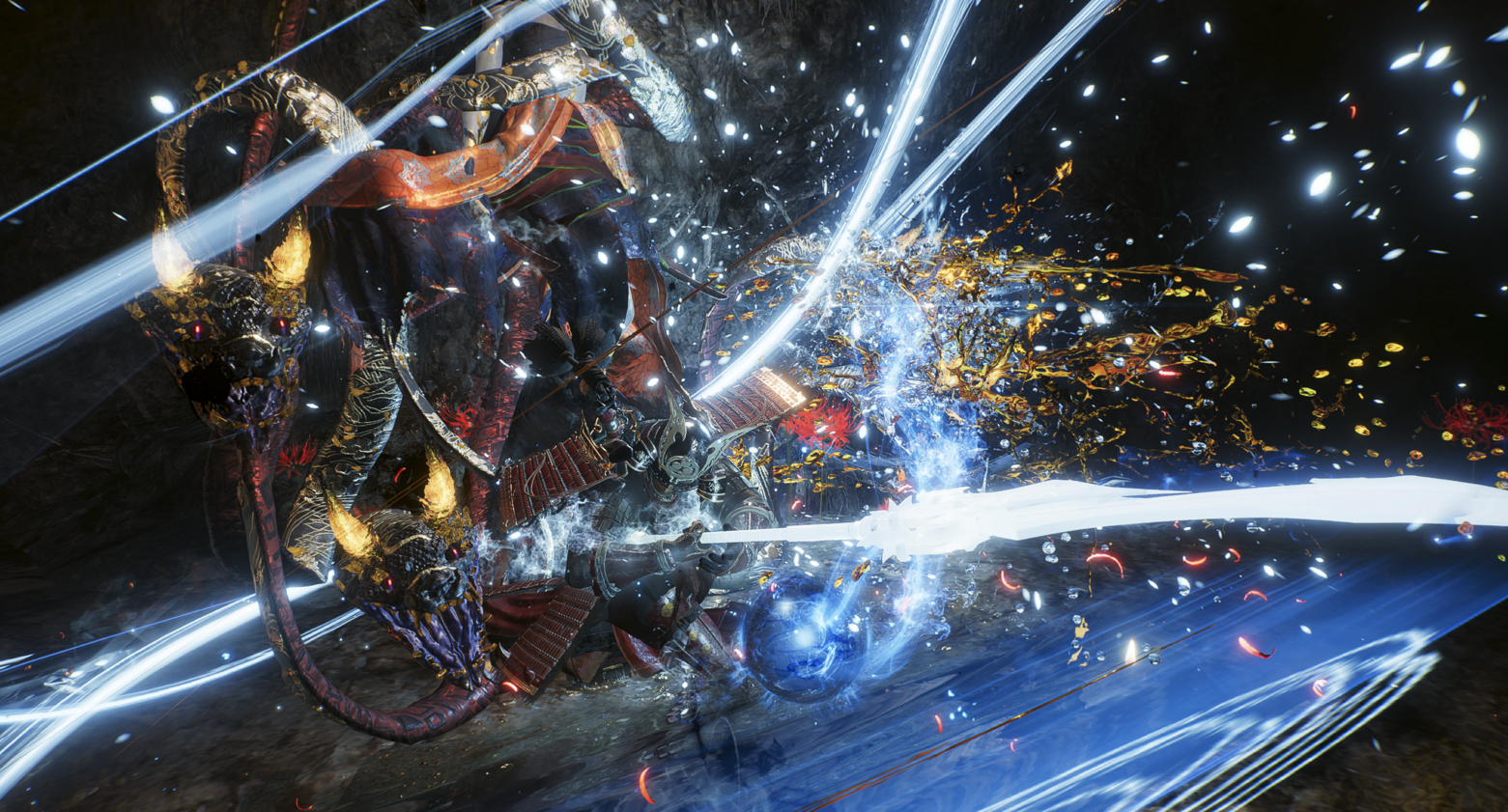
This guide ranks all seven Samurai weapons, breaks down what each one actually rewards in combat, identifies the best Martial Arts for each, and matches each weapon to the build identity where it performs best. If you're deciding which Samurai weapon to commit to — or you've been struggling with your current pick and want to know why — this is the reference you need.
Nioh 3 Character Creation Guide: Best Character Codes, Sliders & Tips (PS5 & PC)
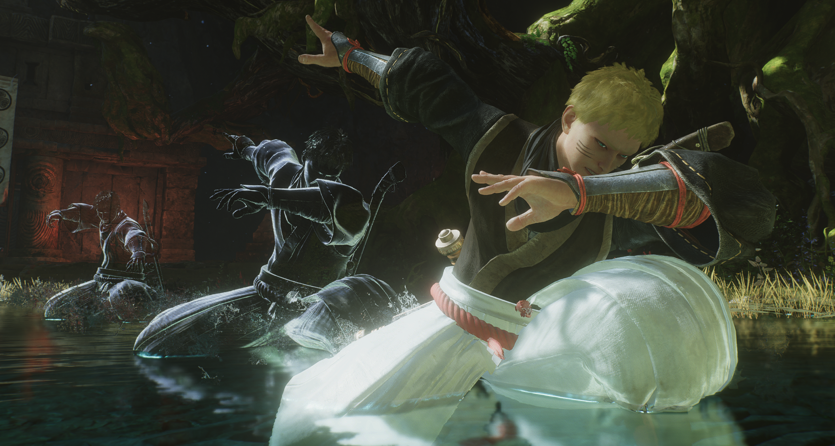
Before a single Yokai dies, before you settle on your first weapon, before you even decide whether you're building Samurai or Ninja — you'll be staring at the Nioh 3 character creation screen deciding what your warrior actually looks like. And given that Team Ninja has built one of the most detailed character customization systems in the Souls-like genre, that time investment is entirely justified. Whether you want to craft an original face from scratch or import one of the community's best Nioh 3 character codes to get straight into the action, this guide covers everything: every menu, all the working codes for both PS5 and PC, and tips for getting the most out of the system.