
Samurai Sword Combat in Onimusha: Way of the Sword — Edo-Era Kyoto, Musashi's Blade, and the Return of a Legend
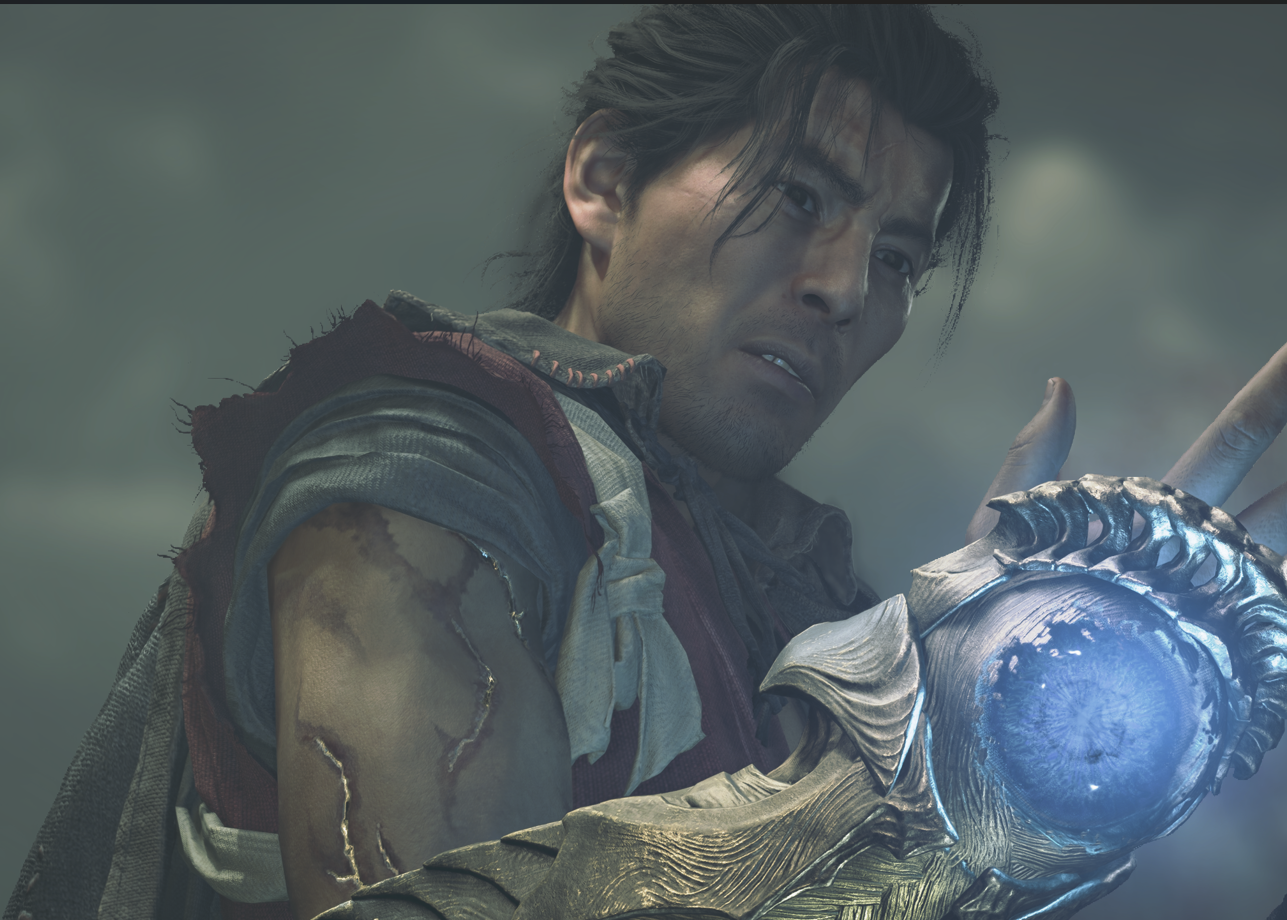
Capcom's Onimusha: Way of the Sword puts you in the sandals of Miyamoto Musashi — history's most legendary swordsman — and drops him into a demon-infested, supernaturally corrupted Kyoto. Here's a deep dive into the samurai sword mechanics, the Edo-era setting, the Genma threat, and why this might be the best action game Capcom has built in years.

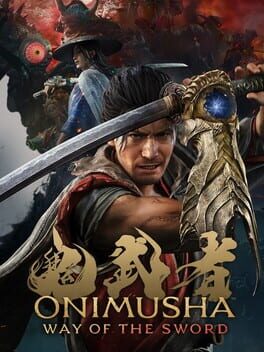
Samurai Sword Combat in Onimusha: Way of the Sword — Edo-Era Kyoto, Musashi's Blade, and the Return of a Legend
Twenty years is a long time to wait. The last mainline Onimusha title — Dawn of Dreams — shipped in 2006, and since then the series has existed mostly as a memory, a beloved PS2-era relic that aging fans occasionally brought up in "whatever happened to" conversations. Now Capcom is back with Onimusha: Way of the Sword, releasing September 25, 2026, and if the previews and demo are any indication, the samurai sword action has not just been preserved — it's been rebuilt from the ground up. This isn't a nostalgia cash-in. It's a serious attempt to make the best blade-on-blade action game Capcom has ever produced.
At the center of it all: one samurai, one gauntlet, and a city drowning in darkness.
The Onimusha Historical Setting: Edo-Era Kyoto Gone Wrong
The onimusha historical setting has always been one of the franchise's most compelling hooks — real Japanese history bent sideways by supernatural horror. Way of the Sword continues that tradition, dropping players into onimusha edo kyoto at the dawn of the 17th century. This is a Japan on the cusp of the Edo period: a time of relative peace after centuries of civil war, where the samurai class was beginning to grapple with its own obsolescence. Capcom leans into that tension hard.
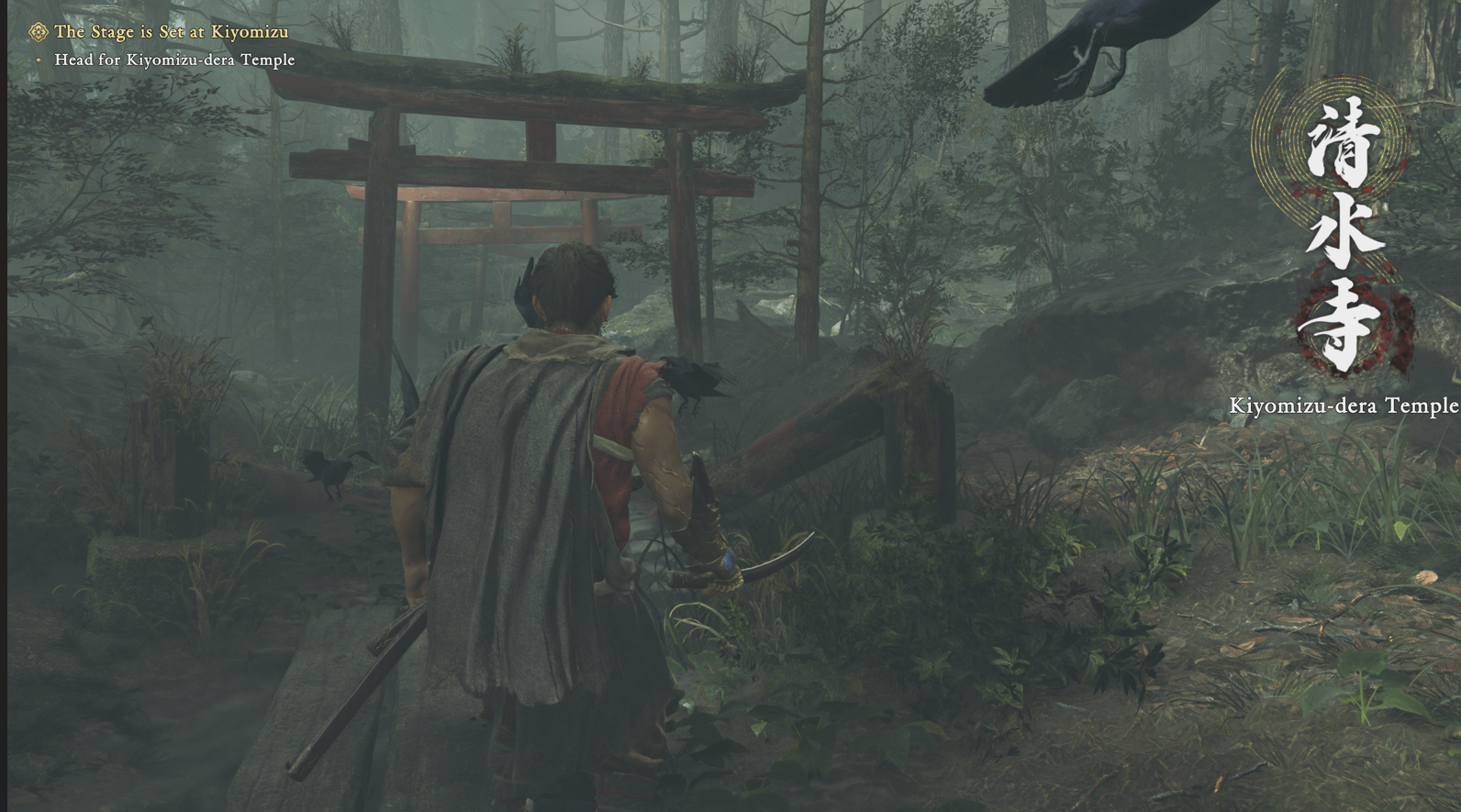
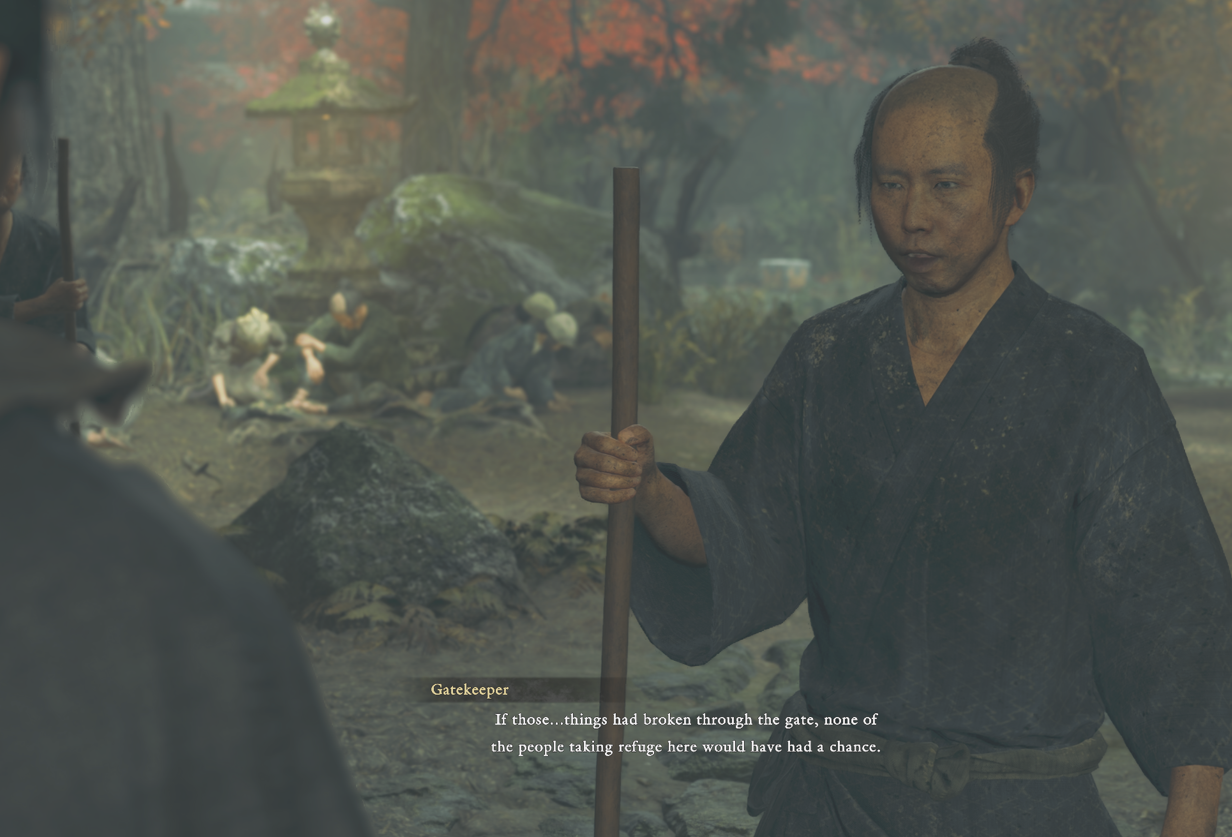
But this Kyoto isn't the serene imperial capital of woodblock prints. Malice — a supernatural corruption that seeps through the city like ink in water — has twisted its landmarks into nightmares. Kiyomizu-dera Temple, one of Japan's most iconic wooden structures, becomes a blood-soaked battleground in the game's demo. The Genma have taken over the streets. Citizens make desperate sacrifices to appease the demons and fail anyway. The atmosphere is oppressive in the best possible way.
What's clever about Capcom's approach here is that they're not just using Kyoto as a pretty backdrop. The city's geography — its tiered temple complexes, narrow merchant districts, fortified mountain approaches — feeds directly into the level design. Each district has its own texture, its own logic. You're not just fighting through generic "feudal Japan" corridors. You're fighting through specific places, rendered through the RE Engine with a fidelity that makes the corruption feel genuinely wrong. When something beautiful is defiled, you feel it.
The game is linear — director Satoru Nihei confirmed there's no open world here — but structured with open areas and side quests woven through the stages. Absorbing dark Malice masses with the Oni Gauntlet unlocks flashbacks that reveal how the corruption spread, adding narrative depth without grinding the pacing to a halt. It's a smart design choice. The onimusha samurai way was never about exploration for its own sake; it was always about the blade meeting the demon.
Onimusha Miyamoto Musashi: The Sword Saint Gets His Game
Here's where Way of the Sword makes its boldest bet. Onimusha Miyamoto Musashi isn't some fictional warrior created for the franchise — he's arguably the most famous swordsman who ever lived. Author of The Book of Five Rings, victor of over sixty duels, founder of the Niten Ichi-ryū dual-blade style. Putting him at the center of an action game is either a stroke of genius or an enormous amount of pressure. Probably both.
Capcom has modeled Musashi after actor Toshiro Mifune, the face of samurai cinema for an entire generation, voiced by Kenichiro Thomson. The result is a protagonist who carries genuine weight — not just mechanically, but visually and narratively. This Musashi is a man searching for purpose. He didn't ask for the Oni Gauntlet. He didn't volunteer to save Kyoto. He's a wandering swordsman who got pulled into something bigger than himself, and the friction between his reluctance and his obvious skill is the emotional engine of the story.
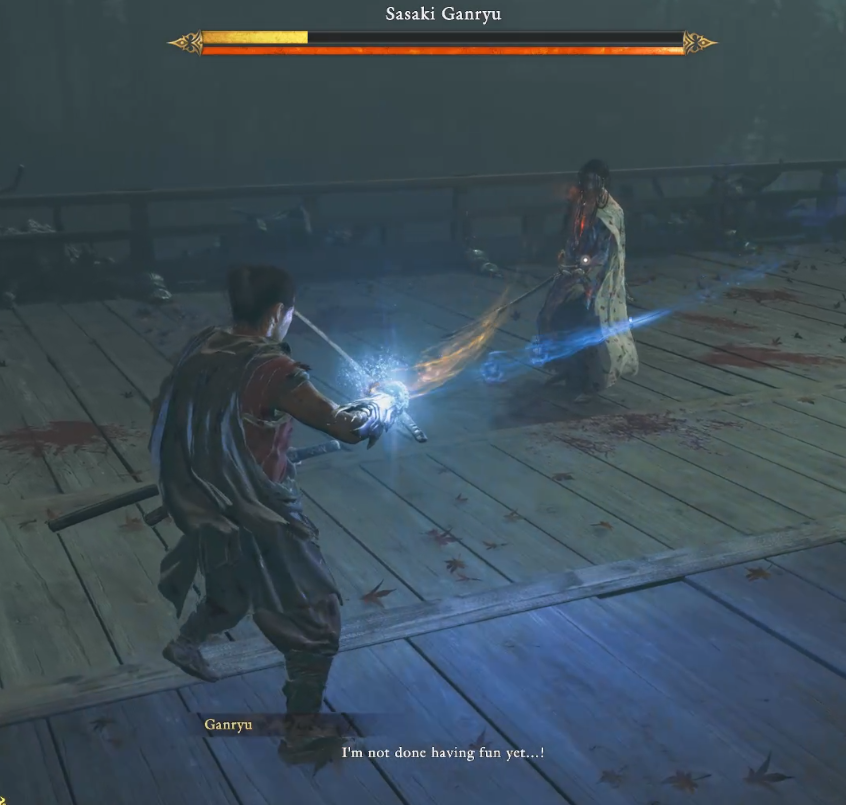
His rival, Sasaki Ganryu — the historical swordsman who famously lost to Musashi at the duel on Ganryūjima — appears as a recurring antagonist wielding his own Oni Gauntlet. That's a clever move. In real history, Musashi defeated Ganryu so decisively that the duel became legend. Here, the power dynamic is more complicated. Ganryu is dangerous, unpredictable, and has access to the same supernatural abilities Musashi does. Every encounter with him is a test of parry timing rather than brute force.
Other characters flesh out the cast: Ono no Takamura, a veteran swordsman and poet who brings wisdom to Musashi's journey; and Izumo no Okuni, the historical founder of kabuki, reimagined here as a young performer who has left the stage to find a way to fight the Genma. The Oni Lady — a spirit who inhabits the gauntlet itself — serves as Musashi's supernatural guide, providing context and occasional moral friction. It's a solid ensemble. None of them feel like filler.
The Samurai Sword System: Parry, Deflect, and the Art of the Issen
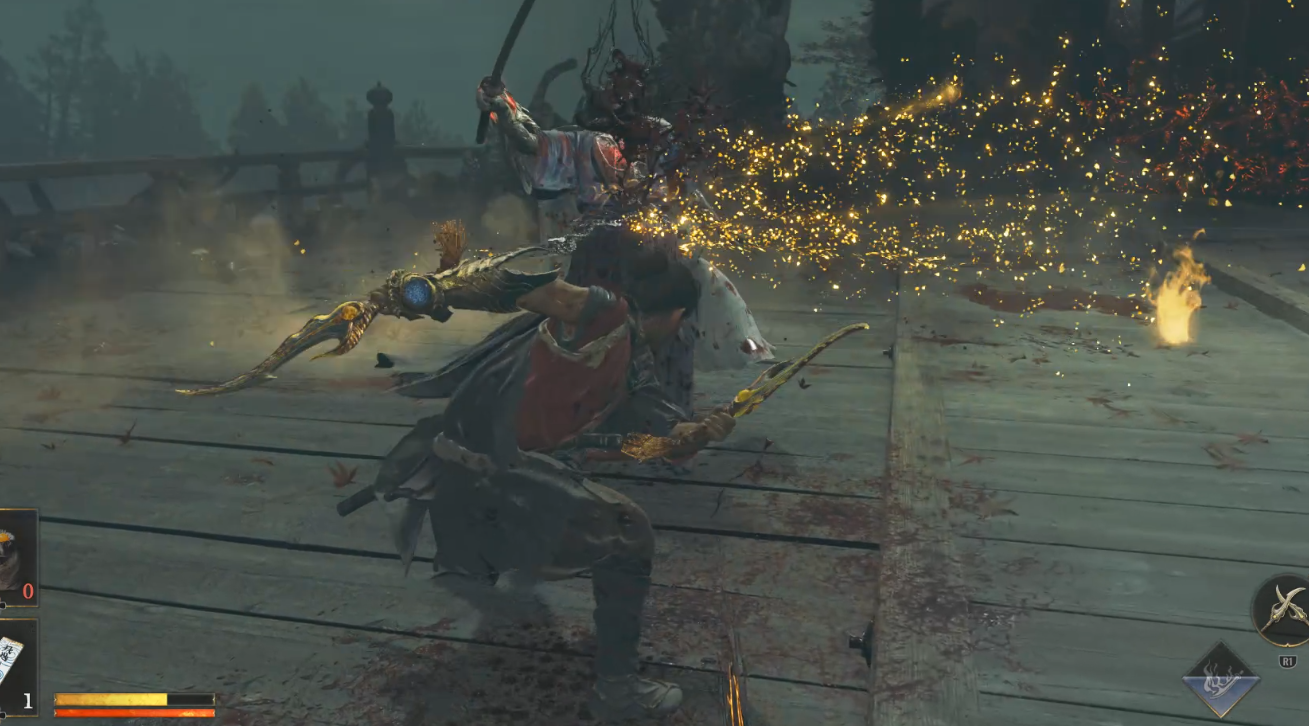
This is what everything else is built around. The samurai sword combat in Way of the Sword has three defensive layers, and understanding all three is the difference between looking like a sword saint and dying in the first corridor.
Parry is your bread and butter — hold the button before impact to block from any direction, drain enemy stamina faster than a standard block, and often reposition Musashi behind his opponent. It's forgiving. Mess up the timing and you still get a normal block rather than instant punishment. This is not a Soulslike. Nihei was explicit about that. The team wanted to "express the clashing of blades through the action" — not recreate the checkpoint-grinding masochism of that genre.
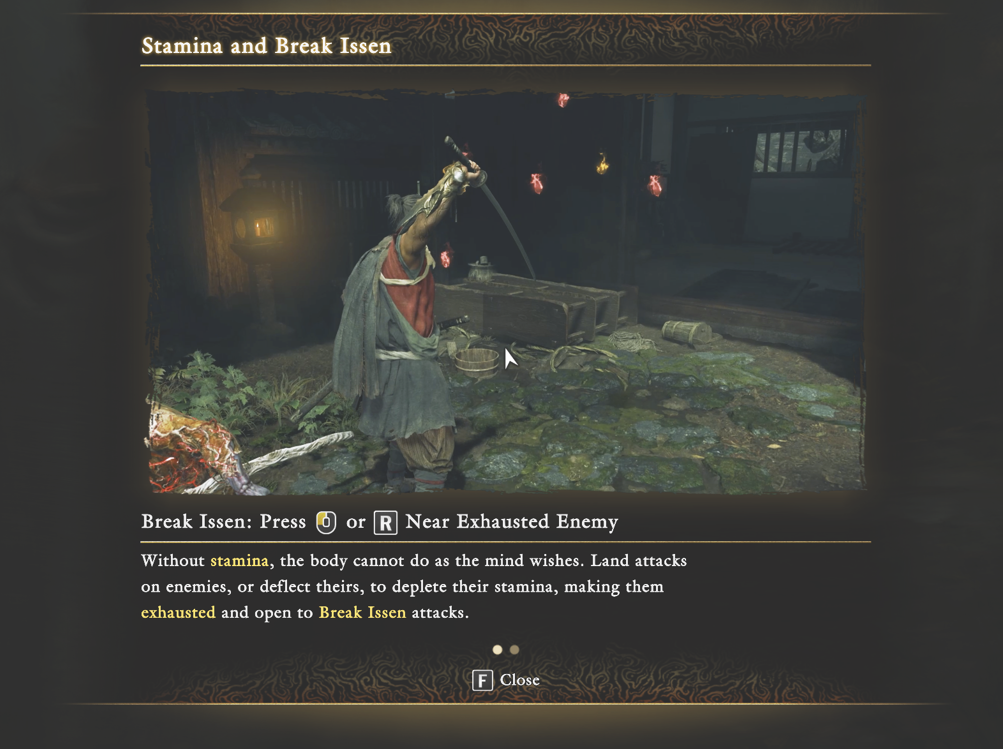
Deflect Issen is the next tier. Nail the timing on a parry and you don't just block — you counter, triggering a devastating finishing blow that can bisect weaker Genma outright. Chain multiple Deflect Issens together and you get Chain Issen, a slow-motion targeting system that lets you pick your next victim mid-combo. Limbs fly. Demons collapse in pieces. It looks as brutal as it sounds.
Then there's the dodge system. A perfectly timed sidestep leaves a spectral afterimage of Musashi — he shifts barely half a step, ghost flickering in place — and builds a separate meter. Fill that meter through consecutive dodges and you unlock another execution move, distinct from the Issen chain. Two different meters, two different reward paths. Aggressive players will gravitate toward parry chains. Evasive players build dodge meter. Both approaches are viable, and switching between them mid-fight is where the real skill ceiling lives.
The Break Issen deserves its own paragraph. When you've depleted an enemy's stamina through strikes and parries — their posture fully broken — you can trigger a finishing blow that targets specific body parts. Aim for the head to maximize damage. Aim for the chest to extract red souls for sword upgrades. That choice, made in the half-second window of a staggered enemy, is where the combat gets genuinely tactical. It's not just "press the finish button." It's "what do I need right now?"
Environmental combat adds another layer entirely. Musashi can kick up tatami mats to block incoming attacks, flip tables for cover, and shove carts through enemy clusters. It fits the historical figure's reputation for unconventional tactics — Musashi famously showed up late to his duel with Ganryu just to throw his opponent off psychologically. That same lateral thinking is baked into the combat design here.
The Oni Gauntlet: Where the Samurai Way Meets the Supernatural
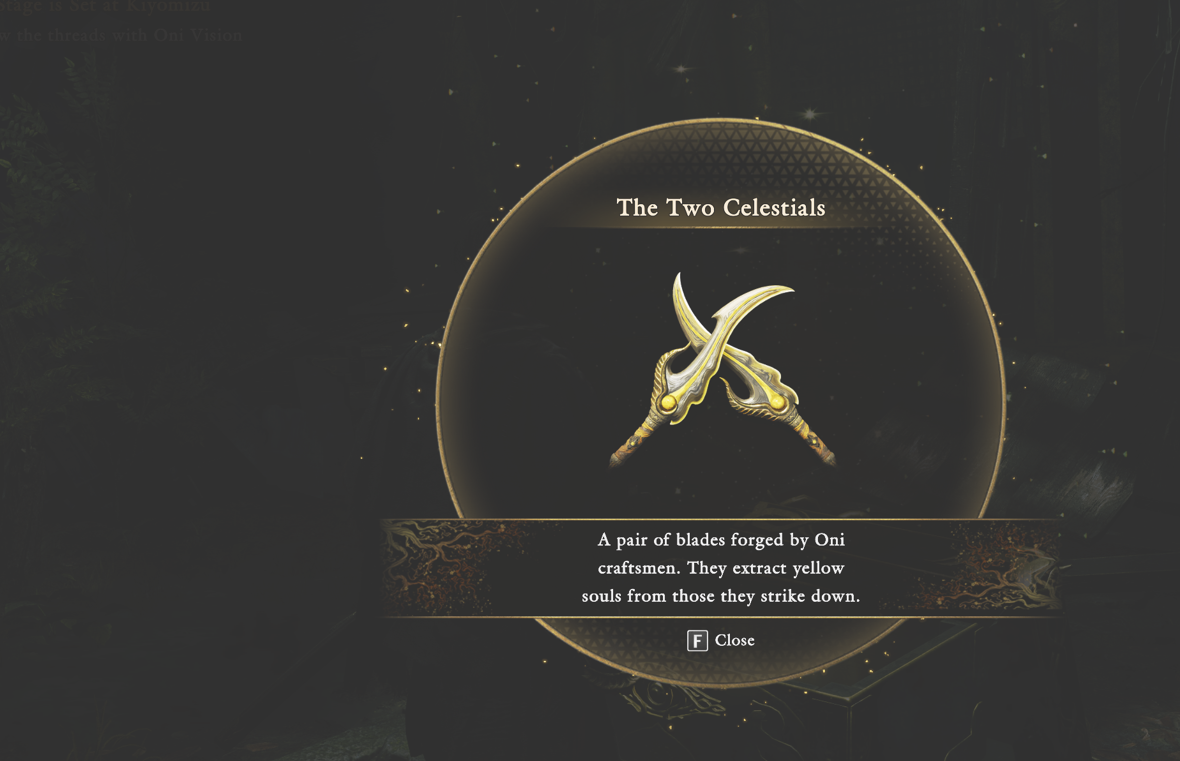
The gauntlet is what separates the onimusha samurai way from every other sword-fighting game on the market. Defeated enemies release three types of souls — yellow, blue, and red — and Musashi absorbs them through the gauntlet in real time. Yellow restores health. Blue charges Oni Armament attacks (the secondary weapons: bow, clubs, spear). Red upgrades the sword itself.
The catch: absorbing souls leaves you defenseless. You're not frozen in place — unlike older Onimusha titles, you can move while absorbing — but you can't attack or parry. And some floating Genma will actively try to steal uncollected souls and use them to power up their own elemental attacks. Let them do that and you're fighting a stronger version of the enemy you just barely killed. The risk-reward calculus is constant. Do you stop to absorb mid-fight, or push through and hope the souls don't get stolen?
Oni Vision — activated through the gauntlet — reveals all demon and enemy locations in the surrounding area. It also highlights hidden paths, environmental objects, and lore-relevant dark masses that can be absorbed for story flashbacks. In combat, it's a tactical tool. In exploration, it's a narrative one. That dual function is elegant design.
The Oni Armament weapons are worth respecting too. They consume blue souls for devastating attacks — a bow that can pin Genma to walls, clubs that stagger even the heaviest enemies, a spear with reach that the katana can't match. They're not replacements for the primary samurai sword. They're situational tools, and knowing when to deploy them is part of the game's depth.
Onimusha Genma Demons: The Bestiary of a Corrupted Kyoto
The onimusha genma demons have always been the series' visual signature — twisted yokai and underworld creatures that blend Japanese folklore with body-horror grotesquerie. Way of the Sword continues that tradition with a bestiary that ranges from standard sword-wielding foot soldiers to genuinely unsettling boss designs.
Standard enemies like Togemaru — spike-covered brawlers — and greatsword-wielding Genma variants hit hard and can stun-lock you if you get greedy. They're designed to punish aggression and reward the parry system. There are also ranged archers whose arrows can be deflected back at them, and floating soul-stealing Genma that change the resource economy of any fight they're in.
The bosses are something else. Byakue, the Hundred Defilements, is a Genma covered in paper talismans that become blood-soaked as the fight progresses — a visual escalation that communicates damage state without a single UI element. Dohatsu-ten, Heaven's Bane, is a winged demon whose limbs grow more massive as the battle continues, forcing you to adapt your spacing and timing in real time. Both were showcased at Summer Game Fest 2026 and left every journalist in the room talking.
Then there's Ganryu Sasaki — technically a human rival, but powered by his own Oni Gauntlet and functionally a boss encounter. He's languid, self-confident, and deceptively fast. His attacks look lazy until they aren't. The demo at Kiyomizu-dera ends with a Ganryu fight, and it's a perfect encapsulation of what the game is trying to do: a blade duel that requires reading your opponent, not just reacting to telegraphed animations.
One newly revealed enemy type deserves a mention: Genma disguised as mermaids that attack from water. They're designed specifically to teach the grab interception mechanic — a counterattack that requires 100% timing precision. Capcom is using enemy design to teach combat systems. That's not accidental. It's the kind of considered game design that separates good action titles from great ones.
How Way of the Sword Modernizes the Onimusha Samurai Way
The series went quiet after Dawn of Dreams not because it was bad, but because Capcom couldn't find the resources or the right angle to continue it. Twenty years of action game evolution — Devil May Cry 5, Sekiro, Ghost of Tsushima — raised the bar for what samurai sword combat could feel like. Any new Onimusha had to compete with all of that.
Producer Akihito Kadowaki and director Satoru Nihei's answer was to go back to the core identity: the Issen counter, the soul absorption, the clash of steel against supernatural horror. Then modernize the execution without abandoning the soul. The result, based on everything shown so far, is a game that feels distinctly like Onimusha — not a Soulslike, not a Ghost of Tsushima clone, not a character action game trying to out-DMC Devil May Cry. Its own thing.
The RE Engine does heavy lifting here. Every spark when Musashi's blade makes contact with a Genma, every slow-motion frame of a Chain Issen execution — the engine renders it with a clarity that makes the violence feel earned rather than gratuitous. When Musashi lands a finishing blow, it's often done in a way that feels savage and ferocious, not cinematic and detached. You feel the weight of every cut.
Accessibility was a deliberate priority. Failed parry timing gives you a normal block, not a death sentence. The difficulty is designed to scale with your skill rather than punish you for learning. That's the right call. The old games were sometimes obtuse in ways that aged poorly. Way of the Sword wants to be welcoming to new players while still offering a ceiling high enough to satisfy veterans who have been waiting two decades for this.
What to Expect When You Pick Up the Samurai Sword on September 25
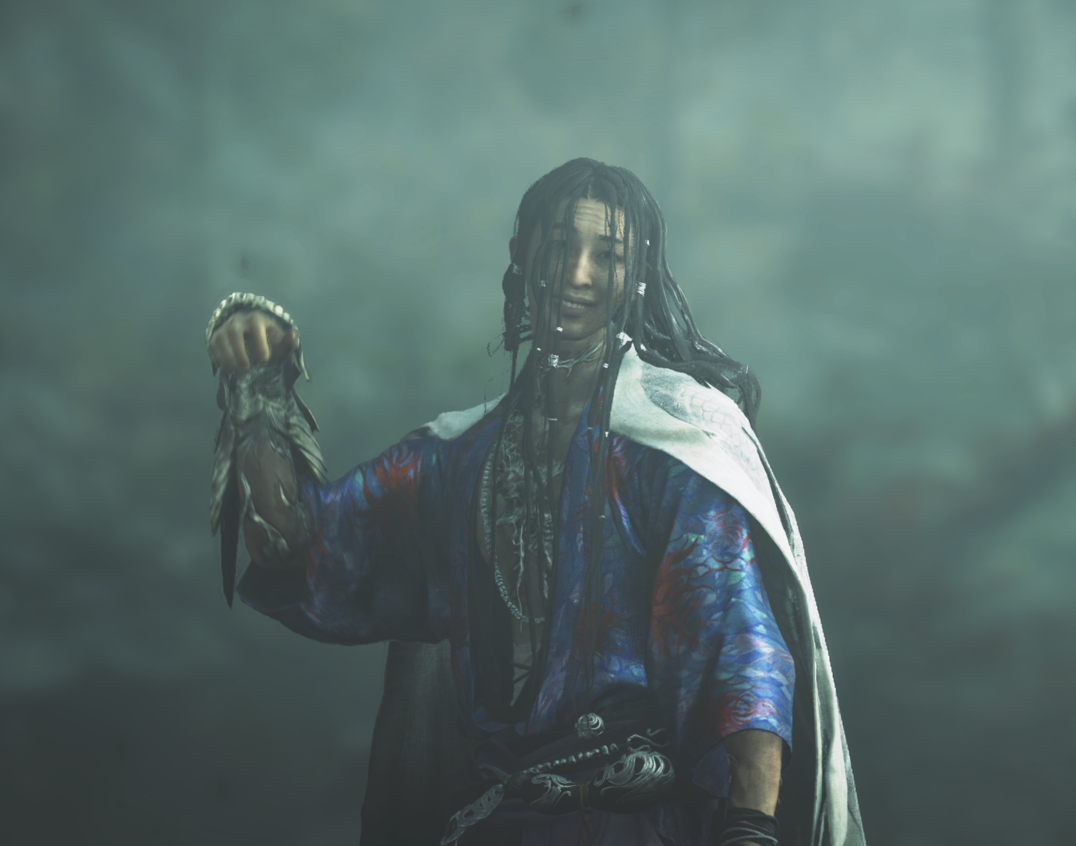
The game runs approximately 20 hours through its largely linear structure, with side quests and backtracking for upgrades padding that out for completionists. It's coming to PS5, Xbox Series X/S, PC, and Nintendo Switch 2 — a wide release that reflects Capcom's ambition for the franchise revival.
A free demo is available now, set at Kiyomizu-dera Temple and running roughly 30 minutes. It covers the core parry, deflect, and Issen systems and ends with the Ganryu boss fight. If you link your demo save to the full game, you unlock the Kubi Akari charm as a bonus. It's the best possible way to understand what the combat actually feels like — descriptions can only go so far when the thing being described is blade timing.
The Deluxe Edition includes ally outfit cosmetics, additional Musashi skins, and an in-game digital soundtrack. Pre-orders come with the Lion Dog charm (a Musashi combat buff) and the Sealed Curse sword appearance skin. Standard fare for a Capcom release, nothing predatory.
Twenty years is a long time. But sometimes a franchise needs that long to find the right moment, the right team, and the right protagonist. Miyamoto Musashi — the sword saint, the wanderer, the man who never lost — might be exactly what Onimusha needed all along. The samurai sword swings again on September 25, 2026. It looks like it's going to cut deep.
Câu hỏi thường gặp về Onimusha: Way of the Sword
- Ngày phát hành Onimusha: Way of the Sword là khi nào?
- Onimusha: Way of the Sword dự kiến phát hành vào ngày 25/9/2026.
- Onimusha: Way of the Sword chơi được trên nền tảng nào?
- Onimusha: Way of the Sword hỗ trợ: Xbox Series X|S, PC (Microsoft Windows), PlayStation 5.
- Onimusha: Way of the Sword thuộc thể loại gì?
- Onimusha: Way of the Sword thuộc thể loại: Role-playing (RPG), Hack and slash/Beat 'em up, Adventure.
- Có trailer chính thức của Onimusha: Way of the Sword không?
- Có. Bạn có thể xem trailer của Onimusha: Way of the Sword ngay trên trang này ở phần video.
Khám phá thêm
Genma Explained: The Demonic Threat Behind Every Onimusha Game
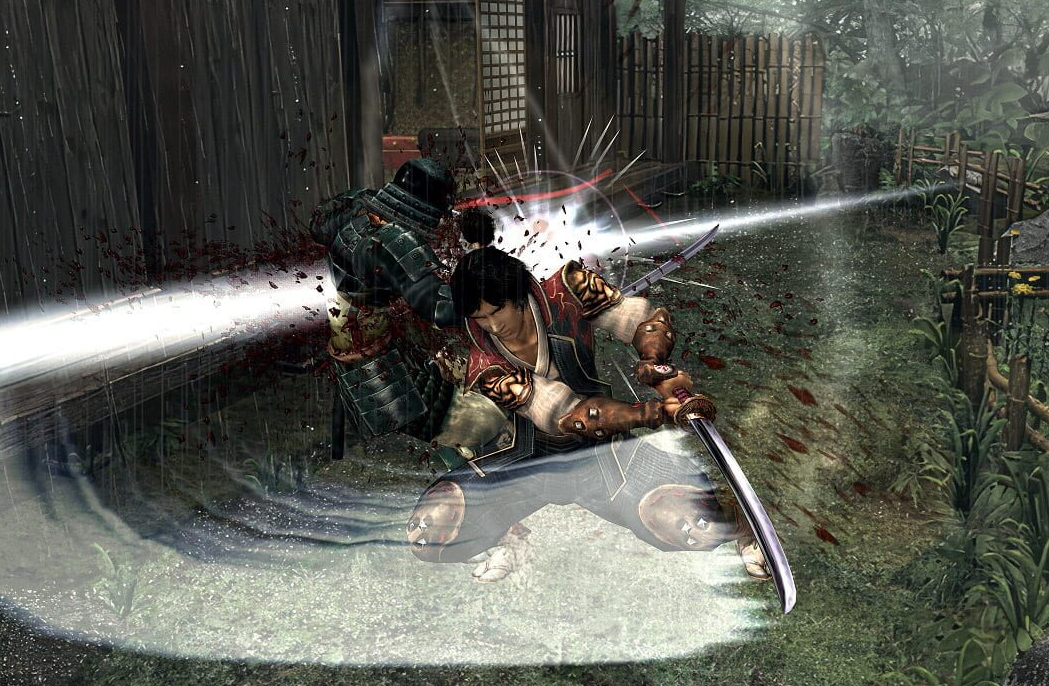
Discover genma onimusha lore: Fortinbras, the Genma hierarchy, Dark Ceremony rituals, and the cosmic threat spanning all Onimusha games.
Onimusha: Way of the Sword – Release Date, Gameplay & Story Details
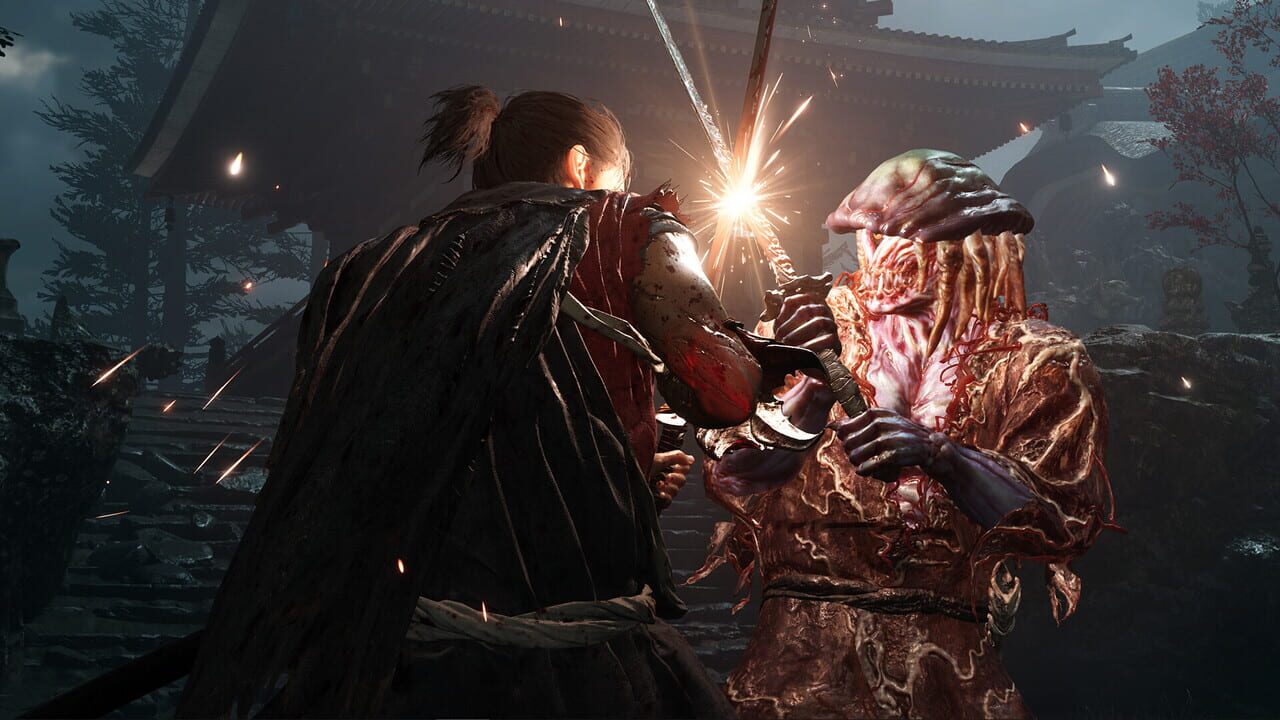
Onimusha: Way of the Sword releases September 25, 2026. Explore gameplay mechanics, story details, and the free demo for Capcom's samurai action revival.
Onimusha: Way of the Sword – Complete Guide to Combat, Demo Tips & September 2026 Release
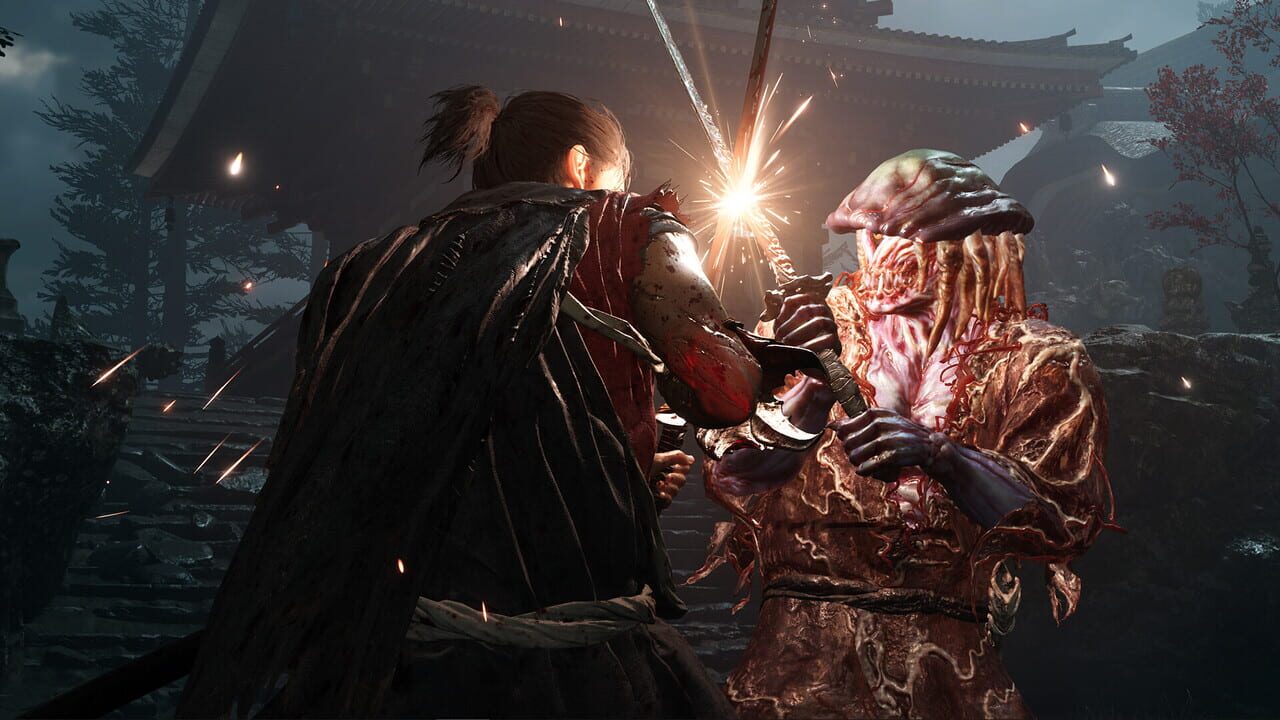
Master Onimusha: Way of the Sword combat mechanics, parry timing, and soul systems. Demo tips, PS5 release date September 25, 2026, and complete beginner guide.
PS5 State of Play Games 2026: Complete List of All Announced Titles
Complete list of PS5 State of Play games announced June 2, 2026. Marvel's Wolverine, God of War Laufey, Until Dawn 2, and 20+ more titles with release dates.