
Nioh 3 Best Builds Guide: Ninja, Magic, Samurai, and Hybrid Builds for Every Playstyle
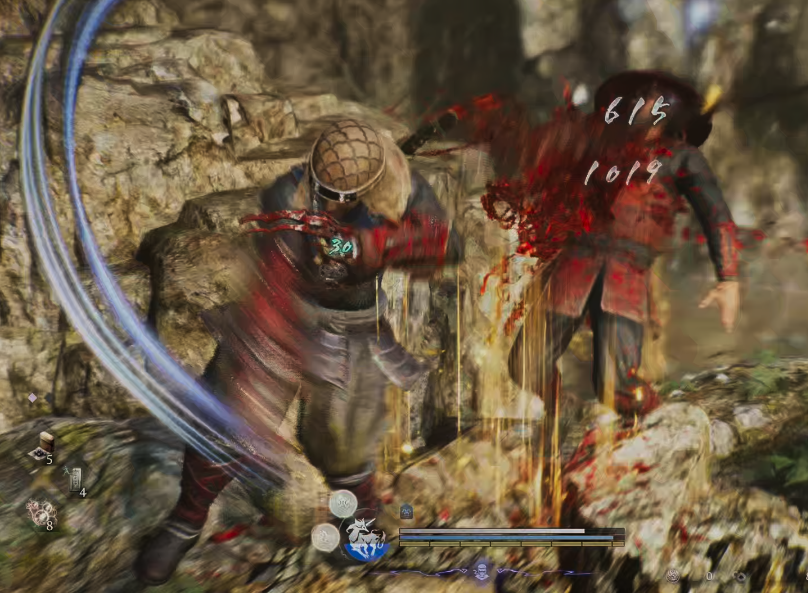
Choosing your Nioh 3 build is the single most consequential decision you make in the game. Your build determines which weapons you carry, how you invest every stat point, what armor you wear, which Guardian Spirit accompanies you, and ultimately how every encounter in Nioh 3's four historical eras feels to play. With seven Samurai weapons, seven Ninja weapons, seven stats, an Onmyo magic system built around elemental Confusion, and a dual-style switching mechanic that lets you blend both combat identities mid-fight, the build space in Nioh 3 is enormous. This guide cuts through that complexity. It covers the core stats system, the best Nioh 3 builds for beginners and veterans alike, a dedicated Nioh 3 ninja build breakdown, a full Nioh 3 magic build and Onmyo guide, the best Samurai options, and a hybrid strategy that currently defines the endgame meta. For weapon-specific details on every type available in Nioh 3, including how to farm Crucible weapons, see our complete Nioh 3 weapons guide.

Nioh 3 Best Builds Guide: Ninja, Magic, Samurai, and Hybrid Builds for Every Playstyle
Choosing your Nioh 3 build is the single most consequential decision you make in the game. Your build determines which weapons you carry, how you invest every stat point, what armor you wear, which Guardian Spirit accompanies you, and ultimately how every encounter in Nioh 3's four historical eras feels to play.
With seven Samurai weapons, seven Ninja weapons, seven stats, an Onmyo magic system built around elemental Confusion, and a dual-style switching mechanic that lets you blend both combat identities mid-fight, the build space in Nioh 3 is enormous.
- Nioh 3 Spirit Vein and Spirit Force Guide: Everything You Need to Know
- Nioh 3 Weapons: Complete Guide, Best Tier List, and How to Farm Crucible Weapons
This guide cuts through that complexity. It covers the core stats system, the best Nioh 3 builds for beginners and veterans alike, a dedicated Nioh 3 ninja build breakdown, a full Nioh 3 magic build and Onmyo guide, the best Samurai options, and a hybrid strategy that currently defines the endgame meta. For weapon-specific details on every type available in Nioh 3, including how to farm Crucible weapons, see our complete Nioh 3 weapons guide.
This is part one of our Nioh 3 build series. Dedicated per-weapon build guides — covering all 14 melee weapon types in detail — are covered in our separate.
Understanding Nioh 3 Stats: The Foundation of Every Build
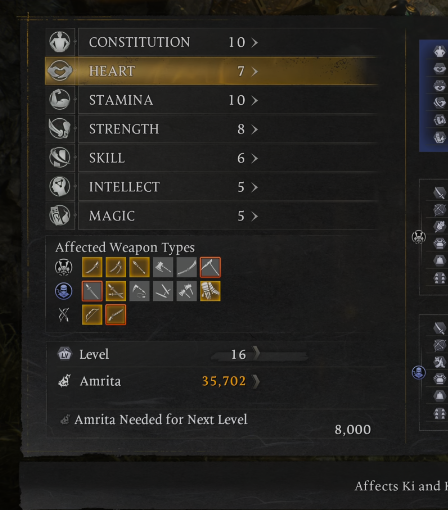
Every Nioh 3 build starts with seven core stats. Getting these right before anything else is the difference between a character that accelerates through the game and one that stalls out on mid-game bosses. Here is what each stat does and which builds it serves.
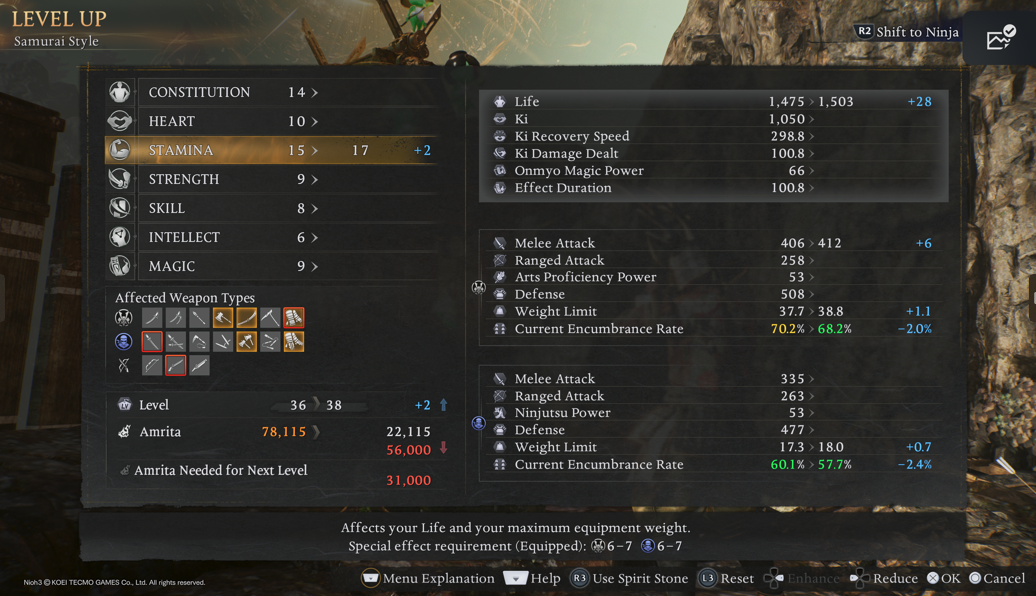
Constitution governs your maximum Life (HP). It also provides weapon damage scaling for Tonfa and certain Ninja weapons. Even in damage-focused builds, investing at least 20 points here is standard — in higher difficulty tiers, survivability becomes essential regardless of your damage output.
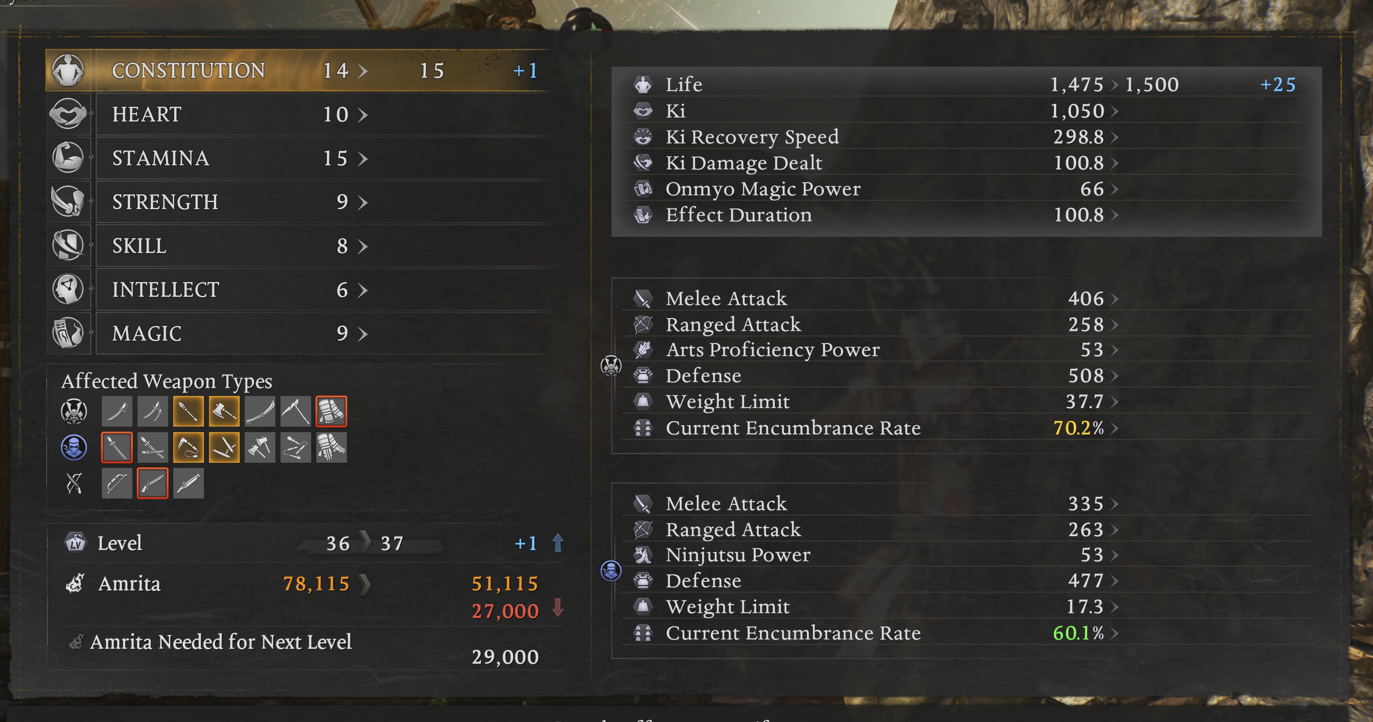
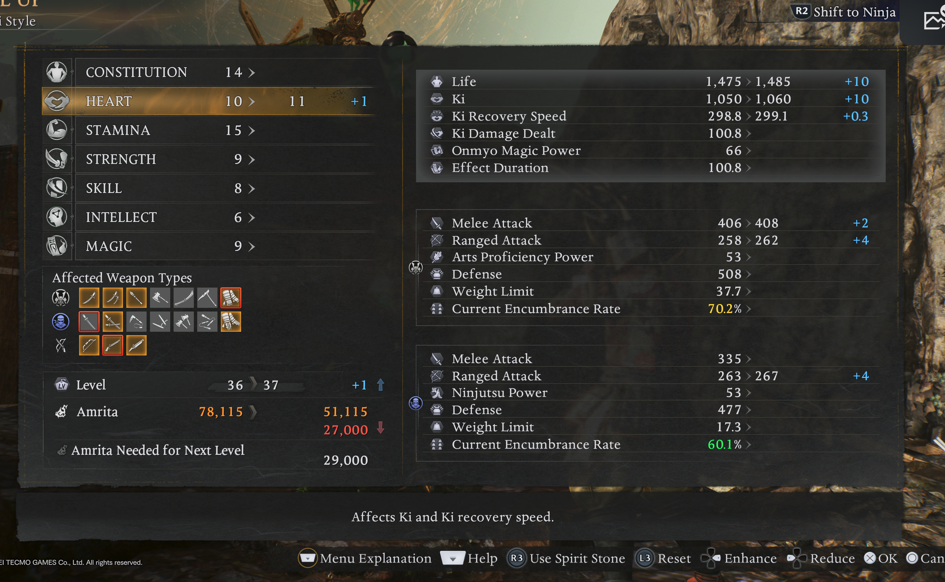
Heart increases your maximum Ki (stamina), Ki recovery speed, and scales Sword damage primarily. It's the primary stat for Sword builds and a strong secondary pick for any build that runs long combo strings, since more Ki means more sustained offensive pressure before you need to recover.
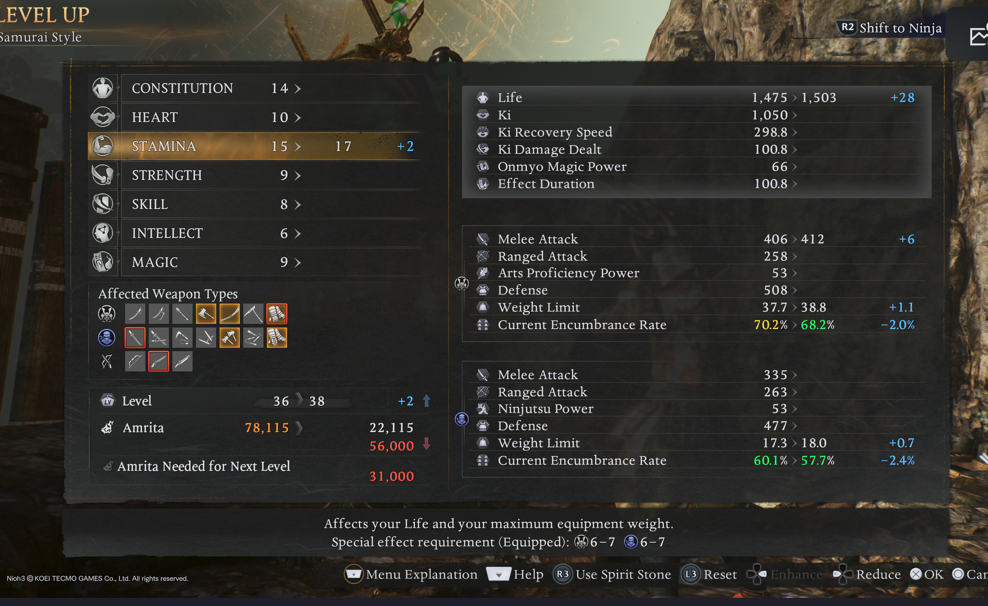
Stamina determines your equipment load capacity, which controls how much armor you can wear while maintaining fast dodge speed. Heavy Samurai builds prioritize Stamina to equip full sets of heavy armor. It also scales Axe damage.
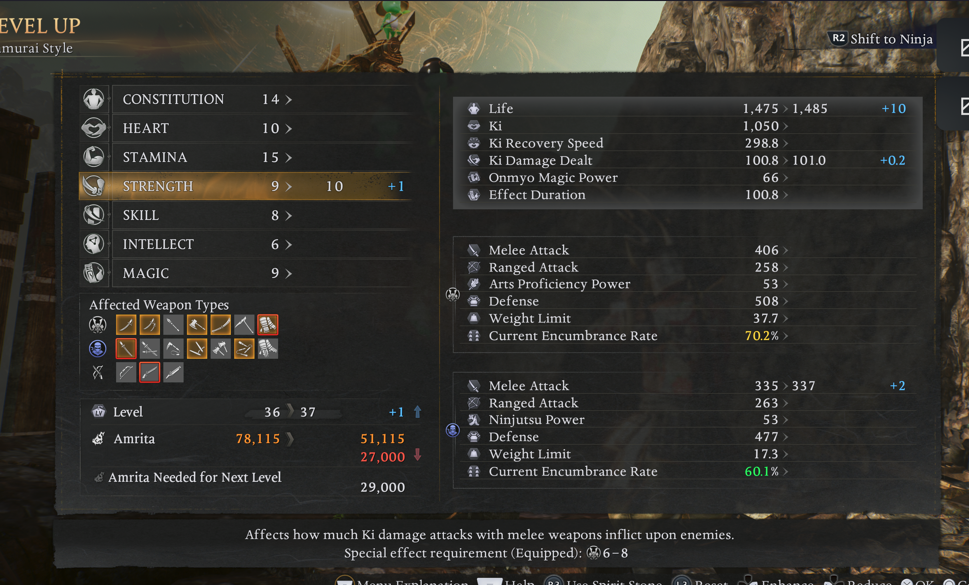
Strength is the primary scaling stat for Odachi, Axe, and Cestus. It also provides Tonfa damage alongside Constitution. Strength-focused builds tend to be heavy, high-impact Samurai builds that trade mobility for raw damage and stagger output.
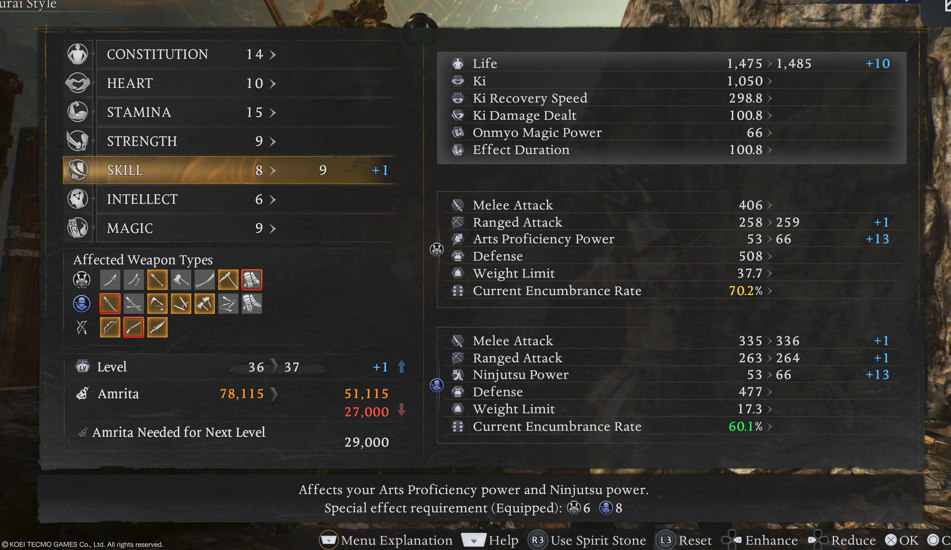
Skill scales Dual Swords, Kusarigama, Hatchets, and several hybrid weapons. Critically, Skill also increases Arts Proficiency generation — meaning higher Skill means you unlock weapon skill bonuses faster during combat, which amplifies the overall damage output of Skill-scaling builds over the course of a fight.
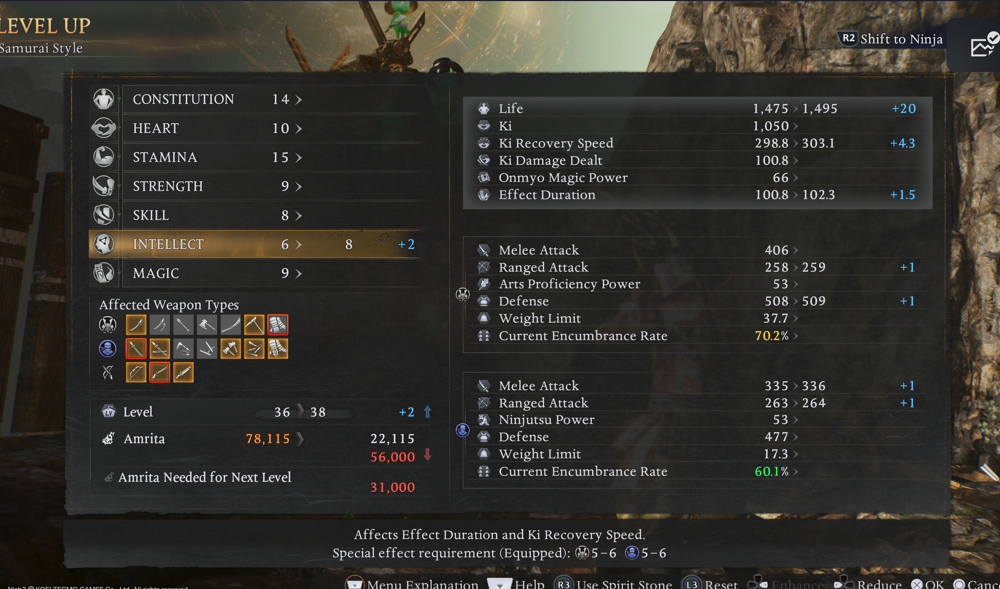
Intellect governs Ki recovery speed and the duration of all buffs and debuffs applied to enemies. It scales several hybrid weapons and the Talons. For any build that relies on elemental status effects or Onmyo Talismans, high Intellect stretches the value of every status proc by extending how long it lingers. It's an essential secondary stat for magic-hybrid and Ninja builds.
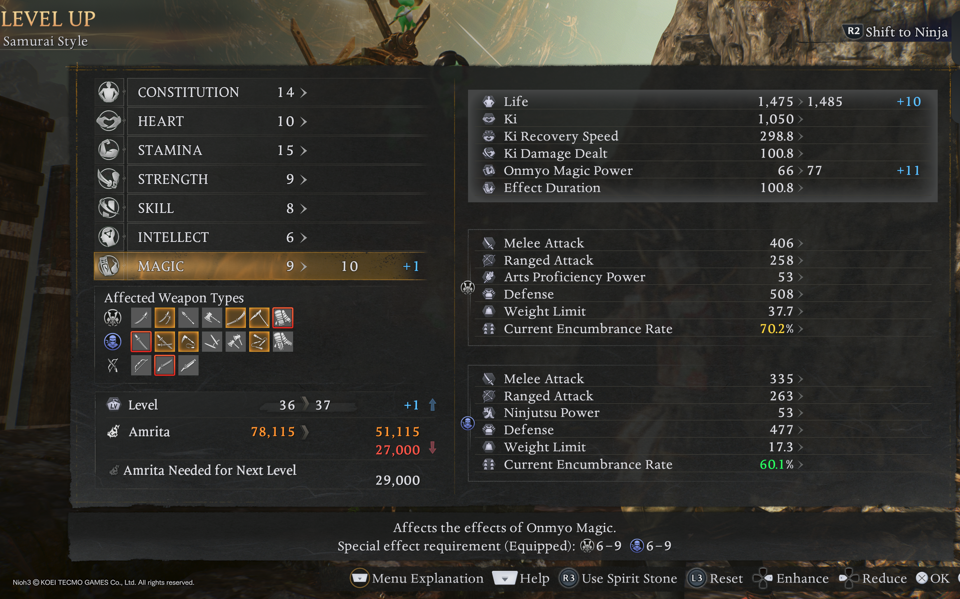
Magic is the primary scaling stat for the Switchglaive, the Splitstaff, and several Ninja weapons. More critically, Magic determines your maximum Onmyo capacity — how many Talisman uses you can carry between Shrine rests — and directly amplifies Onmyo spell power. For pure Onmyo magic builds, Magic is non-negotiable as the primary investment. For any build using elemental Talismans as utilities, a minimum of 15 Magic is recommended to open talisman slots.
The Reference Stat System
Nioh 3 uses a Reference Stat system rather than the letter-grade scaling system of most Souls-likes. Every weapon lists three Reference Stats in its equipment menu.
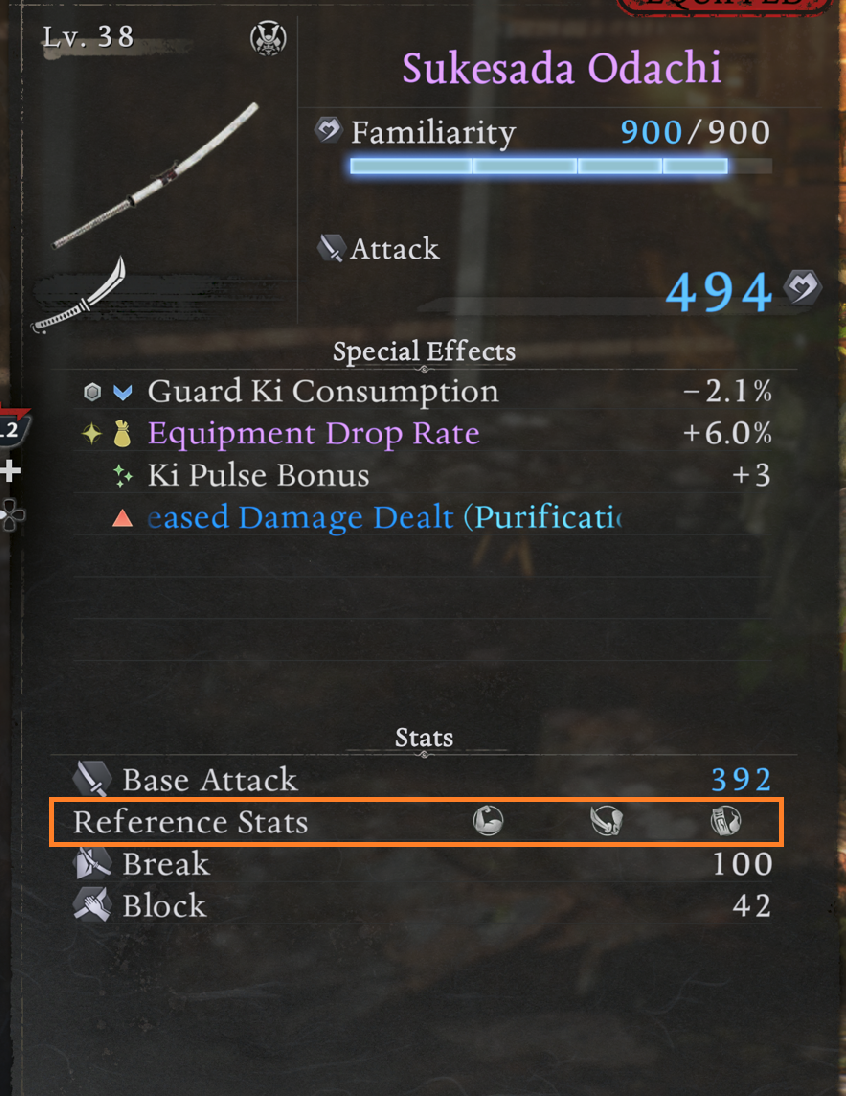
The game dynamically calculates which of those three stats you've invested in most heavily and assigns that as your primary damage scalar, the second-highest as moderate scaling, and the third-highest as minor scaling.
The practical implication is that your builds are flexible — you are not locked into a "wrong" stat investment as rigidly as in other games, since the system adapts to your highest relevant stats. That said, deliberately stacking your primary Reference Stat to 40–50 points significantly outperforms a spread approach, so focused investment still wins over generalism.
Respeccing is free and available at any Shrine from early in the game. This makes build experimentation entirely cost-free, which is one of the most important quality-of-life features in Nioh 3. Try everything. If a build doesn't feel right, redistribute at the next Shrine and move on.
The Best Beginner Build in Nioh 3
New players should start with a Samurai-style Sword build centered on Heart, Constitution, and Stamina. The Sword teaches the core Nioh combat fundamentals — Ki Pulse timing, stance flow, Deflect parrying — without demanding the mechanical complexity of heavier weapons or the multi-system overhead of a Ninja or Magic build.
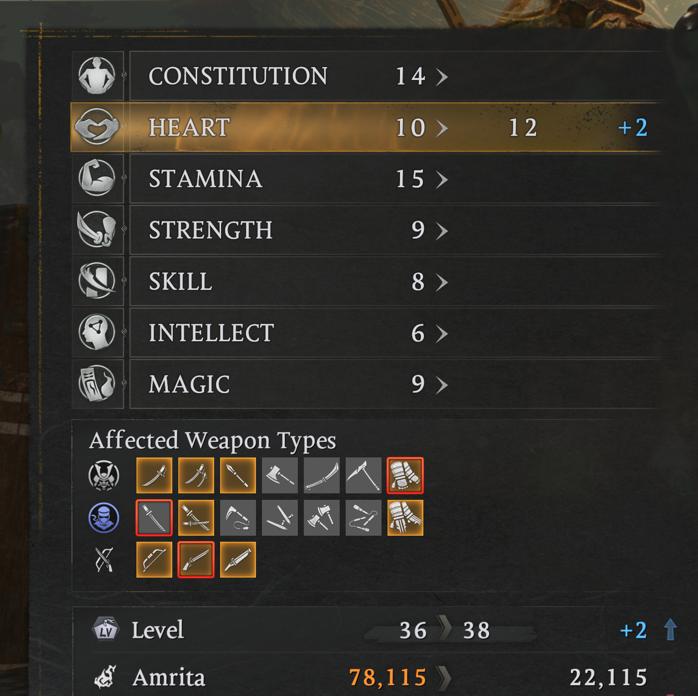
Starting stats should prioritize Heart first to extend your Ki pool and increase Sword damage, then Constitution to 20 for survivability, and Stamina to whatever is needed to equip medium armor without exceeding a comfortable equip load.
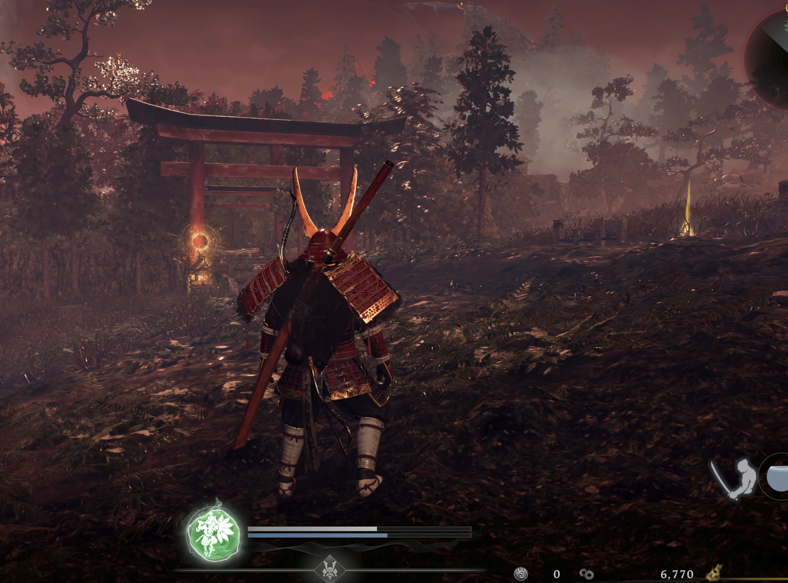
For the early game Samurai, the best Guardian Spirit is Guhin, which reduces Martial Arts Ki Consumption — critical when you're still learning to manage Ki — and provides a Damage Taken Reduction bonus that makes early-game mistakes less punishing. Guhin's Guardian Spirit Skill, the Eight-Handed Blade, is a reliable fallback melee strike that doesn't require swapping combat styles.
Armor-wise, the Crimson General set is one of the best early Samurai armor options for beginners, providing a 4-piece set bonus that directly increases attack and makes the early campaign feel substantially less punishing. Prioritize medium armor pieces to maintain a balanced equip load. For accessories, doubling up on Omamori accessories provides a flat Life bonus that helps with survivability across all builds regardless of which direction you take things later.
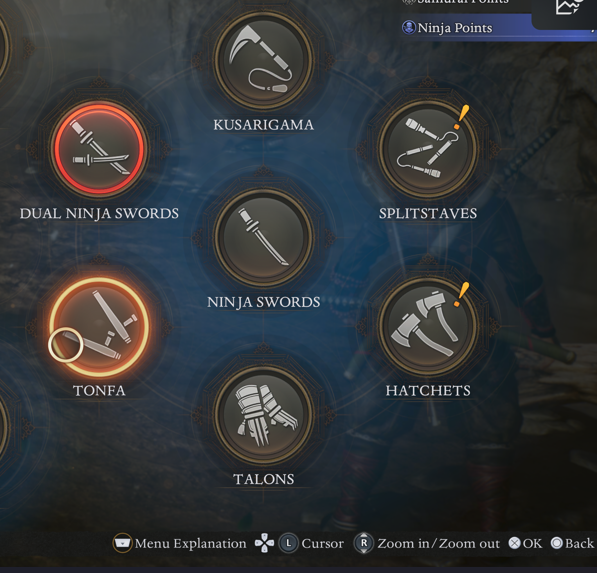
For the Ninja starter, build around Constitution, Strength, and early Skill investment. The Iron Tonfa is the best early Ninja weapon — its rapid attack rate stun-locks enemies with low poise and its Ki damage output is disproportionately strong for how early in the game it's available. Equip Nekomata as your Guardian Spirit immediately: the Ninjutsu Ki Damage boost, Ki Recovery Speed, and Quick Attack Break bonuses it provides are exactly what a Tonfa build needs to maintain sustained close-range pressure. Nekomata's Thunderclaw Kick Guardian Spirit Skill is also the best early-game emergency button for creating space between you and aggressive enemies.
Best Nioh 3 Ninja Build
The Nioh 3 ninja build is built around speed, evasion, Ninjutsu tools, and elemental status effect stacking — and in its optimized form, it's one of the most aggressive and mobile playstyles in the game. Unlike the Samurai, which controls combat through stance flow and Ki Pulse timing, the Ninja controls combat by keeping enemies permanently off-balance through relentless pressure, Ki drain, and status effects that reduce their effectiveness and amplify all damage taken.
Ninja Build: Core Stats
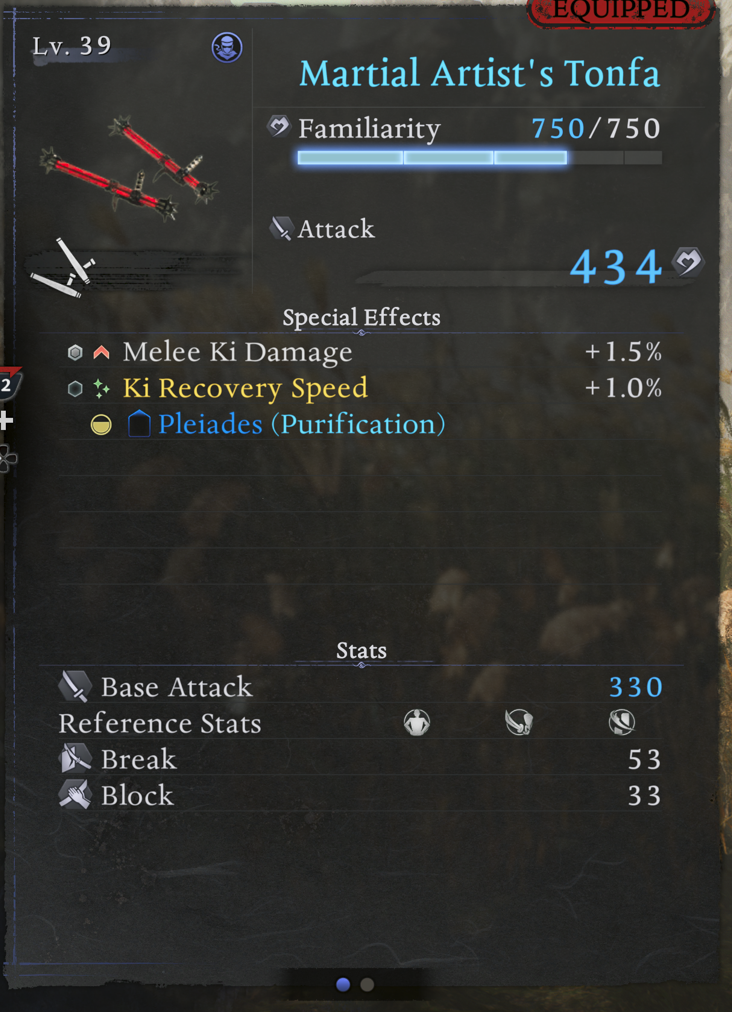
The best Ninja builds in Nioh 3 run the following stat priorities. Constitution is your primary investment alongside Strength — these two stats scale the Tonfa, your primary Ninja weapon, for both HP and weapon damage simultaneously. Invest to 30–35 in both.
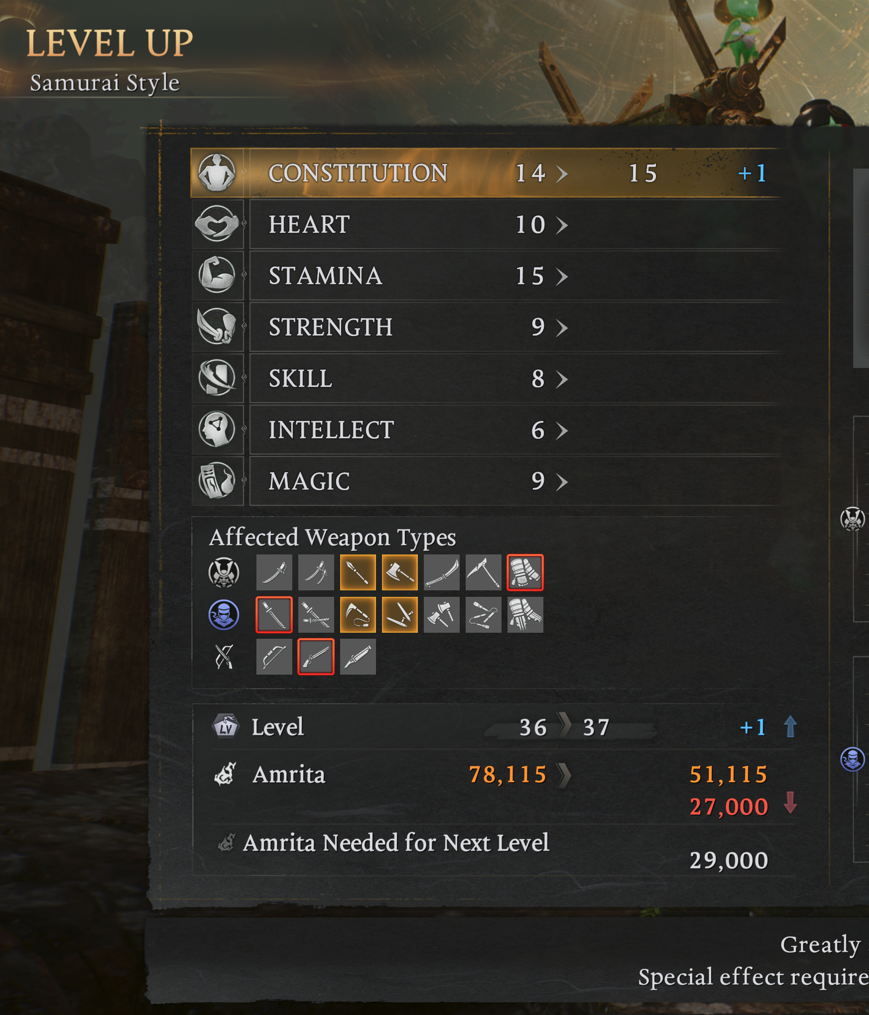
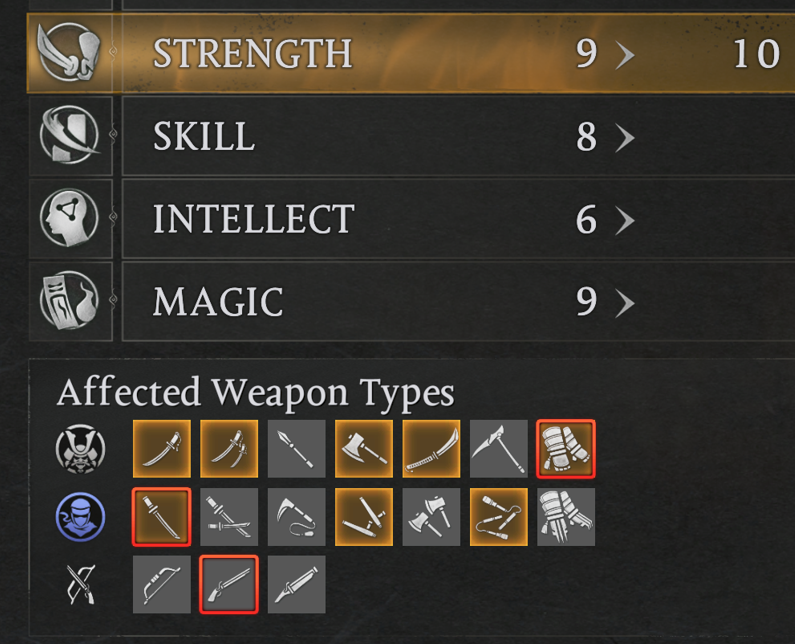
Skill is your secondary priority at 25–30 points, improving weapon damage on fast-scaling Ninja weapons like Talons and Kusarigama, and critically driving Arts Proficiency generation. Magic to 15 minimum opens Talisman slots for elemental utilities, while Intellect to 20–25 extends the duration of all status effects your weapons apply — a significant damage amplifier since Saturated and Electrified effects deal bonus damage over time. Keep Heart at 20 minimum for a functional Ki pool regardless of weapon choice.
For Ninja builds using Talons instead of Tonfa, the stat priorities shift slightly: Heart and Intellect become your primary investments since Talons scale with Heart, Stamina, and Intellect. Intellect is especially important for Talons because their fast multi-hit combos rapidly apply elemental status effects, and Intellect directly extends how long those effects persist, multiplying their damage output significantly over long boss fights.
Ninja Build: Weapons and Core Rotation
The best Ninja weapon combination for an optimized build is Tonfa as your primary with Dual Ninja Swords as your secondary. The Tonfa delivers the highest Ki damage of any Ninja weapon and creates stagger loops against bosses through sustained rapid strikes. Dual Ninja Swords provide a faster, slightly longer-range alternative for situations where closing the gap to Tonfa range is dangerous, and they stack elemental status effects through multi-hit combos efficiently.
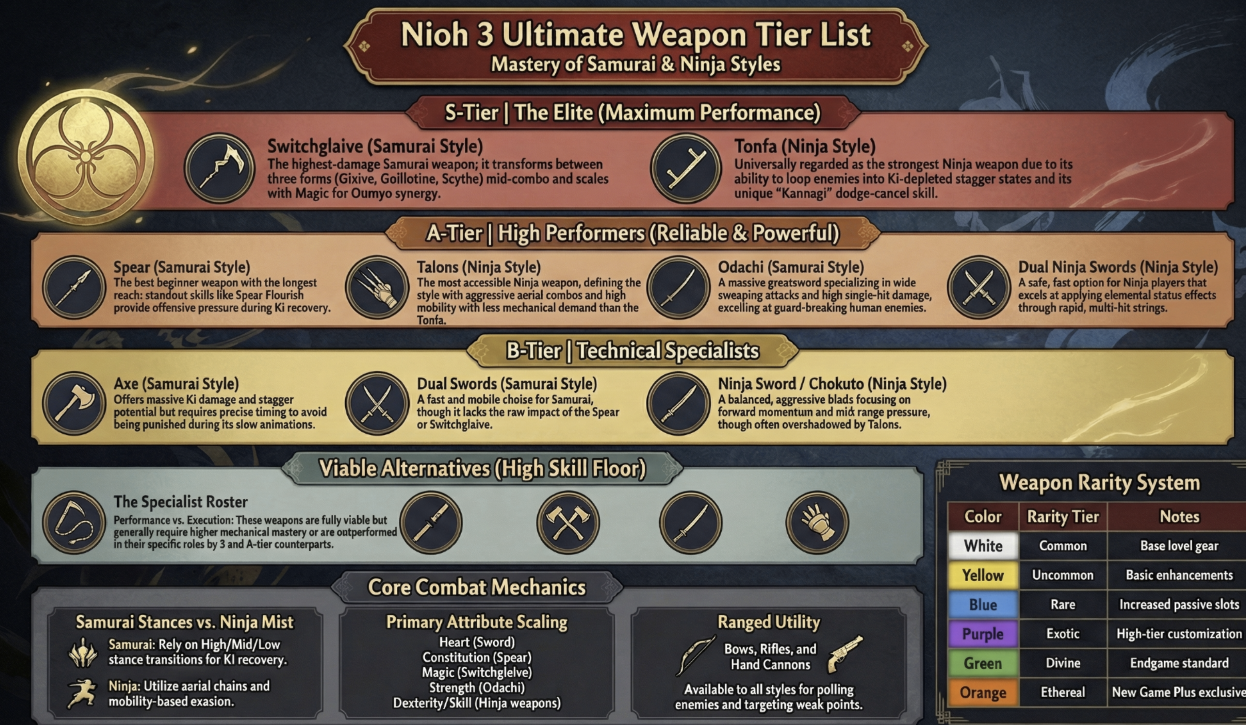
For the Tonfa, the White Bone Spirit Tonfa is the single best specific weapon for this build. Its fixed Imbue Water effect applies the Water element to all your attacks passively, stacking the Saturated status effect through normal melee combos without spending any Talisman charges. It can be crafted through the Fox-masked Blacksmith in the Eternal Rift using ten pieces each of Wood, Ingot, Leather Cord, and Lacquet.
The fundamental combat rotation for the Tonfa Ninja build are as follow:
- Open with a Water Familiar Talisman (or the Jakotsu-baba Soul Core in Yin position, which provides free Water Familiar charges) to surround yourself with water orbs that apply Saturated on contact, then enter melee range and chain Tonfa light attacks using Heavenly Chain and Storm of Strikes to maximize Ki damage and Saturated buildup simultaneously.
- When the enemy's Ki approaches zero, activate Demon Dance as a stagger finisher. Use Cicada Shell Ninjutsu as your primary defensive tool — it auto-dodges an incoming attack and teleports you behind the enemy, resetting your position without spending Ki.
- The Evil-Dispelling Evade Secret Skill combined with the Evade Ninjutsu functions as a Ninja-style Ki Pulse, recovering stamina through dodges exactly as the Samurai recovers Ki through weapon pulses after attacks — prioritize unlocking this combination as early as possible as it fundamentally changes Ninja sustainability.
Ninja Build: Armor and Accessories
The best Ninja armor choice is the Iga Jonin set. At four pieces, it grants Faster Movement (Ninjutsu Hit) — every time a Ninjutsu tool connects with an enemy, you get a brief speed increase that feeds directly back into aggressive close-range play. Earlier in the game before the Iga Jonin set is available, mix Heir's Shinobi armor pieces for their Dodge Ki Consumption reduction bonus, which allows more evasions before exhausting your Ki pool, and Thief's armor pieces that increase equipment drop rates to accelerate your gearing process.
For accessories, prioritize rolls of Water Accumulation (Enemy) or Shock Accumulation (Enemy) to accelerate Saturated and Electrified status buildup respectively. Combined with Tonfa's inherent attack speed, these accessories can make status effects proc in just a few seconds of sustained melee, opening early damage windows that dramatically reduce fight durations.
Ninja Build: Guardian Spirit and Soul Cores
Nekomata is the best Guardian Spirit for Ninja builds throughout the game. Its passive effects — Ninjutsu Ki Damage, Ki Recovery Speed, Melee Attack Ki Consumption reduction, and Quick Attack Break — address every weakness the Tonfa build has: high Ki expenditure from rapid attack chains, and the need for consistent Ki pressure against tough enemies. Once you've destroyed 12 Crucible Spikes to unlock Nekomata's deeper bonuses, the Final Blow and Grapple Damage effects make Tonfa finishers significantly more powerful.
For Soul Cores: place Jakotsu-baba in the Yin position for free Water Familiar Talisman charges that refill at every Shrine, providing passive Saturated buildup during combat without consuming Talisman inventory. In the Yang position, use Yasha for Martial Arts Ki Consumption reduction and a Life Drain effect tied to Water damage — this keeps your HP topped up during sustained close-range fights without requiring Elixir interruptions. As an alternative to Yasha, the Gaki Chief in Yang position provides Extraction Talismans that steal Amrita from enemies on hit, fueling your Living Artifact gauge passively and triggering any Amrita Absorption special effects on your gear.
Best Nioh 3 Magic Build (Onmyo Switchglaive)

The Nioh 3 magic build is the most technically complex build archetype in the game — and in its endgame form, the most powerful. It combines the Switchglaive's unique Magic scaling with the Onmyo talisman system and a central damage mechanic called Confusion to create a self-sustaining elemental damage loop that dismantles even the toughest bosses in the game's hardest difficulty tiers.
What Is Confusion and Why It Defines the Magic Build
Confusion is the cornerstone status effect of the Nioh 3 magic build. When two different elemental status effects are applied to an enemy simultaneously — Fire and Lightning, Fire and Water, or Water and Lightning — that enemy enters the Confused state. Confusion massively increases all incoming damage and cripples Ki recovery, making subsequent attacks far more impactful and stagger windows significantly more frequent. On standard enemies, Confusion is a quick kill. On bosses in Dream of the Nioh difficulty, Confusion is the difference between a manageable fight and a prolonged attritional grind. Building the magic build means engineering every element of your kit to trigger Confusion as quickly and repeatedly as possible.
Magic Build: Core Stats

Magic at 40–60 is the centerpiece of the Nioh 3 magic build and non-negotiable as your primary investment. Magic simultaneously scales Switchglaive melee damage, increases Onmyo power (spell damage and effect strength), and increases Onmyo capacity (more Talisman charges per Shrine rest). This is the most stat-efficient single investment in any Nioh 3 build — one stat doing three important jobs. For early-to-mid game builds, target 40 Magic. For endgame optimization, push to 60.
Intellect at 20–30 is your secondary priority. It extends the duration of all elemental status effects and buffs, directly amplifying the Confusion window each time it triggers. Longer Confusion means more attacks land inside the damage multiplier, compounding the effect of every hit you land after the status procs. Intellect also improves Ki recovery speed, keeping your Switchglaive combo strings sustainable.
Constitution at 20 and Heart at 15 provide baseline survivability and a functional Ki pool. In Dream of the Nioh, most boss attacks kill in one or two hits regardless of HP, so investing heavily in Constitution beyond 20–25 has diminishing returns. Magic-focused stat investment is simply more impactful than defensive stacking at high difficulty tiers. Courage at 20–30 provides Ki recovery that helps sustain extended Switchglaive combo strings.
Magic Build: Weapons and Combat Loop
The Switchglaive is the only weapon in Nioh 3 that scales primarily with Magic, making it the mandatory primary weapon for the magic build. As covered in our Nioh 3 weapons guide, it transforms between three distinct forms depending on your active stance: a long-range scythe in High Stance, a balanced glaive in Mid Stance, and a compact close-range form in Low Stance. The magic build uses this versatility deliberately — High Stance scythe for wide-arc crowd damage and safe ranged swings against bosses, Mid Stance for precise single-target pressure, and Low Stance for rapid combo strings when an enemy's Ki is low and you want to finish the stagger quickly.
As a secondary weapon, a fast-attacking option like Dual Swords provides a fallback when the Switchglaive's slower stance-switch animations would leave you vulnerable. In situations where a boss is highly aggressive and Switchglaive backswings are getting punished, switching to Dual Swords keeps pressure up while you wait for a window to re-engage with the heavier weapon.
The core combat loop for the magic build is:
- Before engaging, pre-cast a Fire Familiar Talisman and a Lightning Familiar Talisman (both via Yin Soul Core placements). These passively apply Scorched and Electrified to enemies as you hit them with normal melee attacks.
- When both elements have been applied, the enemy enters Confusion — at which point you switch to High Stance and unleash your highest-damage Switchglaive attacks into the amplified damage window. Use Sloth Talisman for bosses that move too quickly to track; it reduces enemy speed dramatically and works on every boss in the game except the final story encounter.
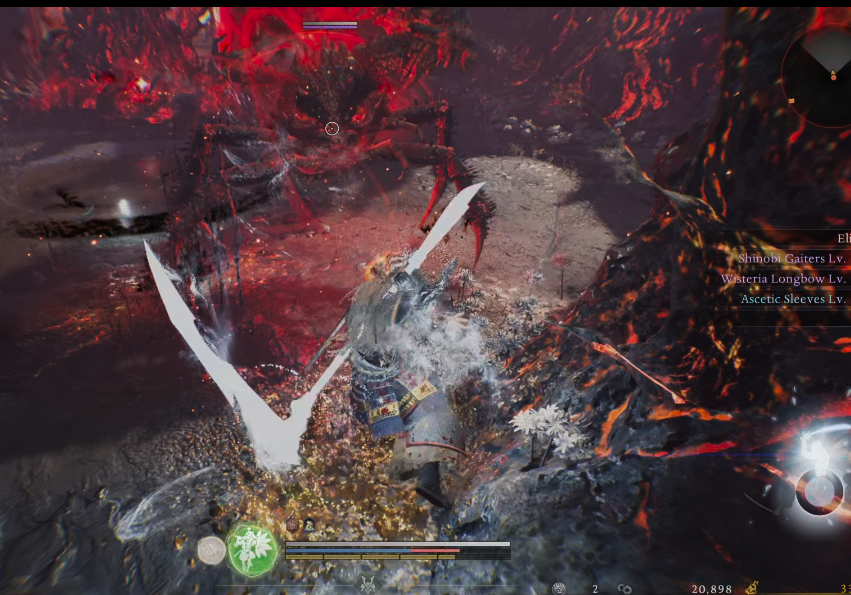
- Keep Barrier Talisman active as a persistent buff — it clears Yokai Realm pools from the ground and significantly boosts Ki recovery everywhere, making it one of the most universally useful utility talismans available. Extraction Talisman converts a portion of your damage into Amrita on every hit, fueling your Living Artifact gauge and creating a self-sustaining resource loop across longer fights.
Magic Build: Onmyo Magic, Soul Cores, and the Yin/Yang System
Nioh 3 reworked the Onmyo magic system significantly from previous entries. Talismans are now equipped directly to your shortcut bar — there is no separate preparation screen. The Magic stat directly increases how many charges of each talisman you can carry between Shrine rests, which is why stacking Magic is essential for sustaining the build's spell output across multi-room Crucibles and long boss fights.
The Yin Soul Core system adds a second layer of free Onmyo tools. Any Soul Core placed in a Yin attunement slot converts its yokai ability into a free talisman-equivalent item that recharges at every Shrine — no Anima cost required. For magic builds, the priority Yin placements are: Lightning Familiar and Fire Familiar (converted from the appropriate Soul Cores) to automate Confusion application during normal melee attacks, and a utility core like Sudama in Yin for free Thunderstorm Shot Talismans, which provides ranged Lightning damage for stacking Electrified from a safe distance. At 30+ Magic you unlock 3–4 Yin slots, giving you an extensive free toolkit that doesn't consume any invested resources.
Magic Build: Armor — Onmyo Mage Set and Grace of Tsukuyomi
For the mid-game magic build, equip four pieces of the Onmyo Mage's Hunting Attire set. The 4-piece bonus increases Onmyo capacity and spell duration, while the 6-piece bonus amplifies the damage of your elemental effects. This keeps your Familiars and weapon enchantments hitting harder and lasting longer, both of which directly feed the Confusion loop.
For endgame content — Dream of the Nioh difficulty and beyond — the Grace of Tsukuyomi set becomes the target armor. Its defining mechanic: the set bonus regenerates Onmyo spell uses when you kill enemies using Yokai abilities (Guardian Spirit Skills or Soul Core summons). In missions with regular enemy encounters, this creates near-unlimited Talisman uptime — every enemy you kill with a Guardian Spirit Skill refills your Familiar charges, which then apply Confusion to the next enemy, which you kill faster due to the damage multiplier, which triggers another Spirit Skill kill, which regenerates more spells. The Grace of Tsukuyomi set only drops in Dream of the Wise difficulty and above, so it is strictly an endgame target.
Magic Build: Guardian Spirit
Genbu is the recommended Guardian Spirit for the magic build, providing a flat Magic stat bonus and defensive Spirit Force mechanics — specifically a protective barrier on activation that provides breathing room when bosses catch you mid-cast. As an alternative, Raiken adds passive Lightning accumulation that contributes to Confusion triggers without requiring active Talisman use, useful in encounters where stopping to cast would be punished.
Best Nioh 3 Samurai Build
Samurai builds in Nioh 3 center on stance management, Ki Pulse mastery, and the Arts Proficiency system — a mechanic that rewards aggressive, consistent offense by generating stacking damage bonuses the longer you maintain a weapon's momentum. The strongest Samurai builds use the Spear for accessibility and the Switchglaive for maximum ceiling, with several strong secondary options depending on playstyle preference.
Spear Samurai Build — Best for Beginners and Mid-Game
The Spear is the best Samurai weapon for players who want a straightforward, effective build that handles every content type without demanding advanced mechanics. Its primary scaling stats are Heart, Skill, and Stamina. Build to 40 Heart as your primary investment for Ki pool, damage, and Ki recovery synergy, then 30 Skill for Arts Proficiency generation and weapon damage, and 25 Stamina for medium-to-heavy armor capacity.
The Spear's key skill is Spear Flourish, which enables a stagger-capable strike during a standard Ki Pulse — turning routine Ki management into an offensive tool that staggers enemies mid-recovery. This single skill dramatically improves how the weapon plays against aggressive enemies and eliminates the defensive downtime that other Samurai weapons experience during Ki recovery windows. Secondary priority skills include Fatal Thrust for aggressive forward charge damage and Twisting Spear for aerial combo extensions against airborne or elevated enemies.
Equip Guhin as your Guardian Spirit for Martial Arts Ki Consumption reduction and Melee Damage vs Winded Enemy bonuses that combo naturally with the Spear's ability to stagger and wind enemies through consistent pressure. In the Yang Soul Core slot, the Ippon-Datara (found near the second shrine in Crucible Manifested) provides devastating stun capability — its hammer smash virtually guarantees a Winded state on human enemies, creating predictable finisher opportunities.
Switchglaive Samurai Build — Best for Endgame
The Lightning Switchglaive build is the current S-tier Samurai build in Nioh 3 and the top recommendation for endgame Dream of the Nioh content. Stats: Intellect at 50 as primary (scales Switchglaive damage, extends effect durations), Magic at 30 secondary (Onmyo talisman utility), Heart at 30 for Ki, and Constitution at 25 for survivability. Pair with Grace of Tsukuyomi armor in endgame tiers and Kongojishi Guardian Spirit for Close Combat Damage and Ki Recovery bonuses that feed into the stance-switching combo rhythm the Switchglaive depends on.
Combat revolves around flowing between stances mid-combo to exploit each form's different attack properties — High Stance scythe for range and wide arcs, Mid Stance for guarded aggressive pressure, Low Stance for fast chip damage when enemies are recovering. The Flux II skill increases Ki recovery when switching stances, keeping you aggressive across long combo strings. Running Water recovers Ki while dodging, providing additional recovery options during evasion. The objective is to never stop the offensive loop: swing, pulse, switch stance, swing again.
Best Hybrid Build in Nioh 3
The most powerful archetype in Nioh 3 once you understand the dual-style system is the hybrid build — a build that deliberately optimizes both Samurai and Ninja loadouts and switches between them mid-combat to exploit each style's strengths. The fundamental hybrid strategy is: use Ninja mode to drain enemy Ki through fast attacks and Ninjutsu tools, then switch to Samurai High Stance the moment the enemy staggers to land the highest-damage burst available in the Samurai kit.
Stat-wise, hybrid builds succeed by choosing a Samurai weapon and a Ninja weapon that share at least one Reference Stat, so your investments serve both simultaneously. The most efficient pairing is Spear (Samurai) + Kusarigama (Ninja), both of which scale with Constitution and benefit from Heart and Skill investments. You're never paying a stat tax to switch styles — the same points that make your Spear hit harder also make your Kusarigama more effective.
An advanced technique available to hybrid builds is animation canceling through style switching. Executing a Samurai High Stance heavy attack and switching to Ninja style immediately before the animation fully completes deals the full attack damage while canceling the recovery frames — allowing you to chain Ninja combos from the moment the hit connects rather than waiting through the standard recovery window. This technique requires precise timing but produces DPS output beyond what either pure style achieves in isolation.
Your inactive Guardian Spirit provides 50% of its passive bonuses even while the other style is active. This means a well-chosen Guardian Spirit pair — one optimized for Samurai, one for Ninja — provides a combined passive buff profile that pure single-style builds cannot access. Build both Spirit selections intentionally: match elements and passive effects to your weapon's status strategy rather than treating the inactive Spirit as irrelevant.
Build Progression: Early Game to Endgame
Nioh 3 build progression follows a clear three-stage path. In the early game, survivability and fundamentals matter most — pick a straightforward weapon (Sword or Spear for Samurai, Tonfa for Ninja), focus your stats into the two or three values your weapon explicitly uses, and do not spread points trying to cover everything at once. Diluted stat investments create characters that deal mediocre damage without meaningful defensive gains from the minor stat increases spread produces. You will be respeccing as you progress, so commit to focused investment now and adjust when you have more information.
In the mid-game after unlocking the Eternal Rift and the second weapon slot, refine your build around a specific weapon pairing and begin targeting armor set bonuses. The Iga Jonin set for Ninja builds, the Crimson General set transitioning to Sincere Buddha for Samurai Switchglaive builds, and the Onmyo Mage set for magic builds all become available and represent meaningful performance upgrades over random loot pieces. This is also when farming Crucible weapons via the Ippon-Datara loop (see our Nioh 3 weapons guide for the exact farming method) pays off most, since the Crucible Arts they unlock are permanent and carry into every difficulty tier.
In the endgame — Dream of the Wise and Dream of the Nioh difficulties — gear sets take over as the primary progression driver. Grace of Tsukuyomi for magic builds, specific Divine and Ethereal rarity equipment with the right affix combinations, and Soul Matching your best weapons to current level caps determine the ceiling. Build three loadouts: one for general open-world content, one optimized for bosses (often the same build with different Soul Core placements), and one for co-op if you plan to use the Expeditions multiplayer mode.
Universal Build Tips for Every Nioh 3 Build
Always carry Quick-Change Scrolls. These activate on death and keep you alive, giving you a second chance to learn boss patterns without losing Amrita or a checkpoint. They're essential during the learning phase of every new area regardless of which build you run.
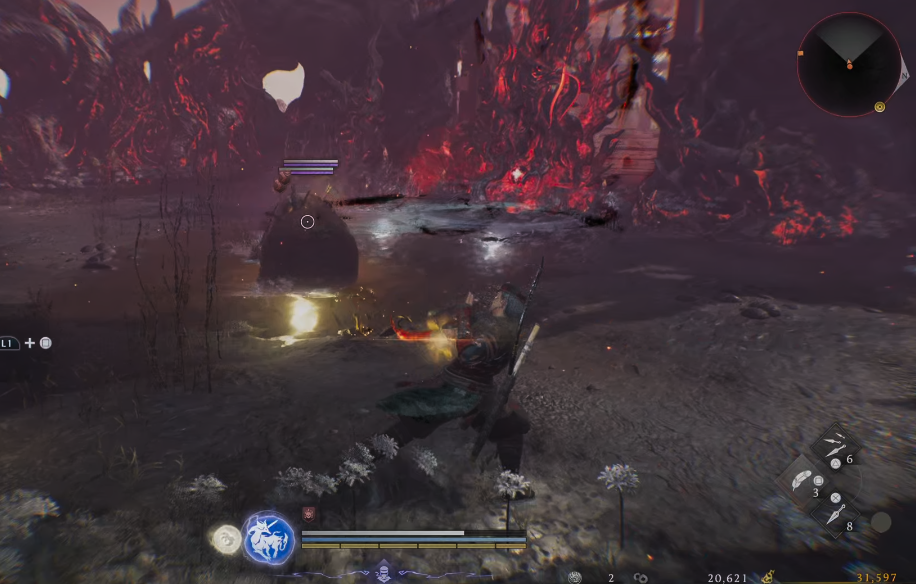
Destroy Crucible Spikes consistently. Each destroyed Spike unlocks additional Guardian Spirit passive effects and increases maximum Spirit Force capacity. The cumulative impact of 13 Spikes worth of upgrades is substantial, and the Spikes are marked on your map — there's no reason to leave them uncollected.
Prioritize the Evil-Dispelling Evade Secret Skill for any Ninja build and Panacea Curefast for all builds regardless of style — the 15% Elixir effectiveness bonus from Panacea Curefast is one of the best survival investments available in the skill system and applies globally.
Match your Guardian Spirit's elemental passives to your build's primary status strategy. Enko amplifies damage against Scorched enemies for fire-focused Ninja builds. Shin-Roku rewards Purification and defensive play for survivability-oriented Samurai. Nekomata amplifies Ninjutsu Ki damage for any Ninja build. The Guardian Spirit is not a decoration — it's a force multiplier that determines whether your elemental strategy compounds or operates in isolation.
Finally: use the Blacksmith's Remodel system to fix stat-scaling mismatches rather than abandoning good weapons. If you find an excellent Tonfa but invested your early points in Heart instead of Constitution, Remodeling the Tonfa to scale with Heart costs Gold and materials but saves the weapon and the build. Remodel is the reason no weapon is ever truly "wasted" regardless of where your stat investments landed.
Câu hỏi thường gặp về Nioh 3
- Ngày phát hành Nioh 3 là khi nào?
- Nioh 3 dự kiến phát hành vào ngày 6/2/2026.
- Nioh 3 chơi được trên nền tảng nào?
- Nioh 3 hỗ trợ: PC (Microsoft Windows), PlayStation 5.
- Nioh 3 thuộc thể loại gì?
- Nioh 3 thuộc thể loại: Role-playing (RPG), Hack and slash/Beat 'em up, Adventure.
- Có trailer chính thức của Nioh 3 không?
- Có. Bạn có thể xem trailer của Nioh 3 ngay trên trang này ở phần video.
Khám phá thêm
Nioh 3 Tonfa Build Guide: Best Endgame Setup for Dream of the Nioh
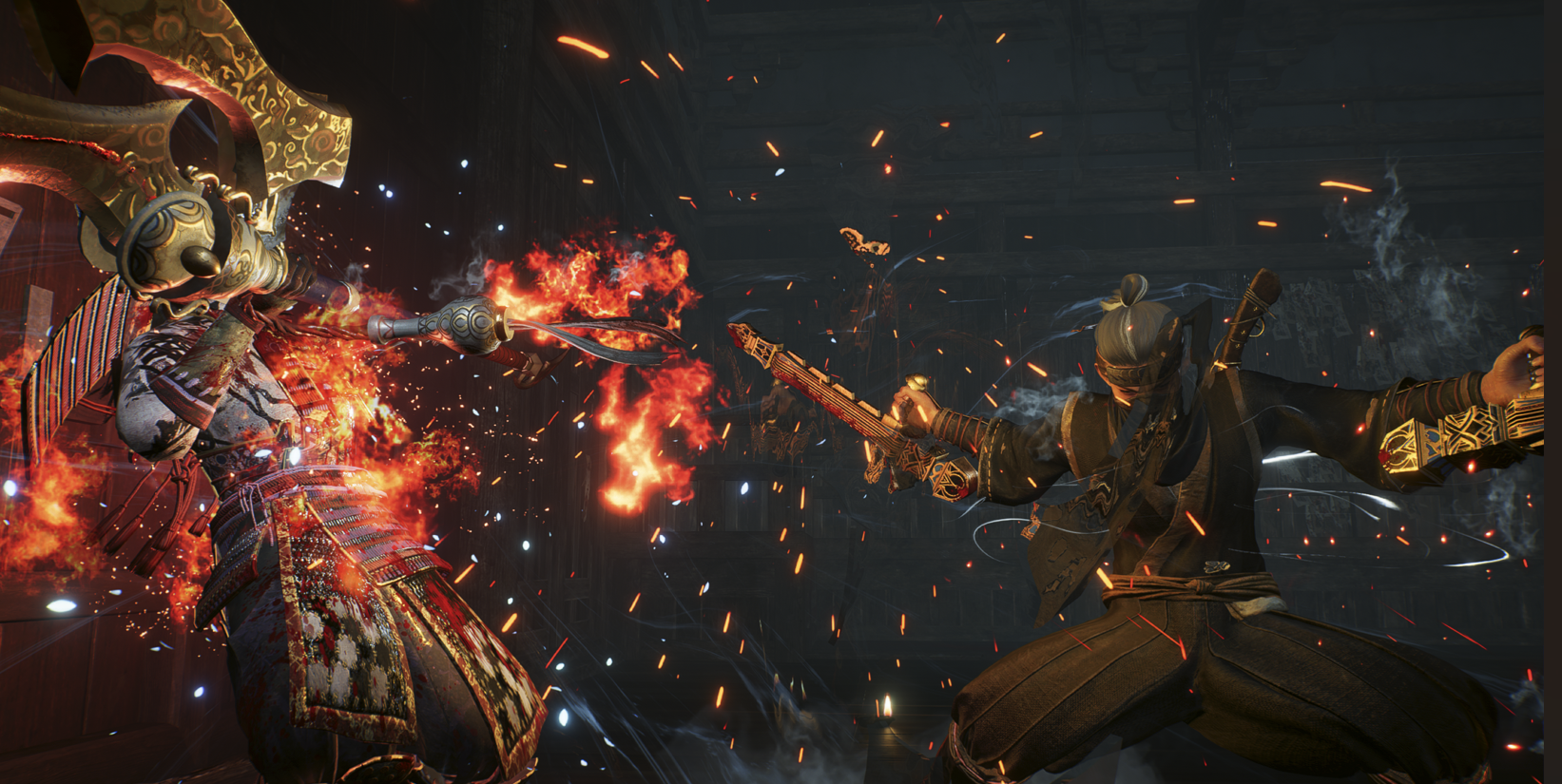
The Tonfa is Nioh 3's highest Ki-damage Ninja weapon — a blunt, fast, relentless close-range weapon that wins by draining enemy stamina bars faster than they can recover, forcing Winded states, and capitalising on those vulnerability windows with finishing moves that deal disproportionate burst damage. In the base game, a halfway-decent Tonfa setup will stagger-lock most enemies before they can threaten you. In Dream of the Nioh — where enemy health pools triple, their damage can one-shot you, and your basic combat tools stop being enough — the Tonfa build stops being about hitting hard and starts being about engineering a system.
Nioh 3 Weapons Scaling Guide: Which Stats to Level for Each Weapon
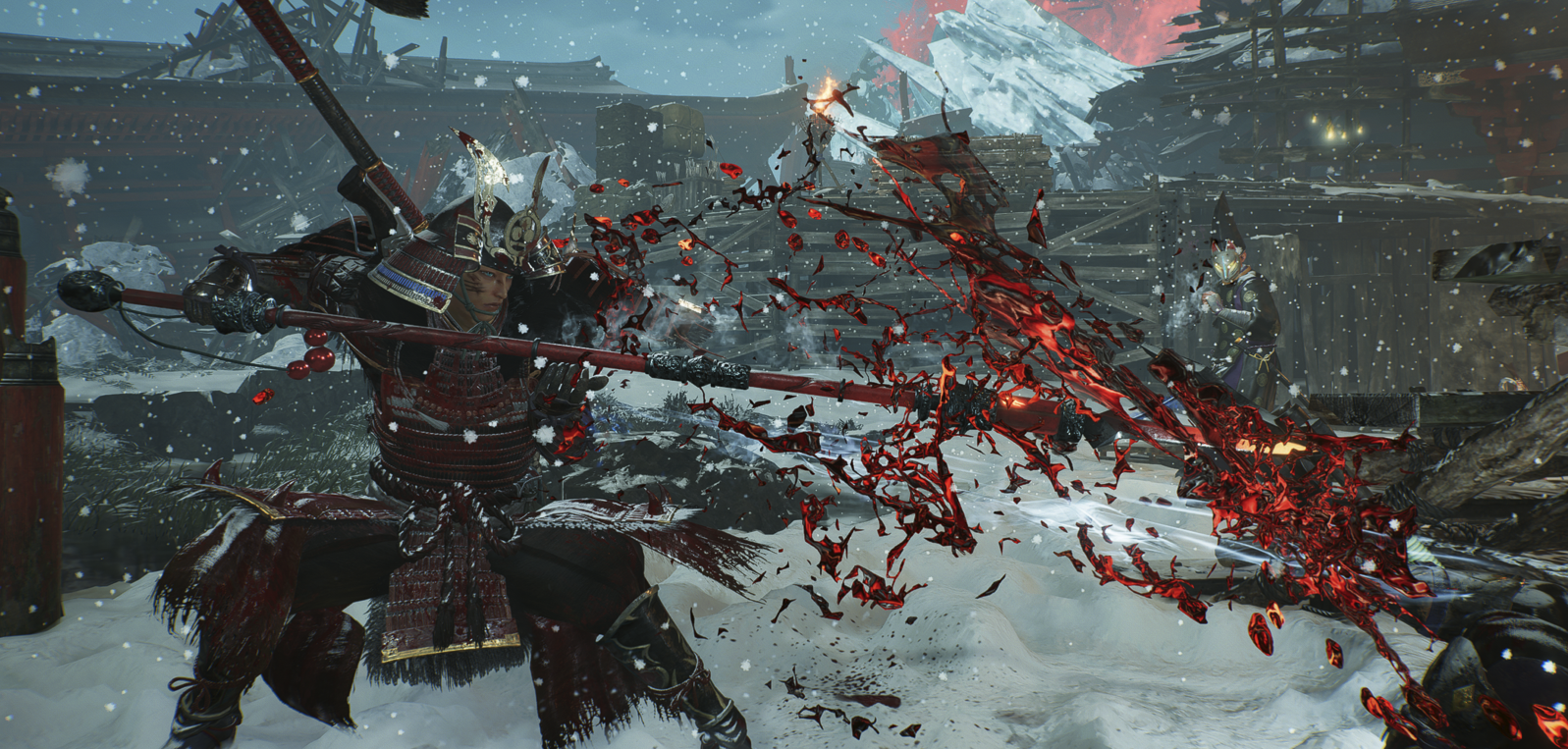
Nioh 3 throws out the letter-grade scaling system from Dark Souls and Elden Ring entirely. There are no A/B/C rankings stamped on your weapon telling you to just pump Strength. Instead, every weapon in the game operates on what Team Ninja calls Reference Stats — a three-stat dynamic scaling system that automatically adjusts to your highest attribute investment. It sounds complex. It is, slightly. But once you understand how it works, it becomes one of the most build-friendly systems in any Souls-adjacent game, because it's nearly impossible to permanently brick your character — and respec is free.
Nioh 3 Best Samurai Weapons: Top Picks for Every Samurai Build
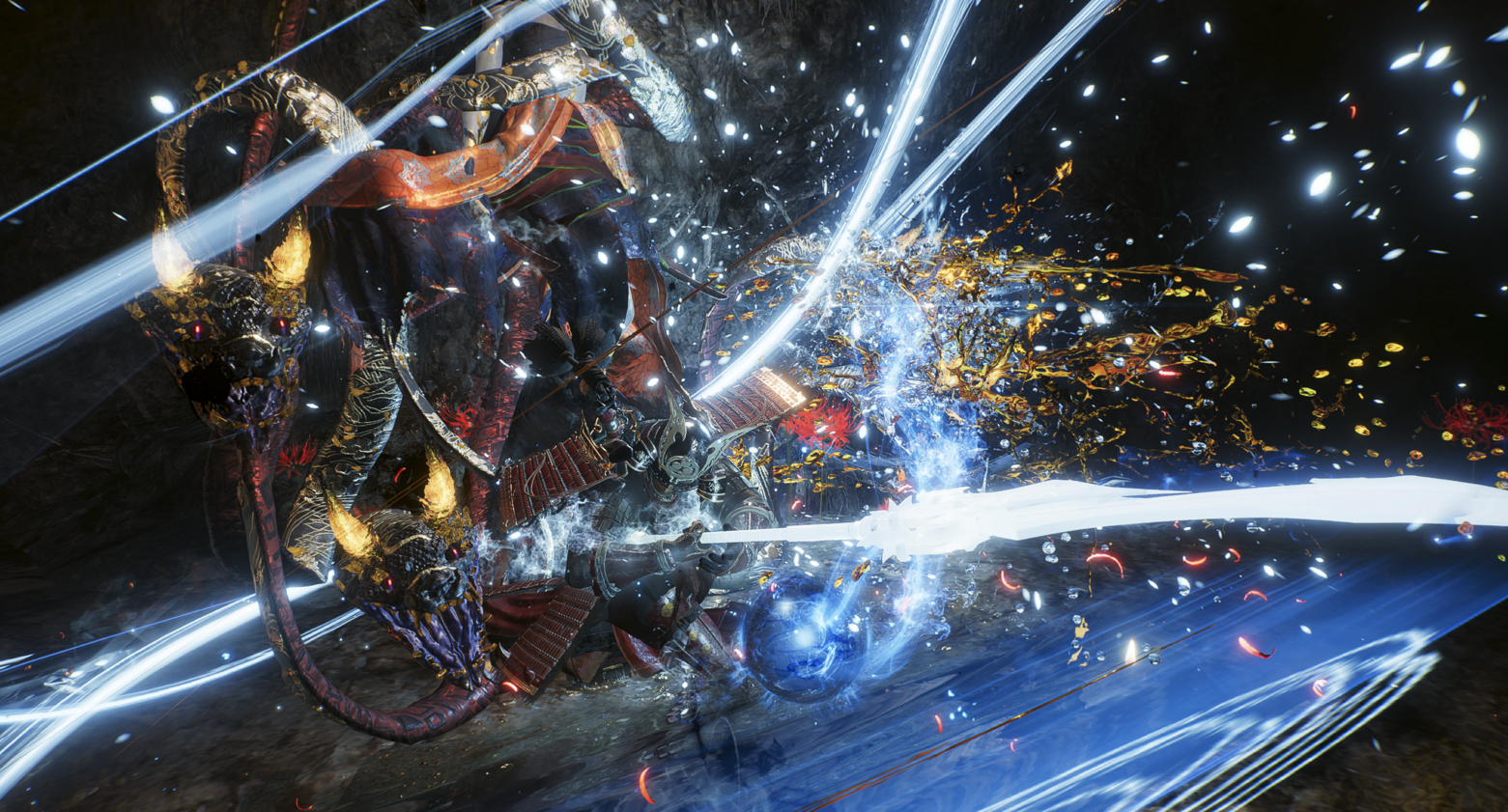
This guide ranks all seven Samurai weapons, breaks down what each one actually rewards in combat, identifies the best Martial Arts for each, and matches each weapon to the build identity where it performs best. If you're deciding which Samurai weapon to commit to — or you've been struggling with your current pick and want to know why — this is the reference you need.
Nioh 3 Character Creation Guide: Best Character Codes, Sliders & Tips (PS5 & PC)
Before a single Yokai dies, before you settle on your first weapon, before you even decide whether you're building Samurai or Ninja — you'll be staring at the Nioh 3 character creation screen deciding what your warrior actually looks like. And given that Team Ninja has built one of the most detailed character customization systems in the Souls-like genre, that time investment is entirely justified. Whether you want to craft an original face from scratch or import one of the community's best Nioh 3 character codes to get straight into the action, this guide covers everything: every menu, all the working codes for both PS5 and PC, and tips for getting the most out of the system.