
Tomodachi Life: Living the Dream – Complete Guide to Building Your Perfect Island
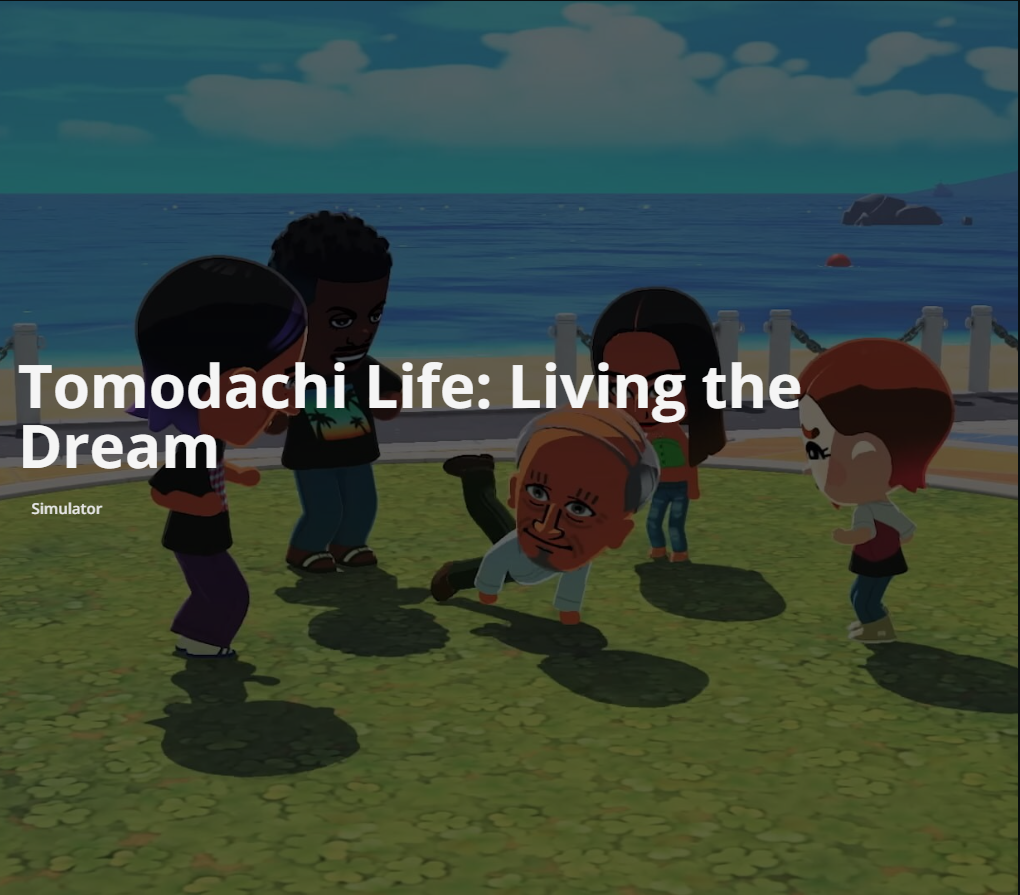
Tomodachi Life: Living the Dream puts you in control of an island full of customizable Miis. Learn how to master personality creation, manage relationships, expand your island, and build the perfect community with this comprehensive guide.


Tomodachi Life: Living the Dream – Complete Guide to Building Your Perfect Island
Tomodachi Life: Living the Dream is a social simulation game that puts you in control of an entire island full of customizable Mii characters. Released on April 16, 2026, this Nintendo Switch exclusive invites you to manage relationships, build facilities, and watch your digital residents live their lives. Whether you're a newcomer to the series or returning after the original 2013 release, this comprehensive guide will help you master the core mechanics and create the island of your dreams.
Understanding the Basics of Tomodachi Life: Living the Dream
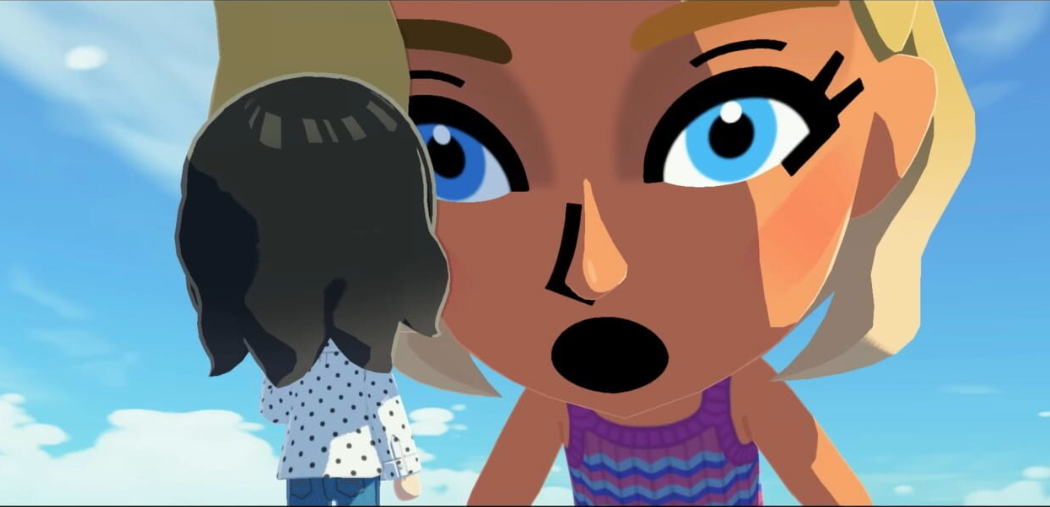
At its heart, Tomodachi Life: Living the Dream is about observation and gentle intervention. You don't directly control your Miis—instead, you guide them by responding to their needs, facilitating relationships, and shaping the island's environment. The game runs on real-time progression tied to your system clock, meaning your residents continue to interact and develop relationships even when you're not playing.
Your primary responsibilities include feeding your Miis, resolving conflicts, encouraging friendships, and expanding your island's infrastructure. Unlike traditional games with clear win conditions, Tomodachi Life: Living the Dream rewards consistent daily engagement and strategic planning. The game supports up to 70 Miis on a single island, a smaller cap than the original but designed to prioritize meaningful interactions over sheer population size.
Creating Your Miis: Personality and Appearance
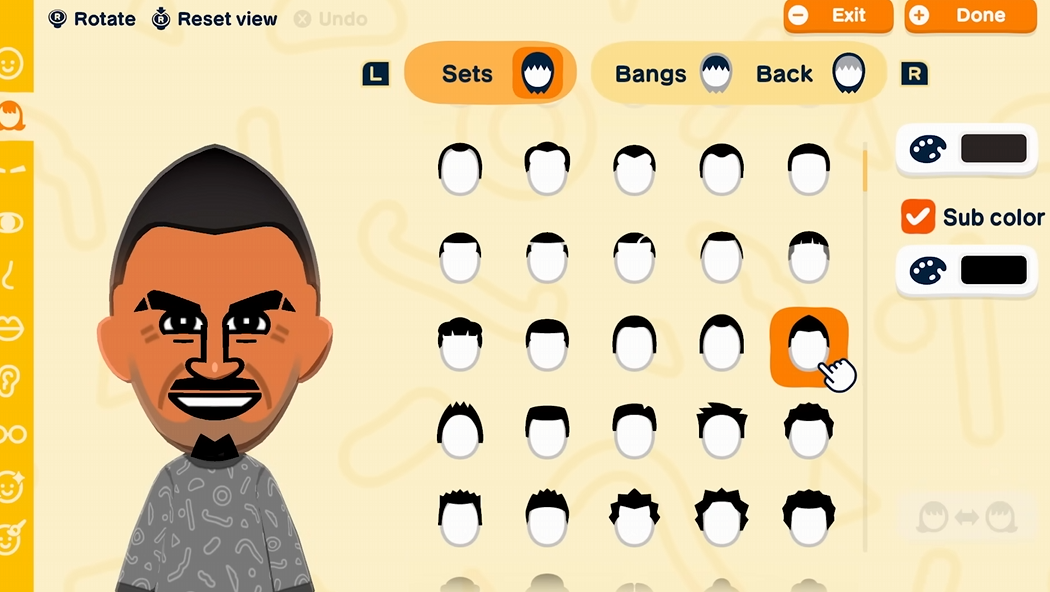
Mii creation is the foundation of your island experience. You have two paths: use the Get Help questionnaire for quick, surprisingly accurate results, or manually customize every facial feature. The questionnaire works exceptionally well for recreating real people and is worth trying even if you plan to fine-tune afterward.
Personality is the most consequential choice you'll make. The game features 16 distinct personality types organized into four categories: Considerate, Outgoing, Reserved, and Ambitious. Your personality selection is determined by five sliders—Movement, Speech, Energy, Thinking/Attitude, and Overall—that you adjust during creation.
Here's how the system works: the game adds your Speech and Movement scores together, then adds your Energy and Thinking scores separately. These two totals determine which of the 16 personalities your Mii receives. The Overall slider doesn't affect personality at all; it only influences speaking style and conversation content. Understanding this formula lets you deliberately craft specific personality types rather than leaving it to chance.
The four personality categories break down as follows:
- Considerate personalities (Sweetie, Cheerleader, Buddy, Daydreamer) are gentle and supportive, prioritizing others and avoiding conflict.
- Outgoing personalities (Charmer, Go-Getter, Merrymaker, Dynamo) are louder, more expressive, and quick to draw attention.
- Reserved personalities (Observer, Thinker, Strategist, Perfectionist) are quiet and introspective, with rich internal lives.
- Ambitious personalities (Achiever, Visionary, Rogue, Maverick) are driven, direct, and self-assured.
Personality influences far more than dialogue. It determines house color, everyday behavior, reactions to conflict, decoration preferences, and even how your Mii spends time in their room. A Charmer and a Dynamo are both Outgoing, but their day-to-day presence on your island feels completely different. You can edit personalities later by opening the menu, selecting Residents, choosing your Mii, and adjusting the sliders—but be aware that changing an established Mii's personality may disrupt their existing relationships.
Your Daily Routine: The Morning Sweep
Success in Tomodachi Life: Living the Dream depends on consistent daily engagement. Every time you boot up the game, start by checking the apartment building's exterior windows. Colored bubbles floating in the windows tell you exactly what problems need attention:
- Black squiggles indicate a Mii is having a terrible time—usually from a fight or rejection. Click immediately to resolve the issue before their mood spirals into depression.
- Green outlines mean a Mii wants to play a minigame. Always do these; you'll win treasures to sell or items to gift later.
- Pink hearts signal romantic situations—confessions or proposals. Handle these carefully to avoid breaking digital hearts.
After clearing problem bubbles, visit the fountain. Your residents will throw money at you based on overall island happiness. This is your most reliable daily income source. The amount depends on how many Miis you have and their collective happiness levels, making the morning sweep critical for maintaining a healthy economy.
Feeding Your Miis and Leveling Up
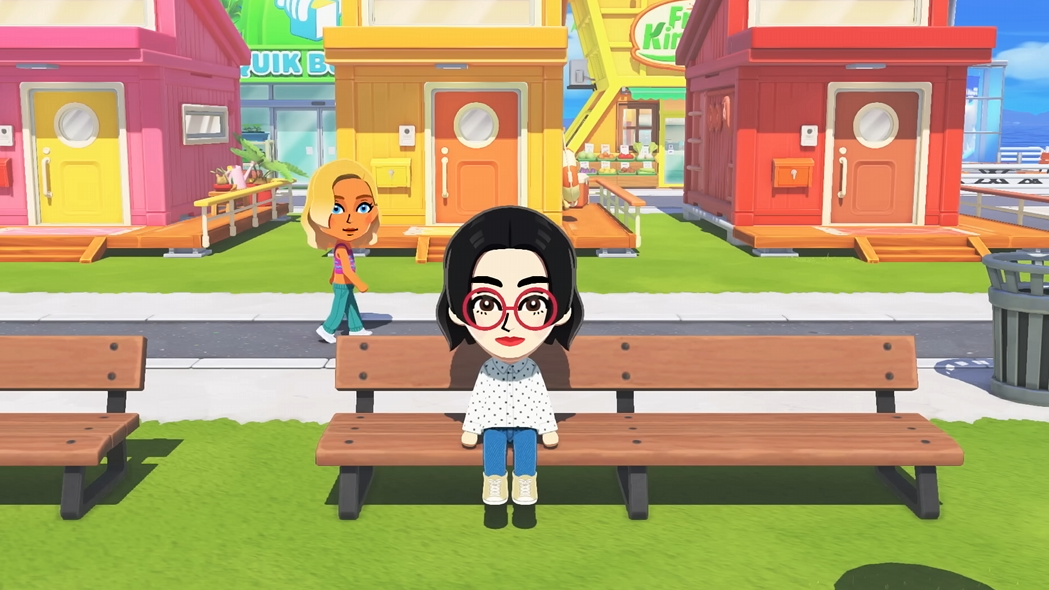
Food is not just survival—it's your primary leveling mechanism. Every Mii has an invisible stomach gauge that you need to fill daily. The key is discovering each Mii's specific food preferences. When you feed a Mii something they love, they get a massive experience boost and their happiness skyrockets. Feeding them something they hate causes them to melt into despair and wastes your money.
Experiment with cheap foods first to discover each Mii's "Super All-Time Favorite," then write it down for future reference. When a Mii levels up, you'll get the option to reward them. Prioritize giving them songs or unique interior room designs before basic pocket money. Teaching songs allows you to host concerts at the observation tower, which is genuinely hilarious and worth the effort.
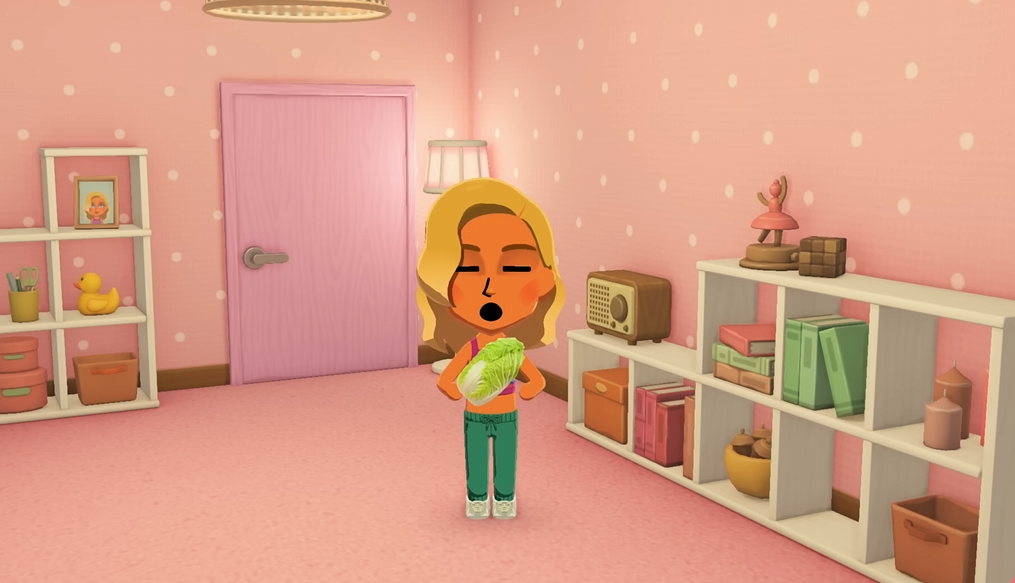
Don't just buy the most expensive food in the shop. The Fresh Kingdom food mart rotates its inventory daily, so check back regularly to find new options that might become favorites. This daily routine of feeding and leveling is essential for keeping your island functioning smoothly.
Building and Expanding Your Island
Your island starts incredibly small, but it grows naturally as you progress. Island expansion is tied directly to your Mii population. After creating 10 individual Miis and settling them into their houses, you'll receive a news report announcing the "Land Reclamation Project." This doesn't increase the island's actual size, but it expands the available space around it.
Your island grows at specific milestones:
- First expansion at 10 Miis
- Second expansion at 20 Miis
- Third expansion at 35 Miis
Each expansion is preceded by a brief news report celebrating your new land. The newly available space typically includes patches of grass and sand that you can customize or bulldoze entirely. The advice from experienced players is to landscape new space in the simplest way possible—just grass or sand—before returning later for more detailed customization once you understand your island's flow better.
Buildings and facilities unlock based on resident count, not money. Most buildings are gated behind thresholds at 3, 4, 5, 7, 8, and beyond residents. The fastest path through early game is simply adding residents as quickly as possible. You can move shops and houses around, expand land areas, and reshape your island based on resident suggestions or your own preferences.
Managing Relationships and Romance
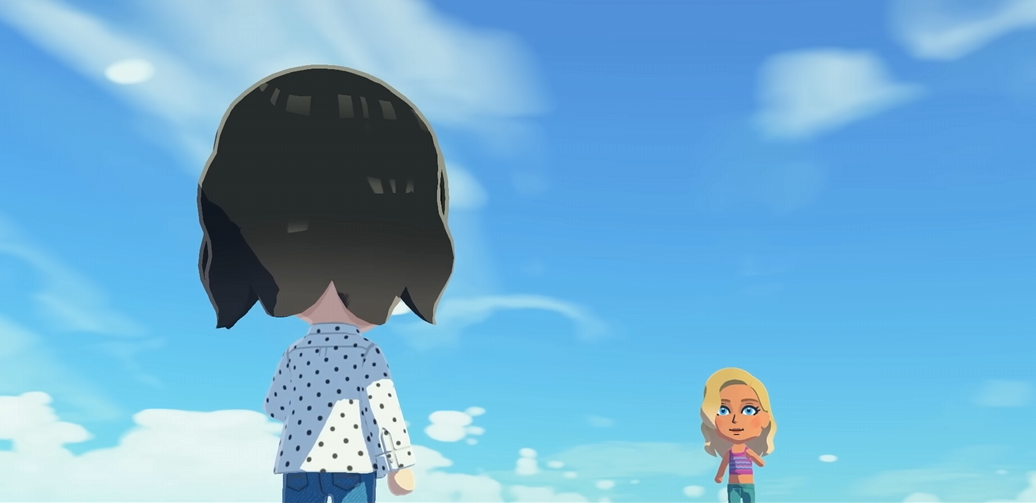
Relationships are the heart of Tomodachi Life: Living the Dream. All Miis start as strangers. The fastest way to introduce two Miis is to physically pick one up and drop them near another—they'll initiate a conversation and become acquaintances. From there, their relationship develops based on how often they interact.
Relationship tracking is asymmetric by design: Mii A can be deeply fond of Mii B without the feeling being returned. This creates realistic, sometimes awkward dynamics. Thought bubbles appear over Miis' heads in different colors to signal what kind of help they need—one color for romantic situations, another for object needs like food or items.
Personality compatibility matters significantly. Miis with similar personalities are more likely to get along, while dissimilar personalities may struggle to become friends. However, even compatible personalities can dislike each other due to individual quirks. You can set family relationships and romantic pre-sets during Mii creation, which gives them a head start without requiring them to meet as complete strangers.
One-sided relationships are common and can occur in both platonic and romantic scenarios. A Mii might develop a crush on someone and work up the courage to confess. If you approve, they'll start loving that person. Conversely, a Mii can be indifferent toward someone trying to befriend them. Responding to relationship prompts earns money and increases happiness levels, which unlock gift opportunities and personality perks.
The Island Economy: Making Money
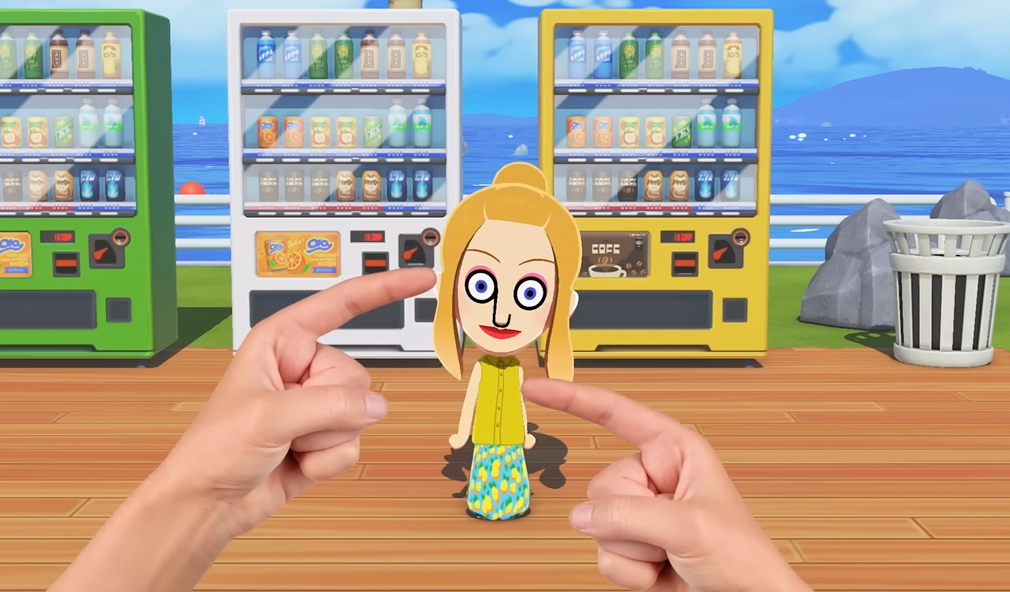
Cash is essential for expanding your island, buying ridiculous outfits, and funding space trips. Your most reliable daily income comes from the fountain, but there are other revenue streams. Playing minigames (green bubbles) earns treasures you can sell at the pawn shop for substantial chunks of change. Don't hold onto generic items like tissue boxes or plastic diamonds—sell everything.
Happy islands print money. This is why the morning sweep is so critical. Clearing bad moods keeps your residents happy, which increases the fountain payouts. As your island stabilizes and your cash flow becomes steady, you'll have most basic problems figured out and can focus on bigger-picture goals like customization and special events.
Unlocking Shops and Facilities
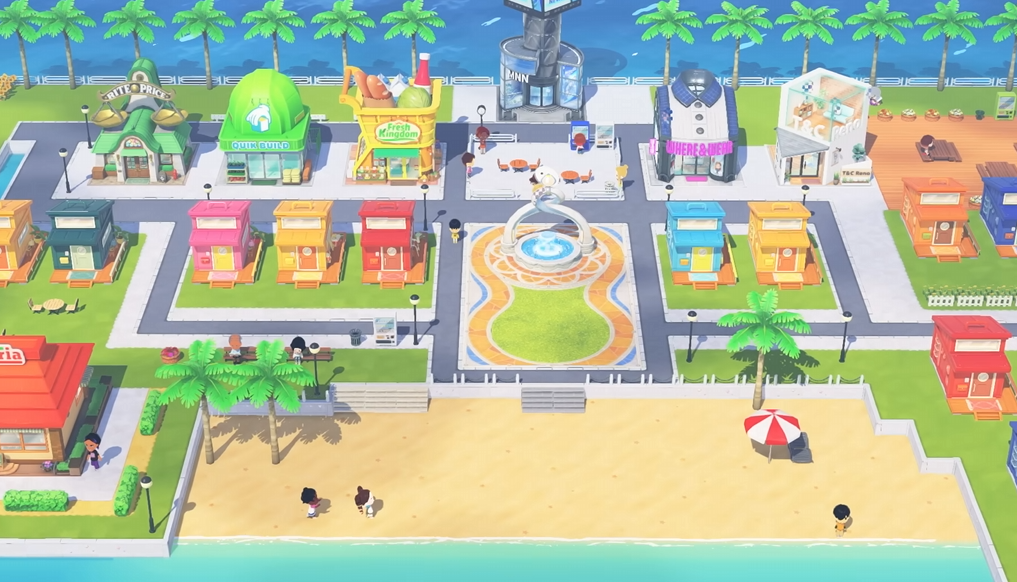
Your island includes several key shops and facilities, each serving specific functions:
- Fresh Kingdom – The food mart where you discover Mii flavor preferences
- Where & Wear – The clothing store for everyday outfits or absurd costumes
- T&C Reno – Home supply store for room decoration and themed templates
- MNN News Station – Daily broadcasts covering island events
- Foto-Tomo Photography – Stage photo ops for your Miis
- Marketplace – Rotating stock that changes based on time of day
- Quik Build – Place trees, benches, vending machines, and decorations
There are 13 different types of buildings to unlock (not counting houses). Most are gated behind resident count thresholds. As your population grows, new facilities automatically become available. The island's generous customization system means you're free to shape it however you like once you have enough space.
Palette House Workshop: Creative Customization
Palette House Workshop is where things get genuinely creative. This freeform creation tool uses a pixel-art interface with touch controls available. You can design custom clothing, original food items, pets for residents to own, house exteriors, ground tiles, decorative items, and even fictional TV shows your Miis can watch.
Anything you create can be given to residents or placed around the island as decoration. If the built-in shops don't have what you're looking for, Palette House is the answer. Custom items make your island feel personal fast. You can also share your creations with friends via local wireless, adding variety you couldn't generate alone. Experimenting with Palette House early in your playthrough is worthwhile—it's a massive resource sink if you don't know what you're doing, but it's the only way to make your island truly yours.
Advanced Tips for the Perfect Island
Once you've mastered the basics, several advanced strategies will help you optimize your island:
Name phonetics matter. If your Mii has an unusual name, set the pronunciation separately so the text-to-speech doesn't mangle it every time the game says it out loud. This small detail prevents constant annoyance during gameplay.
Use relationship pre-sets strategically. Setting family connections during creation saves you from waiting for strangers to warm up to each other organically. This is especially useful if you want specific characters to start with pre-existing connections.
Don't rush introductions. While you can force meetings by dropping Miis near each other, letting some relationships develop naturally produces more interesting dynamics. The game rewards patience with more organic interactions.
Check in daily. Real-time progression means Miis can become unhappy if neglected. Short daily sessions work better than occasional long ones. Consistency is key to maintaining island stability.
Landscape new space simply. When your island expands, resist the urge to immediately build elaborate designs. Landscape with basic grass or sand first, then return later for more detailed customization once you understand your island's flow better.
Understanding Island Growth Progression
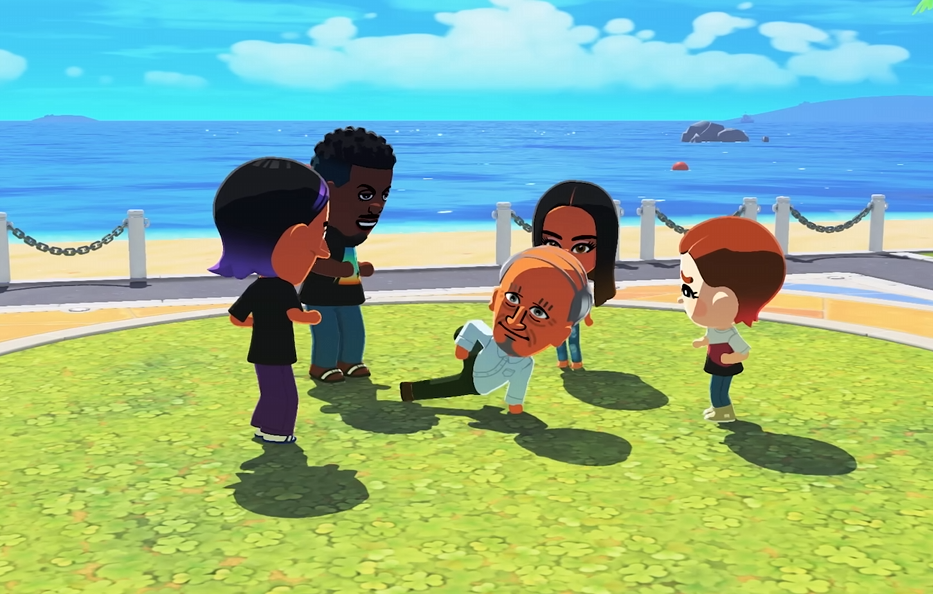
Your island's evolution follows a natural progression. In the early stages, you're learning to manage Miis, solve problems, and build relationships. The island starts at a good size, but as more Miis are added, you'll want to expand for new activities and buildings.
After finishing the intro and creating eight Miis, you can start growing your island. This happens as you help your Miis each day—even small tasks help with progression. If Miis are ignored, growth slows down, so regular play keeps the island moving forward.
Eventually your island will stabilize. The cash flow becomes steady, you'll have most basic problems figured out, and you can start looking at the bigger picture. There's an actual ending to this experience along with a series of difficult challenges to complete. If you need to see the credits roll, bookmark guides on trophies, the ending, and travel tickets. Keep up with the daily grind and you'll hit those endgame milestones significantly faster.
The Free Demo and Getting Started
The Welcome Version demo is available on the Nintendo eShop at no cost, and critically, your progress carries over to the full game. Any Miis you create, relationships you build, and island progress you make in the demo transfers directly when you purchase the full release. Completing the demo unlocks a hamster costume for your Miis as an exclusive reward in the full game. There's no downside to starting early.
The full game is priced at $59.99 and is available on Nintendo Switch and Nintendo Switch 2. If you're on the fence about whether this game is for you, the free demo is the perfect way to test the waters without financial commitment.
Conclusion: Building Your Dream Island
Tomodachi Life: Living the Dream is a uniquely engaging life simulation that rewards consistent engagement and strategic thinking. By understanding personality mechanics, maintaining a daily routine, managing your economy, and gradually expanding your island, you'll create a thriving community of digital residents with genuine personality and charm.
The game encourages you to curate your island rather than endlessly expand it. With a 70-Mii cap, every resident slot is valuable, making each character feel important. Whether you're recreating your friends and family, building elaborate custom designs, or simply watching the chaos unfold, Tomodachi Life: Living the Dream offers hundreds of hours of entertainment for players who embrace its unique blend of management, simulation, and social interaction.
Start with the free demo, master the daily routine, and watch your island grow into something genuinely special. The dream island you build will be uniquely yours.
Câu hỏi thường gặp về Tomodachi Life: Living the Dream
- Ngày phát hành Tomodachi Life: Living the Dream là khi nào?
- Tomodachi Life: Living the Dream dự kiến phát hành vào ngày 30/6/2026.
- Tomodachi Life: Living the Dream chơi được trên nền tảng nào?
- Tomodachi Life: Living the Dream hỗ trợ: Nintendo Switch.
- Tomodachi Life: Living the Dream thuộc thể loại gì?
- Tomodachi Life: Living the Dream thuộc thể loại: Simulator.
- Có trailer chính thức của Tomodachi Life: Living the Dream không?
- Có. Bạn có thể xem trailer của Tomodachi Life: Living the Dream ngay trên trang này ở phần video.
Khám phá thêm
Mẹo Sinh Tồn Hardcore Minecraft 1.21 - Hướng Dẫn Chi Tiết Từ A-Z
Sinh tồn trong Minecraft 1.21 hardcore không phải là về may mắn — nó là về chuẩn bị. Hướng dẫn chi tiết này sẽ dạy bạn mọi thứ từ ngày đầu tiên cho đến cách chinh phục Trial Chambers và The End.
Hướng Dẫn Minecraft Cho Người Mới Bắt Đầu: Sống Sót Đêm Đầu Tiên & Xây Dựng Căn Nhà
Bạn mới chơi Minecraft? Hướng dẫn chi tiết này sẽ giúp bạn sống sót đêm đầu tiên, thu thập tài nguyên, và xây dựng một căn nhà an toàn. Từ crafting công cụ đến tránh mob — tất cả những gì bạn cần biết.
Minecraft Enchanting Table 2026: Những Cập Nhật Lớn Từ Bàn Phép Thuật Đến Gối Ngồi
Năm 2026 mang đến những thay đổi lớn cho Minecraft: minecraft enchanting table giờ hiển thị xác suất chính xác, cushion update cho phép bạn ngồi lần đầu tiên, và nhiều minecraft quality of life improvements khác.
5 Tính Năng Minecraft Mà Mojang Nên Thêm Vào Game Ngay Lập Tức
Minecraft vẫn tuyệt vời, nhưng nó đang thiếu những tính năng quan trọng. Đây là 5 minecraft features mojang should add mà cộng đồng yêu cầu từ lâu, và một số thậm chí đã được chứng minh hoạt động tốt thông qua các mod.