
PoE 2 Reddit: Runic Skills Explained – What You Need to Know About Kalguuran Abilities & Runic Ward
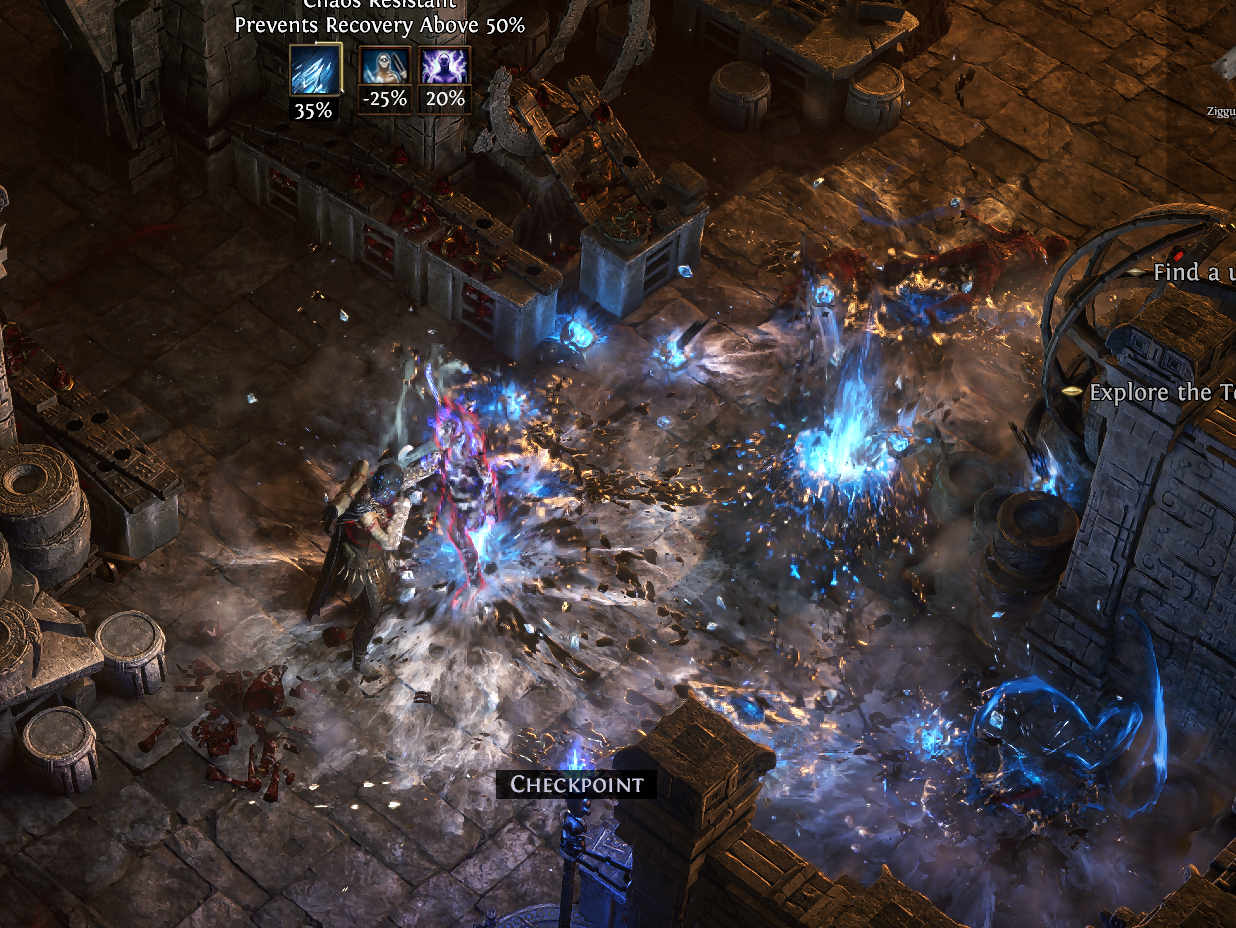
Complete guide to PoE 2 runic skills, Kalguuran abilities, and Runic Ward mechanics. Learn how Reddit players scale these new resources and build effectively.


PoE 2 Reddit: Runic Skills Explained – What You Need to Know About Kalguuran Abilities & Runic Ward
If you've been lurking on PoE 2 Reddit communities lately, you've probably noticed the conversation has shifted hard toward one thing: Kalguuran abilities. The Return of the Ancients patch 0.5 dropped a entirely new skill family that breaks almost every convention Path of Exile players have grown accustomed to. No color requirements. No attribute prerequisites. No mana cost. Instead, runic skill mechanics operate on a completely different resource called Runic Ward — and it's fundamentally changing how builds work in endgame. This guide cuts through the confusion and explains what the Reddit community is actually talking about when they discuss these new systems.
What Are Kalguuran Skills and Why PoE 2 Reddit Is Obsessed
Kalguuran skills are a new category of active abilities introduced in patch 0.5, tied to the Runes of Aldur league mechanic. Unlike traditional skill gems, kalguuran abilities explained in their core design eliminate gatekeeping entirely. You don't need Strength to use them. You don't need a specific weapon. You don't even need the right color socket.
What makes this revolutionary is the cost structure. These skills consume Runic Ward instead of Mana. That single change cascades across your entire build philosophy. Suddenly, your defensive layer becomes your offensive resource. You're not choosing between damage and survival anymore — you're managing the tension between both simultaneously.
The Reddit community went nuclear when patch notes hit because this mechanic does something GGG had explicitly resisted for over a decade: it creates a defensive resource that directly fuels offensive abilities. That's not a small balance change. That's a design philosophy flip.
Understanding Runic Ward Mechanics from the Ground Up
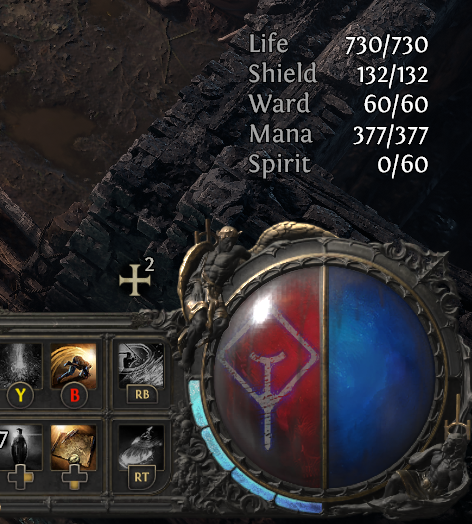
Before you can grasp runic ward mechanics, you need to understand where it sits in your defensive hierarchy. Runic Ward is not Energy Shield 2.0. It's not a third life pool either, though it looks like one on the UI.
Here's how it actually works: When a hit would reduce your Life to exactly 1, Runic Ward kicks in. It absorbs the remaining damage from that hit, then regenerates on its own timer (typically 2 seconds) independent of your health recovery. Think of it as a cheat-death buffer that catches you at the exact moment you'd otherwise die. If both your Life and Runic Ward pools hit zero simultaneously, you still die. The mechanic isn't invincible—it's tactical.
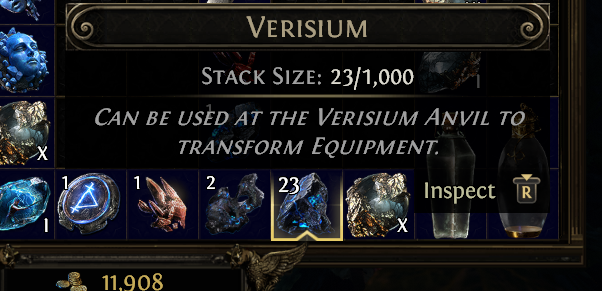
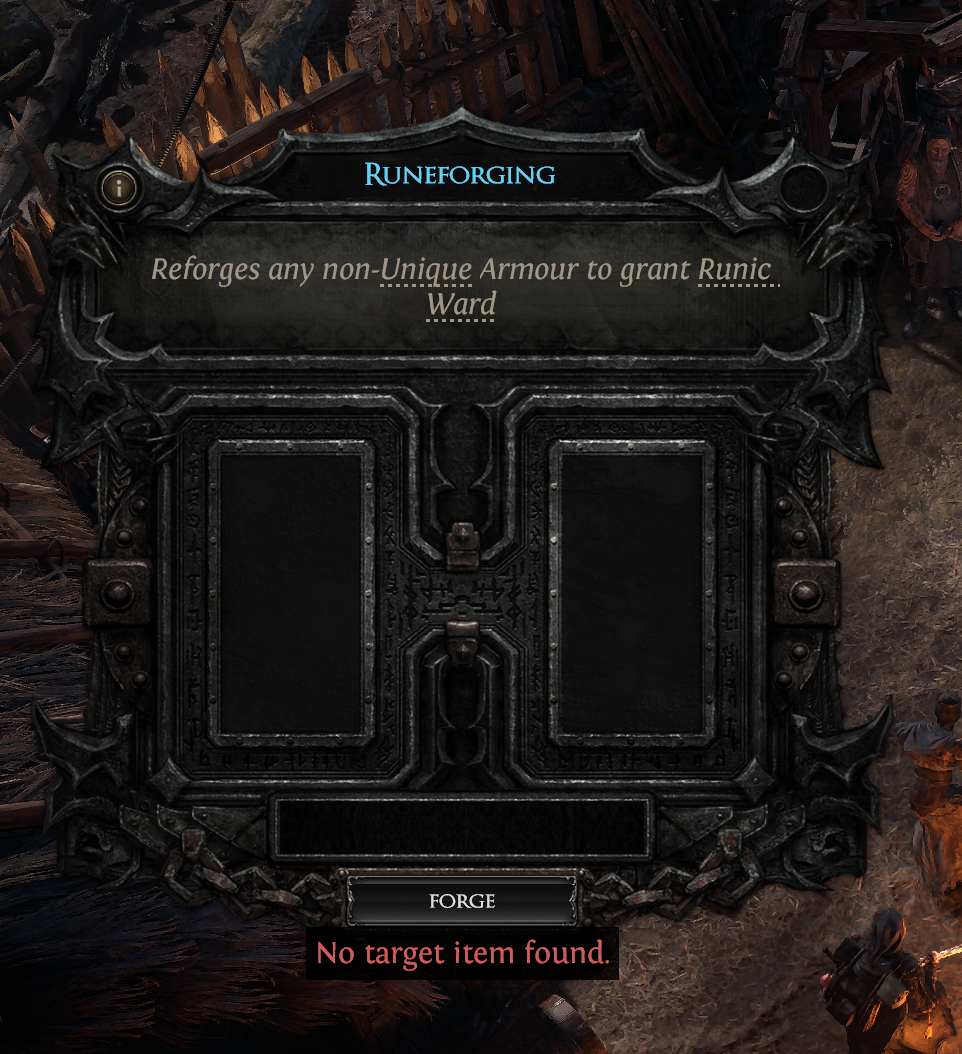
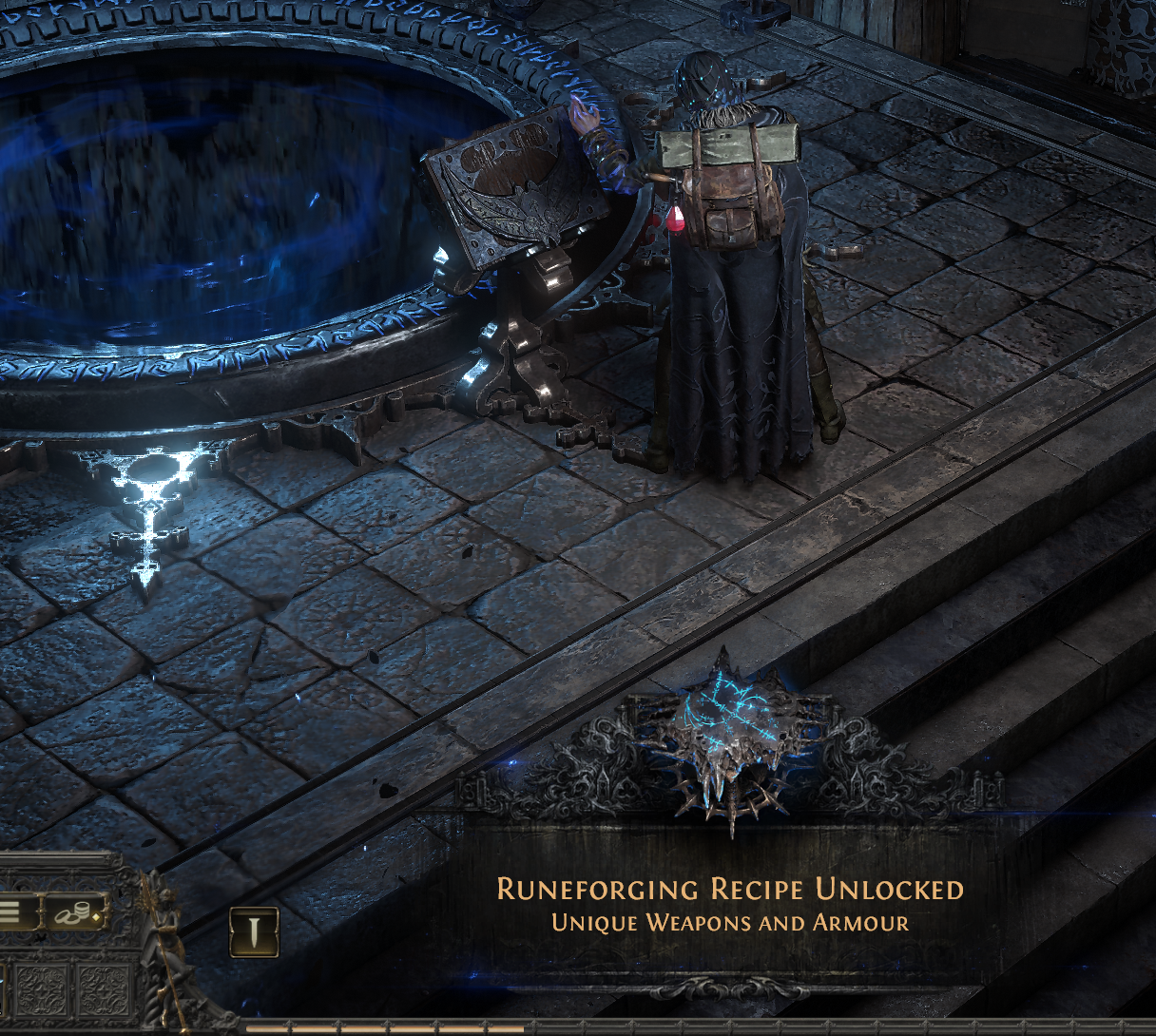
You acquire Runic Ward exclusively through Runeforged armor. Using Verisium (the league's primary currency), you can add Runic Ward to any piece of armor, including uniques. The amount you gain depends on the armor's base level. Below level 55, you get Ward for free with no stat tradeoff. At level 56 and above, Runeforging converts a portion of the armor's base defenses (armor, evasion, or energy shield) into Ward instead. This creates a genuine decision: do you sacrifice some mitigation for more Ward, or keep your base defenses intact?
Typical endgame builds stack somewhere between 600 to 2,500 Runic Ward depending on investment level and build type. Extreme builds pushing multiple layers of scaling can exceed 5,000, but that requires sacrificing other defensive layers substantially. The Reddit consensus is that most balanced builds land in the 1,000–1,500 range.
The New Runic Skill Cost Model: Trading Offense for Defense
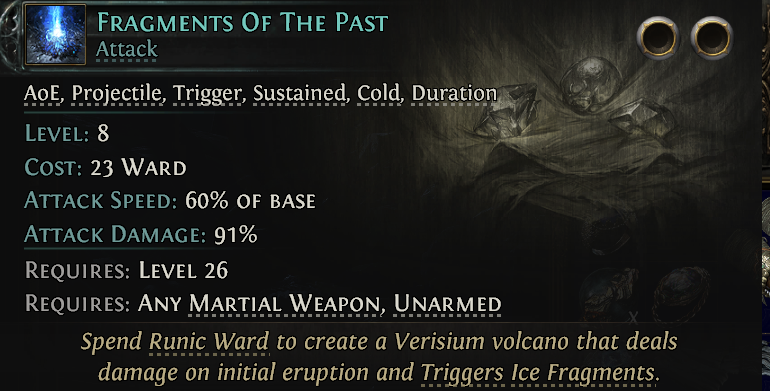
This is where runic skill cost becomes the central tension of any build using these abilities. Every Kalguuran skill has a Ward cost printed on it—and that cost is non-negotiable.
Take Triskelion Cascade, one of the most popular Kalguuran abilities discussed on Reddit. It costs 20 Ward per cast and grants a buff that causes your next area spell to hit in a six-pointed pattern instead of its normal area. You can cast it five times in quick succession before your Ward pool empties completely. That's not a bug—that's the mechanic forcing pacing decisions.
Or consider Runic Reprieve, a defensive channeled skill that costs 13 Ward per second. While channeling, you take 21% of damage from blocked hits and gain 100% increased stun threshold. But the cost is relentless. You cannot recover Ward while this skill is active, meaning every second you hold the button drains your defensive resource.
The genius (or cruelty, depending on your perspective) is that Ward costs aren't balanced around your damage output. They're balanced around your defensive investment. A player with 2,000 Runic Ward can cast Triskelion Cascade ten times before running dry. A player with 500 Ward can only cast it 25 times. The skill doesn't change—your resource pool does.
Key Kalguuran Abilities Explained: What Reddit Players Are Actually Using
Not all kalguuran abilities explained are created equal. Reddit's build theorycrafters have already identified which ones are worth building around and which are niche.
- Eternal March stands out as the most impactful minion-focused ability. It instantly revives your minions by spending Runic Ward, prioritizing the most powerful minions first. For summoner builds, this solves one of their core weaknesses: army recovery after a wipe. During a difficult boss fight, Eternal March becomes your panic button. Reddit's summoner community treats this as mandatory for any serious minion build.
- Triskelion Cascade is the burst multiplier. It costs 20 Ward, grants a 4-second buff, and causes your next area spell to split into six copies around you in a Triskelion pattern. The empowered spell deals 30% less damage and has 40% less area, but the sheer hit count potential makes it invaluable for AoE builds. The cooldown is tied to the empowered spell's cast time (800% added to cooldown), so faster spells enable faster recasts.
- Frostflame Nova costs 93 Ward and creates a wave of volatile ice that doesn't deal damage directly. Instead, it refreshes active Ignites on enemies and rapidly applies Freeze buildup, preventing further Ignition until the current Ignite expires. This is a niche but powerful tool for converting pure ignite stacking into mixed elemental ailment lockdown.
- Runic Reprieve is the pure defensive channel option. It costs 13 Ward per second, grants 80% less damage taken while channeling, and dramatically increases your stun threshold. You cannot recover Ward while active, which makes it a true resource sink. Reddit players debate endlessly whether the defensive value justifies the opportunity cost of holding down a button.
- Detonate Living is straightforward: hitting an enemy under the cull threshold causes them to explode, damaging surrounding enemies. It costs 59 Ward and highlights enemies you can cull. This is crowd control and execution rolled into one ability.
Runic Infusion: The Support Gem That Changed Everything
If you're reading Reddit threads about poe 2 new skills, you've probably seen Runic Infusion mentioned obsessively. This Kalguuran support gem is the most discussed piece of the 0.5 patch because it fundamentally changes how scaling works in PoE 2.
Here's what it does: Supported attacks cost an additional 20% of your maximum Runic Ward and deal added Physical damage equal to 25% of that Ward cost. Let's break the math. If you have 2,000 Runic Ward, each supported attack costs 400 extra Ward and deals 500 added Physical damage.
This is revolutionary for one reason: it's flat damage tied directly to gear. In PoE 1, supports that added flat damage were rare and controlled. In PoE 2, most flat damage comes from gear affixes or skill scaling. Runic Infusion bridges the gap by providing flat damage through a support gem, but tying it to your Runic Ward investment. That means low-level uniques with poor base damage suddenly become viable again—you can scale them through Ward instead of waiting for a higher-level version.
The Reddit math-crafting community estimates that with moderate Ward investment (around 2,000), you're looking at roughly 100 added Physical damage per attack. With extreme scaling, that could push to 200+. For attack-based builds, this is a legitimate damage multiplier that doesn't require sacrificing other support slots for pure damage.
The downside? You're spending your defensive resource to deal damage. Every attack that uses Runic Infusion drains your Ward pool, leaving you vulnerable until it regenerates. This creates the tension that makes the mechanic interesting: do you spam attacks and risk running dry, or do you pace your offense to maintain a safety buffer?
How Runic Ward Recovery and Regeneration Works
Understanding Ward costs is only half the battle. You also need to understand how Ward comes back, because if it regenerates too slowly, Kalguuran skills become unusable. If it regenerates too fast, they become mandatory.
Runic Ward regenerates on a fixed timer after breaking, typically 2 seconds. This is modified by "#% faster/slower Restoration of Ward" modifiers found on gear. Unlike Life or Energy Shield regeneration, Ward regeneration doesn't scale with your character's stats directly—it's tied to specific affixes and unique items.
You can also gain Ward on hit or on kill through specific runes and unique items. The Warding Rune of Protection, for example, grants Guard equal to 20% of your maximum Runic Ward every 4 seconds while active. Guard is a temporary damage absorption layer that stacks on top of your Ward pool, effectively giving you a way to pre-emptively boost your defense before taking hits.
Reddit players theorycrafting Ward builds are discovering that the real scaling vector isn't raw Ward amount—it's Ward recovery rate. A build with 1,000 Ward and fast recovery is more practical than a build with 3,000 Ward and slow recovery. The pacing of your skill usage has to match your Ward regeneration or you'll find yourself unable to cast your main abilities.
Building Around Runic Ward: Practical Scaling Strategies
So how do you actually construct a build that leverages runic skill mechanics effectively? Reddit's optimization community has already identified the core scaling vectors.
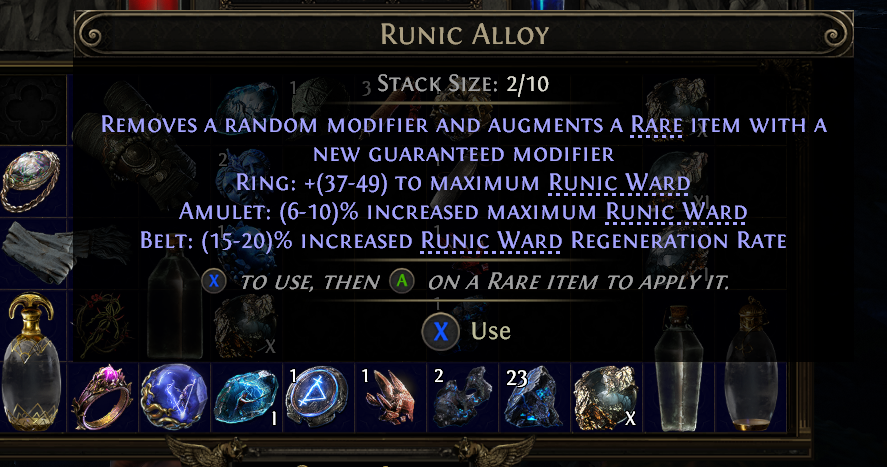
Maximum Runic Ward is the foundation. You want as much as possible without sacrificing critical defenses. Verisium Anvil is your first stop—it adds Runic Ward to armor for free below level 55, and with a defense tradeoff above that. Stack it across your armor pieces. Runic Alloys (crafting currency) can add Ward to rings and amulets. The Warding Rune of Bravado grants +1% to all maximum elemental resistances while on full Ward, which is both a scaling multiplier and a defensive bonus.
Runic Ward Regeneration is the second layer. Specific runes and uniques provide fixed regeneration amounts or percentage increases. Without adequate recovery, your Ward pool becomes a liability—you'll spend it faster than it comes back.
Reduced Ward Cost modifiers are the hidden scaling vector Reddit theorycrafters obsess over. If you can find gear or passive tree nodes that reduce Kalguuran skill costs, suddenly your Ward pool lasts longer. A 20% reduction to Triskelion Cascade's cost drops it from 20 Ward to 16 Ward—that's five extra casts per pool.
Class-Specific Scaling matters more than you'd think. Pathfinder has access to companion nodes that grant "+10% defenses when companion present" and attribute-to-defense conversion. Ranger can stack evasion and deflection alongside Ward. Witch gets access to spell scaling that synergizes with Kalguuran spells. The flexibility of colorless gems means you're not locked into a specific class anymore, but some classes still scale Ward more efficiently than others.
Kalguuran Abilities in Practice: Build Examples from Reddit
Theory is one thing. Actual builds are another. Here's what Reddit's community has validated as working:
Minion Revive Summoner uses Eternal March as a core ability. You stack Runic Ward on your character, then use Eternal March to instantly revive your army when they die. The build prioritizes maximum Ward, Ward regeneration, and minion survivability. The Reddit consensus is that this solves summoner's biggest problem: army downtime after boss phases.
Triskelion Cascade Caster pairs the ability with fast-casting spells like Twister or Spark. You cast Triskelion Cascade, then immediately cast your main spell to hit the six-point pattern. The cooldown is tied to your spell's cast time, so faster casting = more Cascades. The build requires Ward investment but doesn't necessarily need it for defense—it's purely an offensive resource.
Runic Infusion Attack Build uses the support gem to scale attack damage through Ward. You build toward 1,500–2,000 Ward, then use Runic Infusion on your main attack skill. The added damage from Ward cost scales linearly with your investment. The challenge is pacing your attacks to avoid running dry before Ward regenerates.
Runic Reprieve Tank channels the ability while your minions or allies deal damage. You take 21% of blocked damage, which is mitigated by your high Runic Ward pool and defensive layers. The build is inherently defensive and requires constant uptime on the channel, making it more of a group-play or minion-focused strategy.
How to Acquire Kalguuran Skills: The Remnant System
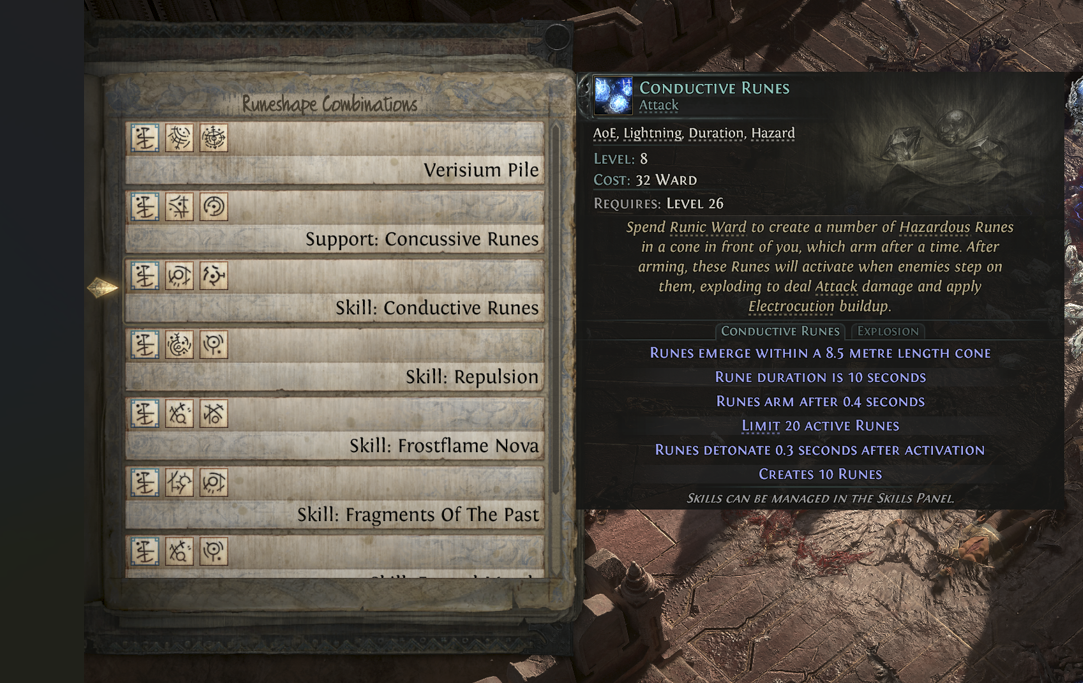
You don't find kalguuran abilities explained as regular drops. You craft them through Remnants—the Runes of Aldur league mechanic that defines the entire patch.
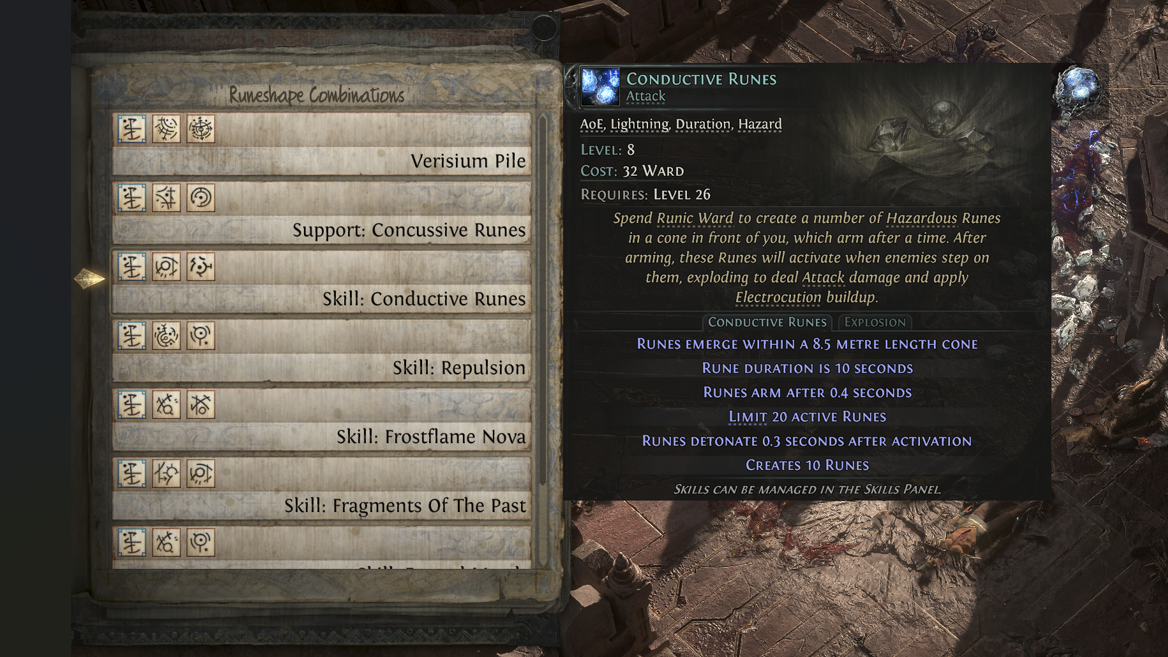
Remnants are ancient crafting stations scattered throughout zones. You interact with one, select a Runic Recipe from a predetermined list, socket runes into empty slots, then fight the empowered monsters that spawn. After defeating them, you get your reward—which could be currency, gear, or in this case, a Kalguuran skill gem.
Not every Remnant offers skill gems. You need to hit specific recipes that output gems as rewards. Reddit players have already mapped out which recipes produce which skills.
- The recipes scale with the number and type of runes you socket—more runes = stronger recipes = harder fights = better rewards.
The randomness is intentional. You can't just farm one specific Remnant and guarantee a skill gem. You have to run multiple encounters, select different recipes, and hope the skill you want appears. This is by design—GGG wants you engaging with the league mechanic repeatedly, not just grinding one optimal loop.
Once you have a Kalguuran skill gem, you can socket it into any item with a socket. No color matching required. No attribute requirements. This flexibility means you can pivot your build mid-campaign or respec into Kalguuran abilities without needing a complete gear overhaul.
Kalguuran Uniques and Synergy Items
Beyond the skills themselves, there's an entire ecosystem of Kalguuran-themed unique items designed to synergize with runic skill mechanics. These aren't just flavor—they're core to scaling these builds optimally.
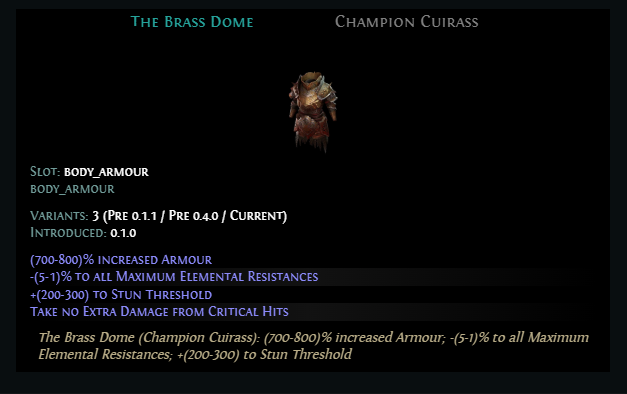
Corrupted Brass Dome is the standout armor. It converts nearly all of its base armor into Runic Ward—we're talking close to 1,000 Ward from a single piece. You can socket multiple Runic Ward runes into its sockets to amplify that even further. The Reddit consensus is that Brass Dome is mandatory for any serious Ward-stacking build.
Kalguuran-themed weapons don't exist yet (or weren't revealed pre-0.5), but unique weapons can be Runeforged to upgrade their base damage and add Runic Ward scaling. This makes old uniques viable again—you can take a low-level unique you found early and Runeforge it to endgame-relevant damage levels.
The Warding Runes are the real game-changers. Socketed into armor, they provide fixed bonuses tied to your Ward state. Warding Rune of Bravado adds +1% to all maximum elemental resistances while on full Ward. Warding Rune of Protection grants Guard equal to 20% of maximum Ward every 4 seconds. These aren't just defensive—they're scaling multipliers that reward building around Ward.
Common Mistakes Reddit Players Make with Runic Skills
The Reddit community has already identified recurring pitfalls when building with Kalguuran abilities. Learn from their mistakes.
Ignoring Ward Recovery. You can't just stack maximum Ward and call it done. If your Ward regenerates too slowly, you'll run out mid-fight and have no resource to spend on skills. Always pair Ward investment with regeneration or recovery mechanics.
Forgetting the Defense/Offense Tension. Runic Ward is your defensive resource. Every point you spend on a Kalguuran skill is a point you're not defending yourself with. You can't treat Ward like mana—it's a finite pool that has real defensive value. Balance accordingly.
Overinvesting in Ward at the Cost of Life. Some Reddit players got greedy and stacked 3,000+ Ward while dropping their Life pool to 1,500. That's a trap. Runic Ward only activates after your Life reaches 1—if your Life is too low, you die before Ward even kicks in. Maintain a healthy Life pool first, then layer Ward on top.
Not Scaling Skill-Specific Synergies. Triskelion Cascade needs fast cast time to cycle cooldowns efficiently. Runic Infusion needs attack speed to maximize damage output. Eternal March needs minion survivability to make the revives worthwhile. Don't just slot the skills and hope—build around their specific mechanics.
Underestimating Attribute Flexibility. Because Kalguuran skills have no color or attribute requirements, you can use them on any class. But that doesn't mean every class scales them equally. Pathfinder gets better Ward scaling through companion nodes. Witch gets better spell scaling through spell tree nodes. Choose your class based on what synergizes with your specific skill selection.
The Future of Runic Skills: What Reddit Expects from Patches
The Runes of Aldur patch is live, but the conversation on Reddit is already shifting toward balance predictions. What's going to get nerfed? What's underrated?
Runic Infusion is the obvious target. The community consensus is that this support gem is overtuned for the damage it provides with minimal investment. Expect nerfs to either the Ward cost reduction, the damage scaling, or both. The Reddit prediction is that it'll shift from "deal 25% of Ward cost as damage" to something closer to "deal 15%," which would still be valuable but less game-breaking.
Triskelion Cascade might see cooldown adjustments. Currently, the cooldown is tied to your spell's cast time (800% added), which means faster spells enable faster recasts. If you're using a 0.4-second cast spell, you're cycling Cascades constantly. Expect either the multiplier to increase or the cooldown formula to change.
Eternal March could see Ward cost scaling changes. Currently, it spends up to 853 Ward to revive minions with total life equal to 20x the Ward spent. That's a fixed exchange rate. If summoner builds become too dominant, expect this to scale with something like "cost 50% more Ward per revived minion" to make spam-reviving less viable.
What Reddit players are betting on is that GGG won't fundamentally break these mechanics—they'll tune them into balance. The 0.5 patch was designed around Kalguuran skills being core to the game's future. Complete removal or radical reworking is unlikely.
Conclusion: Why Runic Skills Matter to PoE 2 Reddit Right Now
Kalguuran abilities and runic skill mechanics represent a philosophical shift in how Path of Exile 2 approaches resource management and build design. For the first time, your defensive layer directly fuels your offense. There's no color gatekeeping. There's no attribute requirement. The only barrier is understanding how to scale Runic Ward efficiently and pacing your ability usage around regeneration timers.
The Reddit community is obsessed because this opens build possibilities that were impossible before. A Ranger can now cast Eternal March without needing to respec into Intelligence. A Witch can use Runic Infusion without needing Strength gear. A Marauder can leverage spell-based Kalguuran abilities without sacrificing weapon damage.
That flexibility, combined with the genuine strategic depth of managing a shared resource between offense and defense, makes these skills feel fresh even for veterans who've played thousands of hours. The PoE 2 Reddit isn't hyping Kalguuran abilities because they're overpowered—they're hyping them because they're interesting.
If you're looking to engage with the Return of the Ancients patch, understanding runic skill mechanics isn't optional. It's the foundation of what makes 0.5 different from everything that came before. Build around them, scale them intelligently, and you'll find yourself exploring build archetypes that PoE has never allowed before.
Câu hỏi thường gặp về Path of Exile 2
- Ngày phát hành Path of Exile 2 là khi nào?
- Path of Exile 2 dự kiến phát hành vào ngày 6/12/2024.
- Path of Exile 2 chơi được trên nền tảng nào?
- Path of Exile 2 hỗ trợ: Xbox Series X|S, PC (Microsoft Windows), PlayStation 5, Mac.
- Path of Exile 2 thuộc thể loại gì?
- Path of Exile 2 thuộc thể loại: Role-playing (RPG), Hack and slash/Beat 'em up, Adventure.
- Có trailer chính thức của Path of Exile 2 không?
- Có. Bạn có thể xem trailer của Path of Exile 2 ngay trên trang này ở phần video.
Khám phá thêm
PoE 2 Patch Notes 0.5.2 Summary: Every Change That Matters for Your Build
Path of Exile 2 patch 0.5.2 dropped on June 12, 2026, and it's one of the more player-friendly mid-league updates GGG has put out. Delirium got easier, Runes of Aldur rewards got better, a wave of monsters got their damage tuned down — and there was a brief, chaotic moment where Gemling Legionnaire nearly got quietly gutted before GGG walked it back. Here's everything that actually matters for your build.
PoE 2 Crafts: The Complete Runeforging & Runic Ward Guide for Patch 0.5
Master PoE crafts in patch 0.5: Complete Runeforging & Runic Ward guide. Learn verisium farming, ezomyte runesmithing, unique upgrades & crafting strategies.
PoE 2 Runic Support Gems: Reddit's Best Builds & Scaling Tips (Patch 0.5)
Patch 0.5 introduced Runic Support Gems that let any class use any skill. Discover Reddit's best builds, Runic Infusion scaling strategies, and how to optimize Ward-based damage for endgame.
Path of Exile Reddit: Runic Skills, Builds & Community Troubleshooting Guide
Path of Exile Reddit has dissected the new Runic Skills system since Patch 0.5. This guide pulls together the community's best tips, proven Kalguuran builds, and troubleshooting advice for Ward optimization and Runic skill mechanics.