
Phantom Blade Zero vs. Sekiro: How the Anticipated Action RPG Compares to FromSoftware's Masterpiece
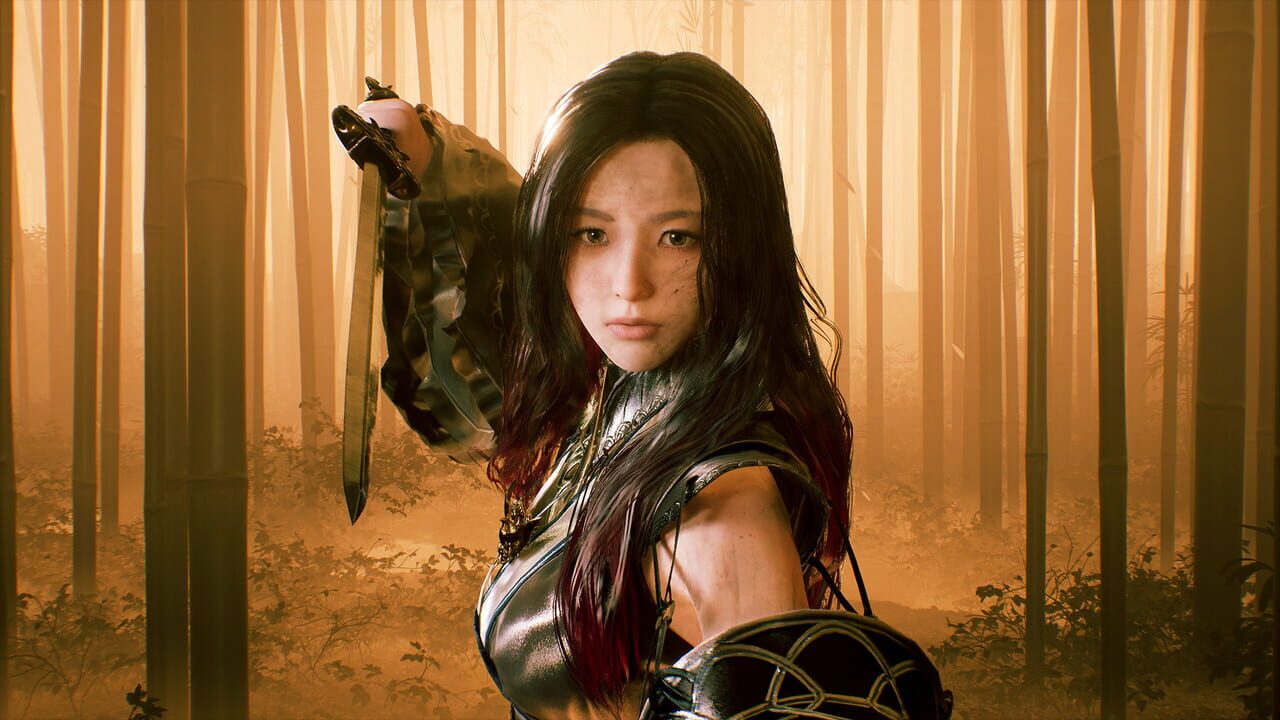
Phantom Blade Zero vs Sekiro: combat, difficulty, world design and story compared. How does S-Game's 2026 wuxia RPG stack up to FromSoftware's classic?
Game nổi bật trong bài viết
Xem tất cả game »
Phantom Blade 0
Phantom Blade 0 là một game hành động nhập vai (RPG) với phong cách nghệ thuật sâu sắc và tối tăm, cùng với combat nhanh chóng. Người chơi sẽ vào vai một sát thủ bị lưu đày, khám phá thế giới giả tưởng kết hợp giữa võ thuật Trung Quốc và steampunk.
Role-playing (RPG)Hack and slash/Beat 'em upAdventurePhát hành: 9/9/2026Mở »
Sekiro: Shadows Die Twice
Đang cập nhật mô tả.
AdventurePhát hành: 22/3/2019Mở »
Phantom Blade Zero vs. Sekiro: How the Anticipated Action RPG Compares to FromSoftware's Masterpiece
The moment Phantom Blade Zero's debut trailer dropped at the PlayStation Showcase in 2023, the internet had one unanimous reaction: that looks like Sekiro on steroids. The parry-centric combat, the lightning-fast swordplay, the color-coded enemy attacks — the DNA was unmistakable. But as more gameplay has surfaced ahead of the game's September 9, 2026 release, the full picture has become far more nuanced. The Phantom Blade Zero vs. Sekiro comparison is worth making carefully, because while the two games share a spiritual bloodline, they are fundamentally different beasts built around different philosophies.
The Origins: Two Studios, Two Visions
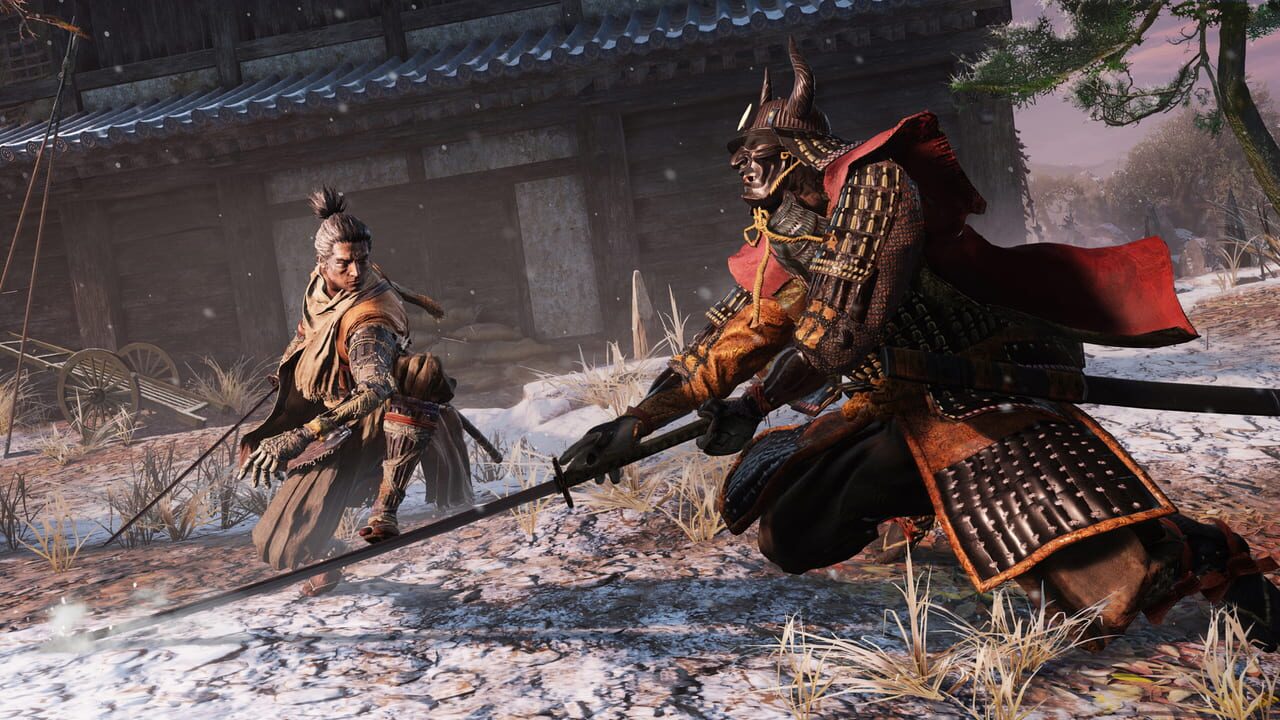
Sekiro: Shadows Die Twice launched on March 22, 2019, developed by FromSoftware under the direction of Hidetaka Miyazaki. It was a deliberate departure from the Dark Souls formula — a single fixed protagonist, no character builds, no multiplayer, and a combat system built entirely around the rhythm of deflection and posture. It won the Game Award for Game of the Year in 2019 and has sold over ten million copies as of 2023, cementing its status as one of the most influential action games of the modern era.
Phantom Blade Zero comes from S-Game, a Beijing-based studio led by CEO Soulframe Liang. The project is rooted in Liang's own history — it's a spiritual evolution of a 2D RPG Maker game he made in 2010 called Rainblood: Town of Death, and it builds on the mobile Phantom Blade series that followed. After early 3D development stalled in 2018, the project was revived in 2021 with Unreal Engine 5 backing from partners including Tencent. The game's 2023 PlayStation Showcase appearance dramatically raised its profile and pushed S-Game to scale the project into a full AAA release.
The two games share a common ancestor in the parry-focused action genre, but their studios' backgrounds — FromSoftware's decades of punishing design philosophy versus S-Game's roots in mobile action and wuxia cinema — shape every design decision that follows.
Phantom Blade Zero vs. Sekiro: Combat Philosophy
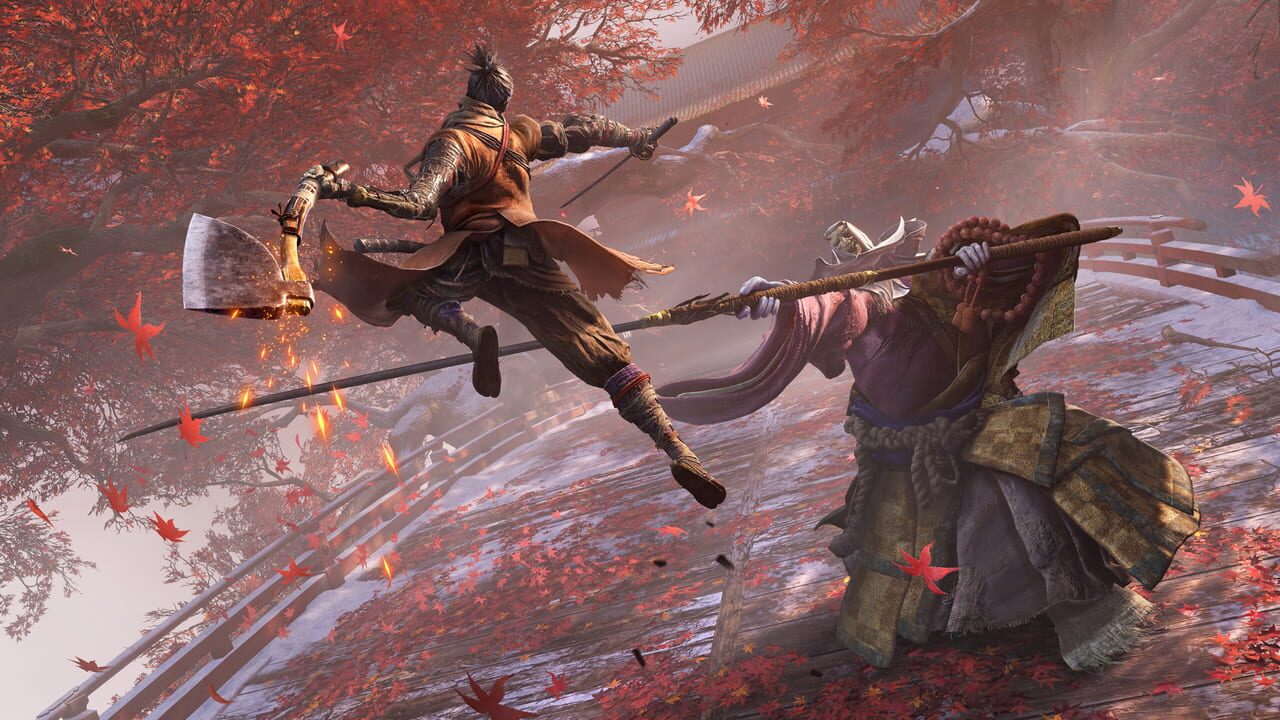
This is where the comparison gets most interesting — and where the two games diverge most sharply.
Sekiro's Combat: Pure Posture Chess
Sekiro's combat is a masterclass in singular focus. Wolf has one primary weapon — his katana — and a prosthetic tool arm for utility. Every fight is a duel of posture management: you deflect enemy attacks to fill their Posture gauge, and they do the same to you. Blocking without deflecting drains your own Posture. The entire system demands you stay aggressive, reading enemy rhythms and committing to deflections rather than retreating. Perilous attacks marked with a red kanji force you to make split-second decisions: dodge the sweep, jump the grab, or Mikiri Counter the thrust. There is no build variety, no stat investment, no alternative approach. You learn the dance, or you die.
This purity is Sekiro's greatest strength and its most divisive quality. The game offers no difficulty settings, no summons, and no way to grind past a wall. Every boss is a knowledge test.
Phantom Blade Zero's Combat: Stylish Flexibility
Phantom Blade Zero keeps the skeleton of Sekiro's system but rebuilds the flesh entirely. The core resource is Sha-Chi — a stamina-like gauge that functions similarly to Sekiro's Posture but with key differences. Basic blocking drains Sha-Chi, but successful parries do not. If your Sha-Chi depletes, you suffer a guard break and cannot defend until it recovers. The incentive to parry is the same, but the punishment for passive play is more gradual.
Enemy attacks use a color-coded system that echoes Sekiro's perilous attacks: blue attacks are blockable but drain heavy Sha-Chi and reward a powerful counter if parried; red attacks are unblockable and must be dodged, with a counterattack window for perfect timing. The Mikiri Counter equivalent is present — reviewers who played the game noted Soul performing his own version of the technique against thrust attacks
Where Phantom Blade Zero fundamentally departs from Sekiro is in its weapon variety and combo expressiveness. Soul carries two primary blades and two Phantom Edges simultaneously. Primary blades — covering regular swords, longswords, and dual swords — each have unique movesets, dial-a-combos, and a "Power Surge" ultimate ability. Phantom Edges are secondary utility weapons: cannons, axes, lances, hammers, bows, and more, each serving a distinct tactical role. In total, the game offers over 30 primary weapons and 20+ Phantom Edges, according to AllThings.how.
Crucially, Phantom Blade Zero is also more forgiving about canceling out of attack strings into defense. Sekiro and Stellar Blade force you to commit to your offensive windows and penalize aggression at the wrong moment, while Phantom Blade Zero lets you cancel combos into a block or parry more freely. The parry windows are also more generous than Sekiro's — though they reportedly tighten significantly on the highest difficulty setting.
The Closest Comparison Is Not Sekiro
After hands-on time with the game, that Phantom Blade Zero feels more like Team Ninja's Wo Long: Fallen Dynasty in spirit — taking Sekiro's trappings and reinventing them into a wuxia action romp with the flair of Godhand or Devil May Cry. Rock Paper Shotgun's hands-on went further, arguing the game owes more to Ninja Gaiden than to any Soulslike. The combat is faster, flashier, and more combo-driven than Sekiro ever was — closer to a character action game wearing a parry-game's clothes.
Difficulty and Accessibility
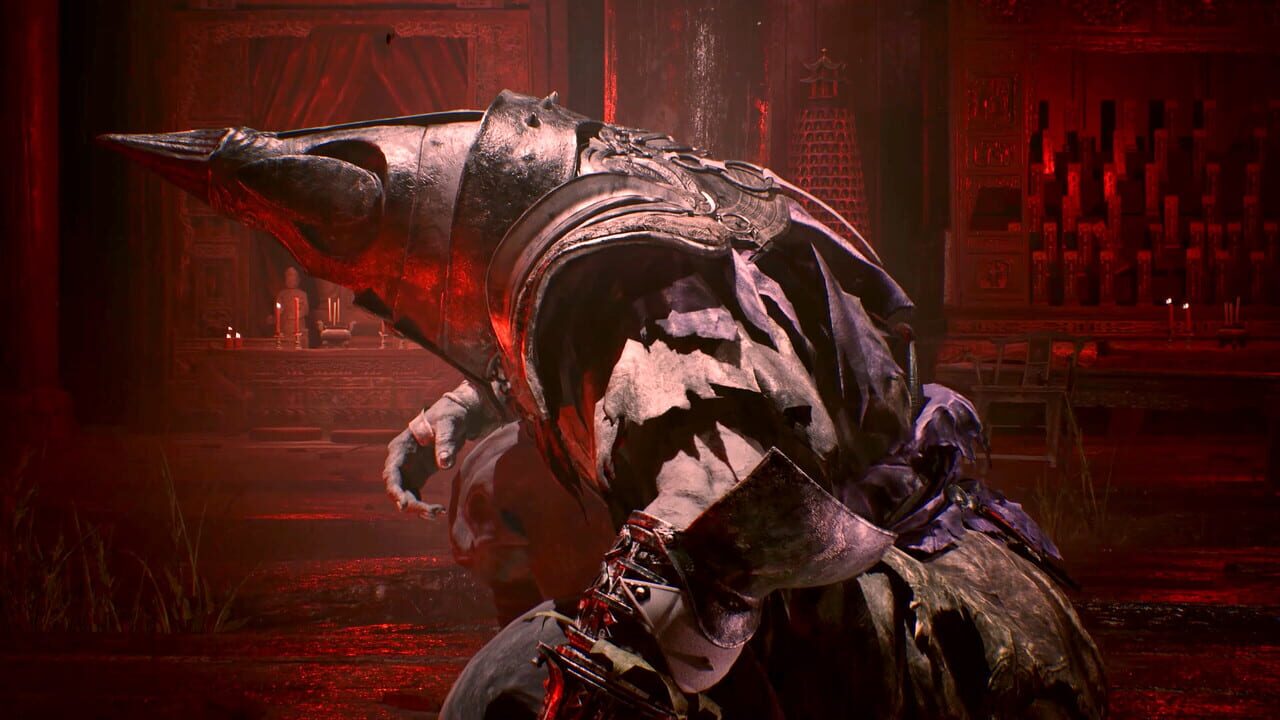
This is perhaps the starkest philosophical divide between the two games. Sekiro has no difficulty options. FromSoftware's position has always been that the challenge is inseparable from the experience — the relief of finally defeating Genichiro or Isshin is only possible because the game refused to let you lower the bar. It's a design stance that earned enormous respect and equally enormous frustration.
Phantom Blade Zero takes the opposite approach. The game launches with four difficulty modes — Easy, Normal, Difficult, and Very Difficult — and S-Game has been explicit that accessibility is a priority. The difficulty settings don't just adjust damage numbers; they modify enemy AI behavior, with higher difficulties pushing enemies into more reactive, fighting-game-like patterns that assess your spacing and habits dynamically.
The game also includes a boss checkpoint system: if a boss has two phases and you die in phase two, you restart from phase two rather than repeating phase one. This is a significant quality-of-life concession that Sekiro never offered. A dedicated Boss Rush mode is also confirmed, letting players replay all campaign bosses plus hidden exclusive encounters — a feature Sekiro added only in a post-launch update.
The trade-off is that many players who have spent time with Phantom Blade Zero's demo builds have described the game as "quite easy" on standard difficulty. Whether the higher modes deliver the same white-knuckle tension as Sekiro remains to be seen at launch.
World Design and Exploration
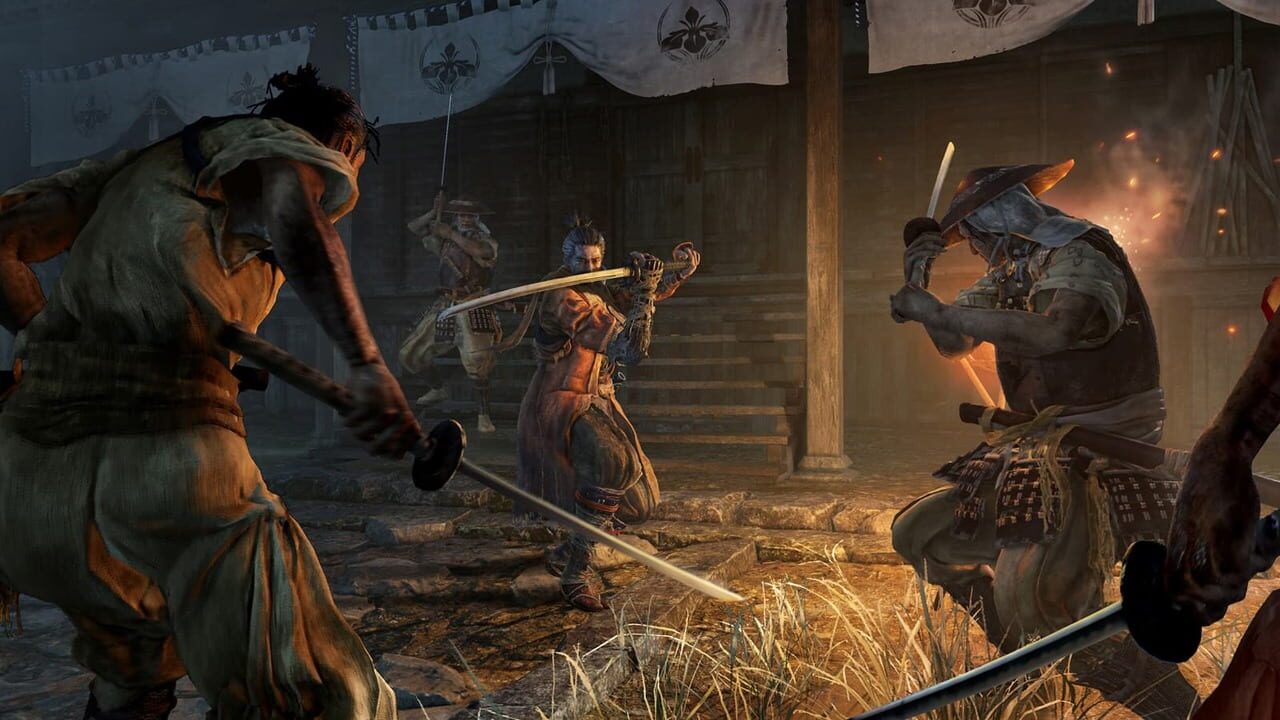
Both games use interconnected world design rather than open-world sandboxes, and this is one area where the comparison holds up most cleanly.
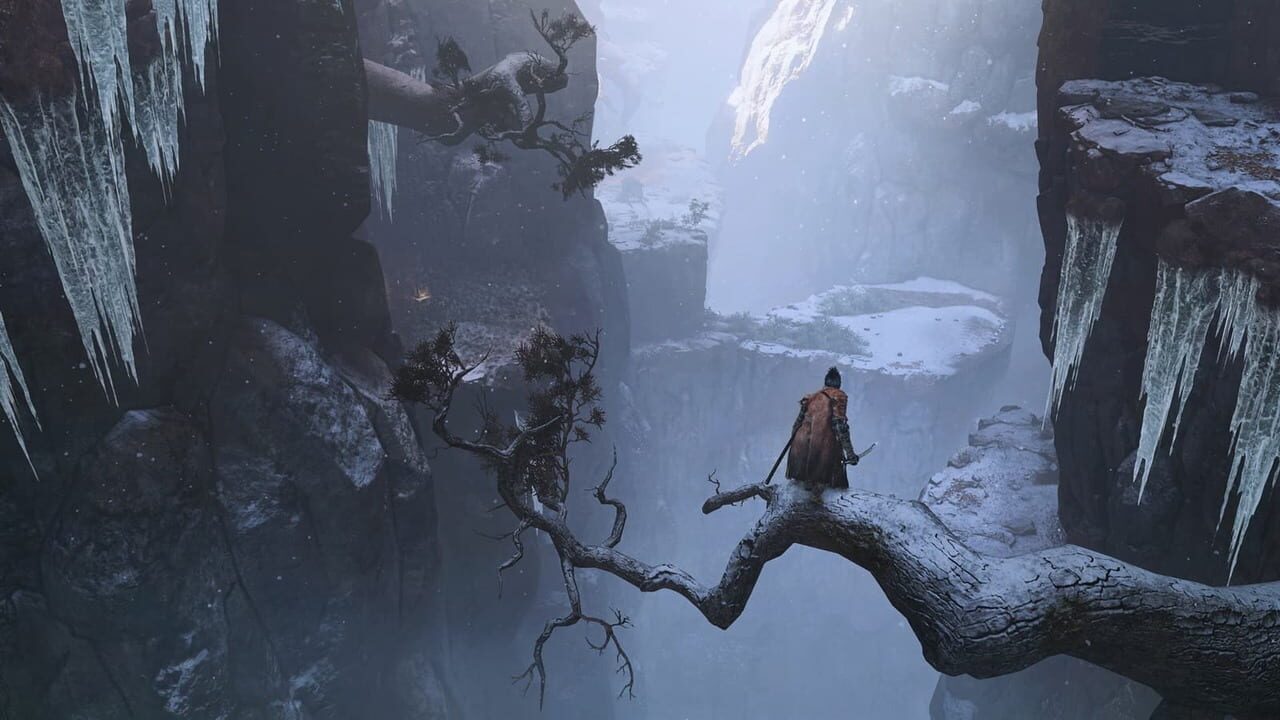
Sekiro's world — a fictionalized Sengoku-period Japan — is a dense, vertically layered environment where Wolf's grappling hook transforms traversal into a skill of its own. Areas loop back on themselves, shortcuts unlock as you progress, and the world feels like a living, breathing place rather than a series of corridors. There are no quest markers, no map icons, and exploration is rewarded through careful observation.
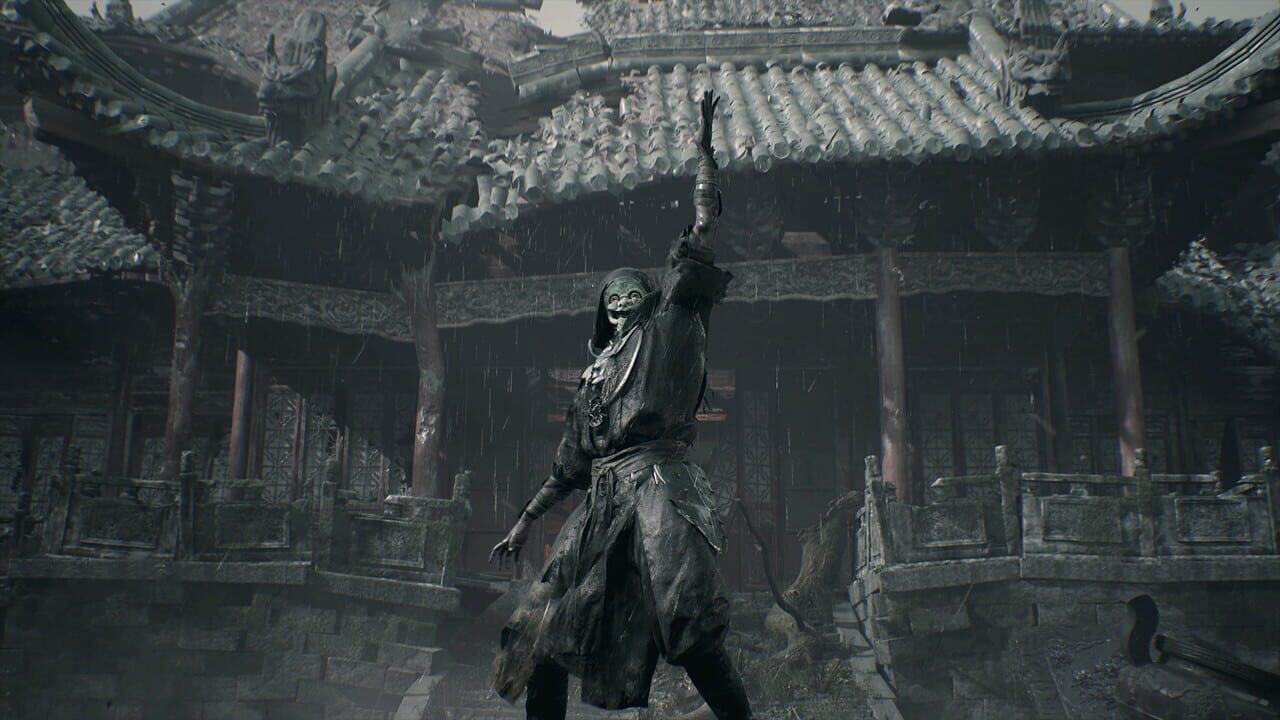
Phantom Blade Zero uses a semi-open world split into large, interconnected regions. Multiple routes and shortcuts connect areas in a way that recalls earlier Souls games, and some zones are locked until you acquire specific weapons or abilities. S-Game has promised hidden secrets tucked into obscure corners, and the game includes stealth mechanics — including chain assassinations on up to two enemies simultaneously — that echo Sekiro's own infiltration sequences. The world itself is built on a "kungfupunk" aesthetic: Ming dynasty-inspired Chinese architecture fused with steampunk machinery, dark fantasy horror, and folk ritual imagery. It's visually distinct from anything FromSoftware has made.
One key structural difference: checkpoints in Phantom Blade Zero do not respawn enemies. Enemies only return if you leave the area entirely. This is a significant departure from Sekiro's Sculptor's Idols, which reset all enemies on rest. The implications for pacing and resource management are substantial — Phantom Blade Zero's world feels less like a gauntlet to be repeatedly run and more like a space to be explored and cleared.
Story and Narrative Approach
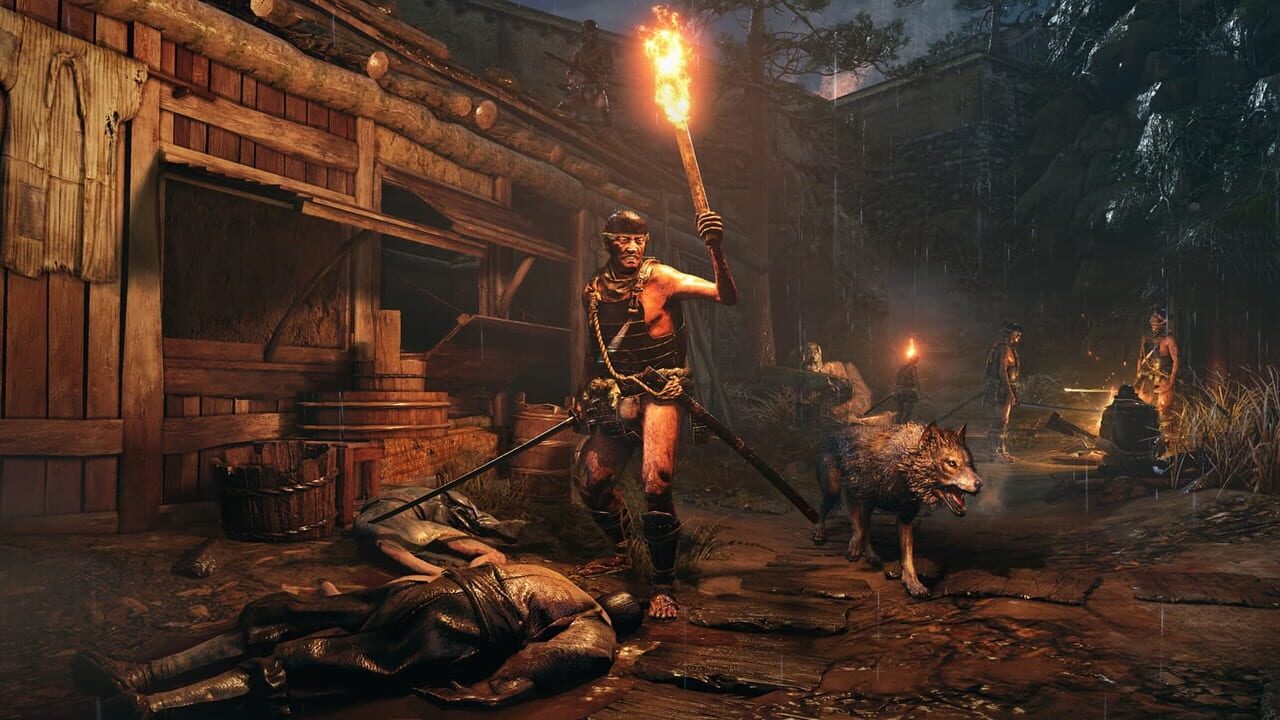
Sekiro's narrative is delivered in FromSoftware's signature cryptic style — lore embedded in item descriptions, fragmented NPC dialogue, and environmental storytelling. The story of Wolf, his lord Kuro, and the immortality-seeking Ashina clan is rich and thematically resonant, but it demands active engagement from the player to piece together. There is one primary ending path with variations, and the story's emotional weight is inseparable from the difficulty of the journey.
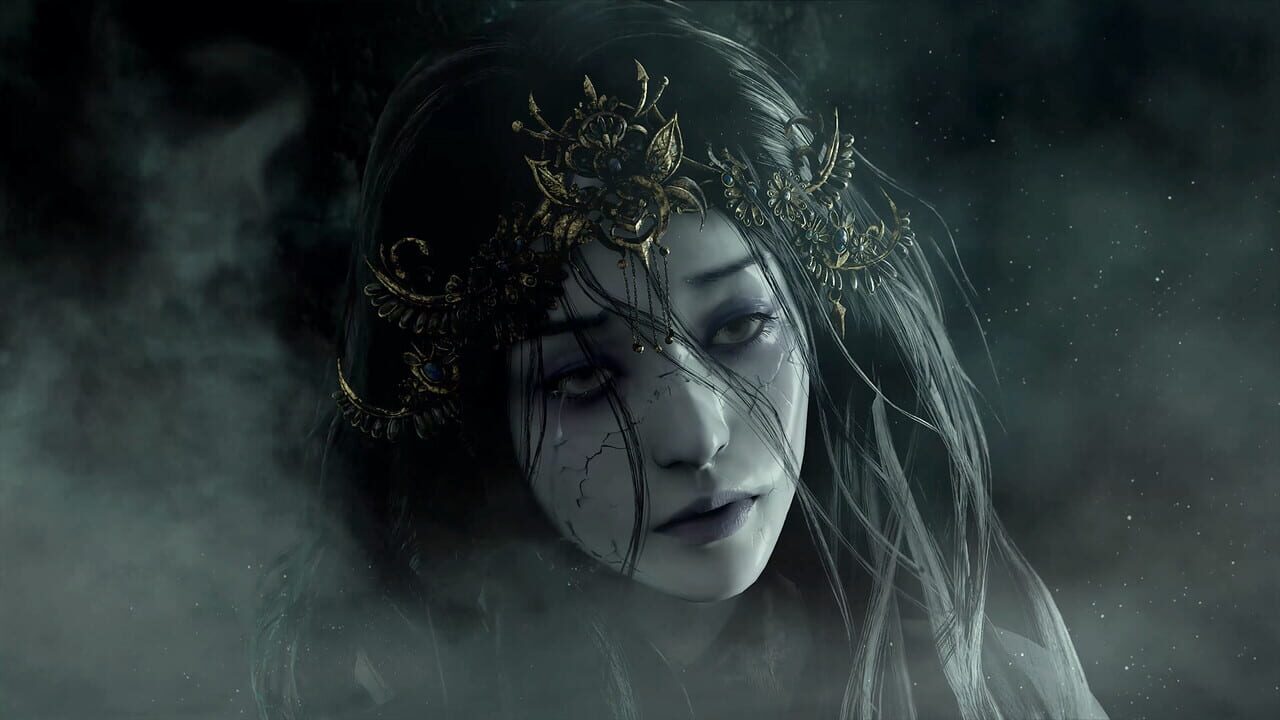
Phantom Blade Zero is more direct. You play as Soul, an elite assassin of a secretive organization called The Order, who is framed for the murder of the patriarch, mortally wounded during the ensuing manhunt, and left with only 66 days to live after a healer's imperfect cure. The 66-day countdown is both a narrative hook and a structural device — the campaign unfolds under that ticking clock as Soul hunts for the truth behind the conspiracy.
S-Game has confirmed eight different endings, determined not by binary choices but by how thoroughly you explore, which side quests you complete, and which items you collect — a system closer to Mass Effect's cumulative consequence model than Sekiro's branching paths. The main campaign is estimated at 20–30 hours, with roughly 20 additional hours of side content. The tone leans darker than traditional wuxia, with horror elements and psychological tension layered over political conspiracy — drawing tonal comparisons to Resident Evil and Alan Wake.
RPG Systems and Progression
Sekiro strips RPG systems to near zero. There are no stats to level, no gear to equip, and no builds to theorize. Progression comes through Skill Points (used to unlock combat arts and passive abilities), Prayer Beads (which increase Vitality and Posture), and Gourd Seeds (which improve your healing flask). The game is about mastery of a fixed toolkit, not customization of a flexible one.
Phantom Blade Zero takes a middle path. There is no traditional leveling or gear system with stats, but the game includes items that increase health, power, and other attributes. Each weapon has its own skill tree, and Power Surge ultimate abilities add a layer of build expression. The Phantom Edge system — with its 20+ utility weapons — creates meaningful loadout decisions before and during encounters. Weapon switching carries a cooldown (reportedly around 10–12 seconds in recent builds, though upgrades can reduce this), making your choice of active weapons a tactical consideration rather than a free-form juggle.
The absence of grinding and traditional RPG progression is a deliberate choice by S-Game. The studio has stated they want to avoid the grind loop entirely, keeping the focus on combat mastery and exploration rather than stat accumulation.
Technical Presentation
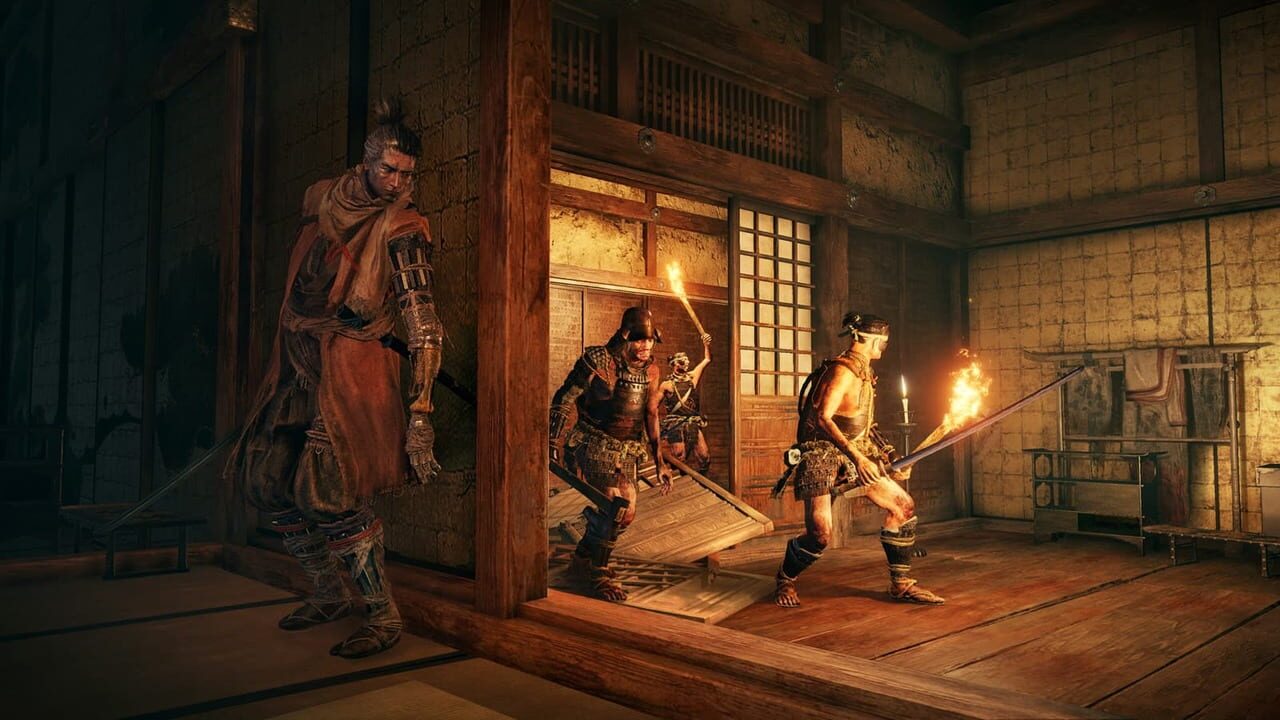
Sekiro, released in 2019, was a technical achievement for its time — fluid animations, excellent art direction, and a performance that held up well even on base PS4 hardware. It remains visually impressive today, particularly in its environmental design and character animation.
Phantom Blade Zero is built on Unreal Engine 5 with Nanite geometry and Lumen global illumination, targeting PS5 and high-end PC hardware. The visual gap is substantial. Motion capture was performed with real martial arts practitioners under the direction of action director Kenji Tanigaki, known for his work on Hong Kong kung fu films, alongside martial arts director Master Yang. The result is animation quality that reviewers have consistently described as stunning — attacks carry genuine weight and fluidity that is rare in the genre.
Phantom Blade Zero vs. Sekiro: Quick Comparison
| Feature | Sekiro: Shadows Die Twice | Phantom Blade Zero |
|---|---|---|
| Developer | FromSoftware | S-Game |
| Release Year | 2019 | September 9, 2026 |
| Core Combat | Posture / deflection duels | Sha-Chi / parry + combo chains |
| Weapon Variety | One katana + prosthetic tools | 30+ blades + 20+ Phantom Edges |
| Difficulty Options | None | 4 modes + unlockable Hellwalker |
| World Design | Interconnected, enemies respawn on rest | Semi-open, no respawn at checkpoints |
| Endings | 4 main endings | 8 endings |
| Campaign Length | ~30–40 hours | 20–30 hrs + ~20 hrs side content |
| Closest Comparison | Unique / genre-defining | Wo Long + Ninja Gaiden + DMC |
| Platforms | PS4/5, Xbox, PC | PS5 (timed exclusive), PC |
The Verdict: Different Games, Same Itch
The Phantom Blade Zero vs. Sekiro debate ultimately comes down to what you want from a parry-centric action game. Sekiro is a singular, uncompromising vision — one weapon, one protagonist, one difficulty, and a combat system so perfectly tuned that seven years later nothing has fully replicated it. Its purity is its power.
Phantom Blade Zero is aiming for something broader and more spectacular. It borrows Sekiro's color-coded attack system, its Posture-equivalent mechanic, its stealth assassinations, and its interconnected world design — then layers on weapon variety, combo expressiveness, accessibility options, and cinematic flair drawn from wuxia cinema and character action games. It is less a Sekiro successor and more a Sekiro-inspired action game that has absorbed lessons from Ninja Gaiden, Devil May Cry, and Wo Long: Fallen Dynasty in equal measure.
Whether that makes it better or worse depends entirely on your preferences. If you want the pure, unforgiving duel of Sekiro's posture chess, Phantom Blade Zero may feel too generous, too flashy, or too easy on standard settings. If you bounced off Sekiro's difficulty wall but loved its aesthetic and rhythm, Phantom Blade Zero could be exactly the game you've been waiting for.
What is certain is that when Phantom Blade Zero releases on September 9, 2026 for PS5 and PC, it will be one of the most significant tests of whether a non-FromSoftware studio can take the genre's most demanding template and make it sing in a new key. Based on everything we've seen so far, S-Game has a genuine shot at pulling it off.
Game được nhắc đến


Khám phá thêm
PS5 State of Play Games 2026: Complete List of All Announced Titles
Complete list of PS5 State of Play games announced June 2, 2026. Marvel's Wolverine, God of War Laufey, Until Dawn 2, and 20+ more titles with release dates.
Game hành động nhập vai Trung Quốc gây bão
Trên mạng xã hội, đội ngũ phát triển S-GAME đã công khai gửi lời cảm ơn tới cộng đồng game thủ vì sự ủng hộ “áp đảo”, đồng thời chúc người chơi một năm mới nhiều niềm vui. Đây không chỉ là một cột mốc truyền thông, mà còn là dấu hiệu cho thấy Phantom Blade Zero đang trở thành một trong những game hành động nhập vai được mong đợi nhất của thế hệ console tiếp theo.