
Control Resonant Release Date, Gameplay & Everything You Need to Know
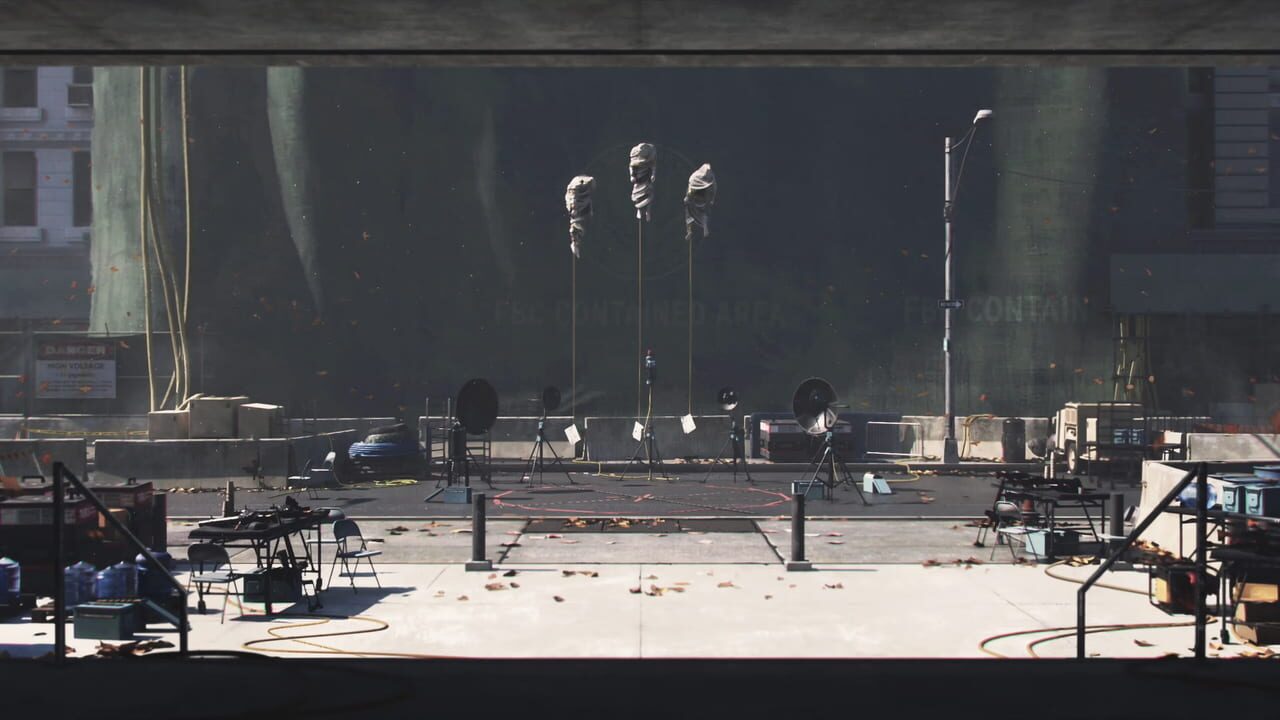
Control Resonant is coming September 24, 2026, and it's a fundamental reimagining of the Control franchise. This melee-driven action RPG shifts from Jesse Faden to her brother Dylan, trading gunplay for aggressive close-quarters combat in a gravity-defying Manhattan. Here's everything you need to know.

Control Resonant Release Date, Gameplay & Everything You Need to Know
Control Resonant is coming on September 24, 2026, and this isn't just another Remedy action game—it's a fundamental reimagining of what Control can be. After seven years of waiting, fans are finally getting their hands on the sequel to the 2019 cult classic, and the shift from Jesse Faden to her brother Dylan represents far more than a protagonist swap. This is a melee-driven action RPG that ditches the gun-focused third-person shooter formula entirely, trading it for a visceral, close-quarters combat system built around a shapeshifting weapon called the Aberrant. The Control Resonant release date was officially confirmed during PlayStation's State of Play in June 2026, and pre-orders are already live across all platforms.
What Remedy is building here feels genuinely ambitious. The studio has spent years crafting something that respects the DNA of the original Control while pushing into completely new territory. Manhattan itself becomes a character—a twisted, gravity-defying nightmare where architecture folds in on itself and entire districts feel like they're tearing apart at the seams. This is Control Resonant game design at its most experimental, and the team isn't holding back.
Control Resonant Release Date & Platforms
Mark your calendar: Control Resonant releases on September 24, 2026. The game is launching simultaneously across PC (Steam and Epic Games Store), PlayStation 5, and Xbox Series X|S. A macOS version will follow later in 2026. This is Remedy self-publishing, which means the studio has total creative control and is betting heavily on this being one of their biggest launches ever.
Pricing is refreshingly consumer-friendly. The standard edition costs $59.99—a full $10 cheaper than the current AAA norm of $69.99. If you want extra in-game content, the Digital Deluxe Edition runs $69.99. PlayStation players get an exclusive bonus: those who grab the PS5 Digital Deluxe Edition get 48 hours of early access, meaning you can jump in on September 22. Xbox and PC players have to wait until the official launch date.
Pre-orders are live now, and every edition includes the Hiss Corruption Outfit and Pickpocket's Tool Artifact as bonuses. The early access window is PS5-exclusive, which has sparked some debate in the community—but if you're on PlayStation and want to get ahead, that Digital Deluxe Edition is worth considering.
Is Control Resonant Control 2?
Yes and no. Technically, is Control Resonant Control 2? Absolutely—it's the direct sequel to the 2019 game. But Remedy is intentionally positioning this as something different. Creative director Mikael Kasurinen has been clear about this: "We call it the sequel, and it is a sequel, but it's also an independent product that stands on its own feet." The team describes the two games as "expressions of the two different siblings," each with their own identity despite sharing the same universe.
The narrative makes this distinction feel natural. Control Resonant takes place seven years after the original, and the story follows Dylan Faden—Jesse's brother—as he's released from captivity to help the Federal Bureau of Control deal with a catastrophic supernatural crisis that has consumed Manhattan. Jesse is still part of the story and appears in the game, but she's not playable this time. Dylan's journey is fundamentally different from Jesse's. Where Jesse was confined to the Oldest House and had to survive its intricacies to emerge as Director of the FBC, Dylan spent his whole life trapped inside those walls and is now stepping into a warped, unfamiliar outside world for the first time.
You don't need to have played the original Control to understand Resonant. Remedy has designed this as a standalone entry that new players can jump into without feeling lost. That said, having played the first game will absolutely enrich your understanding of the lore, the characters, and the stakes. Dylan's history with the FBC, his complicated relationship with Jesse, and the broader mystery of the paranatural world all carry more weight if you know what came before.
Control Resonant Game Story & Setting
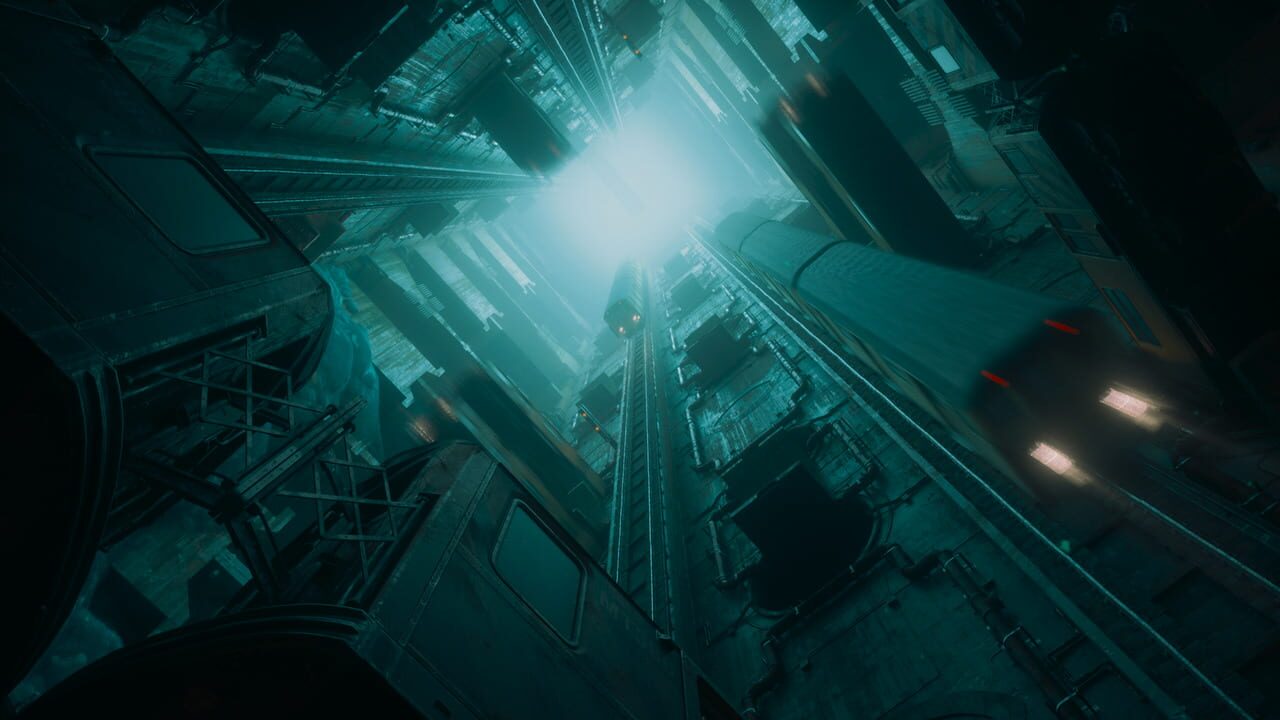
The control resonant game is built around one central crisis: Manhattan has been reshaped by a paranatural force, and reality itself is fracturing. The city no longer obeys normal physics. Buildings hang upside-down above the streets. Roads float at impossible angles. Entire districts feel like they're being torn apart by forces that shouldn't exist. This is where Dylan Faden finds himself—released from decades of confinement by the FBC, now tasked with navigating this nightmare and finding his sister Jesse, who has gone missing.
Dylan isn't exactly a hero when you first meet him. According to Kasurinen, he's "not easy to root for." As a child, he was taken by the Federal Bureau of Control and raised inside an institution designed to control every aspect of his life. That situation ended in tragedy, with lives lost and Dylan confined for years. During the events of the first Control, the Hiss—a hostile extradimensional entity—took control of Dylan, turning him into a weapon. He became what Kasurinen describes as "a monster, a warped being ready to annihilate our reality." Jesse stopped him, but the damage was done. Now, in Resonant, Dylan has to confront what he's capable of and decide who he wants to be.
The story explores themes of identity, power, and sacrifice—classic Remedy territory, but pushed further. Dylan carries the weight of his past, but he genuinely wants to help. He's searching for Jesse. He's confronted by one crucial question: who is he today? The game doesn't shy away from the moral complexity of that question.
New characters join the cast. Zoe De Vera, an FBC Field Agent, acts as Dylan's handler in the field, offering guidance and context as events spiral out of control. Her relationship with Dylan becomes central to the story, pushing him to confront his past and what it means to hold onto his humanity in the middle of a supernatural crisis. Dr. Casper Darling—whose deadpan video briefings were a highlight of the original—returns as well, and Remedy is clearly leaning into that comedic timing again.
Control Resonant PS5 Features & Technical Details
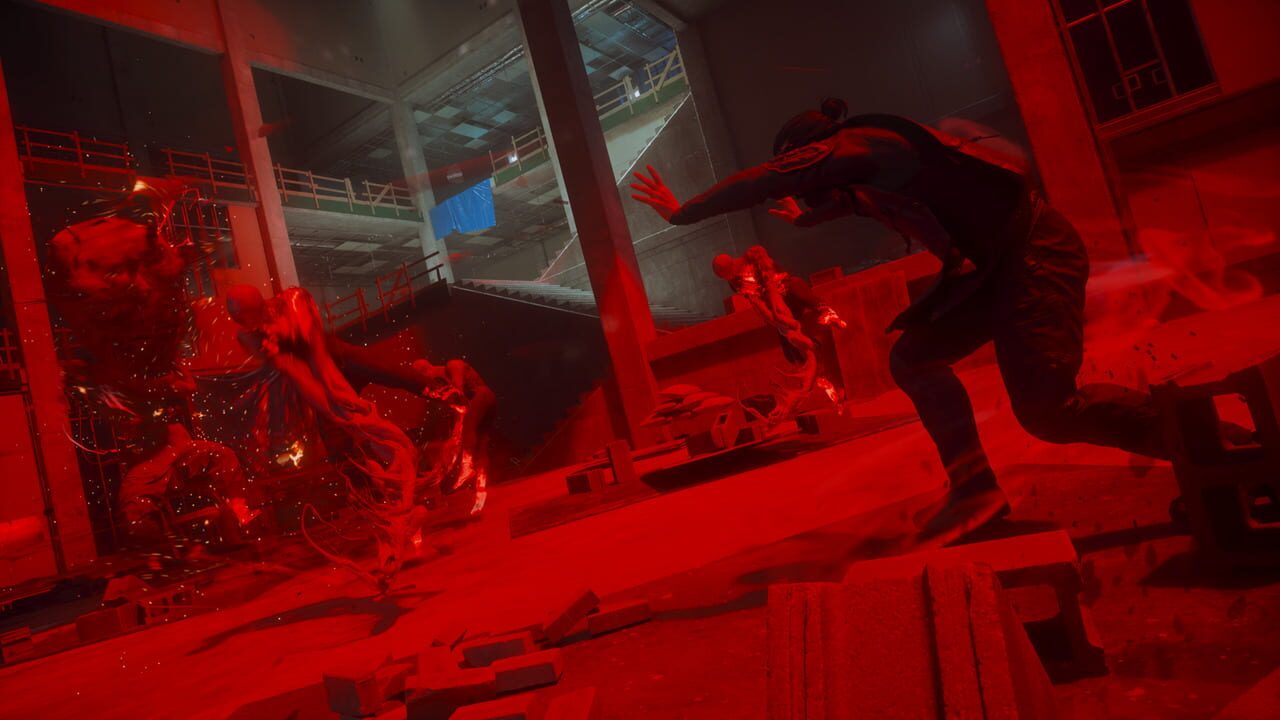
On control resonant ps5, the game runs on current-gen hardware that Remedy is clearly taking advantage of. The studio has emphasized that Control Resonant represents their "most expansive game ever." The world is larger, more detailed, and more varied than anything they've built before. That scale is reflected in the technical ambition.
The PS5 version specifically gets the early access window if you buy the Digital Deluxe Edition. You're looking at 48 hours ahead of everyone else—September 22 instead of September 24. It's a nice perk, though the exclusivity has rubbed some players the wrong way. Still, if you're committed to PlayStation, that early access gives you a genuine advantage in terms of discovering secrets and getting a head start on the community conversation.
Visually, the warped Manhattan environment is the star of the show. The gravity anomalies—areas where architecture folds in on itself and orientation shifts entirely—are rendered to be both beautiful and disorienting. A road might be flipped upside-down above Dylan, acting as a vertical bridge. The roof of a building might be tilted sideways. You'll have to re-learn what "ground" is and spot pathways on surfaces that are now at war with gravity. The PS5's processing power helps sell that visual chaos without breaking performance.
Combat System & The Aberrant Weapon
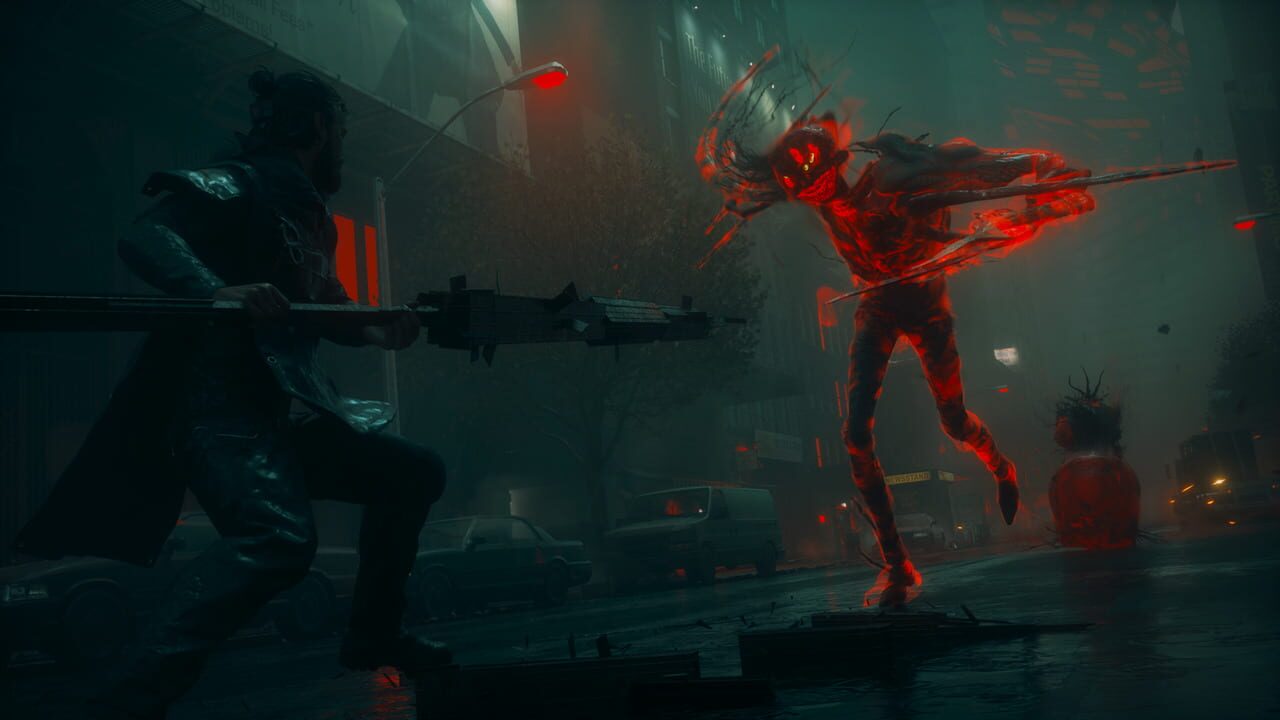
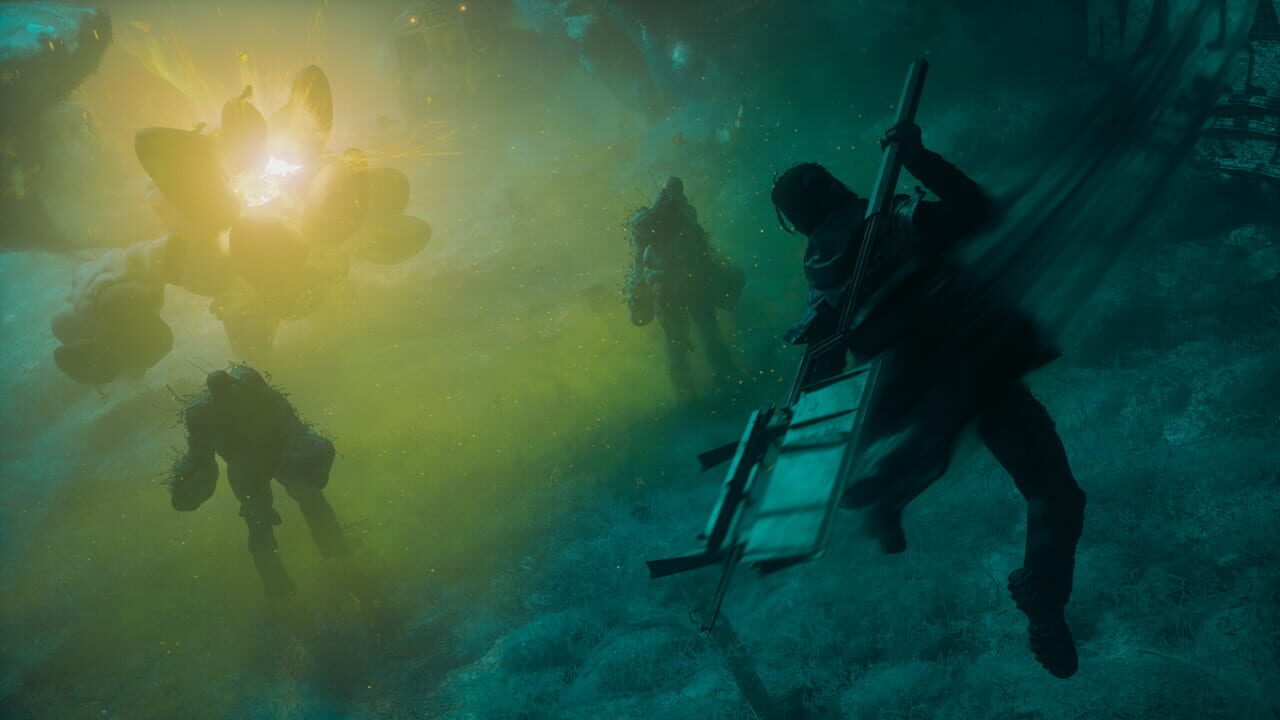
This is where Control Resonant truly separates itself from its predecessor. Dylan doesn't carry a gun. Instead, he wields the Aberrant—an otherworldly, shapeshifting melee weapon that's the centerpiece of the combat system. The Aberrant can transform into multiple forms, including a Hammer, Blades, Scythe, and Fists, giving you a versatile toolkit to define your approach to combat. There are other forms too, but Remedy hasn't revealed them yet.
Combat is aggressive and fast-paced. This isn't a Soulslike—there's no parry button, and you don't need to learn complex attack patterns. Instead, the focus is on action and aggression. You're encouraged to get up close and personal with enemies, chaining your weapon transformations with supernatural abilities to create devastating combos. Striking enemies builds up your combat ability meter, which allows you to unleash powerful supernatural moves.
Progression is all about building your perfect combat flow. You'll constantly expand your toolkit by unlocking new Aberrant forms, supernatural abilities, and combos. Before heading into combat, you can equip your chosen abilities and weapon forms to create a loadout that defines your unique approach to fighting, whether on the ground or in the air.
One specific example: you could slice a Hiss with a sickle form, then slam them with a hammer form, all before ending it with a wild finisher. That's the kind of fluid, chained combat Remedy is designing for. The weapon upgrades system includes Primary and Secondary forms of the Aberrant, along with Combo Enders—all of which you customize to match your playstyle.
Supernatural Abilities & Progression
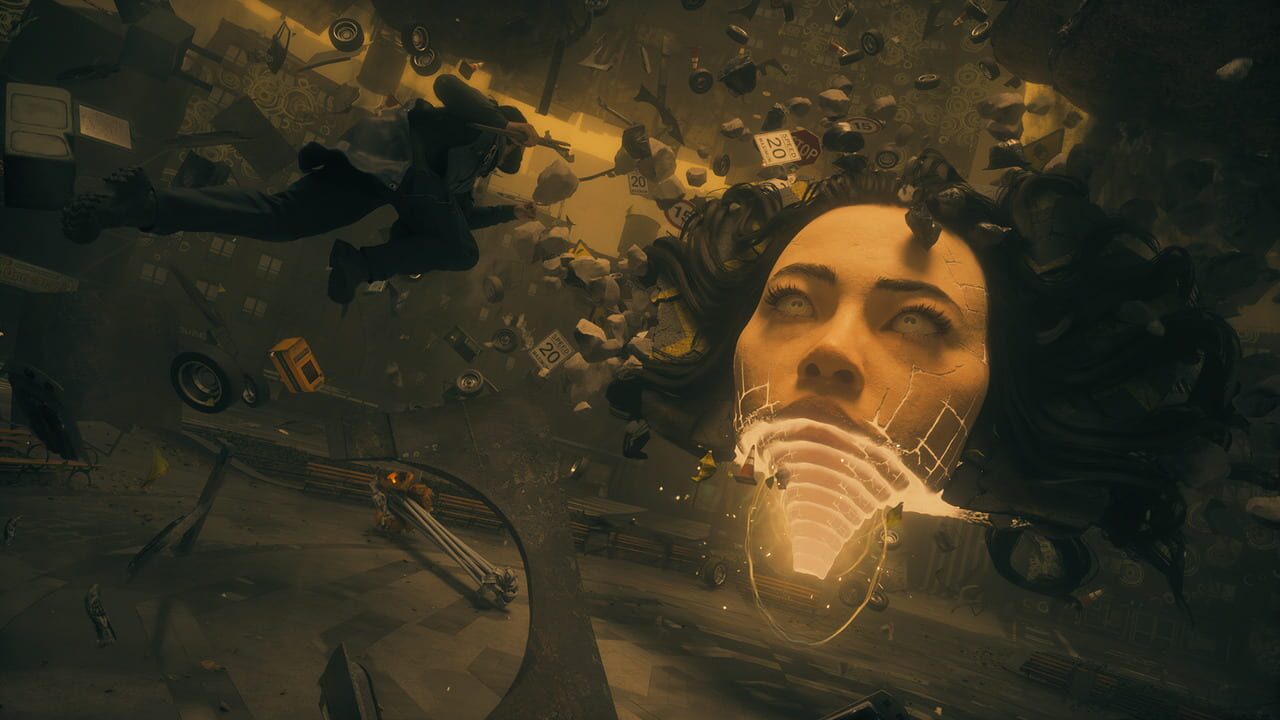
Dylan's supernatural powers are central to both combat and traversal. Abilities like Reach allow him to navigate spaces that no longer obey regular rules of physics. The Shift ability lets Dylan adapt on the fly, redirecting momentum and movement to traverse gravity anomalies. You'll encounter areas where gravity and orientation shift entirely, and Shift is your tool for handling those spaces.
Defeating powerful enemies called Resonants unlocks new abilities. Resonants are remnants of people who once held great power, now corrupted and twisted by the same mysterious force threatening reality itself. Each Resonant you defeat rewards you with a brand-new combat ability. This is why the game is called Control Resonant—the boss encounters directly drive your progression.
The skill tree system is deep. There are three major categories: Combat Abilities, Weapon Upgrades, and Talents. Combat Abilities are driven by story progression and boss encounters. Weapon Upgrades let you customize your Aberrant's forms and combo enders. Talents act as the glue that ties everything together, giving you passive bonuses and synergies. If you're into min-maxing, there's plenty of stats to dig into.
Importantly, you won't unlock every skill and ability during a single playthrough. You'll have to be strategic about how you level up and spend your upgrade points. That means different playthroughs will feel genuinely different, and replaying the game to try new builds is part of the intended experience.
World Design & Exploration
Control Resonant isn't a full open-world game, but it's built around large, distinct, and expansive zones filled with side activities, hidden encounters, and optional discoveries. A strong, central narrative guides you through the world, while still leaving room to explore and uncover what's been left behind in the chaos. The West Incursion Zone is a confirmed example—it begins grounded but gradually becomes more distorted as architecture folds in on itself and gravity behaves unpredictably.
Remedy is intentionally designing missions to be "all killer, no filler." The studio doesn't want you chasing map markers or lighting up towers. Instead, there are two real categories of tasks: Dylan's Journey (the main campaign) and World Quests (independent stories you can start and finish separately). Each mission is grounded into the larger narrative, making exploration feel purposeful rather than busywork.
Traversal itself becomes a gameplay challenge and a spectacle. As Manhattan grows more twisted, navigating the different zones requires mastery of Dylan's supernatural abilities. You're constantly learning to read impossible architecture and finding pathways on surfaces that defy gravity. The environment is as much an obstacle as the enemies you'll face.
Boss Encounters: The Resonants
The Resonants are the centerpiece of Control Resonant's boss design. These corrupted figures are remnants of people who once held great power, now twisted by the paranatural force threatening reality. Defeating them is the primary way Dylan expands his supernatural arsenal. Each Resonant encounter is designed to be memorable and visually spectacular.
One example that's been shown in gameplay footage is a boss called The Dancer. Remedy emphasized that unlike the first Control, where the best encounters were often optional, the Resonant fights in this sequel are a core focus. The team is investing heavily in the backstory and personality of these bosses. They're not just damage sponges—they're characters with their own twisted narratives.
The fights are designed to showcase different combat styles. You can approach them aggressively, getting up close with heavy melee strikes. Or you can play tactically, using summons to bring in turret-like apparitions to pelt enemies from a distance while you hit perfect dodges to slow time and get in counters. Both approaches are viable, and your build determines which strategy works best for you.
Story & Character Development
Dylan's journey is shaped by his relationship with Jesse. The Faden siblings' arcs revolve around each other, and that's what propels their shared story. Both games are ultimately about the siblings confronting their destinies. Jesse remains central to the narrative even though she's not playable. She appears in flashbacks, speaks to Dylan, and her actions as the new Director of the FBC directly influence the path forward.
The game features dialogue choices that add layers to the story. You can choose what Dylan says next in conversations with characters like Zoe. However, Remedy made it clear that there's only one ending in the sequel. Your choices are more about the tone you're setting rather than branching the narrative. Most interactions will be about how you say something, not whether you fundamentally change the story. It's a design philosophy borrowed directly from games like Firewatch—you can move while you talk to people, keeping the action flowing even during character moments.
Price, Editions & Pre-Order Details
Control Resonant's pricing is one of the most consumer-friendly AAA launches in recent memory. The standard edition costs $59.99, undercutting the industry standard of $69.99 by $10. If you want extra content, the Digital Deluxe Edition runs $69.99 and includes additional in-game items.
Every pre-order includes the Hiss Corruption Outfit and Pickpocket's Tool Artifact as bonuses. PS5 players who buy the Digital Deluxe Edition get the exclusive 48-hour early access window. Xbox and PC players don't get early access, regardless of edition—it's a PlayStation-exclusive perk.
Remedy is self-publishing this one, which is a significant statement. The studio has full creative control and is making a bold bet on Control Resonant being a major commercial and critical success. The aggressive marketing push—including the State of Play reveal, planned events throughout the summer, and the competitive $59.99 price point—shows that Remedy is confident in what they've built.
Comparison to the Original Control
The differences between Control and Control Resonant are profound. The original was a third-person shooter with supernatural elements. Resonant is a melee-focused action RPG. Jesse was confined to the Oldest House, a single, sprawling location. Dylan explores a warped Manhattan with multiple distinct zones. The first game emphasized gunplay and ability combos. The sequel emphasizes aggressive melee combat and weapon transformation.
That said, Remedy is holding onto the key tenets that made Control special: storytelling and spectacle. The narrative ambition is still there. The visual design is still surreal and unsettling. The world-building is still layered with mystery and intrigue. But the gameplay has been fundamentally rebuilt to suit Dylan's story and Remedy's new creative vision.
You don't need to have played the original to enjoy Resonant, but there's undeniable value in knowing the lore. The original Control established the Federal Bureau of Control, the Hiss, and the Oldest House. It introduced Jesse and Dylan as characters with complicated histories. Understanding that context makes the stakes of Resonant feel heavier and the character moments land harder.
What Makes Control Resonant Stand Out
In a crowded 2026 release schedule, Control Resonant is positioning itself as something genuinely different. It's not chasing trends. It's not trying to be a Soulslike or a live-service game. It's Remedy doing what Remedy does best: building a weird, ambitious, story-driven action game that respects player agency while delivering spectacle.
The shift from Jesse to Dylan isn't just a narrative choice—it's a design philosophy. Dylan's journey from captivity to a strange outside world mirrors the player's journey from the tight corridors of the Oldest House to the expansive, gravity-defying zones of Manhattan. That thematic alignment between protagonist and gameplay is where Remedy's best work lives.
The melee-focused combat is a risk, but it's a calculated one. By moving away from gunplay, Remedy forces players to engage more directly with enemies and the environment. You can't hang back and snipe. You have to be aggressive, adaptive, and creative with your loadouts. That's where the action-RPG depth comes in—different builds genuinely play differently, and experimenting with new combinations is part of the appeal.
Final Thoughts: Why Control Resonant Matters
Control Resonant releases on September 24, 2026, and it represents a studio at the height of its creative powers. Remedy has built something that respects the legacy of the original while pushing boldly into new territory. Dylan's story is complex and messy. The world is hostile and disorienting. The combat is aggressive and rewarding. The mysteries are genuine.
If you're a fan of the original Control, this is an essential day-one purchase. If you've never played Control but love action-RPGs with strong narratives and supernatural themes, Resonant is designed for you. If you're just looking for a big, ambitious action game from a studio that's proven it knows how to deliver, this is worth your attention.
The Control Resonant release date is locked in. Pre-orders are live. The community is building. September 24 can't come soon enough, and based on everything Remedy has shown, this sequel is going to be worth the wait.
Câu hỏi thường gặp về Control Resonant
- Ngày phát hành Control Resonant là khi nào?
- Control Resonant dự kiến phát hành vào ngày 24/9/2026.
- Control Resonant chơi được trên nền tảng nào?
- Control Resonant hỗ trợ: Xbox Series X|S, PC (Microsoft Windows), PlayStation 5, Mac.
- Control Resonant thuộc thể loại gì?
- Control Resonant thuộc thể loại: Role-playing (RPG), Hack and slash/Beat 'em up, Adventure.
- Có trailer chính thức của Control Resonant không?
- Có. Bạn có thể xem trailer của Control Resonant ngay trên trang này ở phần video.
Khám phá thêm
Mẹo Sinh Tồn Hardcore Minecraft 1.21 - Hướng Dẫn Chi Tiết Từ A-Z
Sinh tồn trong Minecraft 1.21 hardcore không phải là về may mắn — nó là về chuẩn bị. Hướng dẫn chi tiết này sẽ dạy bạn mọi thứ từ ngày đầu tiên cho đến cách chinh phục Trial Chambers và The End.
Hướng Dẫn Minecraft Cho Người Mới Bắt Đầu: Sống Sót Đêm Đầu Tiên & Xây Dựng Căn Nhà
Bạn mới chơi Minecraft? Hướng dẫn chi tiết này sẽ giúp bạn sống sót đêm đầu tiên, thu thập tài nguyên, và xây dựng một căn nhà an toàn. Từ crafting công cụ đến tránh mob — tất cả những gì bạn cần biết.
Minecraft Enchanting Table 2026: Những Cập Nhật Lớn Từ Bàn Phép Thuật Đến Gối Ngồi
Năm 2026 mang đến những thay đổi lớn cho Minecraft: minecraft enchanting table giờ hiển thị xác suất chính xác, cushion update cho phép bạn ngồi lần đầu tiên, và nhiều minecraft quality of life improvements khác.
5 Tính Năng Minecraft Mà Mojang Nên Thêm Vào Game Ngay Lập Tức
Minecraft vẫn tuyệt vời, nhưng nó đang thiếu những tính năng quan trọng. Đây là 5 minecraft features mojang should add mà cộng đồng yêu cầu từ lâu, và một số thậm chí đã được chứng minh hoạt động tốt thông qua các mod.